November 9-15, 2024
Weather is great; wish you were here! Weather continues give us sunny days and cool nights and happily, our friends are starting to arrive which has been such a bonus to living abroad.
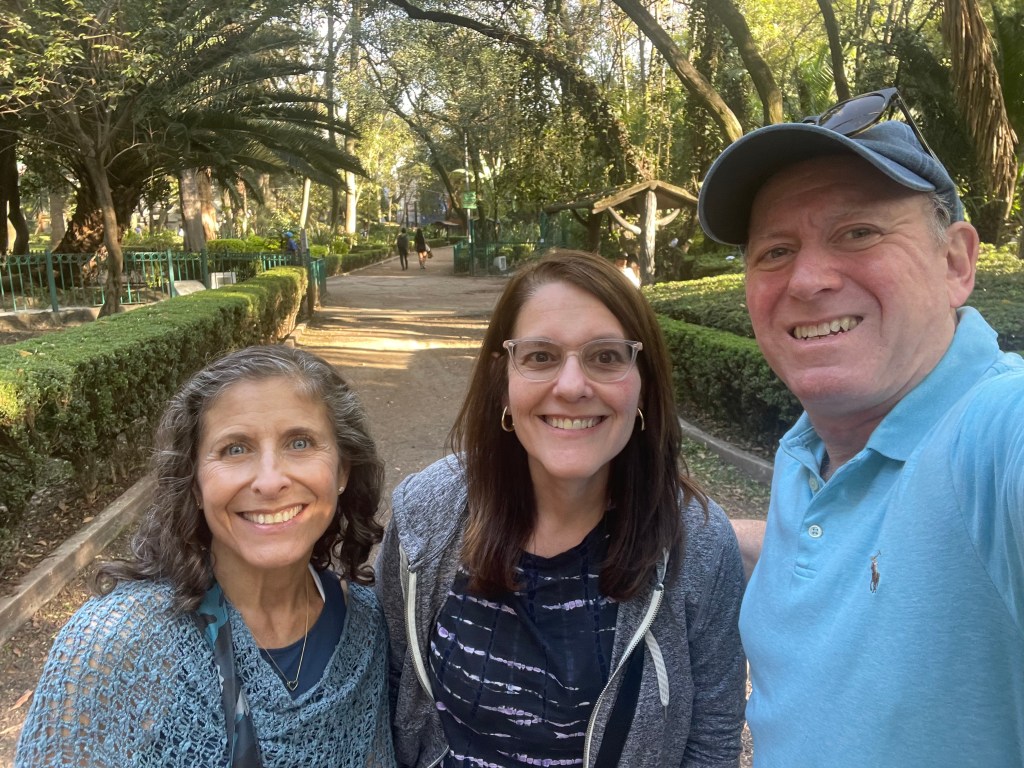
Janet arrived on a Saturday in time for a stroll through the parks of Condesa Roma and a delicious dinner at Huset, a local restaurant with a contemporary vibe.
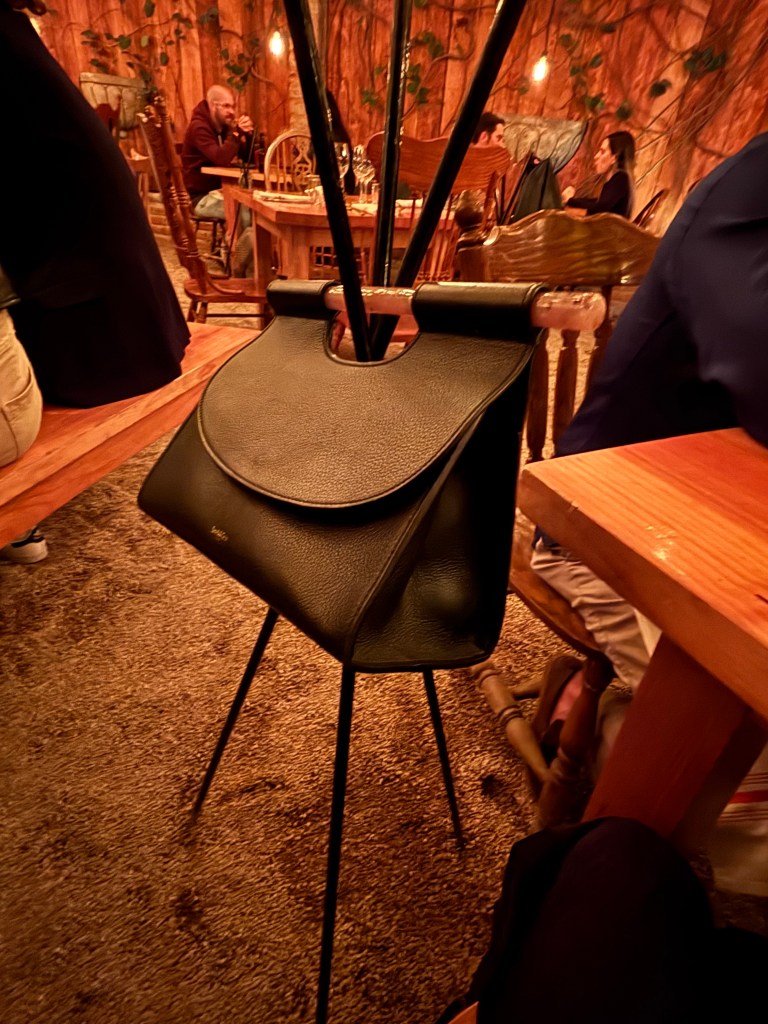
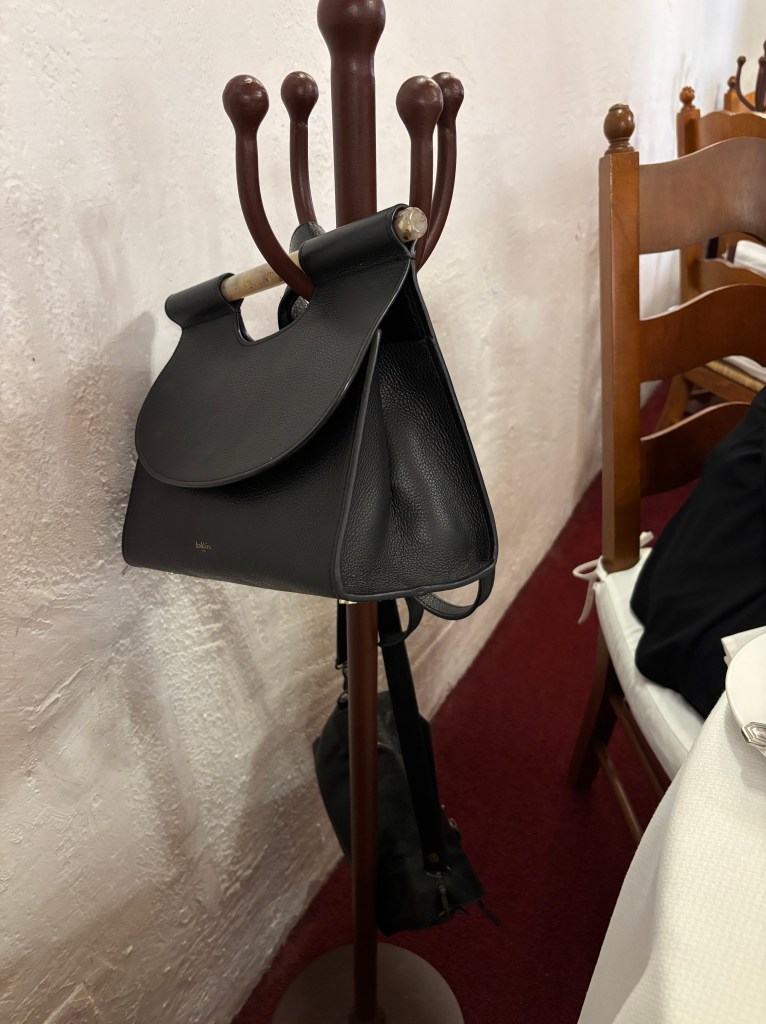
Something that always annoys me back home is that often, when dining out, there is no place for the handbag. If the back of the chair is not rounded, one can always hang a bag there but it’s not always so easy. I often prop my bag behind me (not super comfortable) and I’d rather not put my bag on the floor nor the table. Why hasn’t the U.S. incorporated a solution (at least half the population arrives to dine with some kind of bag, right)? Something that keeps popping up at restaurants here are tableside handbag / coat racks. They are great and keep one’s belongings safe, beside you as you dine. Note to all restauranteurs, these are a good idea!
Janet was interested in seeing Diego Rivera murals while in Mexico so I arranged a guided tour. Rivera’s murals are in a few key spots in the city but some were closed to us. We focused on his murals in the Museo Vivo del Muralismo and the Palacio de Bellas Artes.
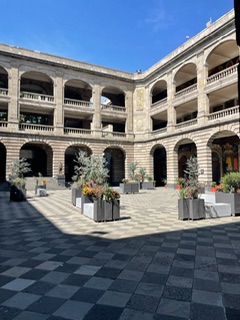
And some of the 200-plus Diego Rivera frescos 1923-28
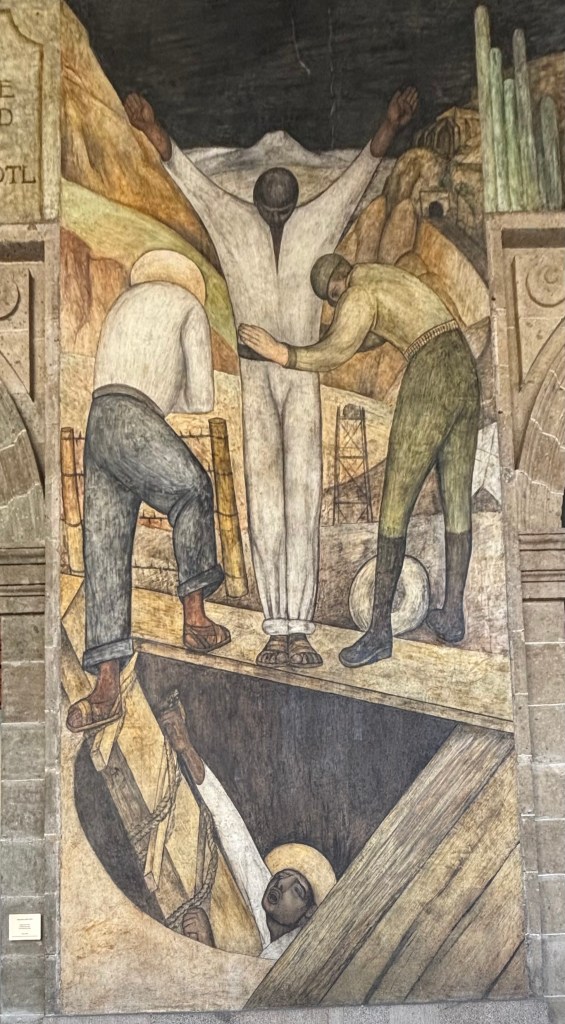
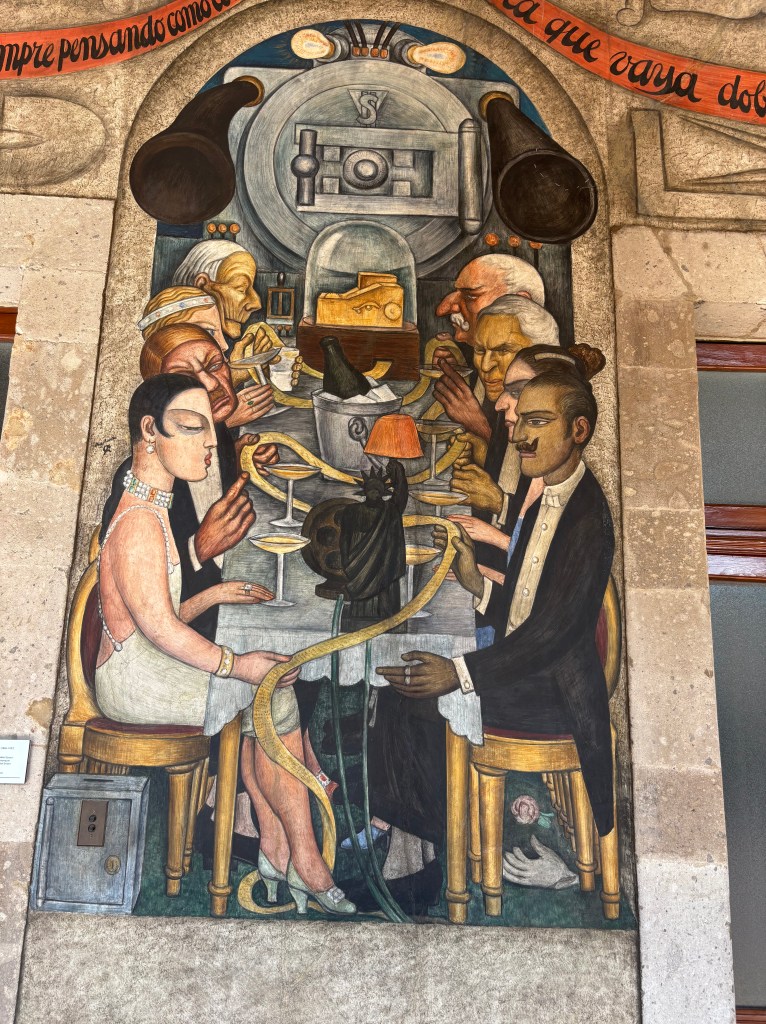
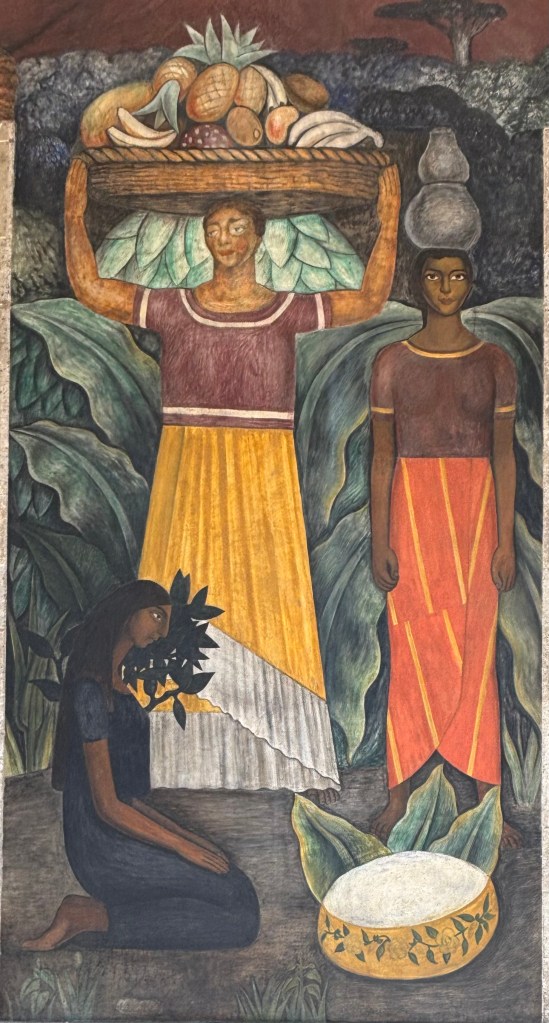
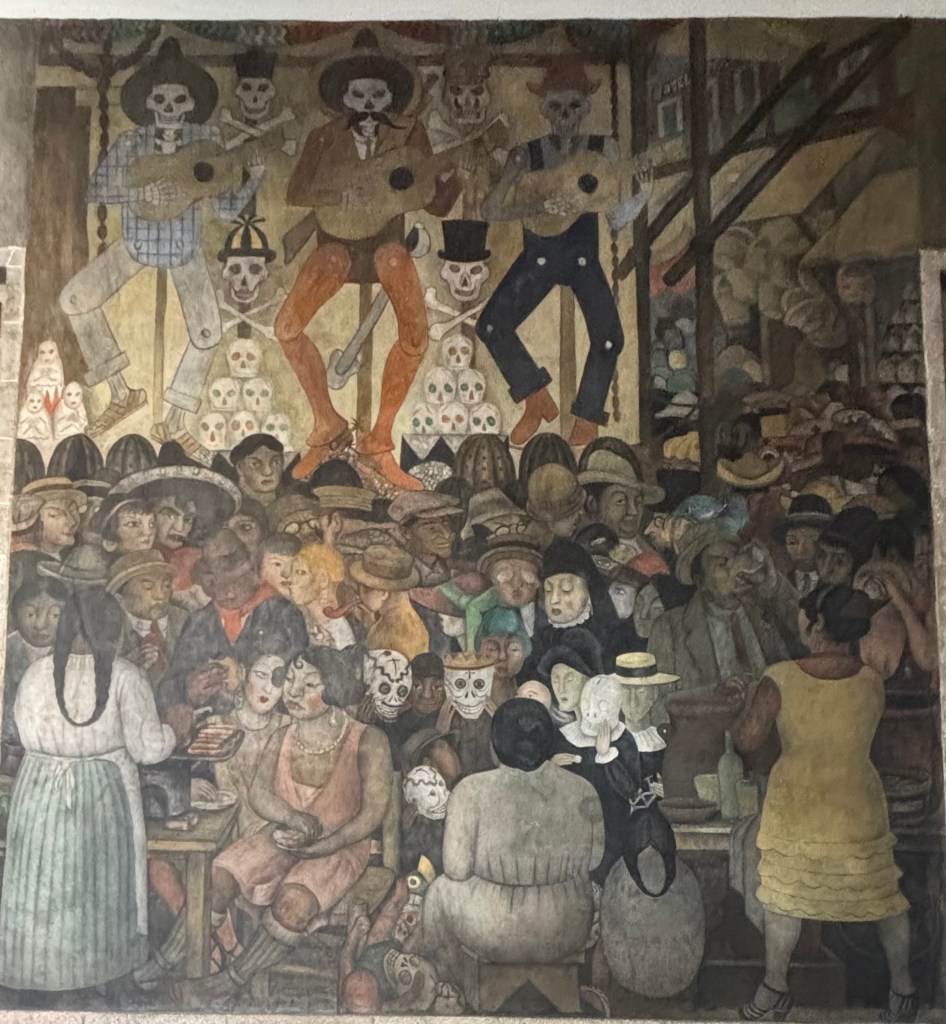
Note: Rivera’s murals in the San Ildefonso College (The Creation 1922-23) are his earliest murals. The Palacio Nacional murals, which illustrate Mexican history are currently closed to the public. And the Museo Mural Diego Rivera, interestingly houses only one mural: Dream of a Sunday Afternoon in the Alameda Central, which was the only survivor from the Hotel del Prado, demolished after the 1985 earthquake.
The artistic movement known as muralism developed in Mexico in the early Twentieth Century. From what I have seen and read, muralism was a social movement, even leading to today’s contemporary street art (see my post about Amsterdam and the Straat Museum from November 2023). Muralism’s most famous artist was Diego Rivera (1886-1957). In September, the Museo Vivo del Muralismo (Living Museum of Muralism) was inaugurated after a few years of fresco restoration. It is housed in the Secretariat of Public Education (SEP) and is a showcase of murals painted between 1922 and 2010. When the SEP originally opened in 1922, its secretary commissioned Diego Rivera to create frescos throughout the building and did he ever; there are more than two hundred panels. Since the building housed the offices of education, these murals were quite educational, especially if you were a Communist (the party in which Rivera belonged). His murals addressed themes about social justice, political activism, indigenous heritage and working class struggles. Rivera’s frescos depict Mexican history, agriculture and ancient symbols of the Mesoamerican period (pre-Spanish). They promote communism, discredit religion and depict greedy capitalists and crooked politicians. These murals have been labeled propaganda art and include many symbolic hammer and sickles as well as red stars.
After the SEP, we continued onto the Palacio de Bellas Artes, both a museum and a theater (where we had seen the Mexican Folkloric Ballet). Diego Rivera’s mural, Man Controller of the Universe, was recreated here after the original was destroyed at Rockefeller Center for its inclusion of Vladimir Lenin.
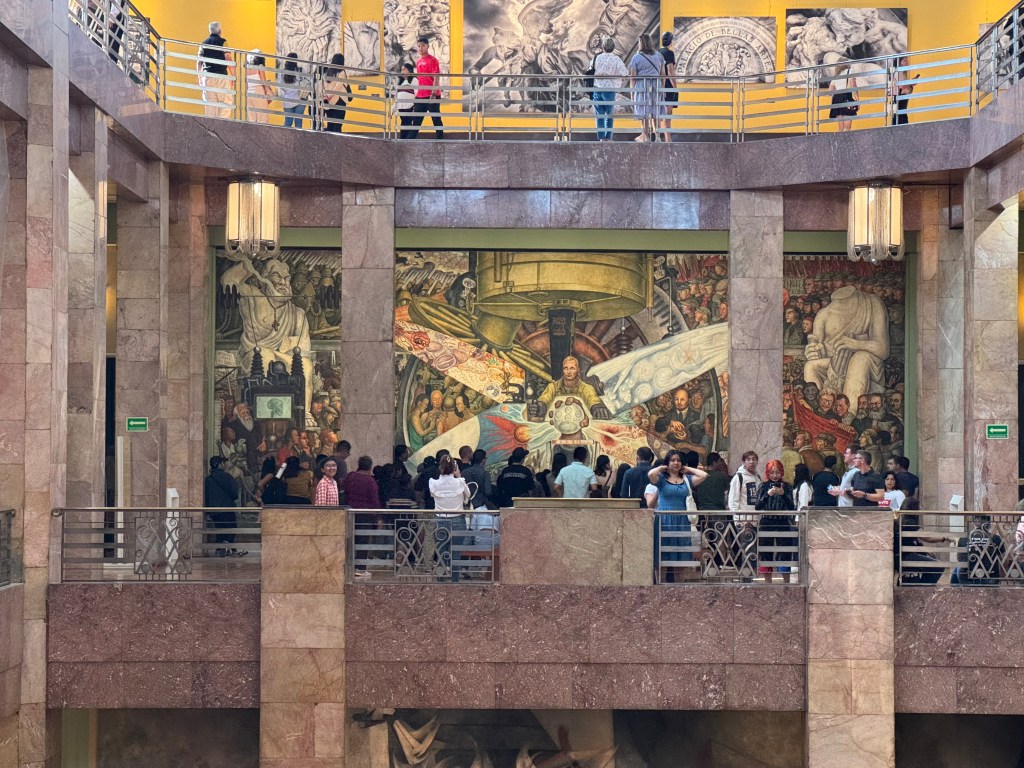
Fortunately for us, our guide explained many of the murals and their symbolism to us. I can honestly admit that I would have missed a lot had we not done a tour with an expert. Mexico’s past is quite complex and these murals educate us in her rich history and culture.
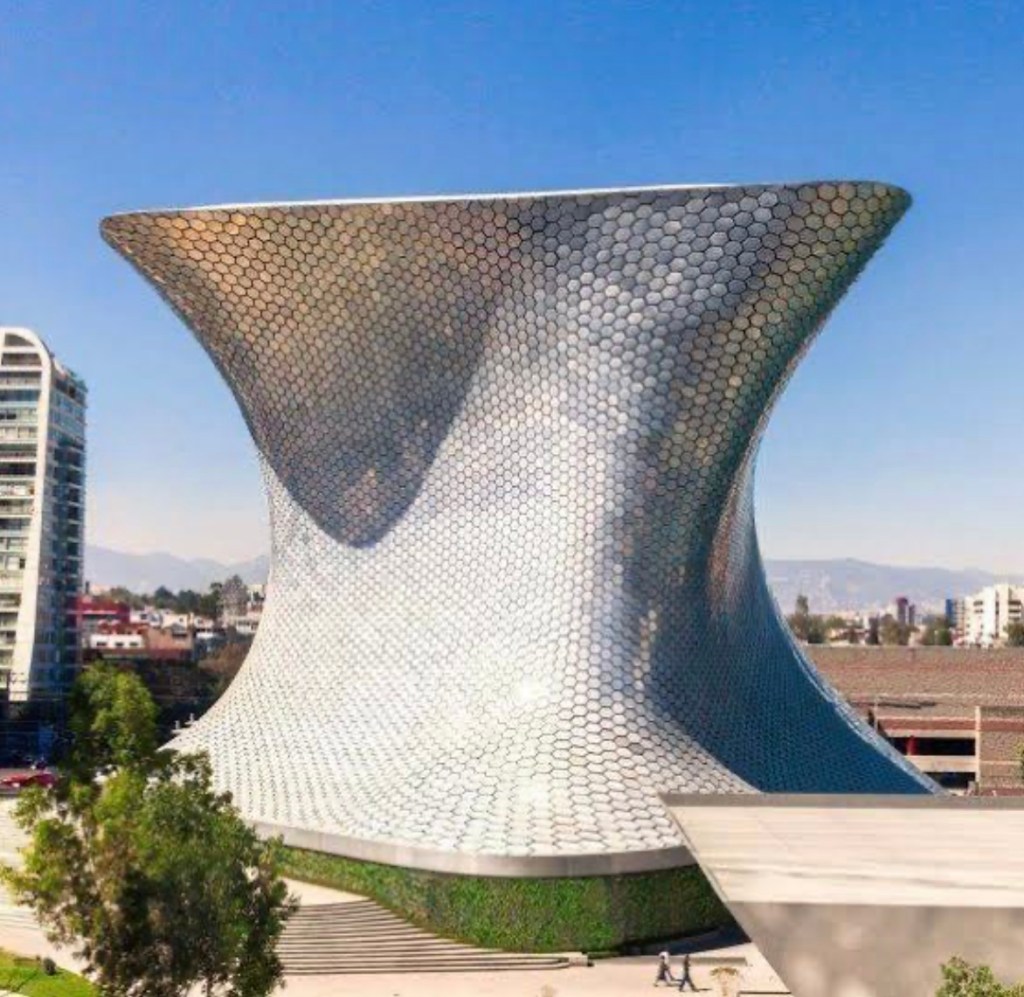
In Mexico City, most museums and tourist spots are closed on Mondays so Janet and I ventured to the lovely neighborhood of Polanco, to the open Museo Soumaya. Soumaya houses the huge private collection of Carlos Slim Helu and is named for his late wife Soumaya Domit Gemayel. Slim, who immigrated to Mexico from Lebanon, is one of the wealthiest people in the world. Slim commissioned his architect-son-in-law Fernando Romero to design the building, a six-story building with a shiny exterior of 16,000 hexagonal aluminum tiles. The museum opened in 2011 and is open to the public, housing 66,000 pieces of art. We especially enjoyed the gallery dedicated to Mexican art, although there was a lot of European art through the ages, including an area devoted to Auguste Rodin (which didn’t seem to be available the day we visited). The Modernity: Art and Technology Collection was very interesting.
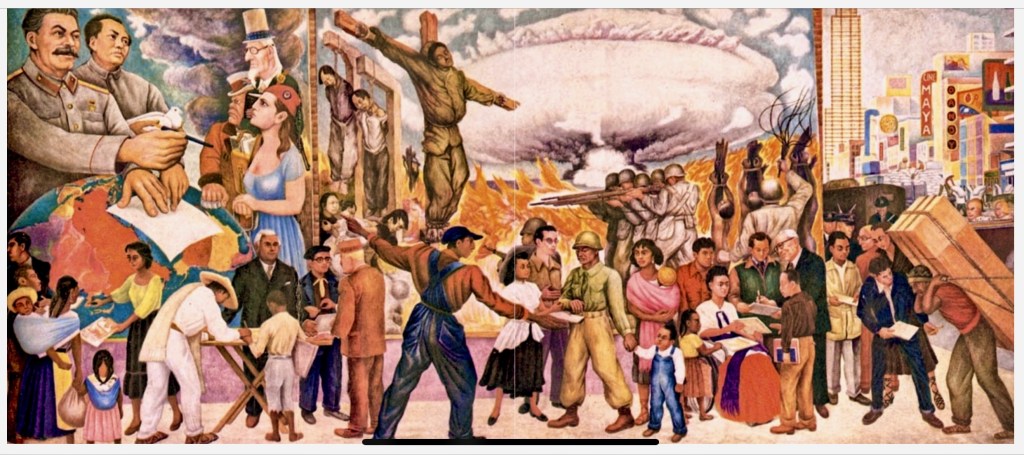
Having learned so much about Diego Rivera’s murals, we were excited to see a study for the mural Nightmare of War, Dream of Peace (1952). Below, is a photo of the finished (but lost) mural. This symbolic mural was extremely controversial as it depicted Communist leaders as heroes and debuted during the Korean War. It was created to travel but disappeared after much international controversy, from the Museo de Bellas Artes, perhaps to China (but it has never been found).
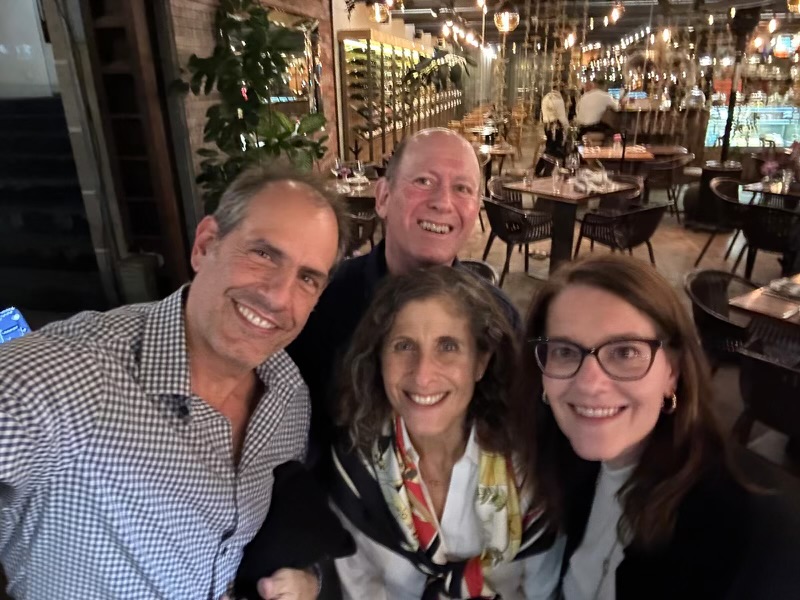
Polanco is the most exclusive neighborhood in Mexico City where one can find all the international designer boutiques; we had no need for them and instead enjoyed an authentic Mexican lunch at Hacienda de los Morales. After that, we took a lovely walk, did a little local shopping and met up with Andy and our friend Dan (who was in town on business) at a nice restaurant and gourmet shop called Catamundi.

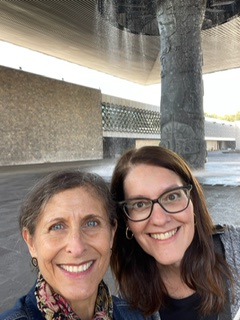
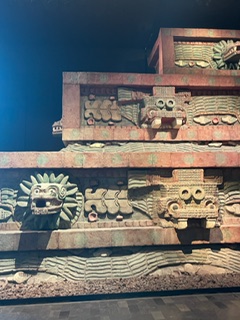
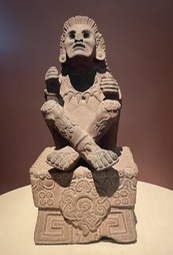
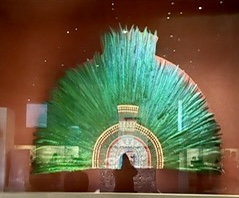
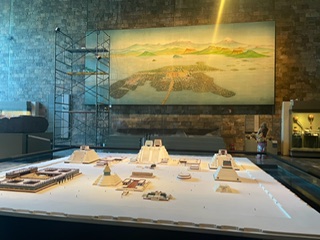
While Mexico City boasts many, many museums, its most famous is the Museo Nacional de Antropología (MNA) which is one of the museums on the grounds of Chapultepec Park. I have now been to MNA twice (and I am certain I will be there again). This huge museum was built to house thousands of artifacts and reproductions that tell the story of Mexico from prehistoric to Mesoamerican to Spanish colonialism to current times. The space includes both interior and exterior exhibition spaces which surround an exterior courtyard with a huge concrete column “umbrella,” holding a giant ceiling. I was surprised to see many ancient artifacts that resembled Egyptian art, although there is no proof that these two ancient civilizations had any interaction. I was also surprised to learn about the Mesoamerican practice of human sacrifice to please their gods. Mostly, the contents of this museum (and I have only scratched its surface) are incredible and beautiful and show how much interaction occurred among the different indigenous cultures of Central and South American.
The Cute One
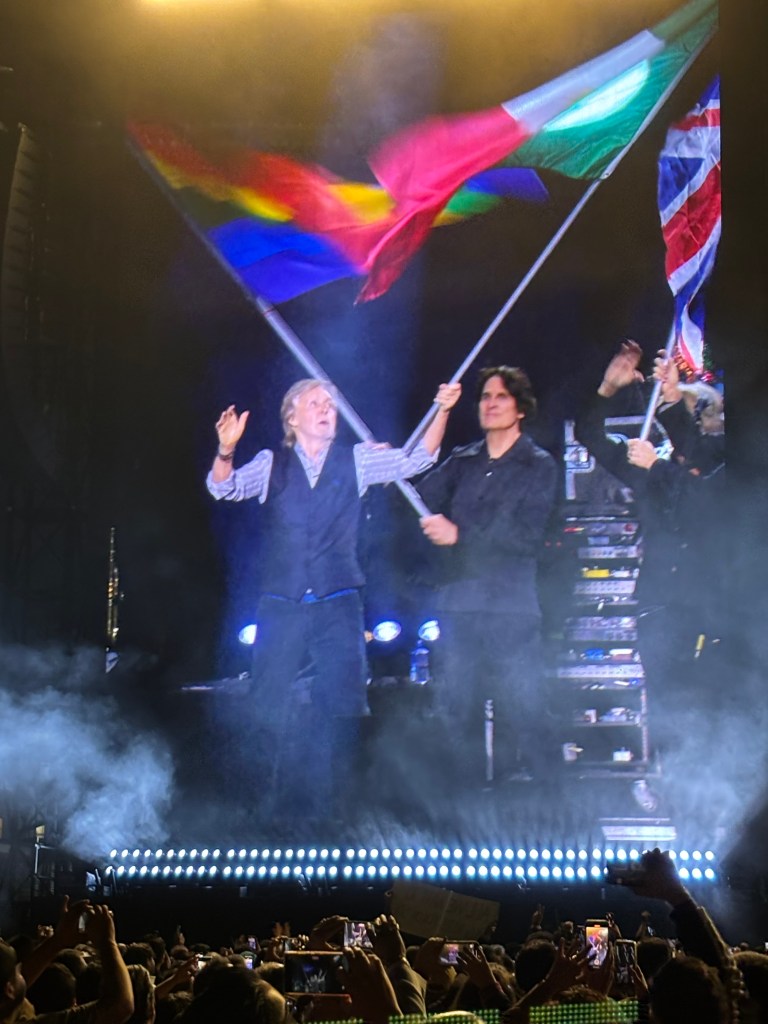
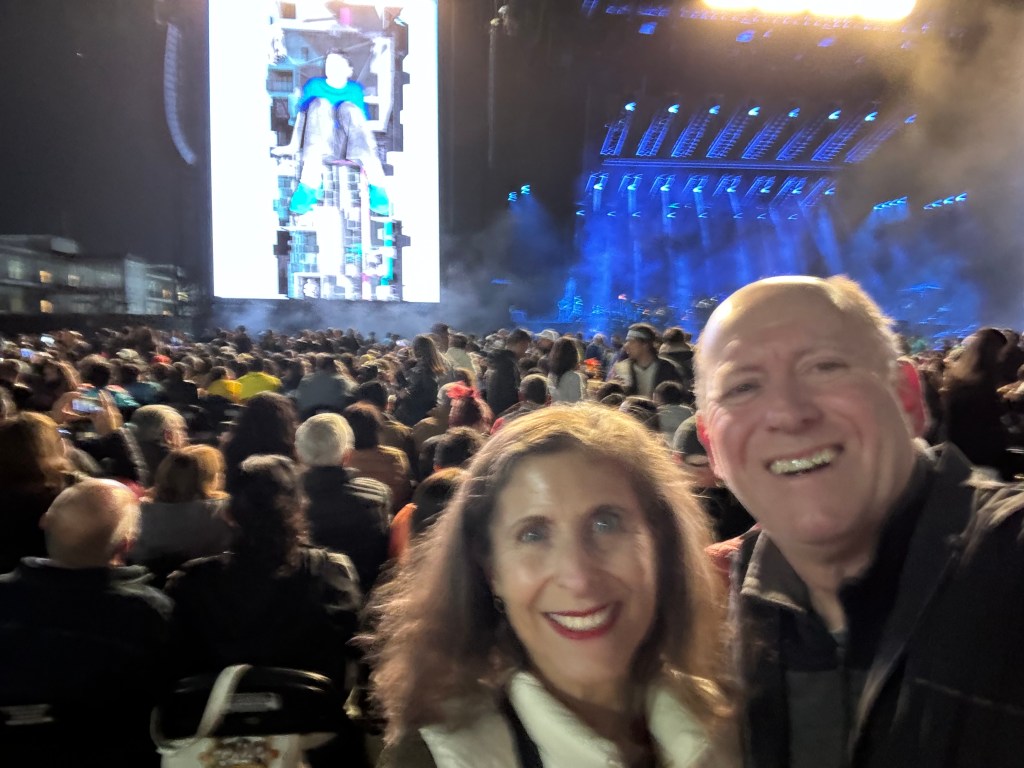
Have you ever attended a concert that was like visiting an old friend? Andy got us tickets to see Paul McCartney (at age 82) for The Got Back Tour last Tuesday night. The last time I saw Sir Paul was with my friend Sharon, at a restaurant in East Hampton – not quite the same. While it took ages to get to the GNP Seguros Stadium via Uber (they saw our destination and the cars kept canceling), it was worth it and I sang along with Paul for two and a half hours. It was fun to attend a concert knowing the words to pretty much every song — spanning 60+ years. The playlist was great as were the accompanying special effects. Paul did lovely tributes to both John and George with old Beatles video footage on the Jumbotrons. We had a wicked taxi ride (against our better judgment) back to the apartment and were thrilled to have had such a memorable night.


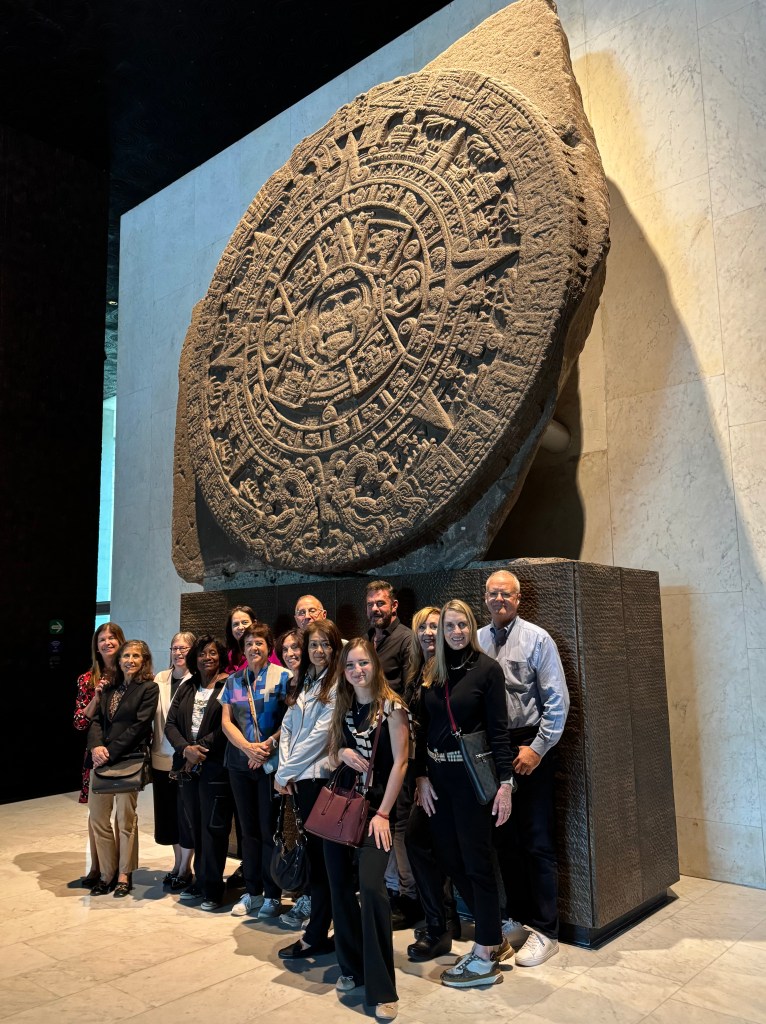
The next day, I was delighted to accept an invitation from my good friend Ann, to tag along with her and the International Advisory Board of the Columbia-World Health Organization Center for Global Mental Health while they were in Mexico City for the week. Ann is the Vice Chair. This center’s “mission is to reduce the global burden of mental disorders, diminish stigma, and increase access to the most appropriate forms of treatment. [Its] work aims to ensure that people with mental health needs have access to the most effective and acceptable services at the point at which they are most likely to encounter opportunities for care. [The] center focuses on advocacy, research, and training initiatives to make a meaningful impact worldwide.”
A brief aside: we started our day at the InterContinental Presidente Hotel in Polanco. I walked right into the hotel to grab a cup of coffee before meeting the group and I ran right into the Miss Universe Pageant contestants. It was 8 a.m. and the ladies were in full evening gown regalia, identifying sashes and all. The busy paparazzi ignored me and once I met Ann, we watched the contestants parade through the lobby.
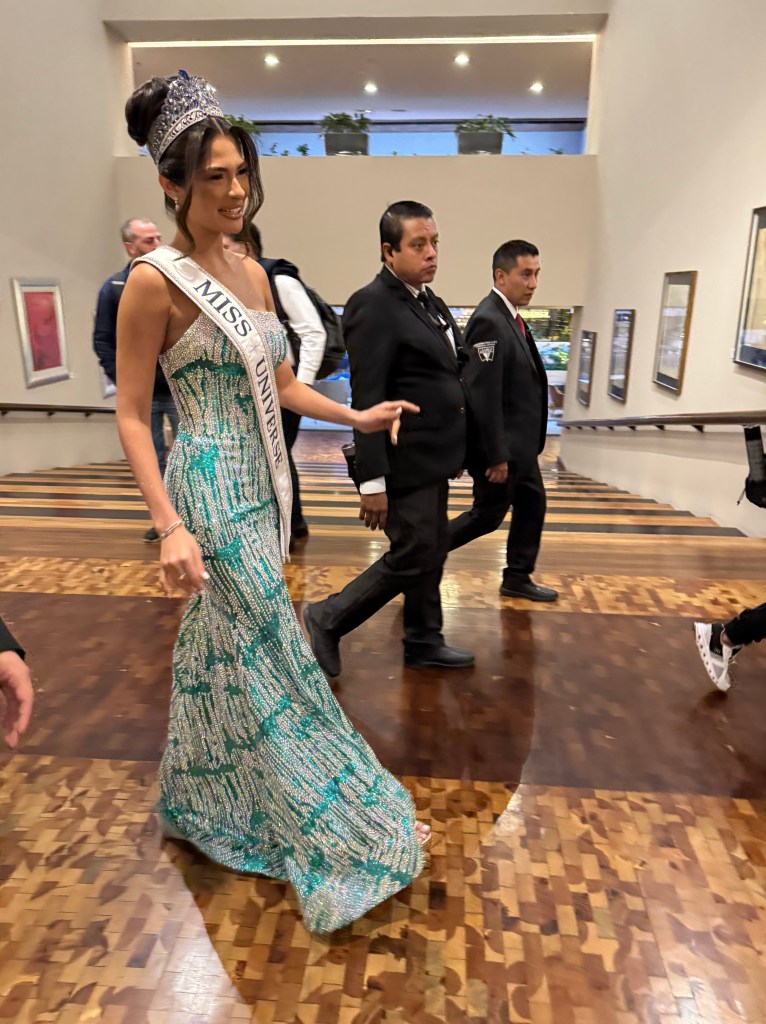
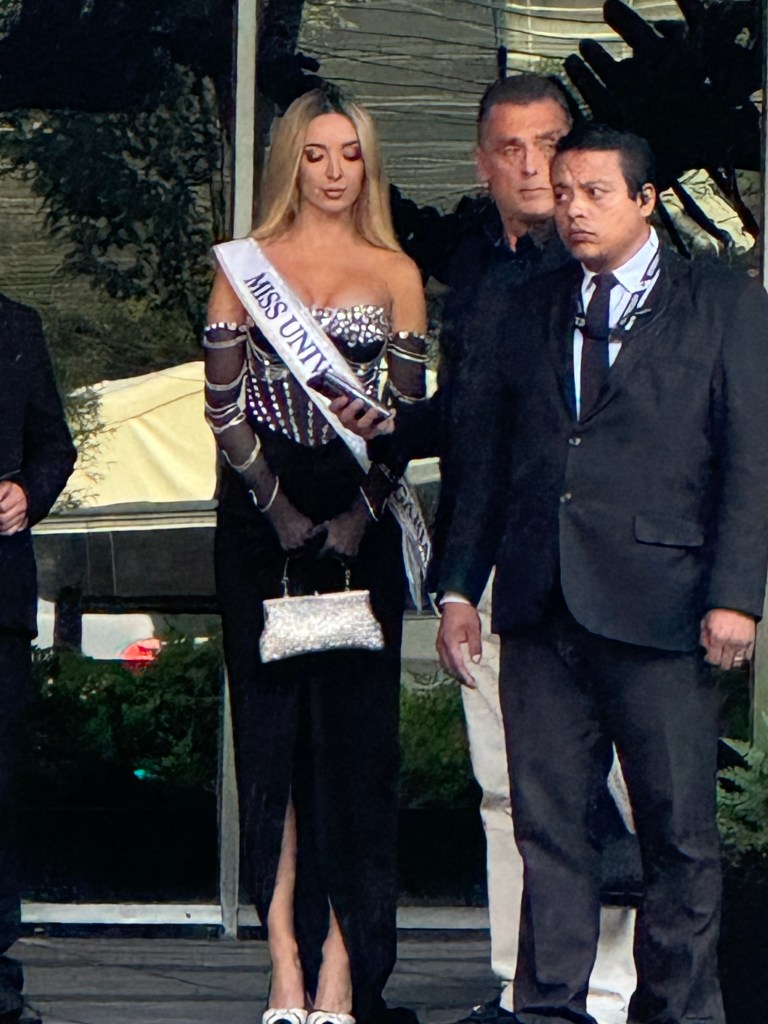
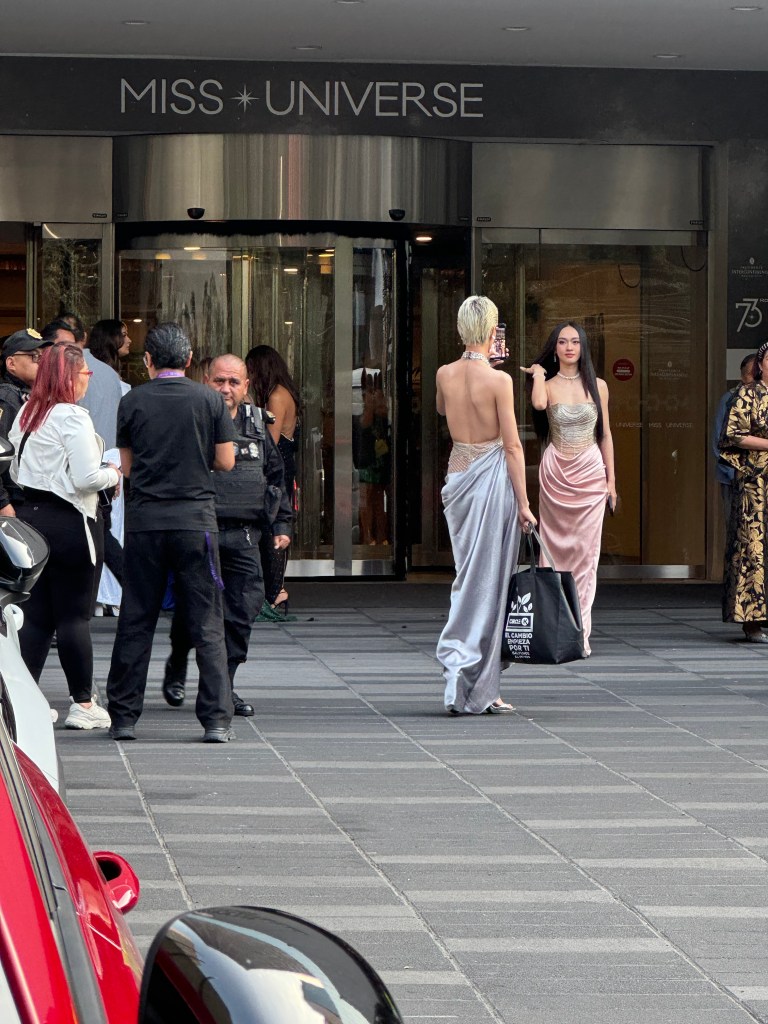
Fast forward to Saturday and Andy and I found ourselves in front of the same hotel but this time we couldn’t get in as those involved were striking their poses and getting into vehicles for their drive to the Arena Ciudad de Mexico (but we did take some pictures and we tuned in for the last few minutes of the Pageant, having been so close to its participants LoL). P.S. Miss Denmark was crowned.
Back to the real world. The highlight of my time with Ann and her Global Mental Health Advisory Board was a visit to Reinserta, a Mexican NGO that “transform[s] the lives of children and adolescents affected by violence in Mexico.”
Why does Reinserta exist?
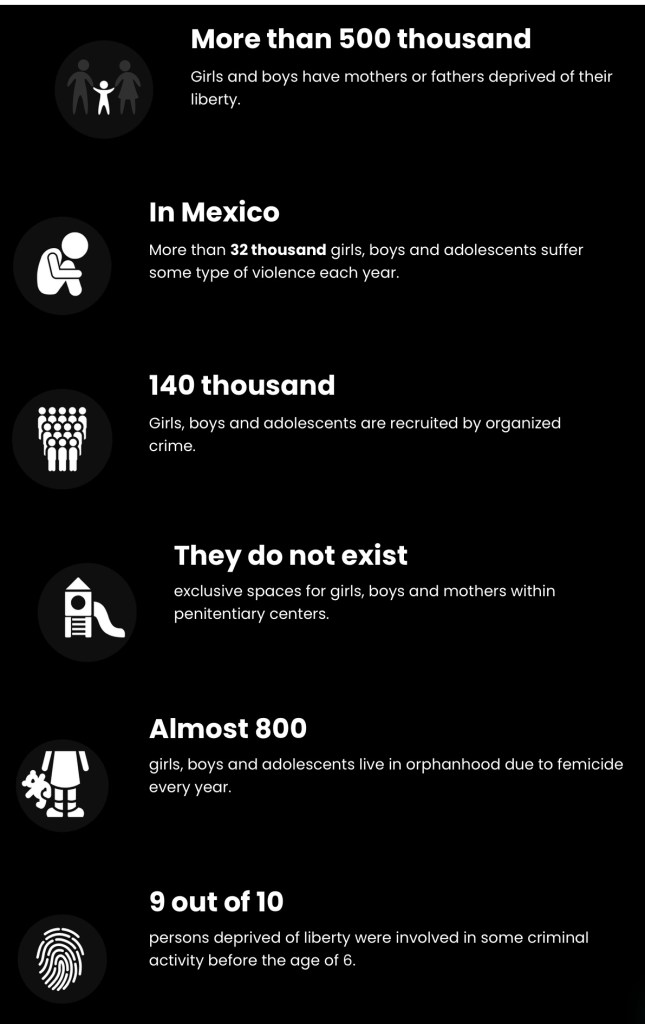
With a two million (U.S. dollar) annual budget and 72 employees, this organization provides counseling and a safe space through a model of psychosocial care. They also are working on research and improving public policy, constantly taking metrics to evaluate and improve their programs. It was an honor to be among the young professionals at Reinserta, most of them psychologists, learn about their programs and tour their facility. If you have time, see this award-winning (Clio Silver award for PSAs) video about a child who, at the age of 3, is separated from his incarcerated mother. These are some of the children Reinserta helps. It is only 4:11 minutes long and brought tears to my eyes.
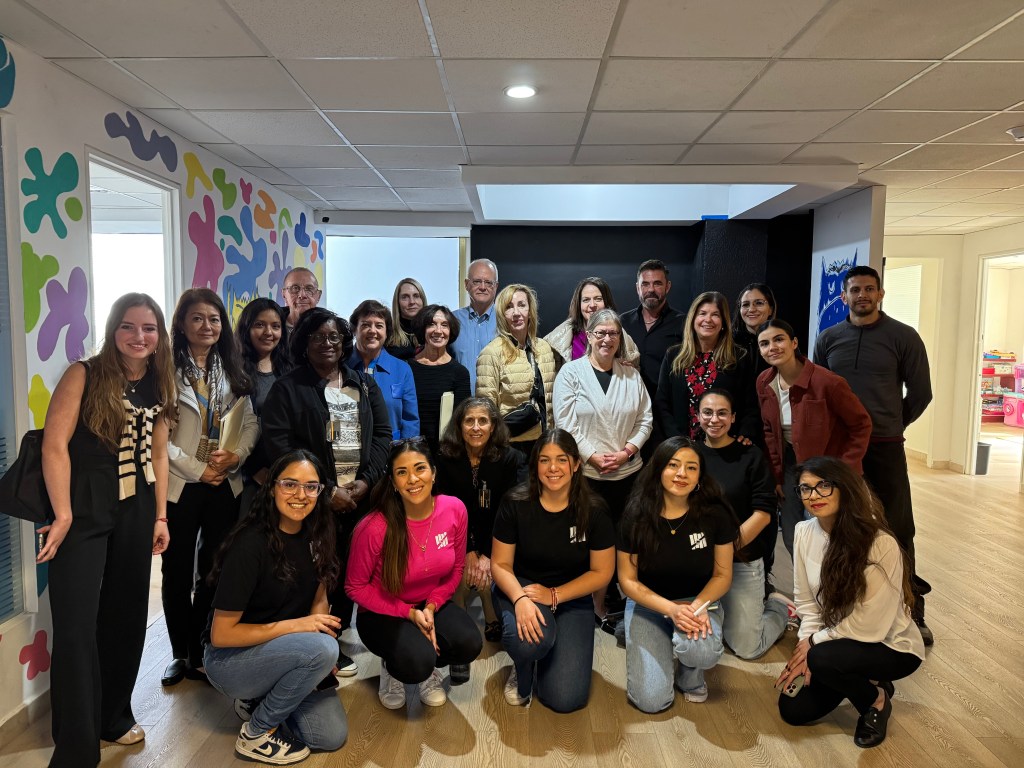
Part of the international immersion experience is not glossing over the hard stuff. While we feel safe in Mexico City, it is a complicated country with poverty, crime, cartels as well as great wealth. Having access to a most important program that helps shape the future of Mexico was eye-opening and important experience. Most of the problems here are not exclusive to Mexico. The Columbia-World Health Organization Center for Global Mental Health is doing what it can to advance global mental health assessments needs worldwide.
The rest of the week was just as interesting and quite delicious. Our dear friends, Wendy and Jordan, arrived Thursday while Andy spent two days at a conference in Miami and we anxiously awaited the arrival of their son Ian, a freelance filmmaker who just completed an assignment on location in Chile. Three of us enjoyed a delicious dinner at Entremar (sister to Contremar, a restaurant many friends had recommended). Entremar did not disappoint!
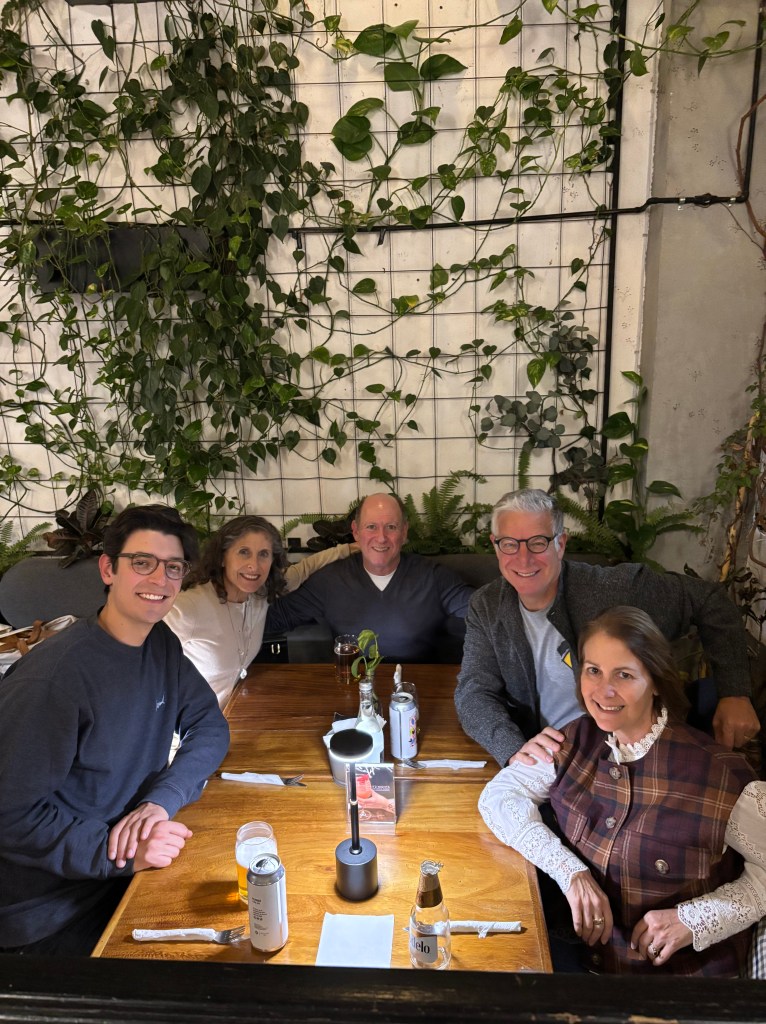
Neither did Friday night’s experience: dinner and then Lucha Libre. Also known as Friday night wrestling, Lucha Libre is quite the experience. The Arena México, also called the “cathedral of Lucha Libre” seats an audience of 16,500. Wendy researched best-seats, which we had, close enough to see every expression on the participants (those who weren’t masked, that is) and in view of the ESPN-looking play-by-play analysts who could be seen on Pay-Per-View.
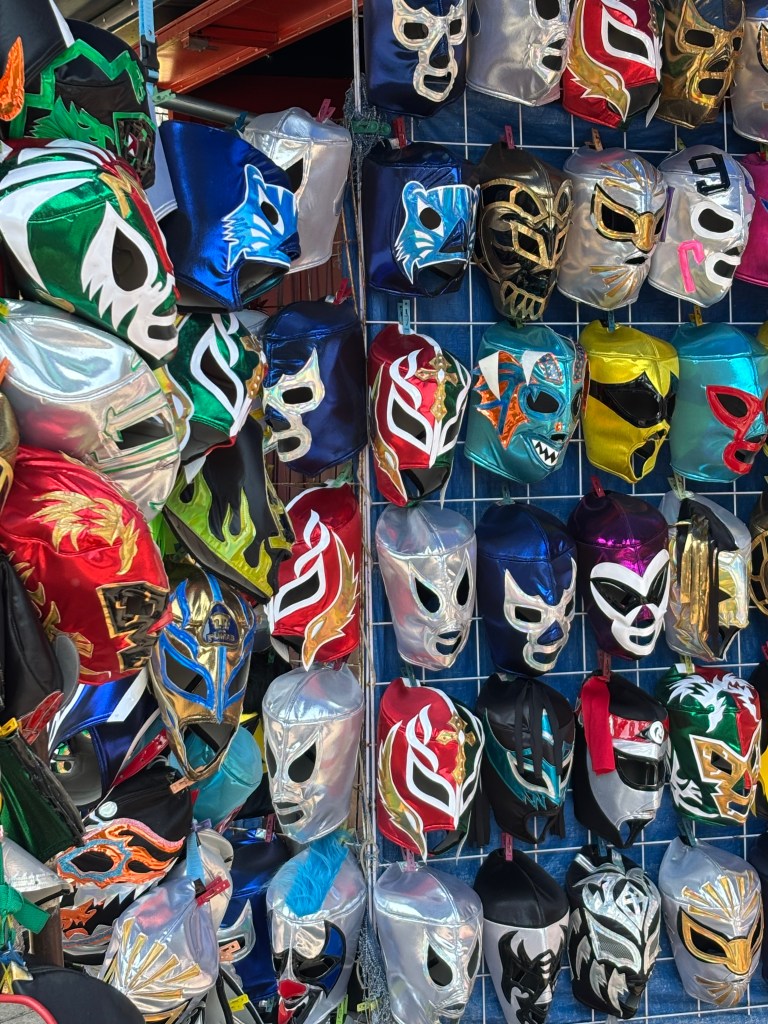
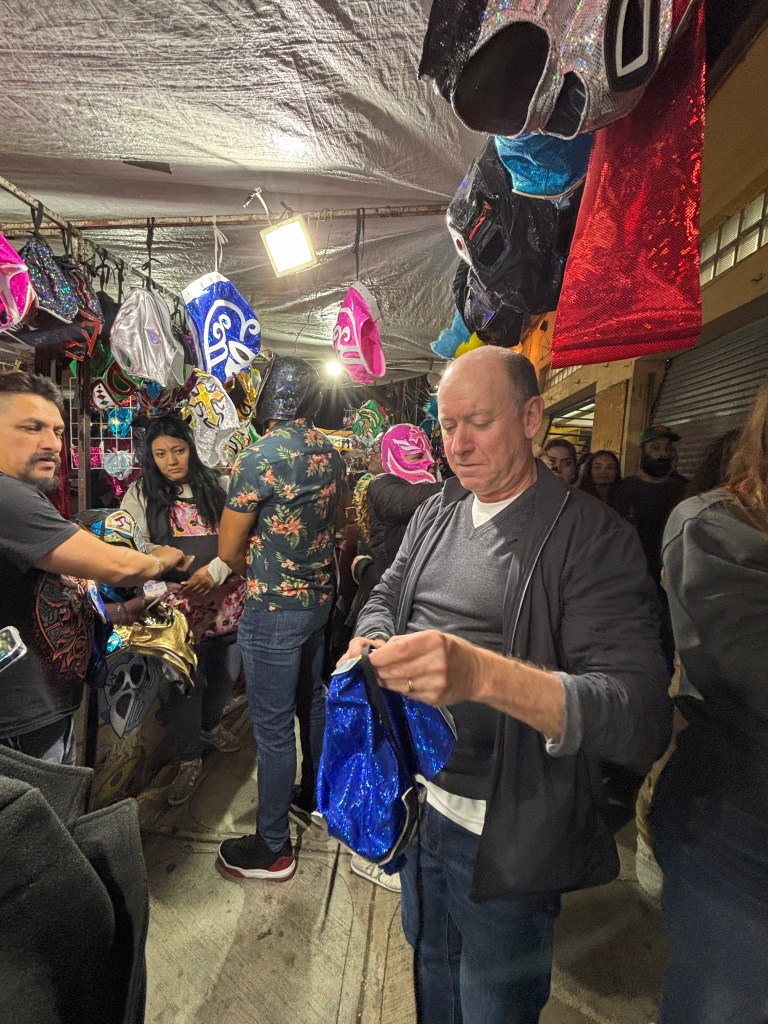
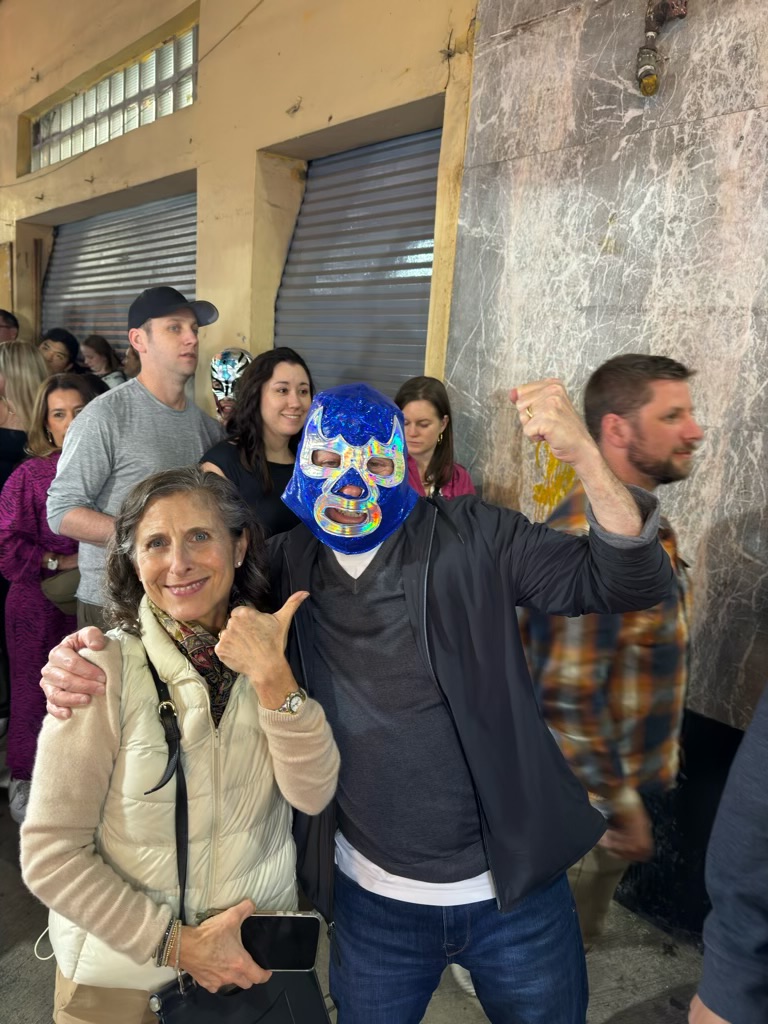
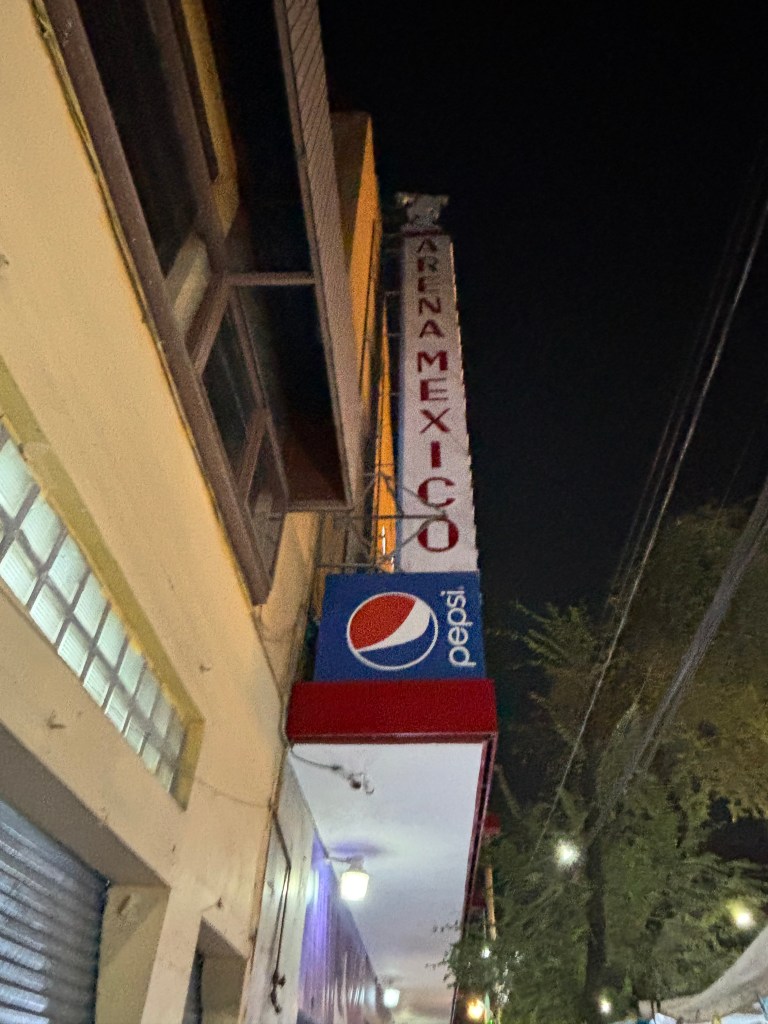
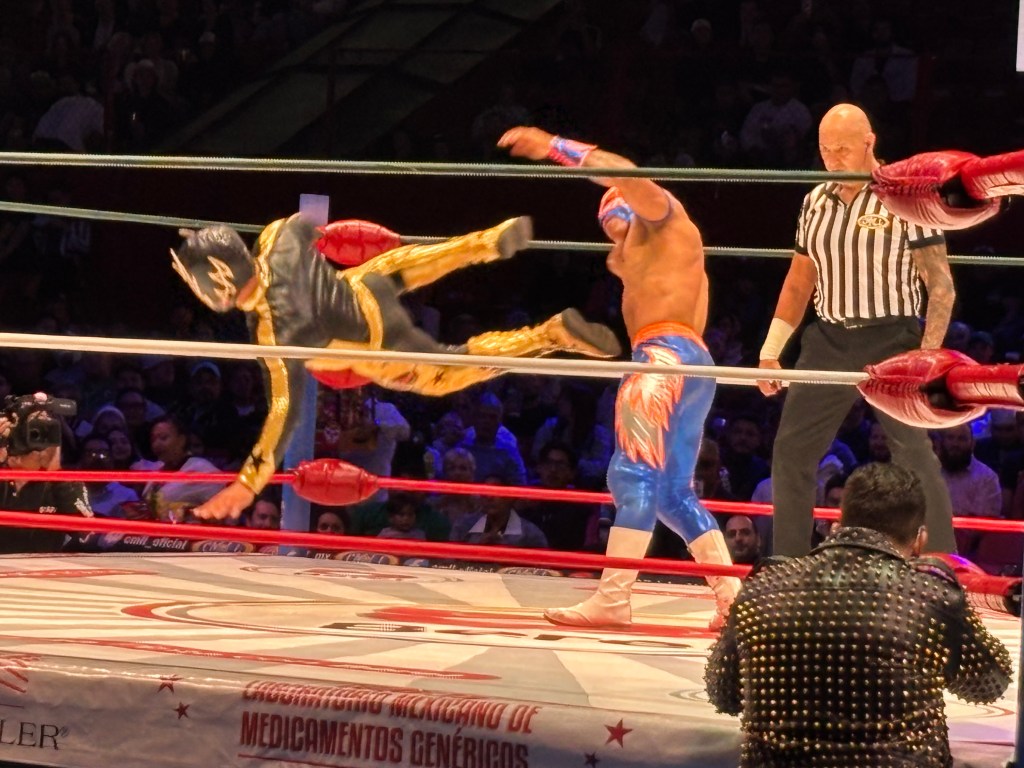
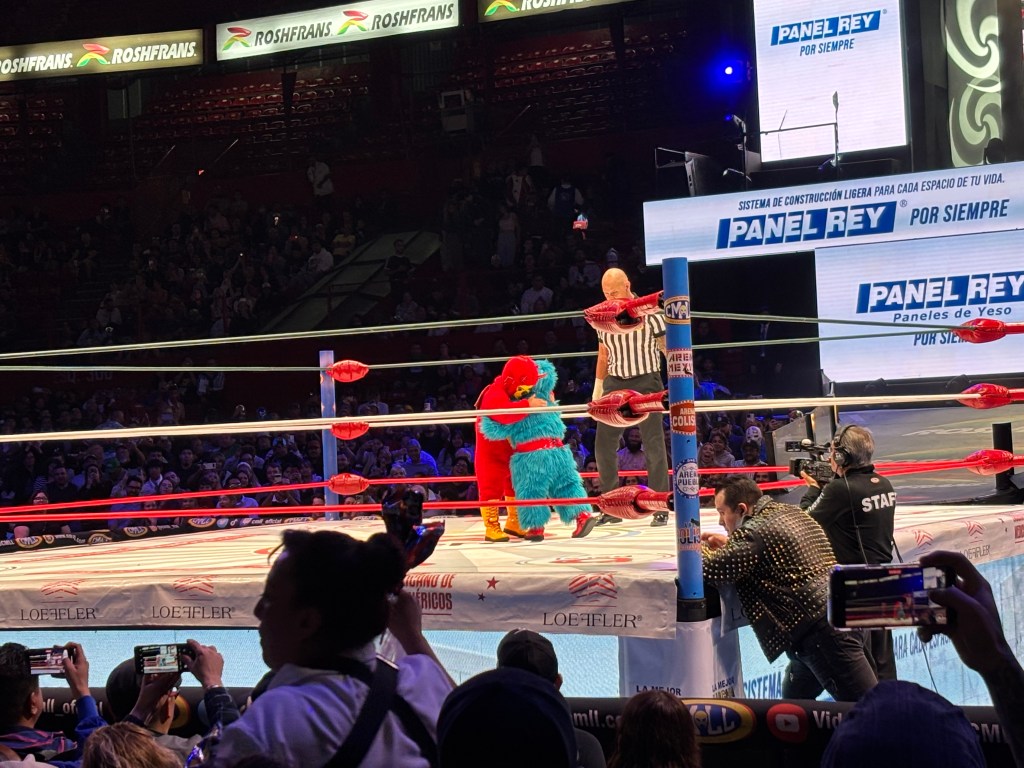
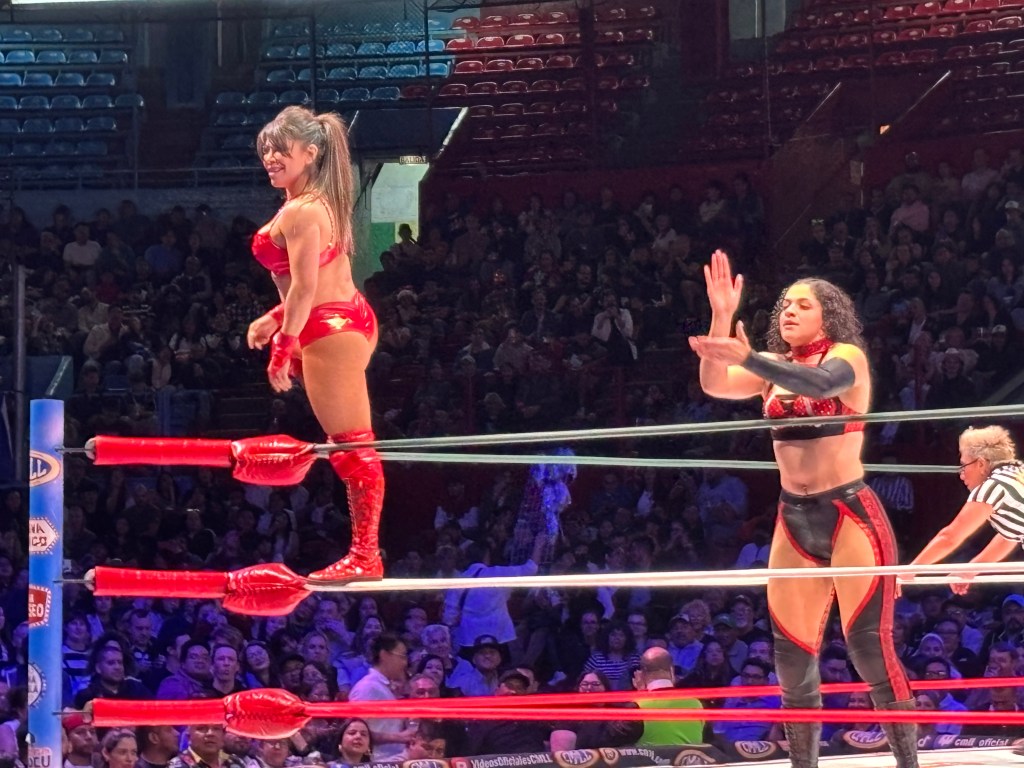

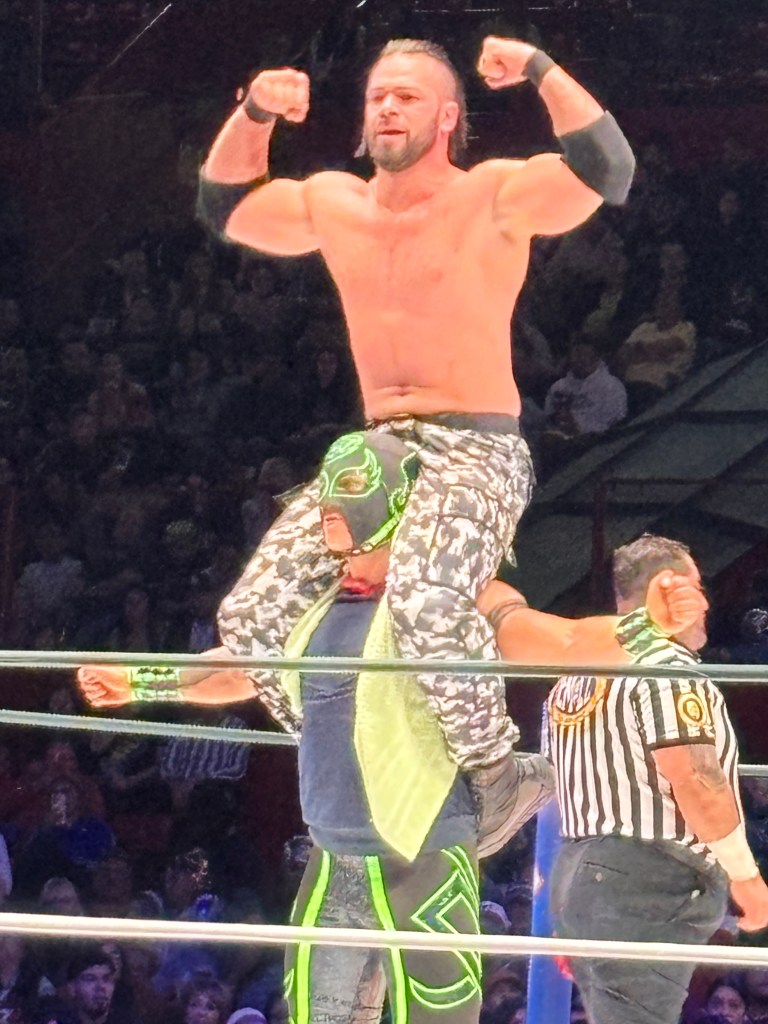
Outside the arena, team masks are sold and many audience members were in costume to root for the “faces” (the good guys) or the “heels” (not so good). The question is, are these matches fixed or “worked” or not? Maybe a little bit of both. The traditions of Lucha Libre go back to the days of carnivals and vaudeville. The competitors interact with the audience and their tactics are brutal and high-flying, using the ring’s ropes to hurl their bodies towards their opponents. The matches we saw were crazy with three-on-three, midget wrestling in full costume, teams of women and an actual championship round with an American named Flip Gordon who won his match against Villano III Jr. to win the CMLL (Consejo Mundial de Lucha Libre) World Historic Middleweight Title. Feel free to search for a good look at this match on the internet. Check that box – as much as this is a Friday night family tradition in Mexico, our group of five definitely checked the box and do not have to have a Lucha Libre repeat experience.
And that is Joanie and Andy’s week two (minus two days for Andy in Miami) in CDMX.
Que tengas un dia maravilloso.
 The Innocents Abroad, 21st Century Version