Cooking and Oaxaca 12/3 – 12/16
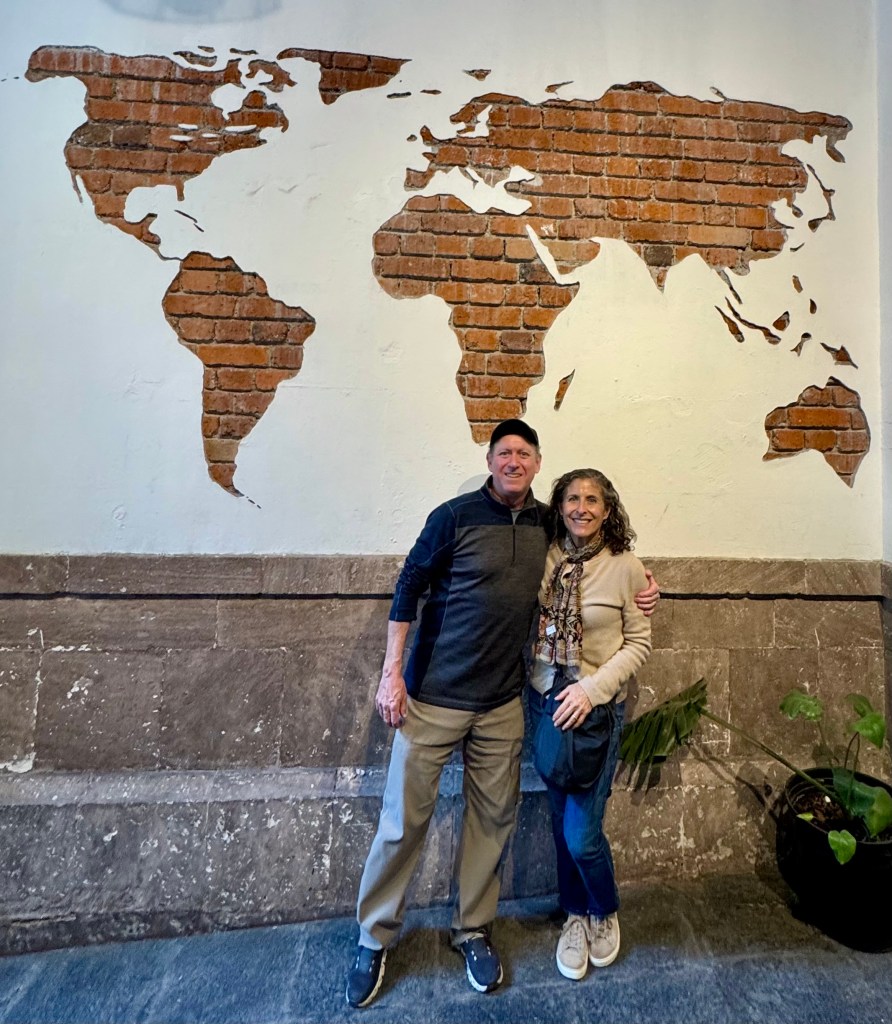
This week I listened to a New York Times podcast called The Interview. Host Lulu Garcia-Navarro’s guest was travel writer Rick Steves whose forthcoming book On the Hippie Trail, arrives February 2025. I am no Rick Steves but I appreciated some of his comments about travel, comments I would not have related to before Andy and I embarked on our living abroad. The theme of the article is both positive and negative: positive in the “transformative power of travel” and negative regarding “social media’s corrosive effect on tourism.” Steves mentions the three kinds of travel: as a tourist, a traveler or a pilgrim. We are travelers, living in one place for enough time to immerse, meet people, sample the culture and attempt to understand complicated histories in a way that a “tourist” does not have time to do. And, while I am writing this diary of our experiences, I am not doing things just to post on social media, something Steves criticizes as superficial.
One can listen to or read the Rick Steves interview: https://www.nytimes.com/audio/app/2024/12/14/magazine/rick-steves-interview.html?referringSource=sharing
COOKING CLASS 😋
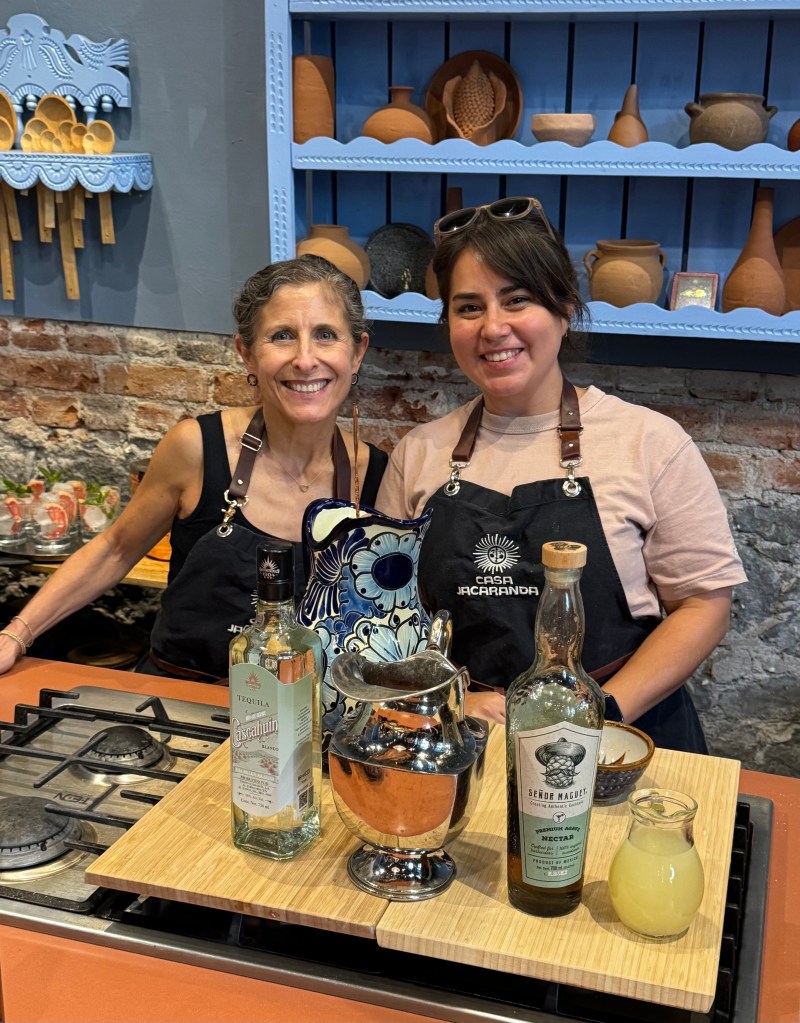
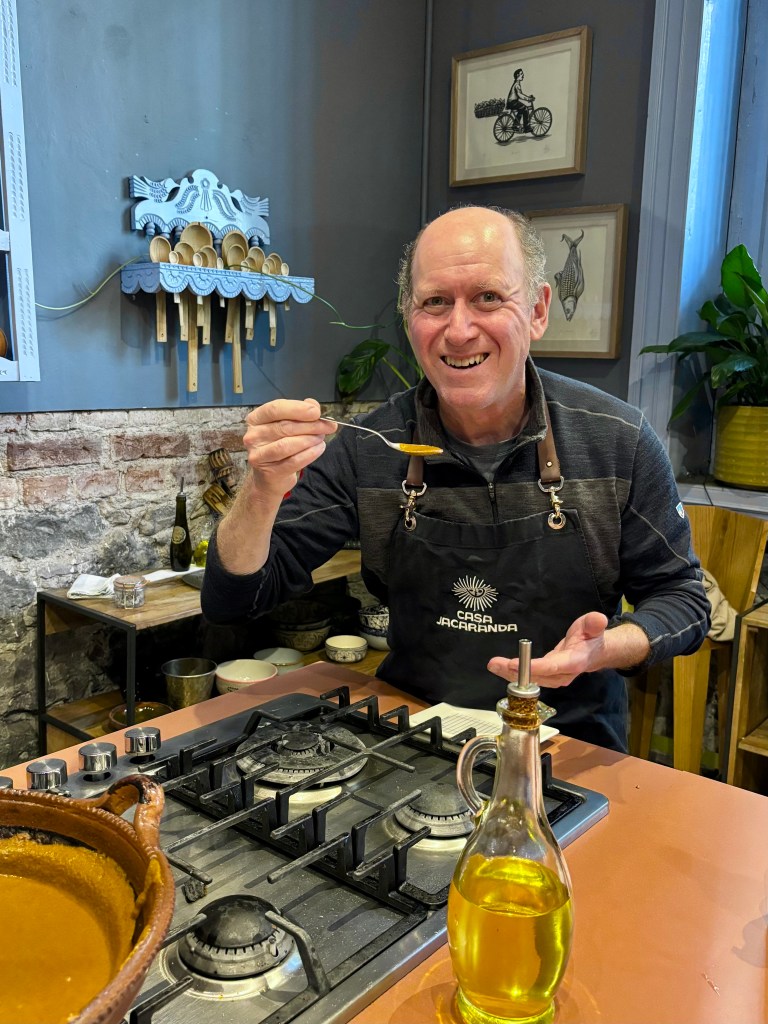
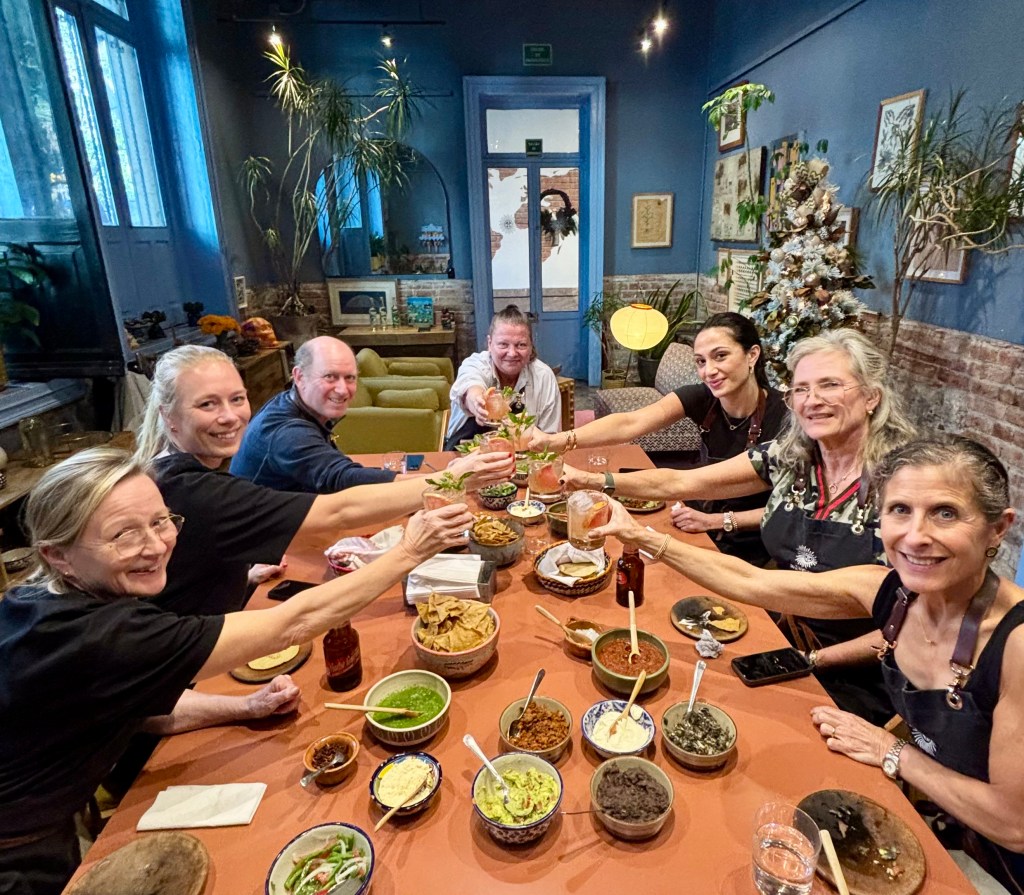
I cannot think of a better way to immerse in a culture than to visit a local mercado with a chef who then teaches us how to prepare a delicious Mexican meal. That’s just what we did with Ana from Casa Jacaranda. A big thank you to Janet who made this happen for us. Our group included five Americans and two Swedes, all fun to meet and share in the experience.
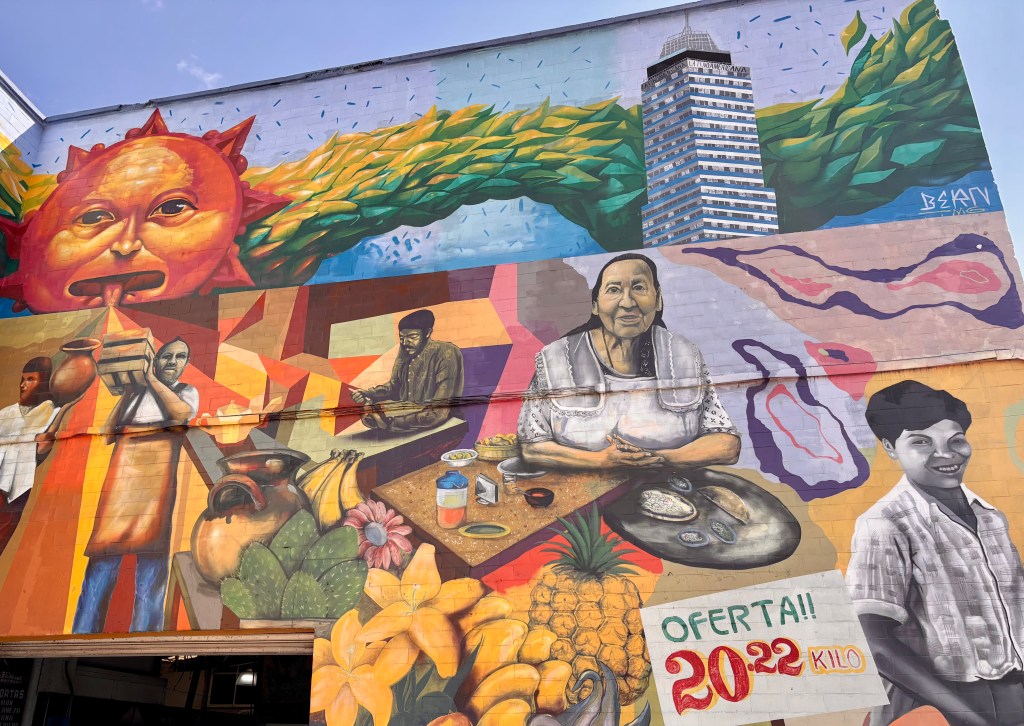
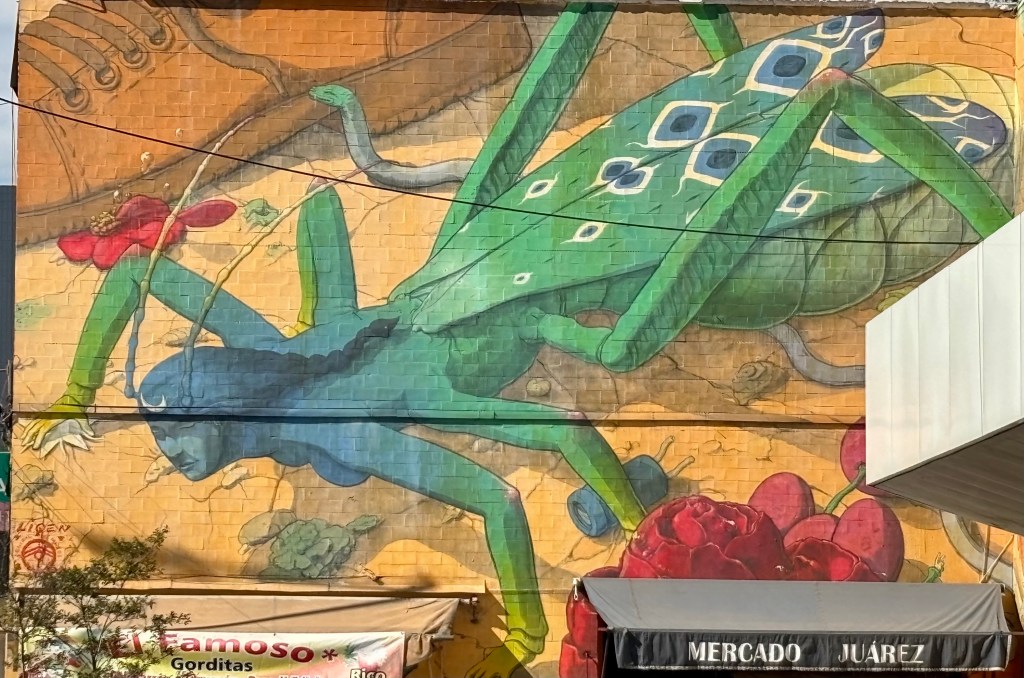
Ana introduced us to important features of Mexican cuisine at the Mercado Juarez. We learned that Traditional Mexican cuisine was recognized by UNESCO as an Intangible Cultural Heritage of Humanity in 2010, the first to be recognized as such. The introduction to Casa Jacaranda day was, you guessed it, another tasting tour!
At the market, Ana gave us a tutorial on chiles. Interestingly, chiles were not native to the area but over generations and thanks to birds and their migrations, chiles ended up in the region. The smaller the chile, the spicier: arbol (small and spicy) to guajillo (largest and flavorful, but not too spicy). The chile, before it is dried, has a different name than its dried version: a serrano pepper becomes morita when dried; poblano becomes ancho. After chiles, we learned about how tribal cultures became sedentary as corn became cultivated and domesticated. A system developed whereas beans were planted with corn; squash provided shade and helped soil retain moisture; chiles, planted at the border kept the animals out and quelites, many flavorful herbs followed.
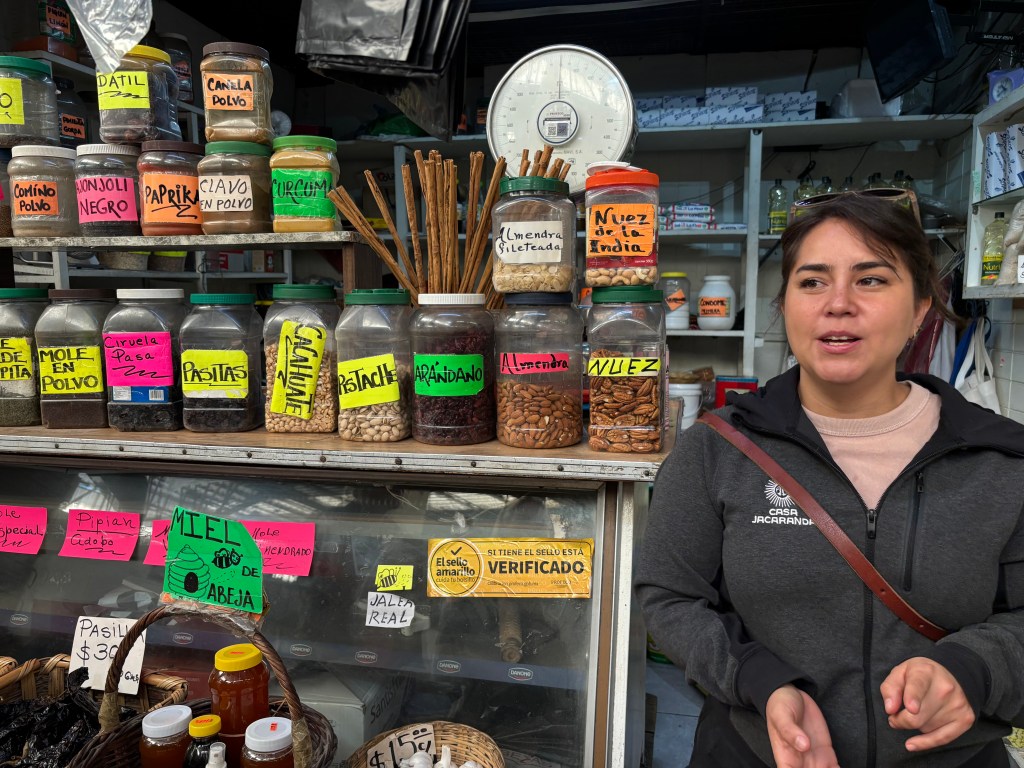
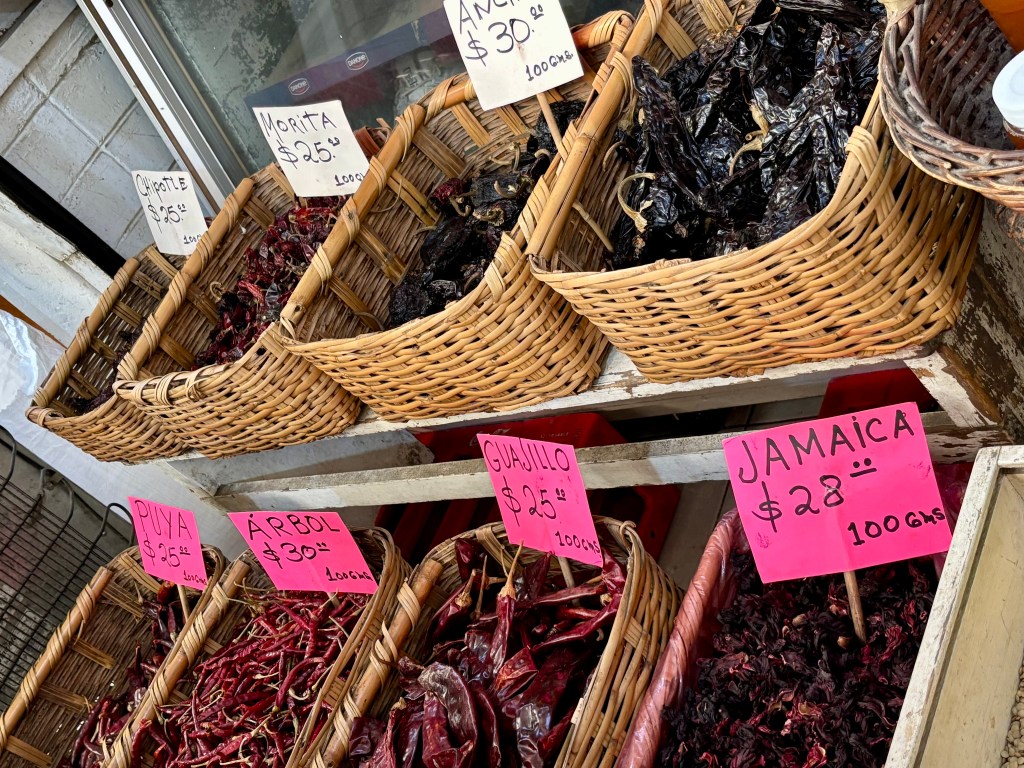
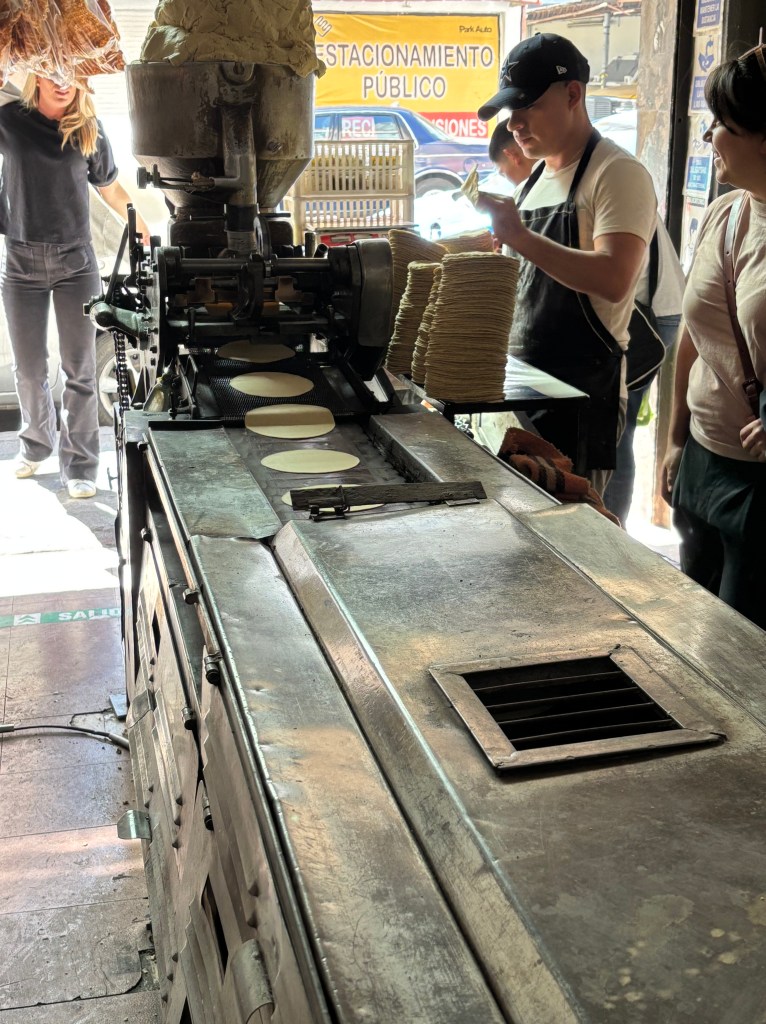
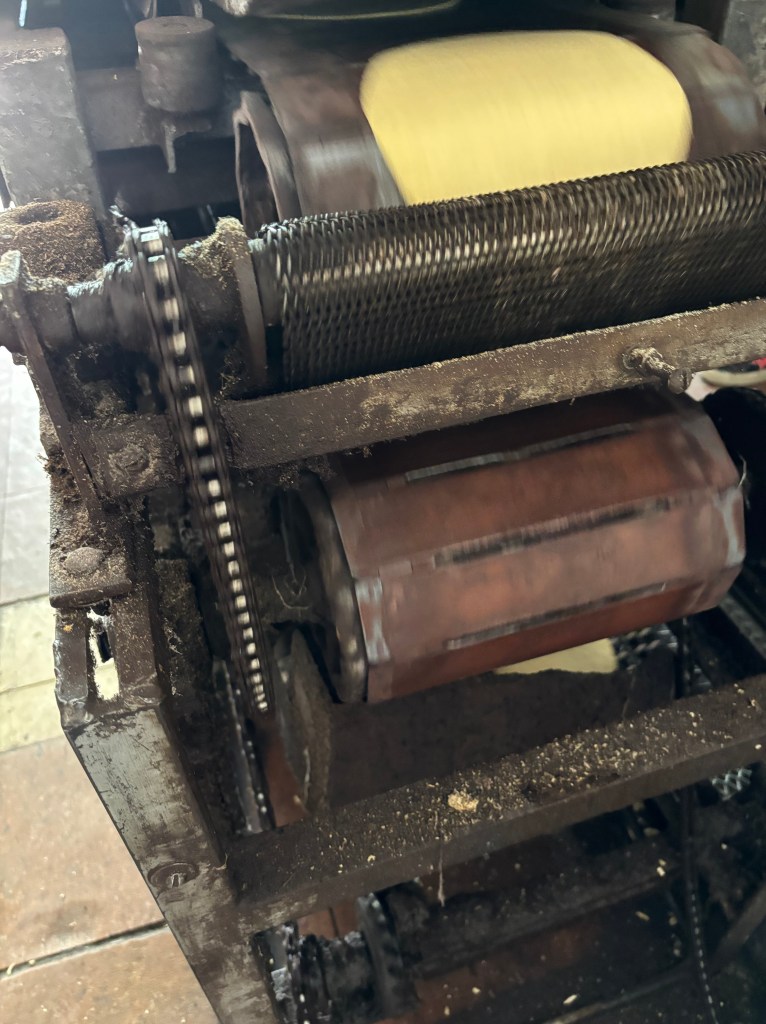
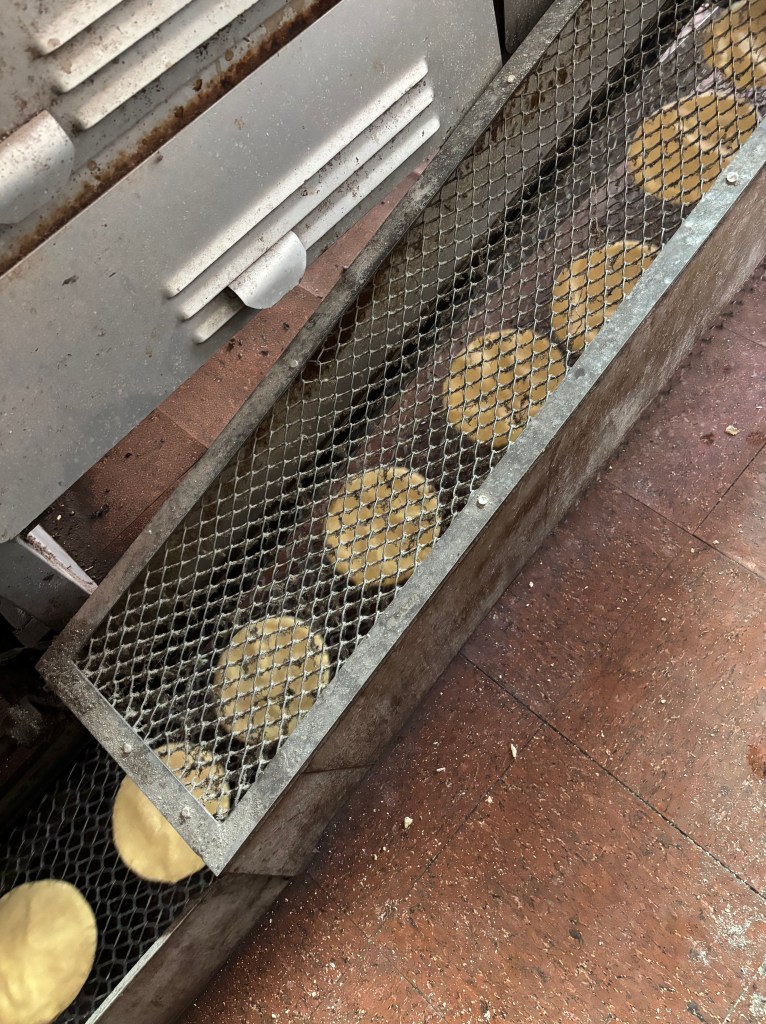
We tasted amaranth, a healthy Mexican grain and local cheeses in the market. After that, we observed the commercial production of tortillas.
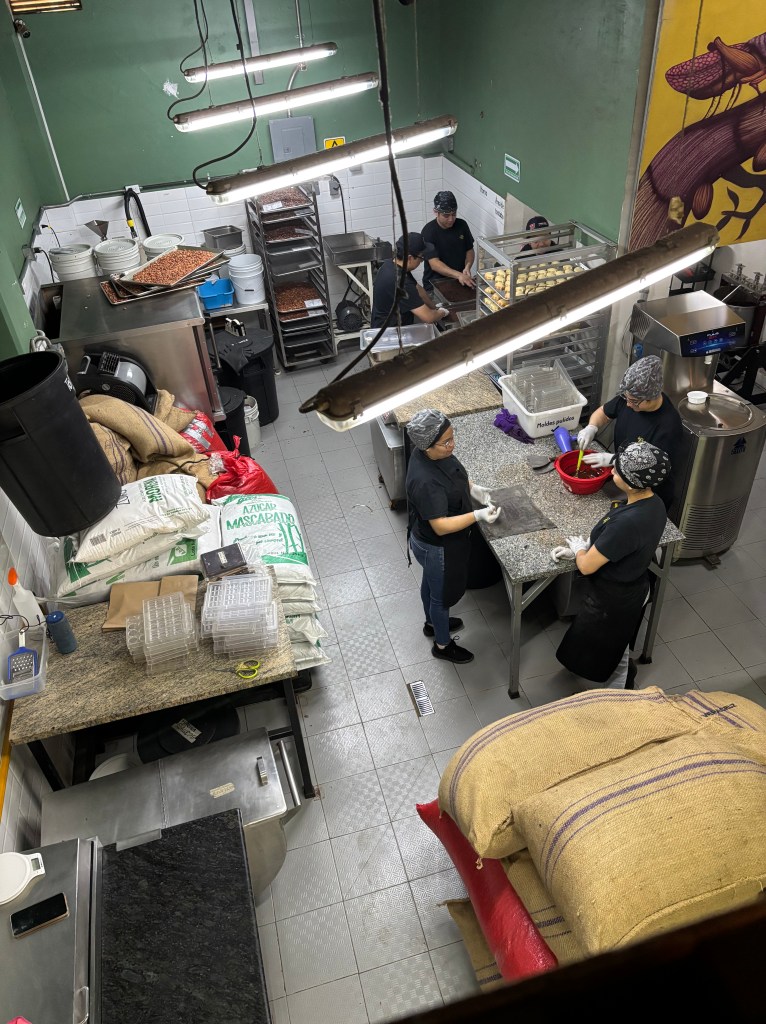
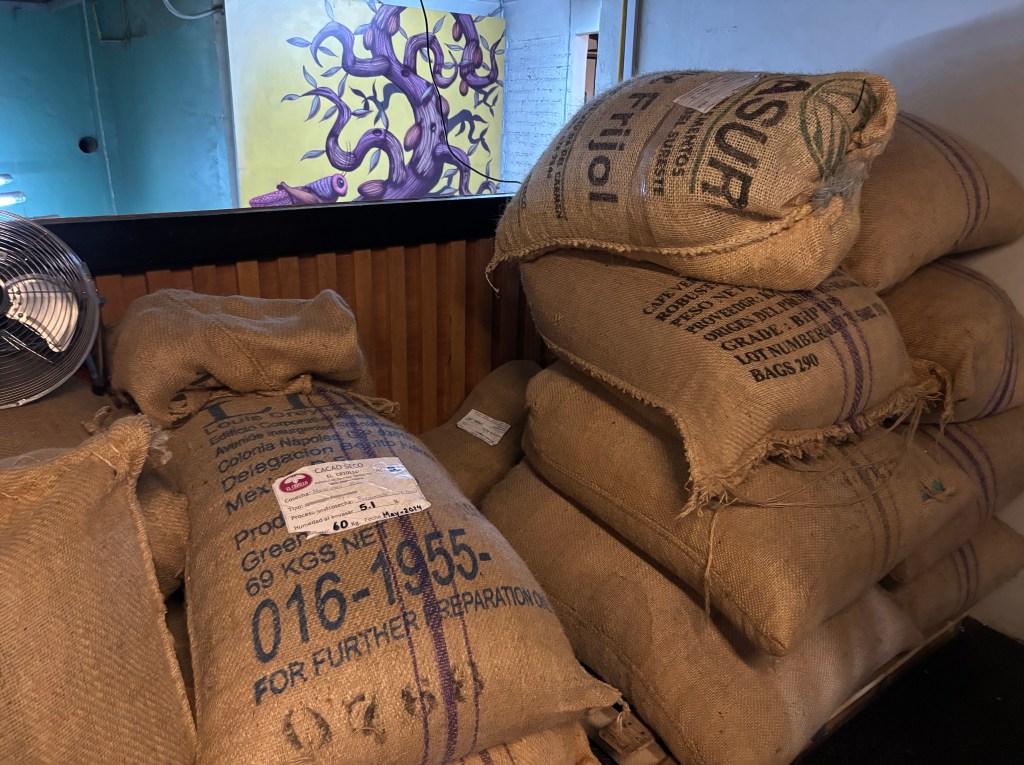
We also visited a chocolate shop for a chocolate overview. Cacao originally came from the Amazon region of South America. Its value was recognized immediately as it was the first form of money as early as the 7th century in Mesoamerica. We enjoyed drinking elixirs and tasting solid chocolates, from various places with different tastes. Who knew there are different methods of preparation: fermentation and washing? They are all delicious.
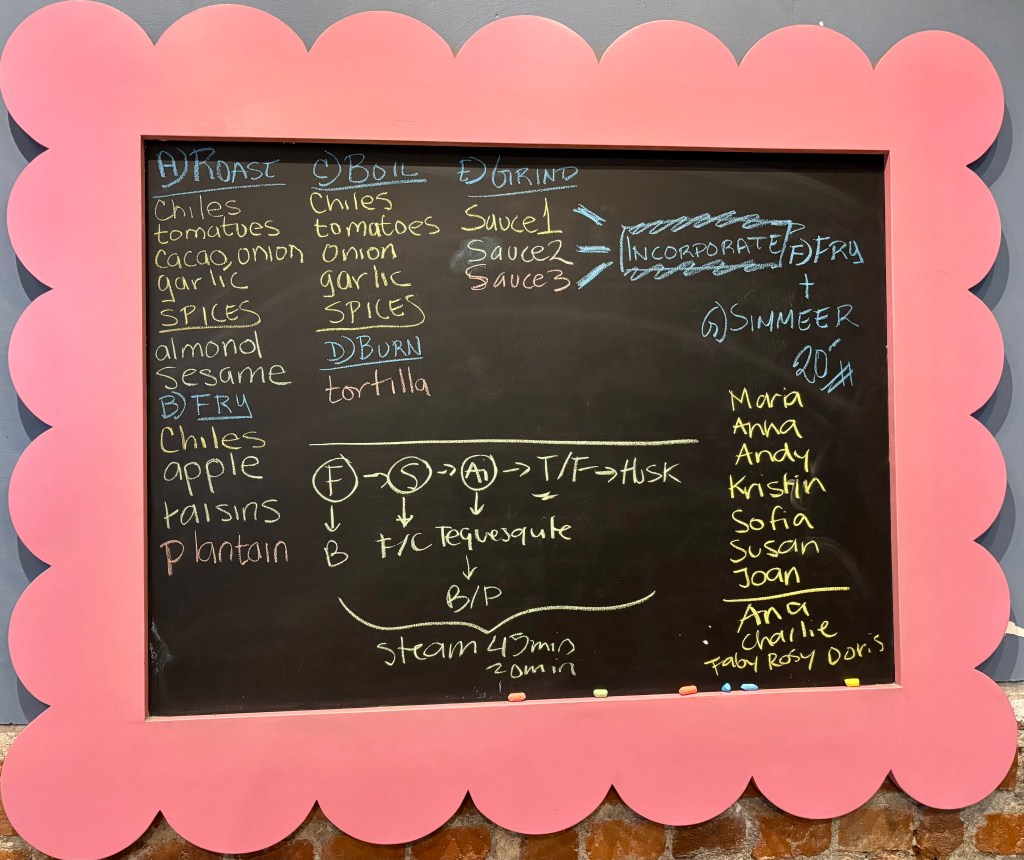
At the Casa, we made tamales, three kinds of salsas, tortillas and mole. The mole was the most complex; we made three different sauces which eventually combined to achieve mole perfection. It was served over chicken and was the highlight of our feast. I would be happy to share recipes!
Weekend in Oaxaca 12/6-12/8
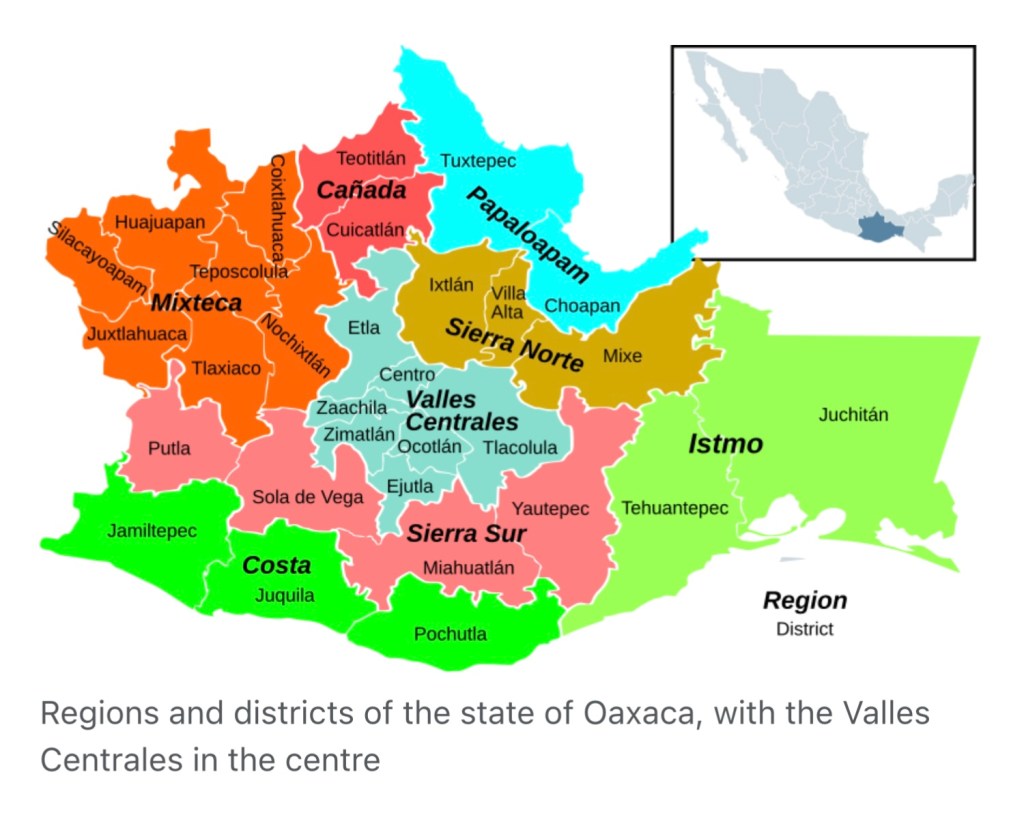
Oaxaca is the capital and largest city in Mexico’s state of Oaxaca. See map of Central Valley, where the city is located. It was an hour’s flight from Mexico City and one of the most memorable parts of our travels. We loved the history and the beauty of this festive city and of course, the cuisine. It is just a very happy place and so colorful. Oaxaca and the famous archaeological site nearby, Monte Albán, are UNESCO World Heritage Sites. Its important heritage comes from the Zapotec civilization which flourished in Mesoamerica. Here are some highlights of our weekend.
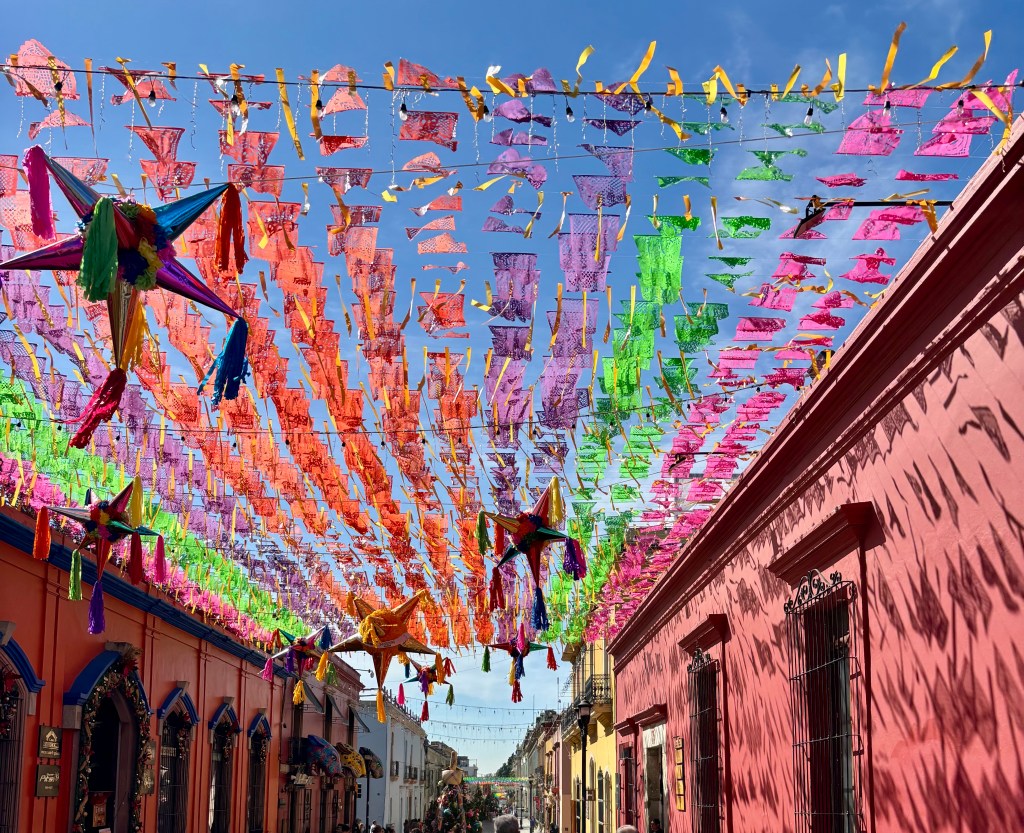
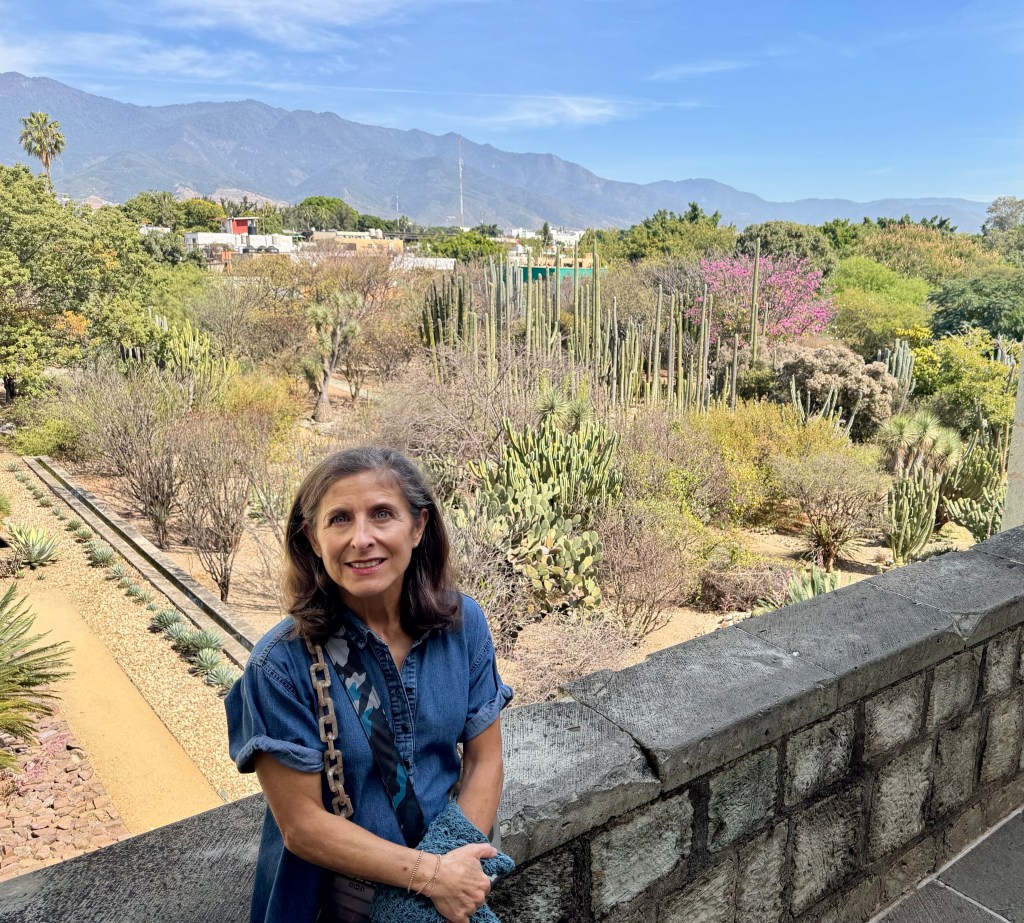
Ethno BotanicalGarden view from Museo de las Culturas
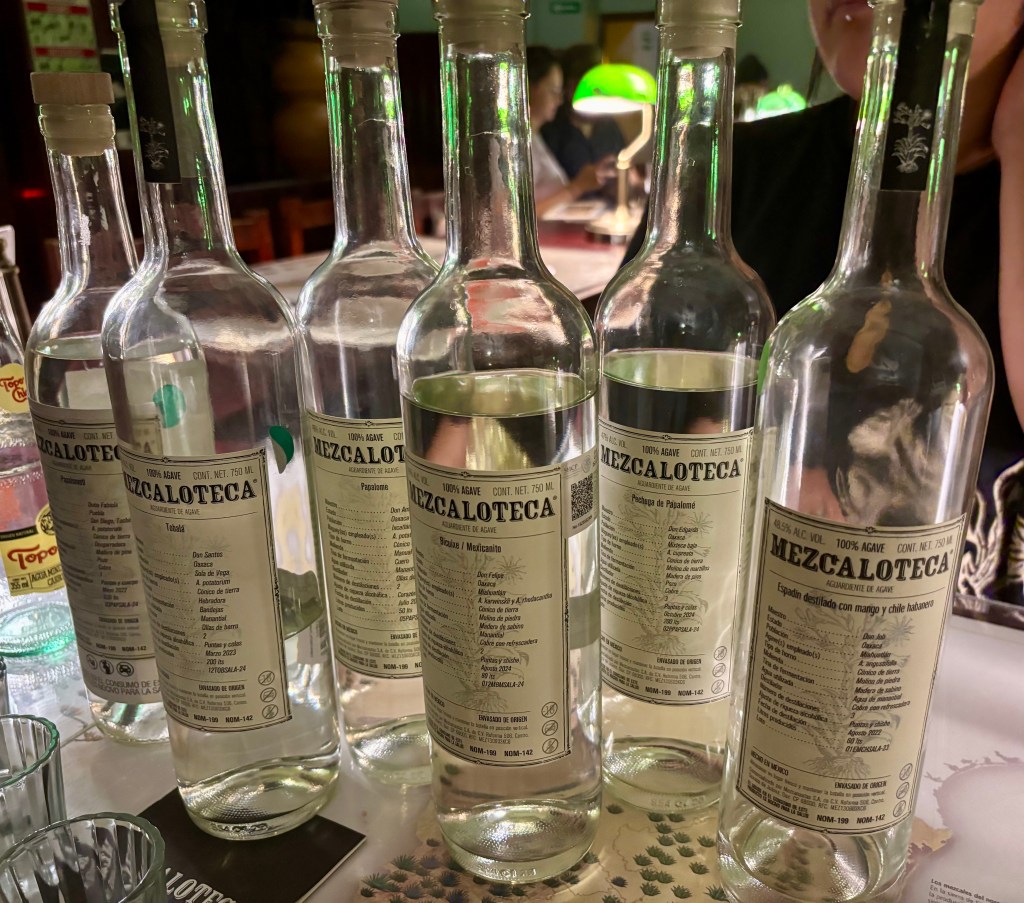
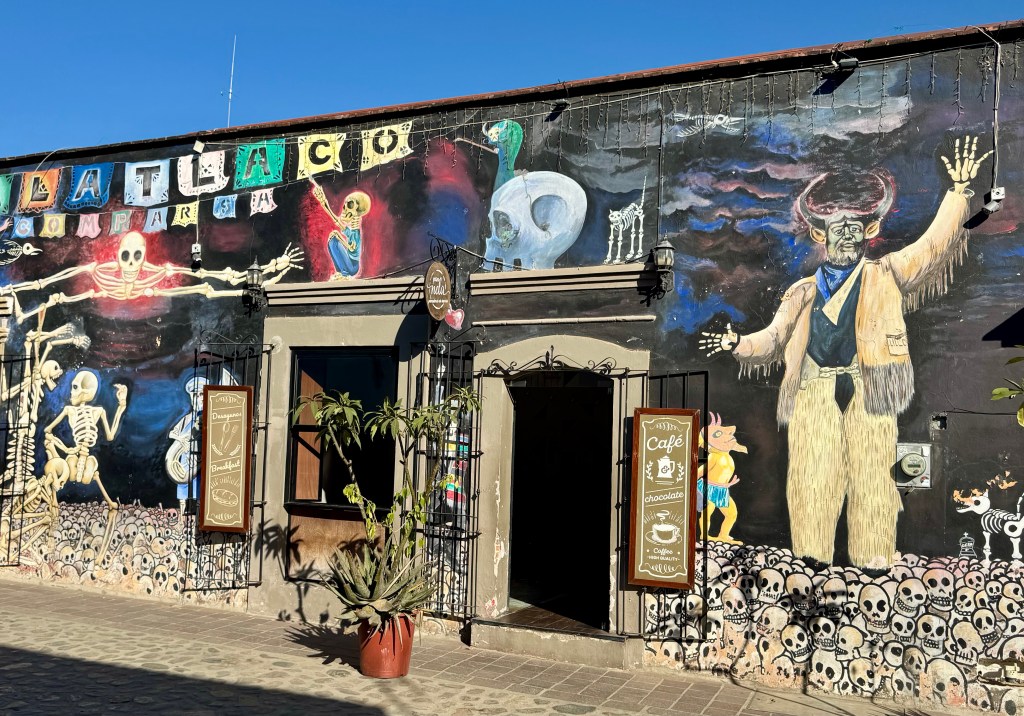
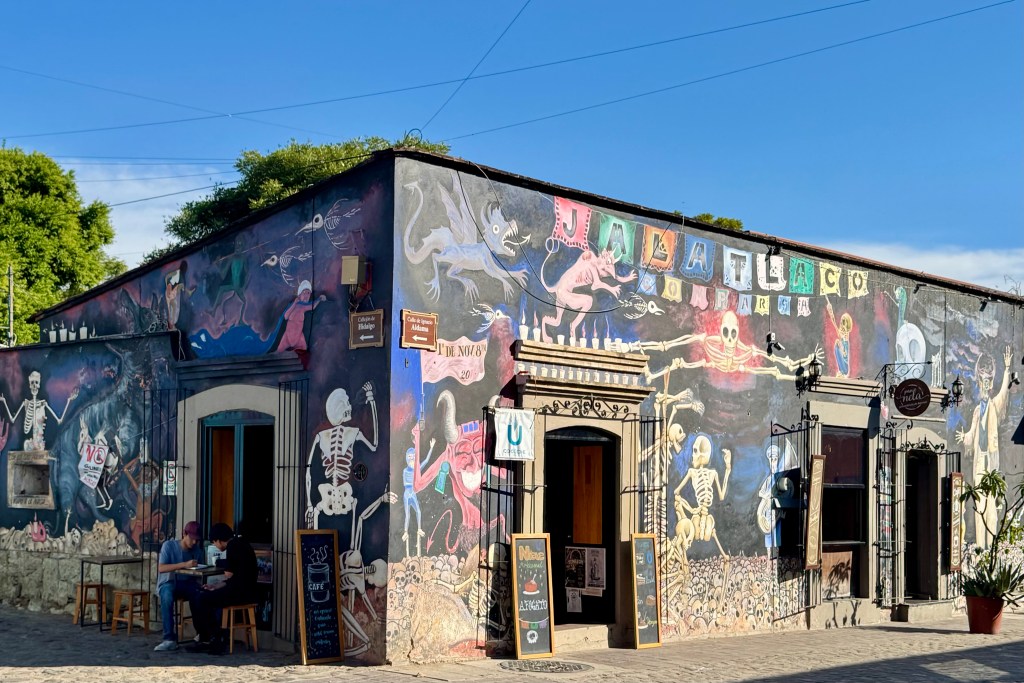
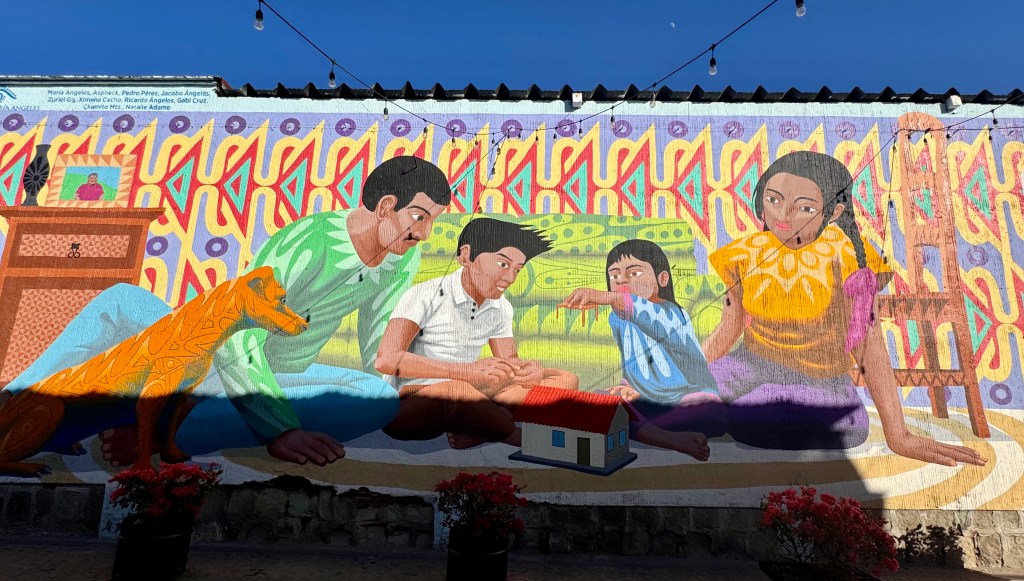
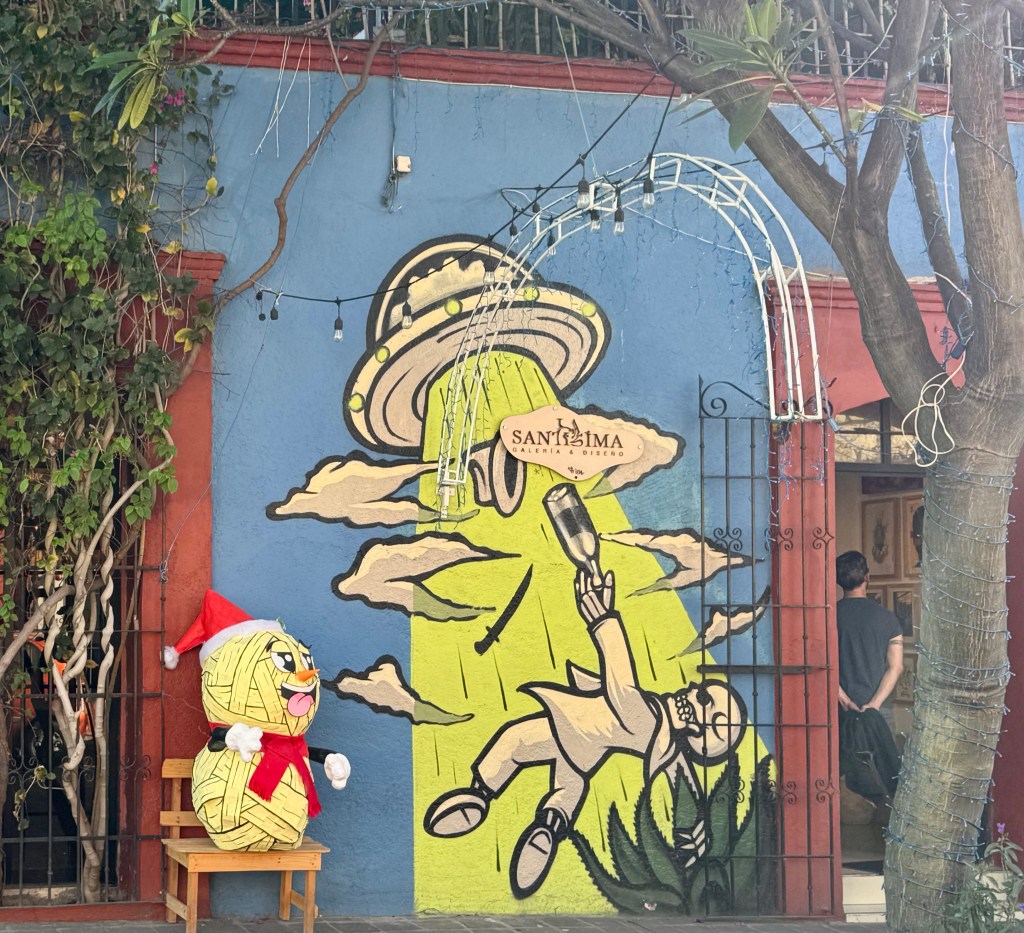
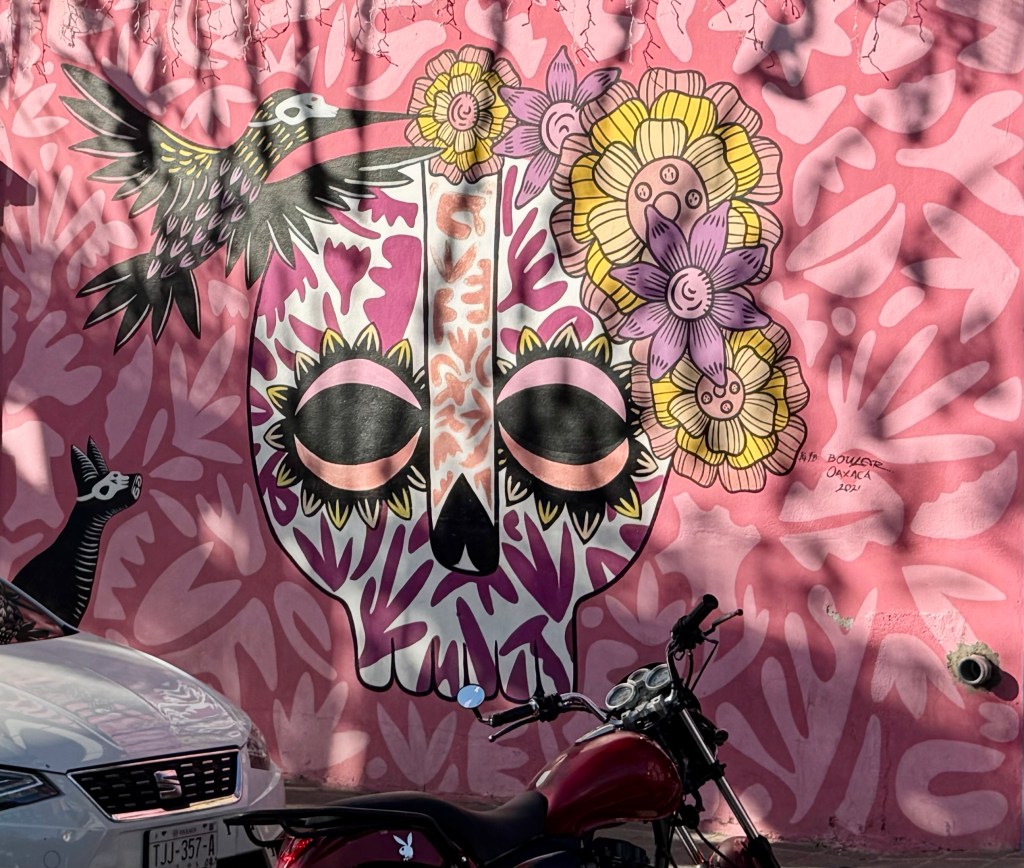
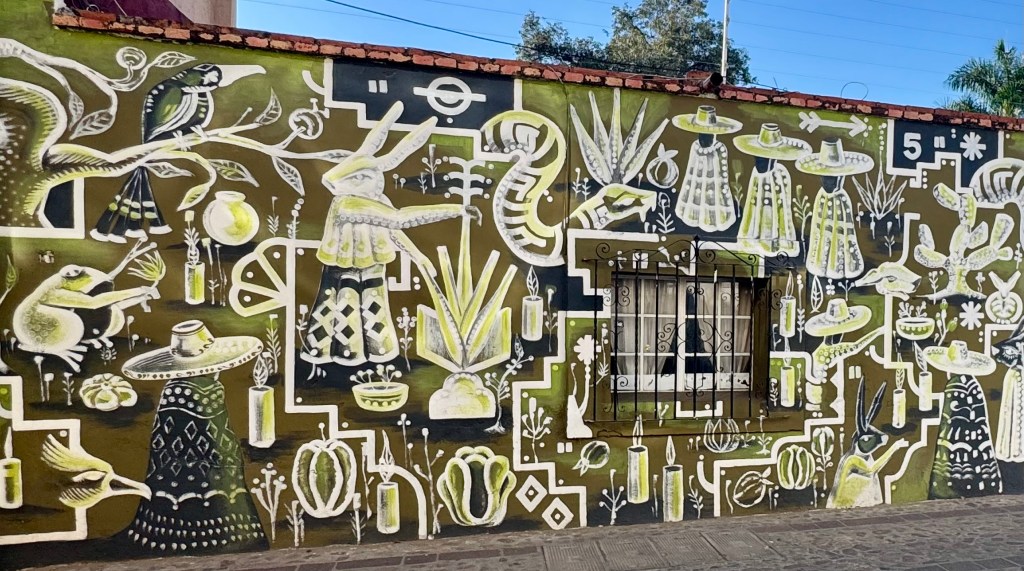
We stayed at the quaint Hotel Los Pilares which was in the Jalatlaco neighborhood, famous for its mural art. We were a short walk from the center of everything which is lively both day and night. Our first order of “business” was the mezcal-tasting at Mezcaloteca. Andy had reserved a tasting and we sipped a few varieties. This was all about mezcal; there were no salty snacks at the bar, just many varieties of mezcal from all over Mexico. My sips were infused with flavors to sweeten or enhance; I sampled two. Andy’s samples were straight-up (a few more sips than I). Mezcal comes from the agave plant and includes the category of tequila. But tequila, we have learned, is regulated similarly to the wines of France; it comes from the blue agave plant and must come from Jalisco region. There are many kinds of agave plants and therefore a wide variety of mezcals but the method to harvest and bury and burn the “pineapple” of the plant is a many generations old tradition, proudly still made by rural families in the region. As we learned, Mezcal can be smoky but not all mezcals are. This is just one of the activities Oaxaca is known for and it was a super tutorial and introduction to our weekend.
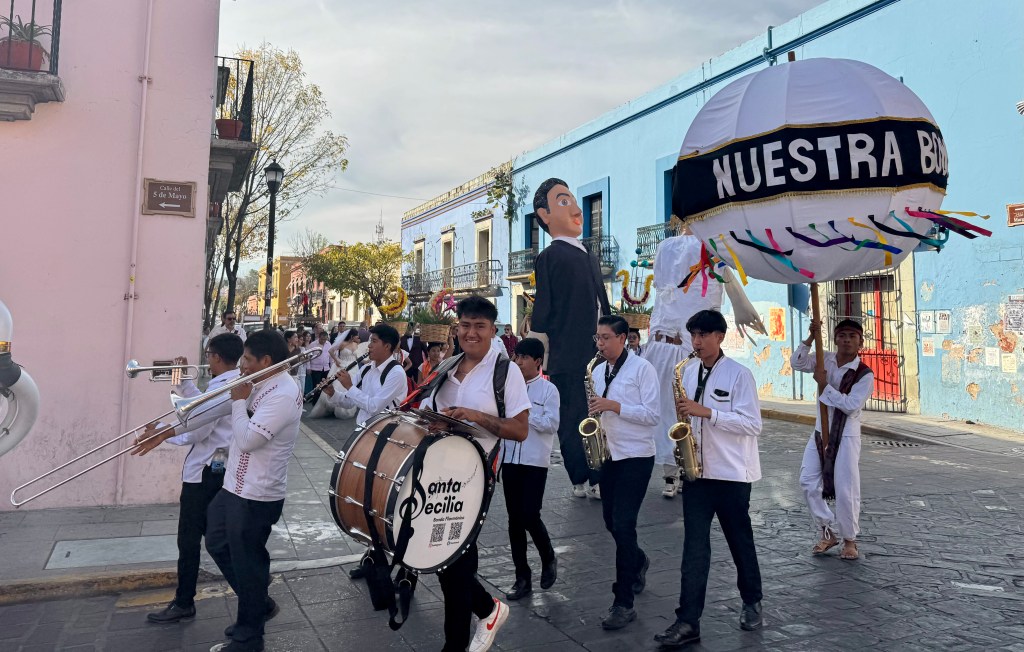
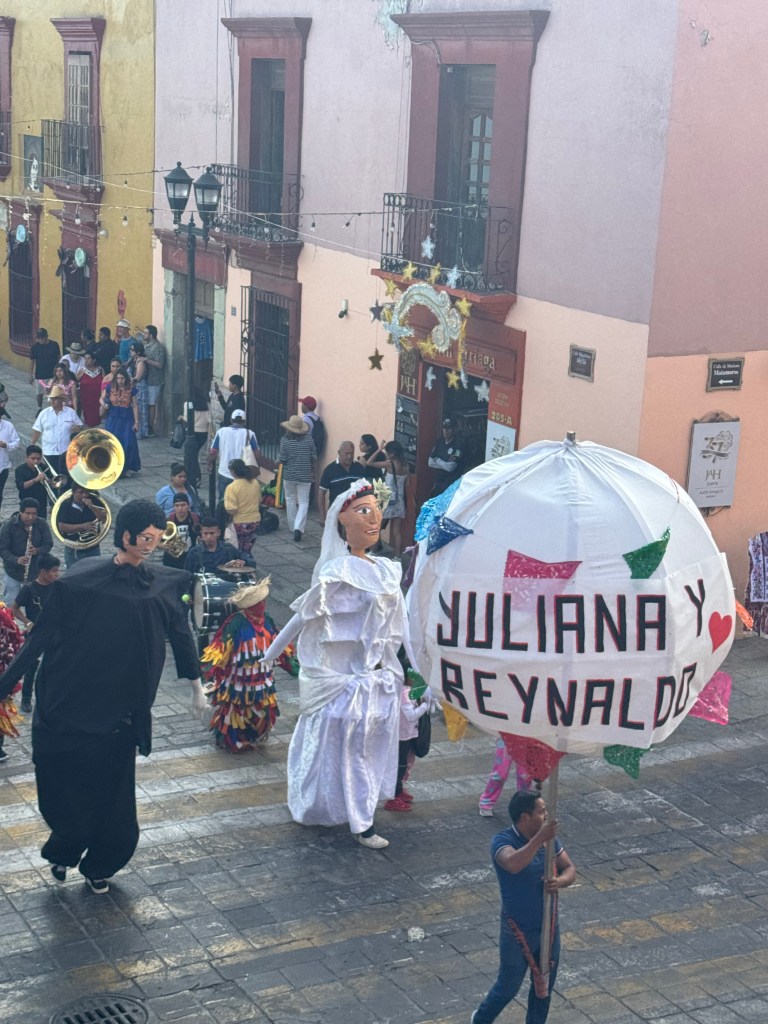
Saturday was a gorgeous day of history and wandering. While wandering, we observed quite a few quinceañera and wedding celebrations. There were churches that we could not enter because it was wedding after wedding; we kept trying and eventually snuck in as a security guard was ushering everyone else out! We joined newlyweds and their guests as they departed the churches to parade, sing and dance in the streets. The post-ceremony celebrations included papier-mâché brides and grooms and colorful piñatas, complemented with loud booms and music.
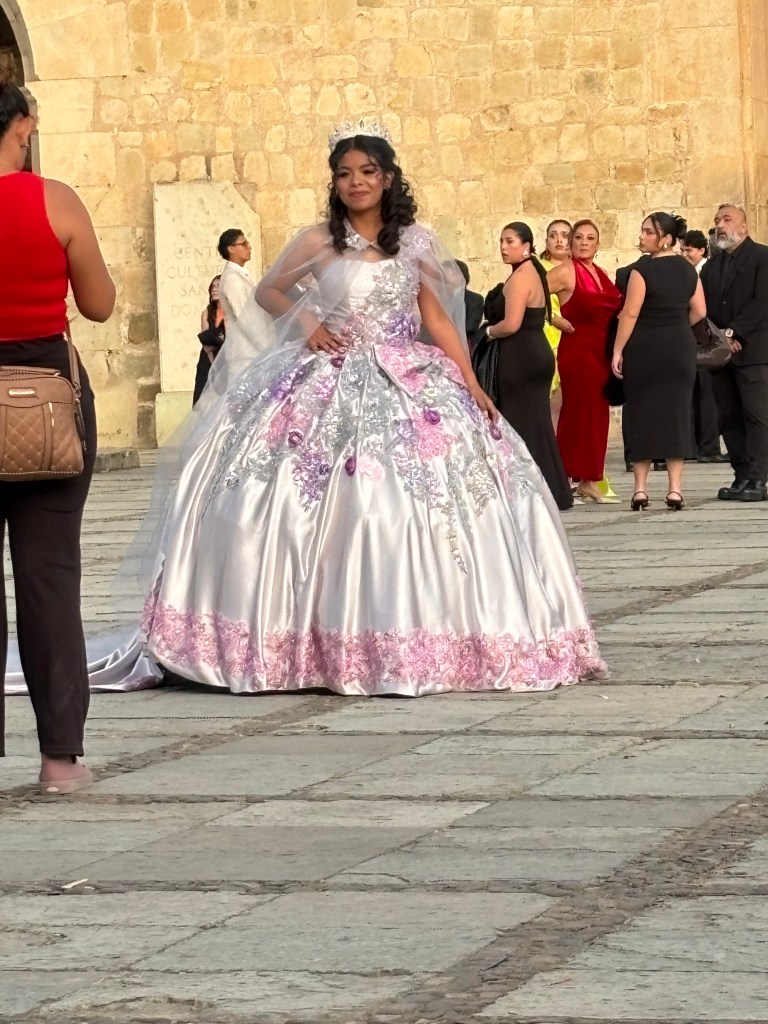
Quinceañera
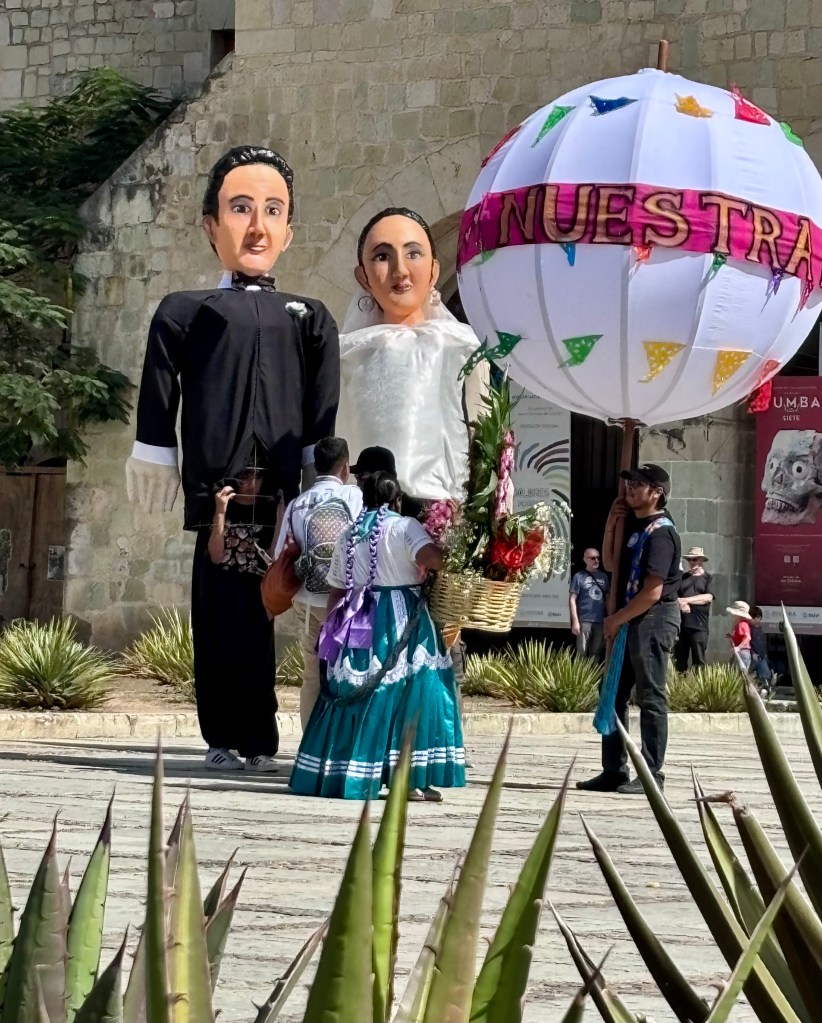
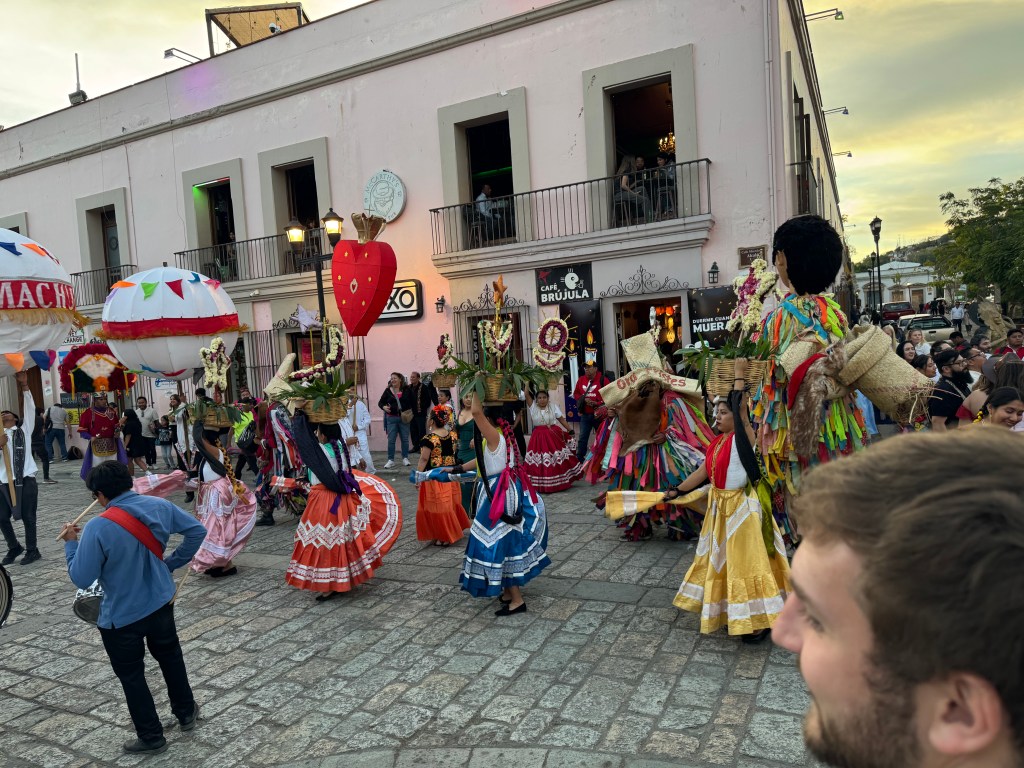
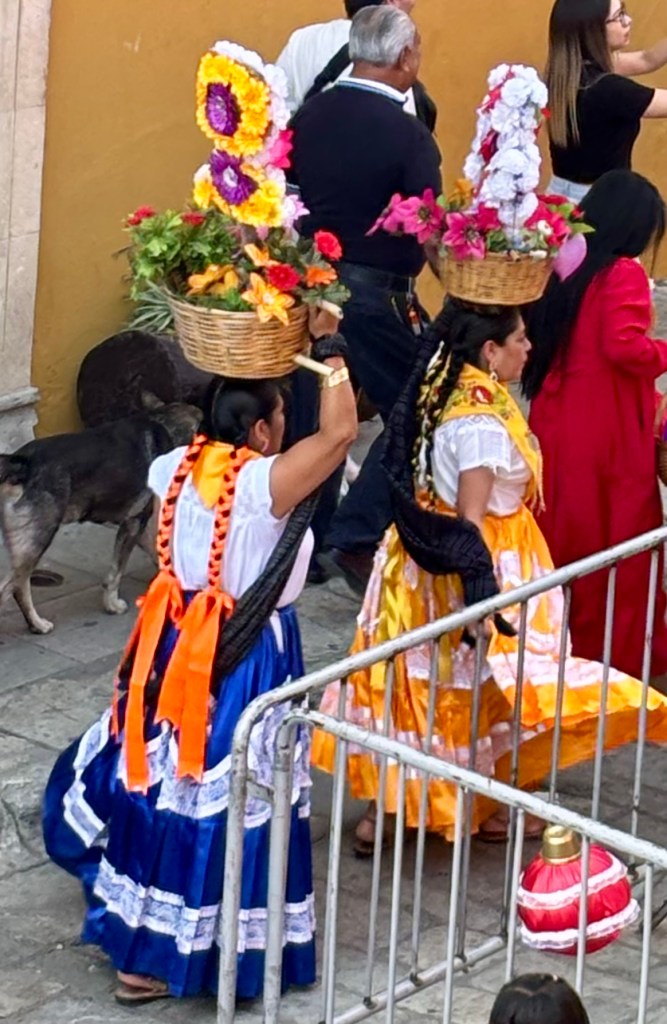
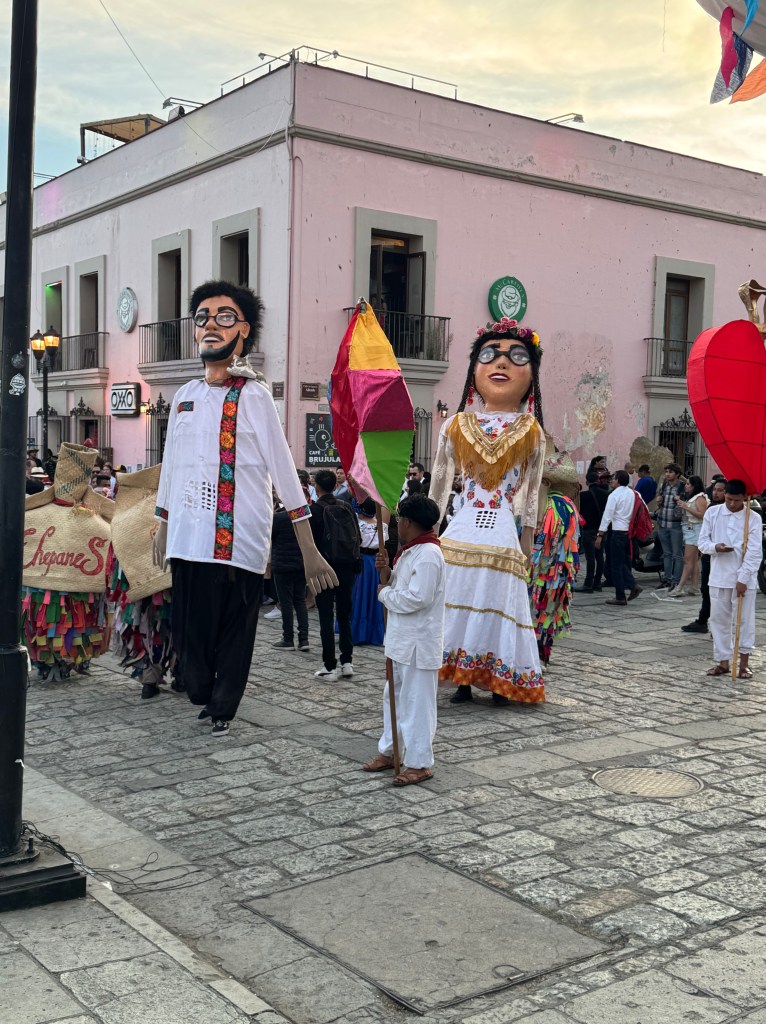
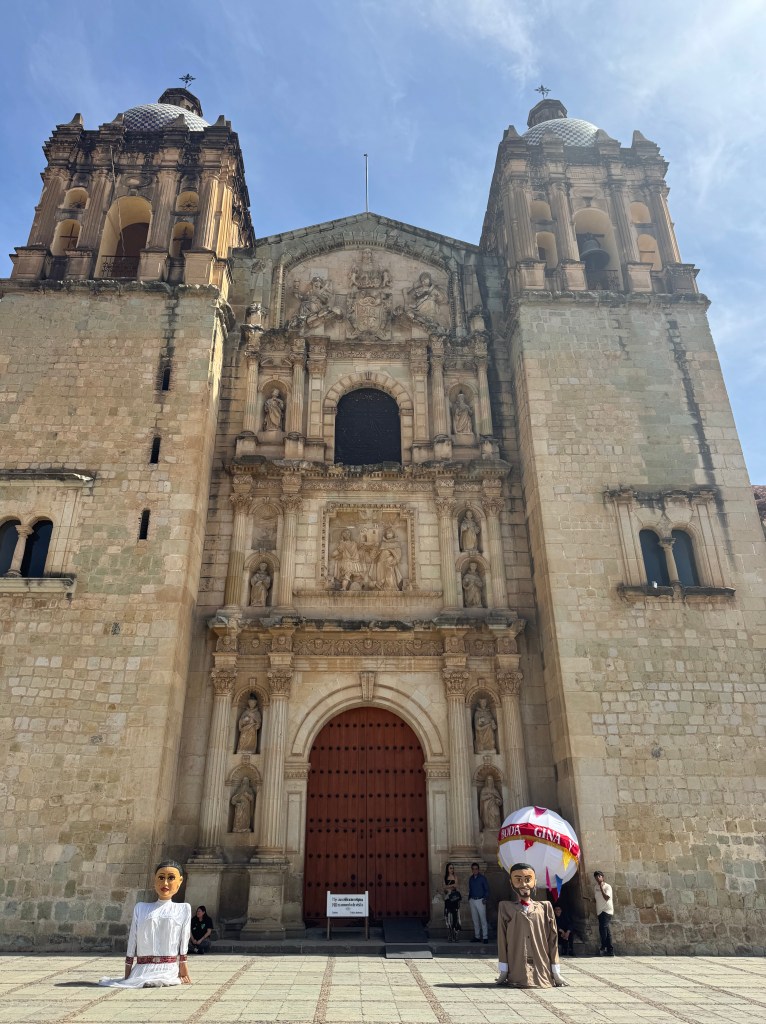
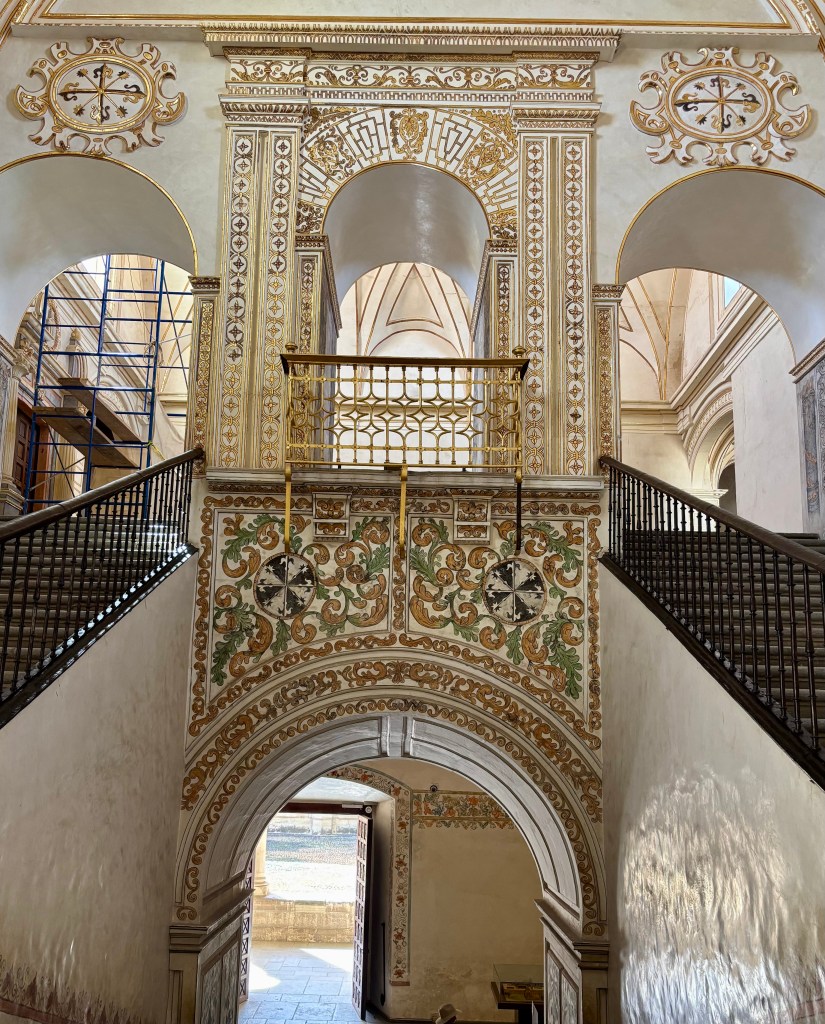
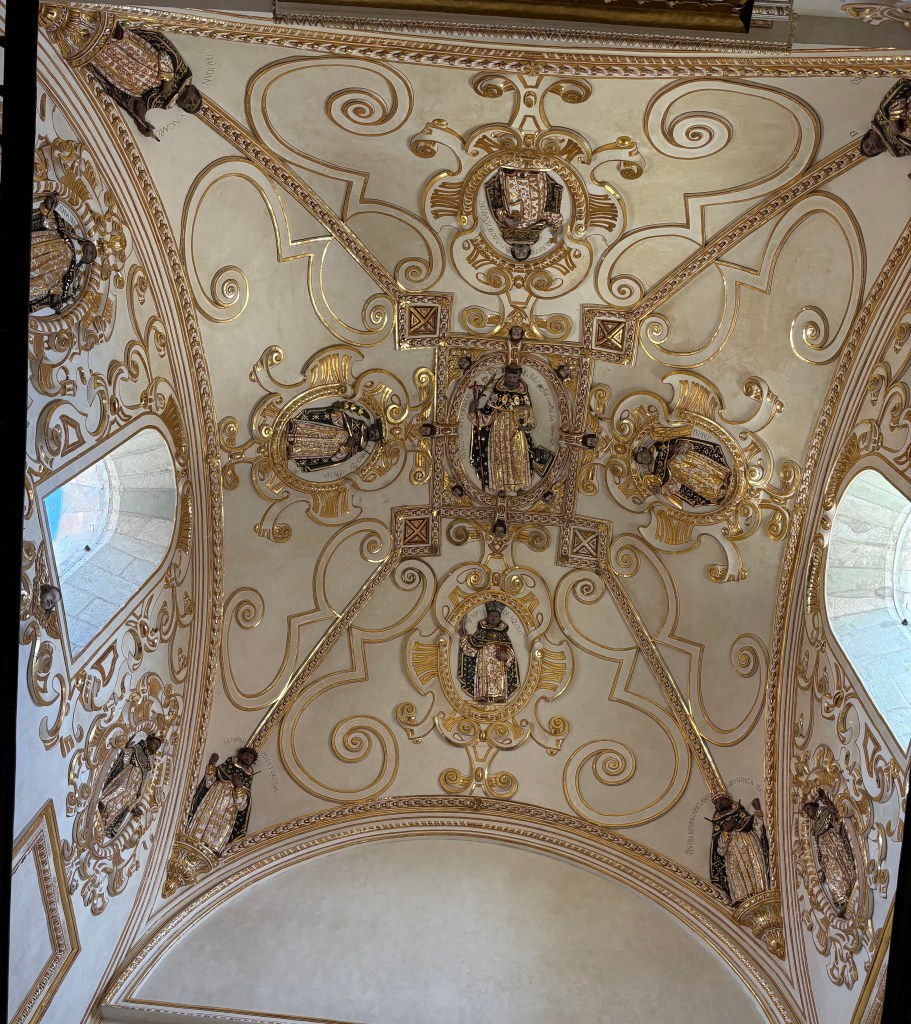
We also enjoyed our visit to the Museum of Cultures of Oaxaca, Museo de las Culturas de Oaxaca, in a former convent and adjacent to the church old Santo Domingo de Guzmán. The temporary and permanent exhibits took us through the history of the region and its art. Most interesting was the exhibit of the archaeological artifacts found in Tomb Seven at Monte Albán, discovered in 1931.
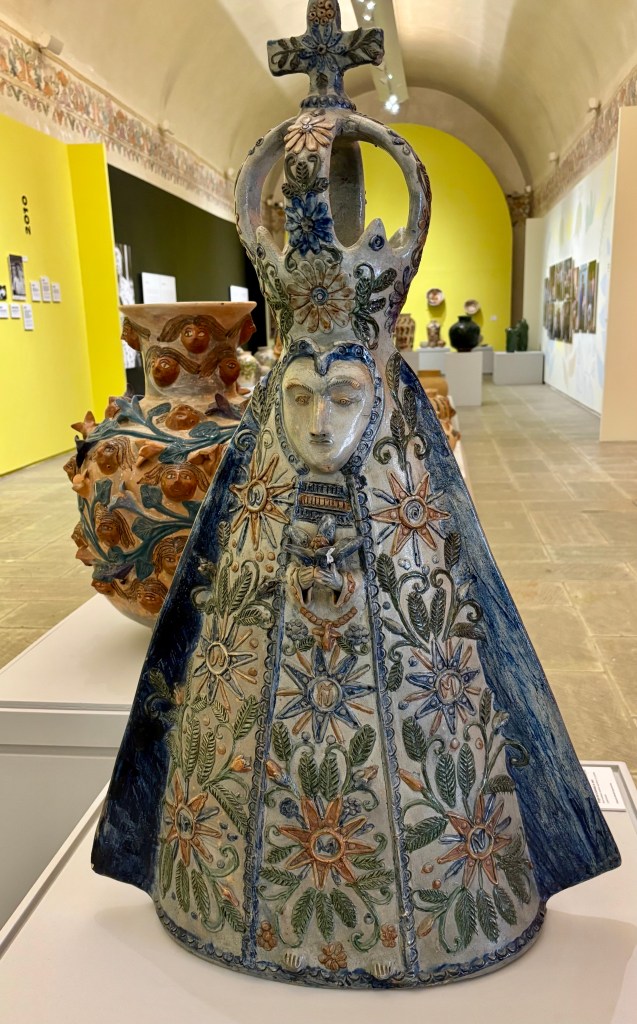
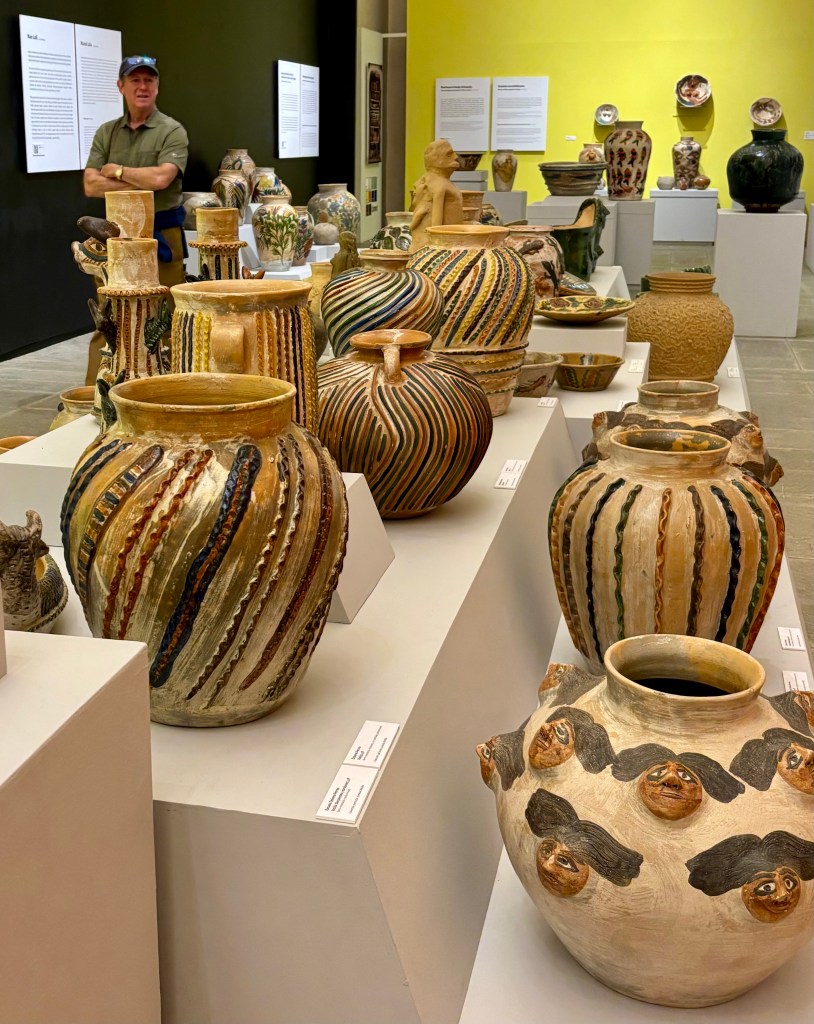
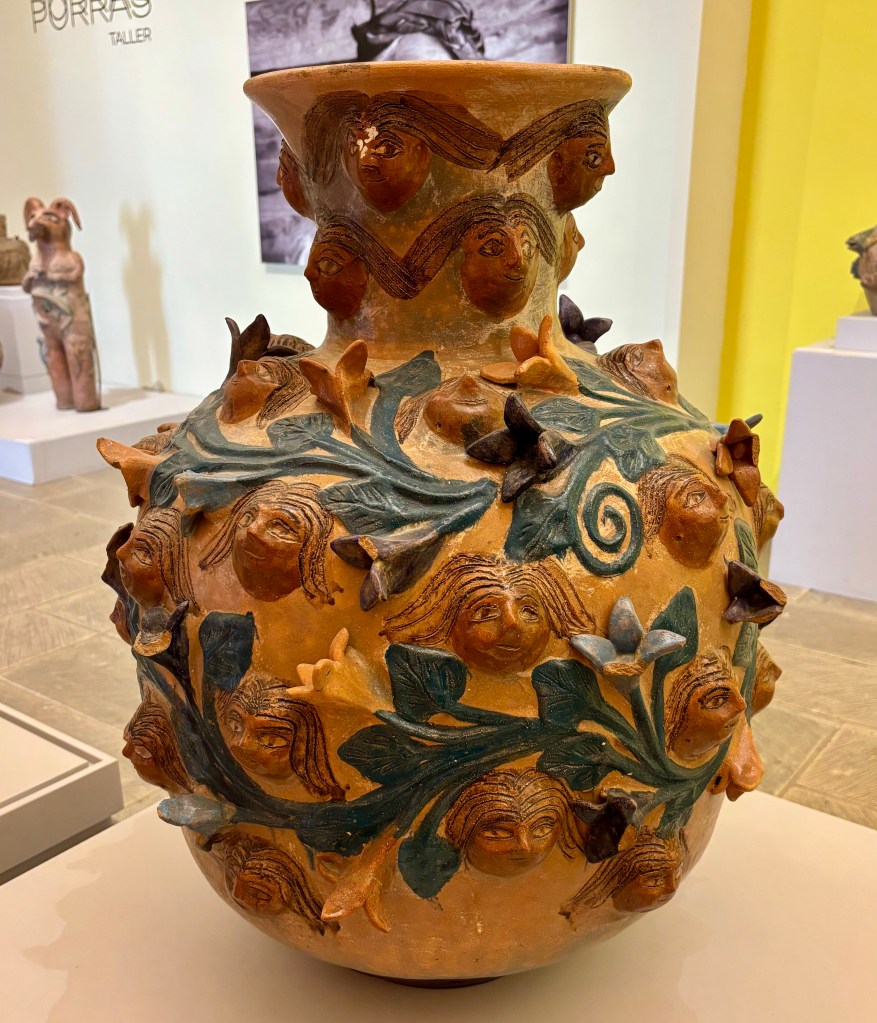
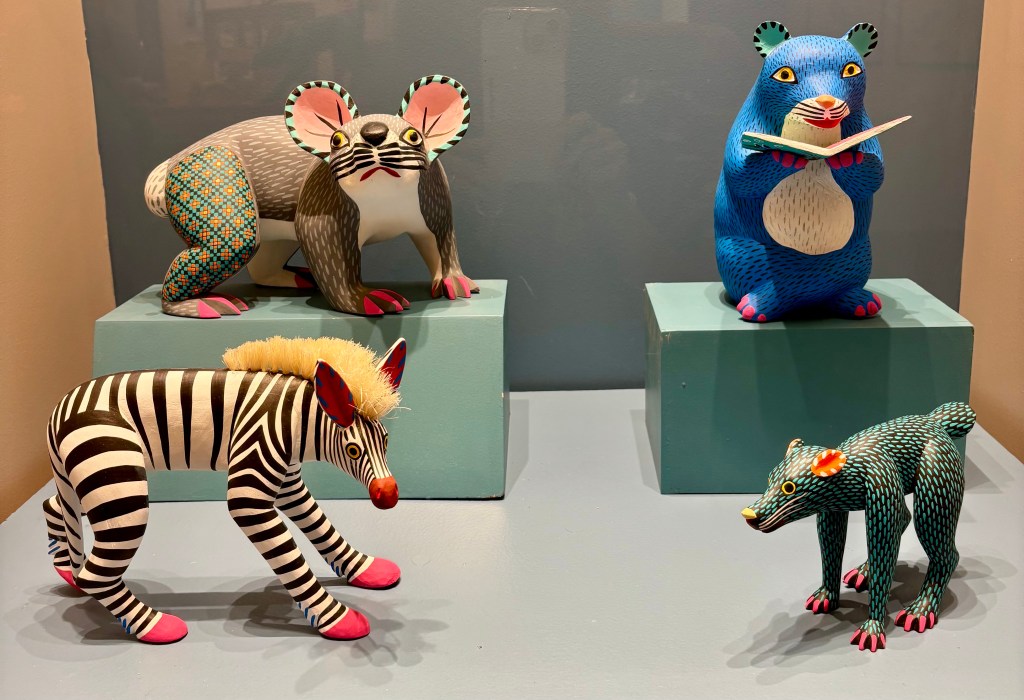
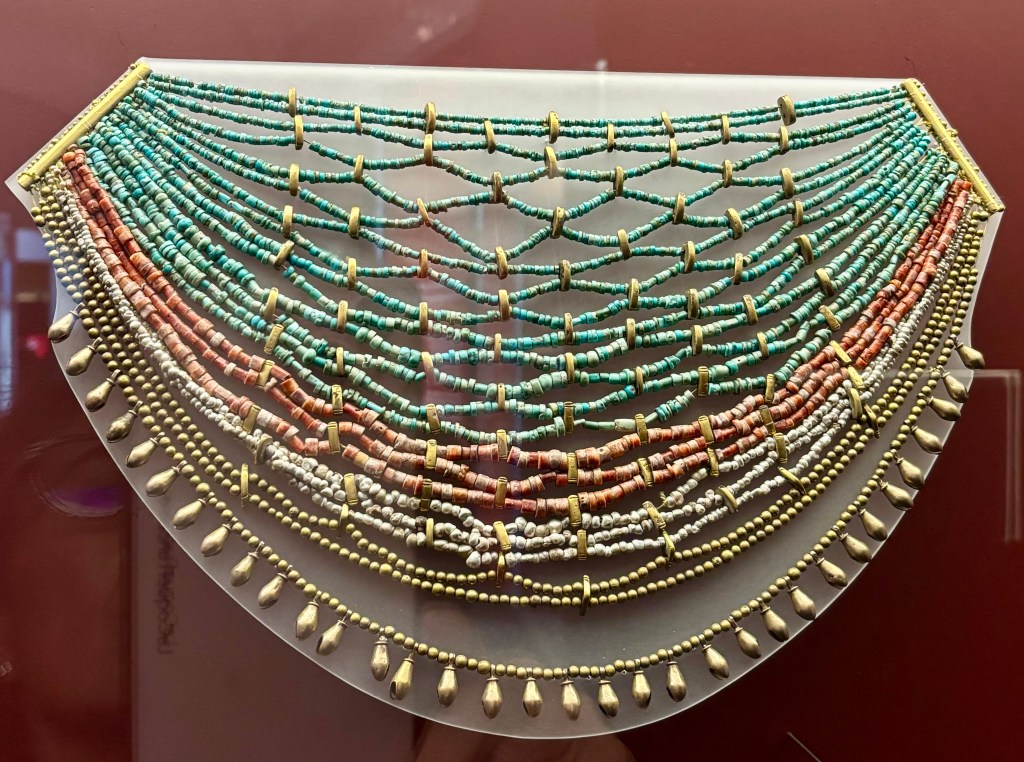
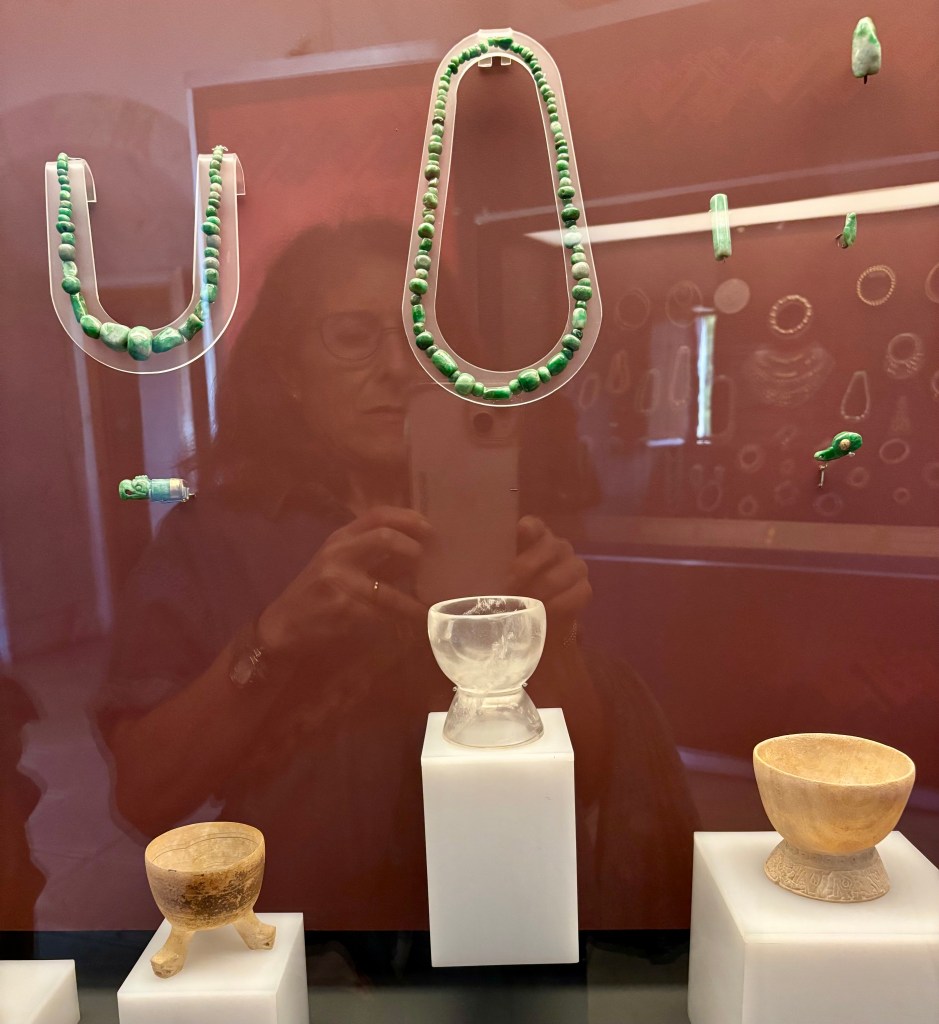
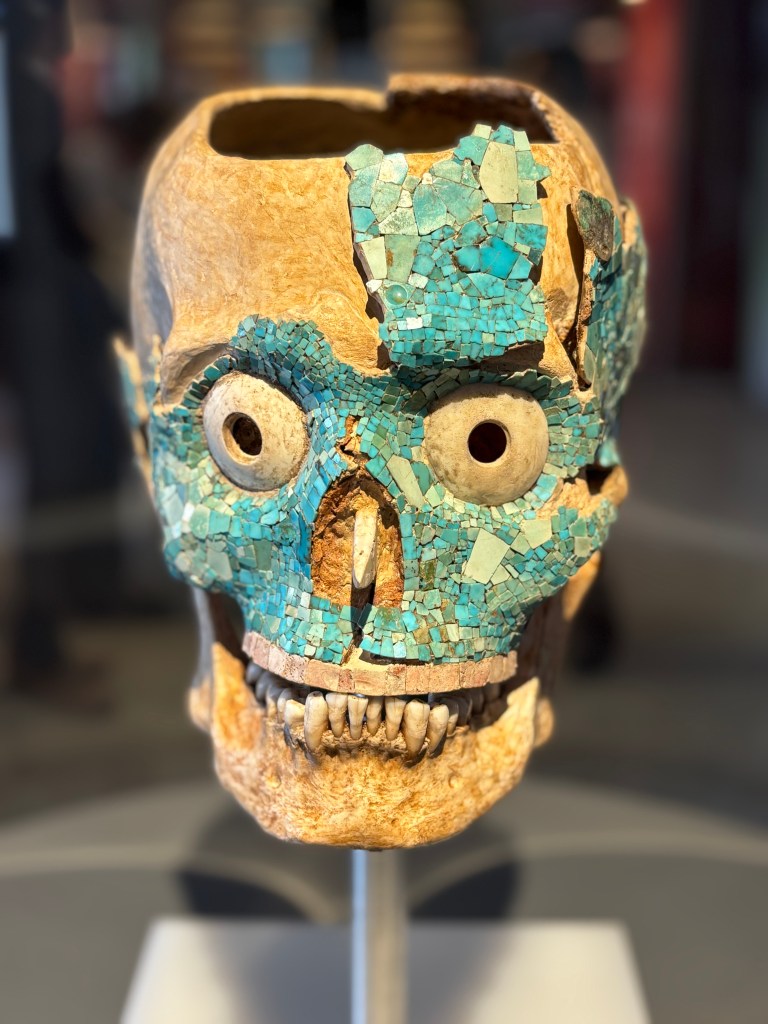
In our wanderings, we found beautiful textiles and pottery, important crafts of the region. Some Oaxacan pottery is made of shiny black clay in a style called barro negro. Perhaps this is a reminder of the importance of obsidian, which had been heavily traded in this region for centuries. Our souvenir pottery is safely bubble-wrapped for our trip back to the U.S. (and yes, we will be buying another suitcase so that we can get our acquisitions home safely).
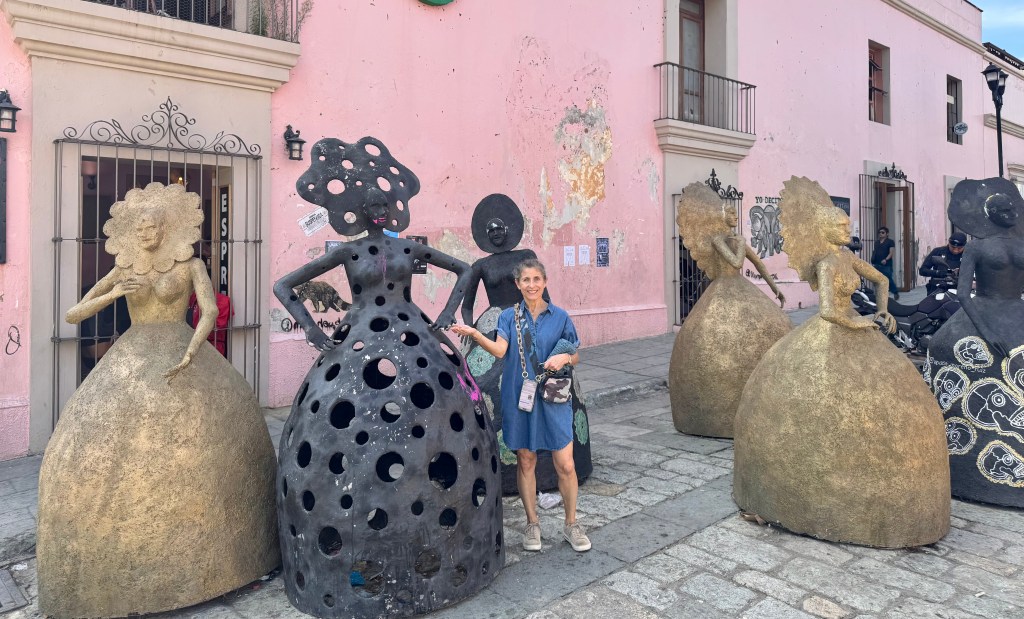
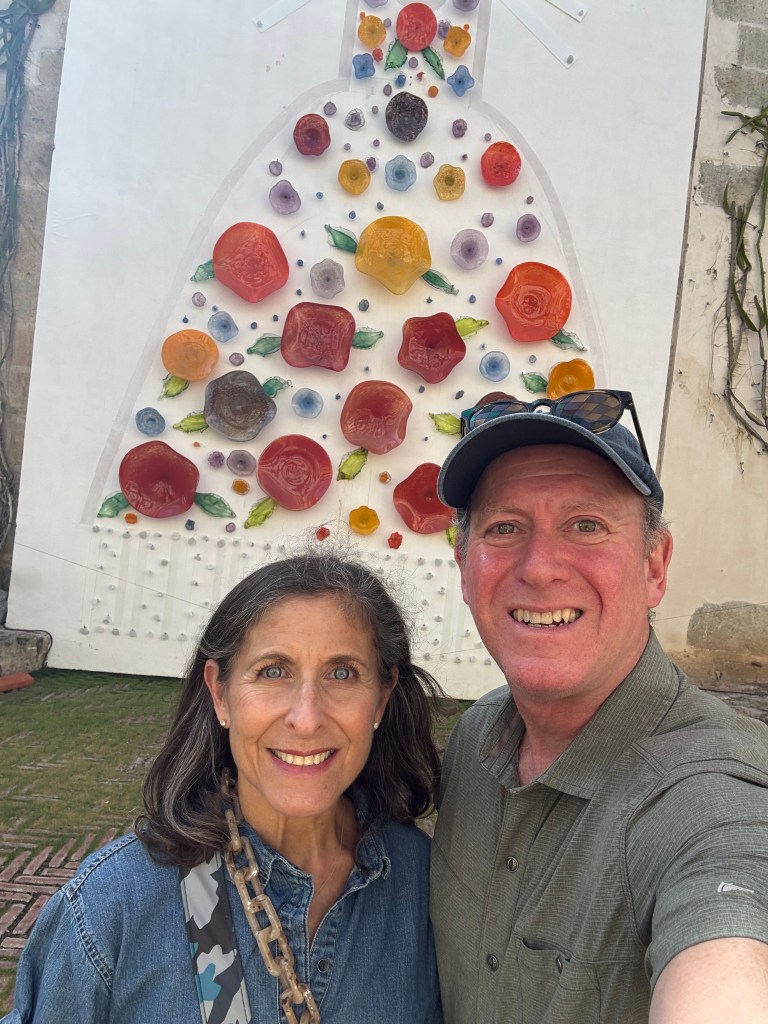
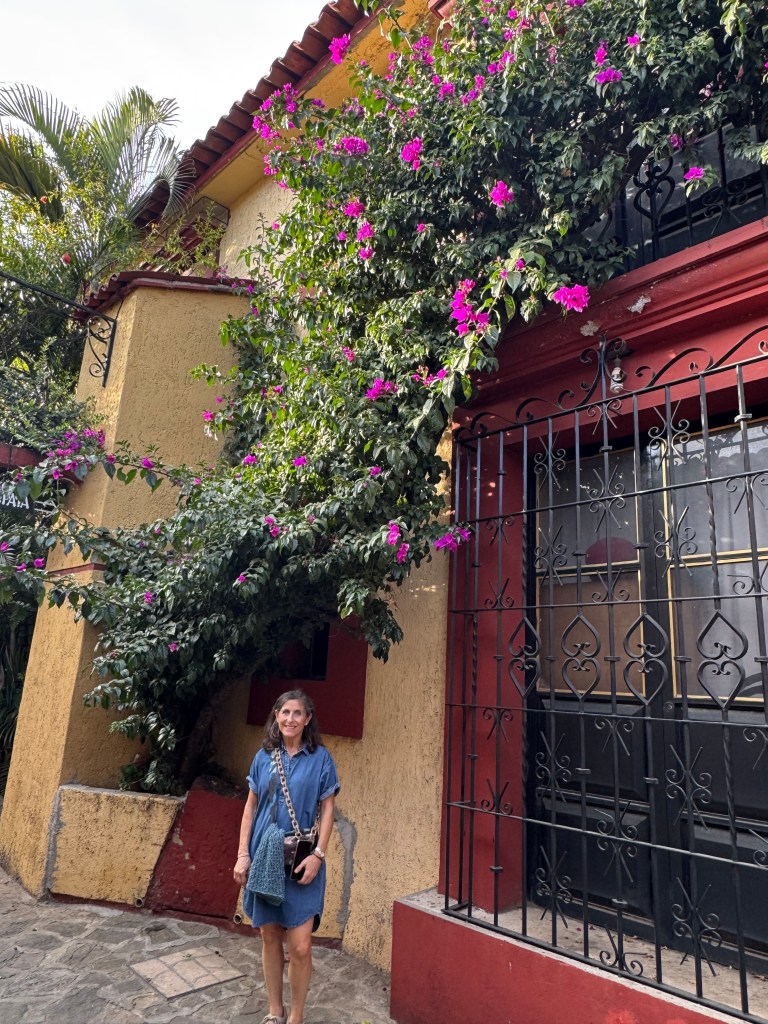
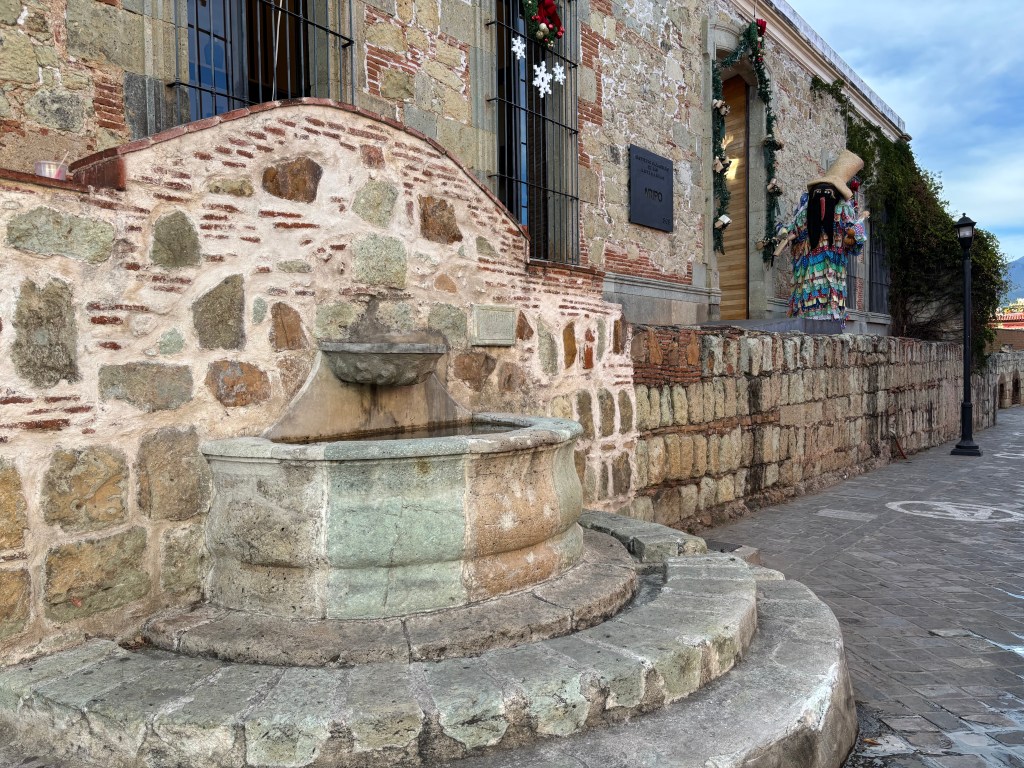
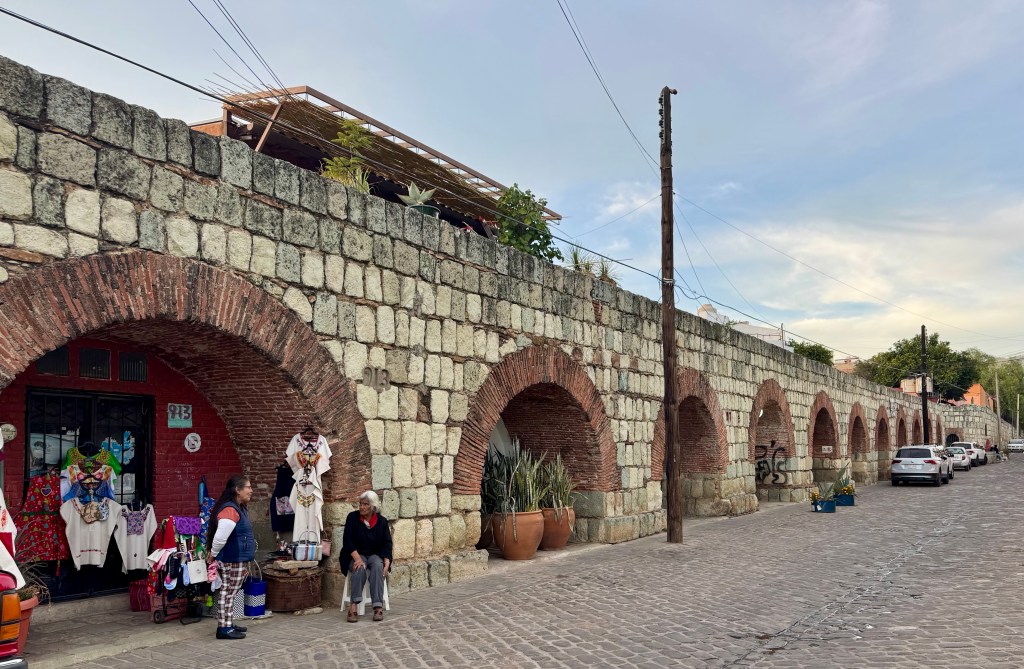
Oaxaca is also known for its local coffee and we found a family-owned cafe near the Xochimilco Aqueduct (constructed 1727-1751). Until 1940, it brought fresh drinking water from the nearby hills to the people of Oaxaca.
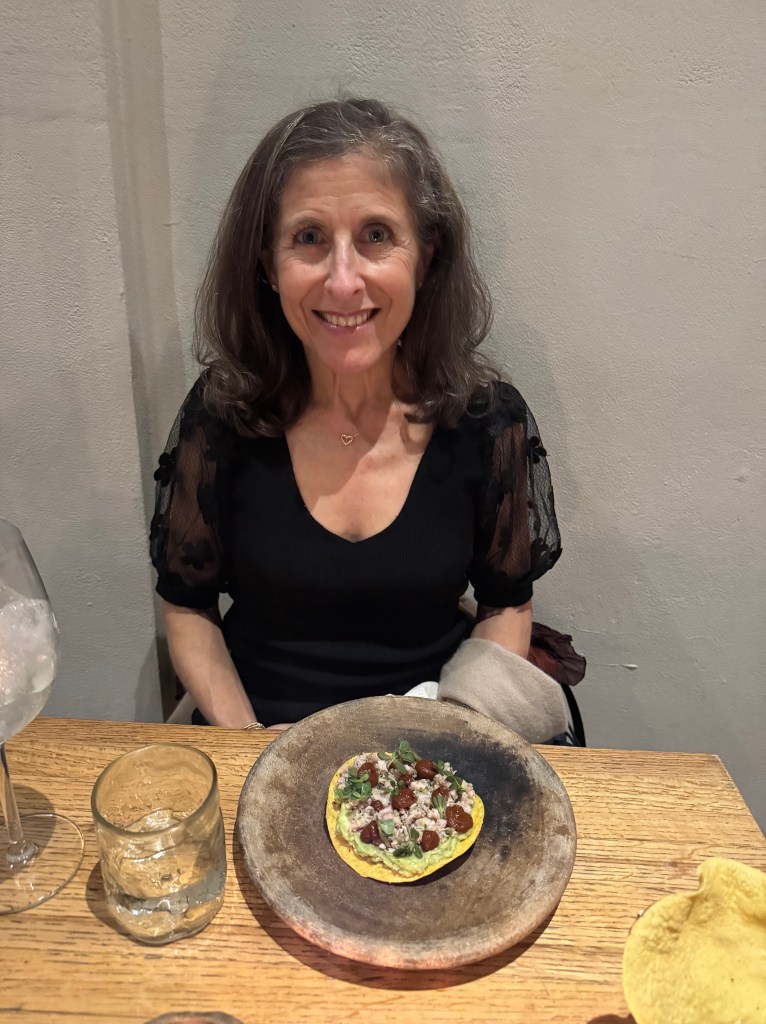
Tracy mentioned that we should watch Chef’s Table’s Enrique Olvera episode (season 2, episode 4 on Netflix) which got us very excited for the cuisine of Oaxaca (We were also excited to get a future reservation at Olvera’s famous Mexico City restaurant Pujol and we have been to one of Olvera’s NYC restaurants, Cosme). Olvera is a partner of Chef Luis Arellano at Criollo where we enjoyed a delicious tasting menu al fresco in a beautifully lit courtyard.
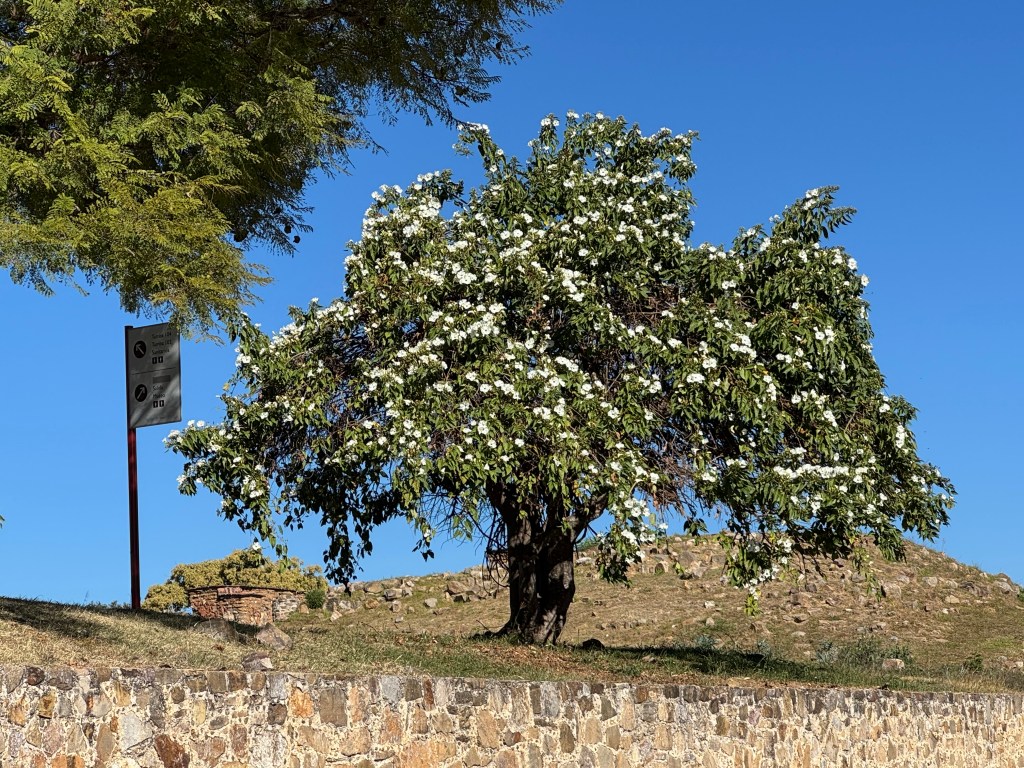
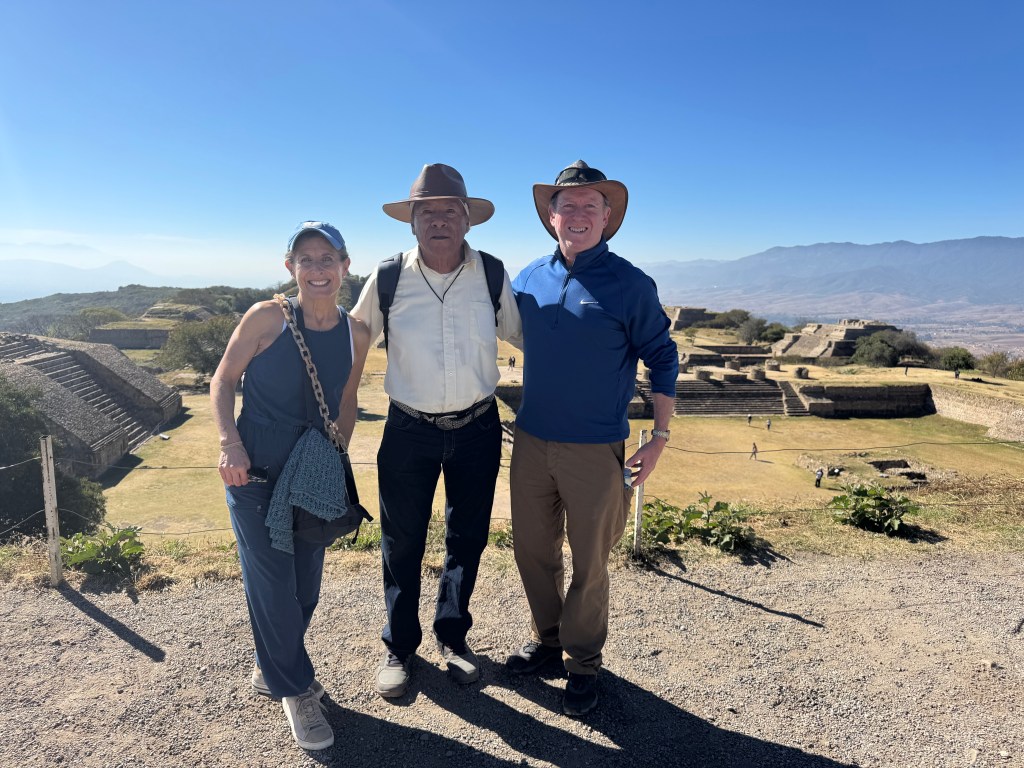
On our last day in Oaxaca, we joined Oaxaca Tours and Antonio for a visit to Monte Albán. The Spanish named it Monte Albán when its trees were in bloom with white flowers; the Spanish must have thought it was snow-capped. Like Teotihuacan, Monte Albán was a religious site (500 B.C.E.- ~800 A.D.) but it was eventually abandoned. Our guide told us that the locals never forgot sacred Monte Albán and kept it a secret from the Spanish conquistadors. Over time, the temples and monuments became covered with dirt and greenery. Monte Albán was rediscovered at the end of the nineteenth century and excavation took place in the early 1900’s, especially in 1931, by Alfonso Caso, who uncovered Tomb Seven (see above).
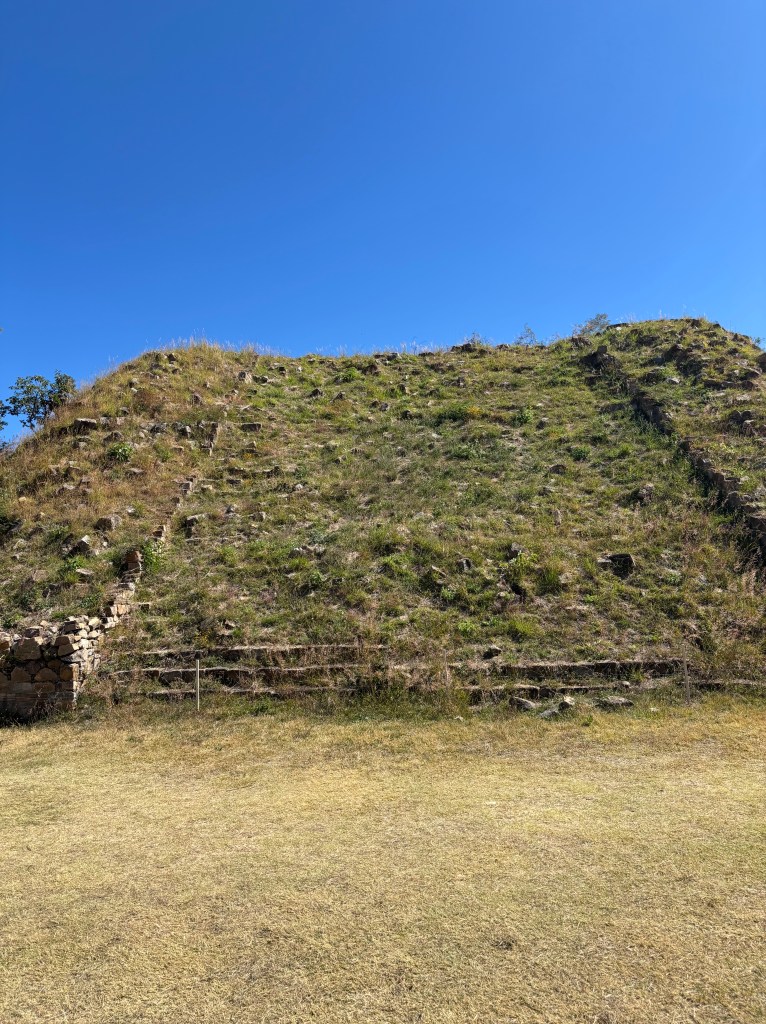
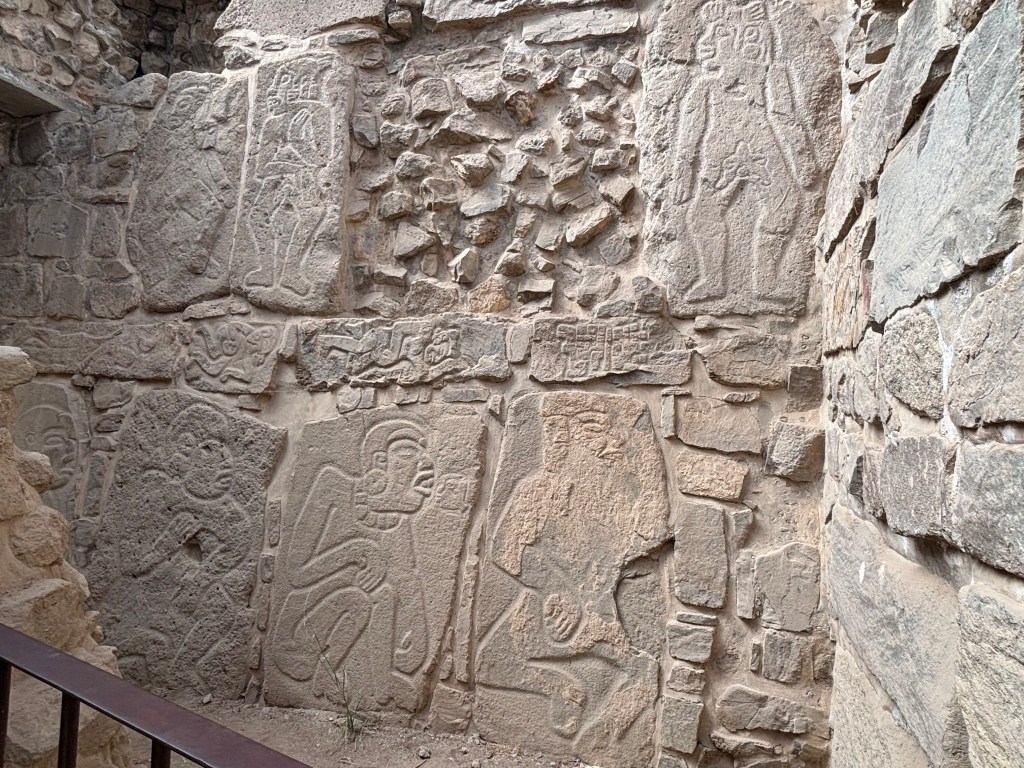
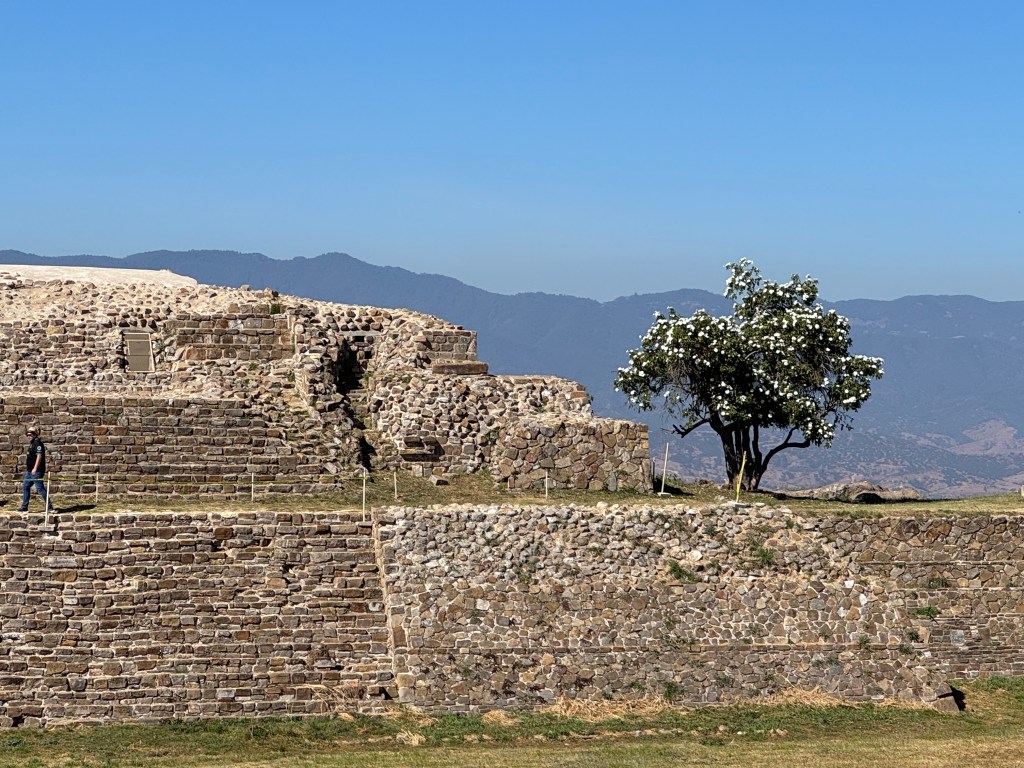
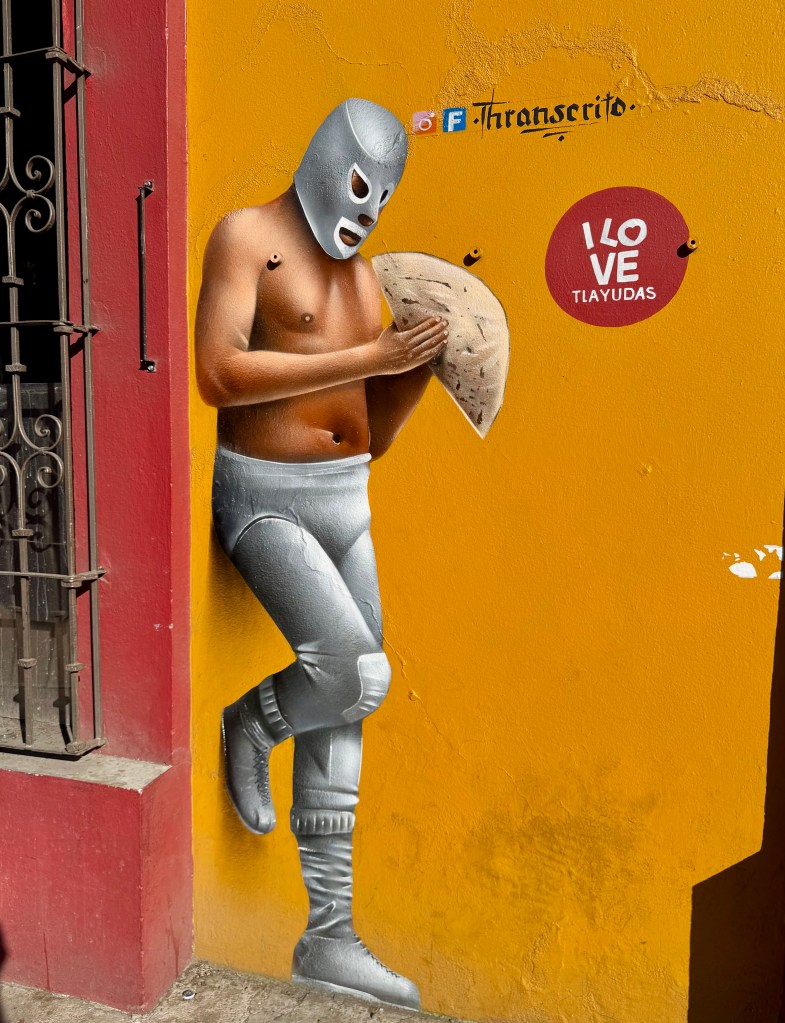
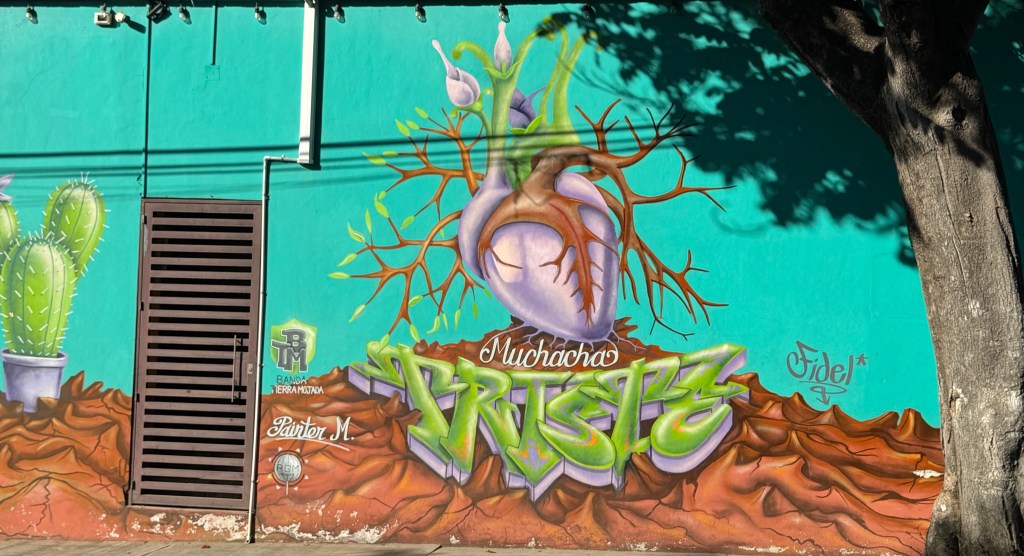
Before leaving Oaxaca, we dedicated the afternoon to the incredibly creative street art of Jalatlaco. It was the perfect finish to a delightful weekend.
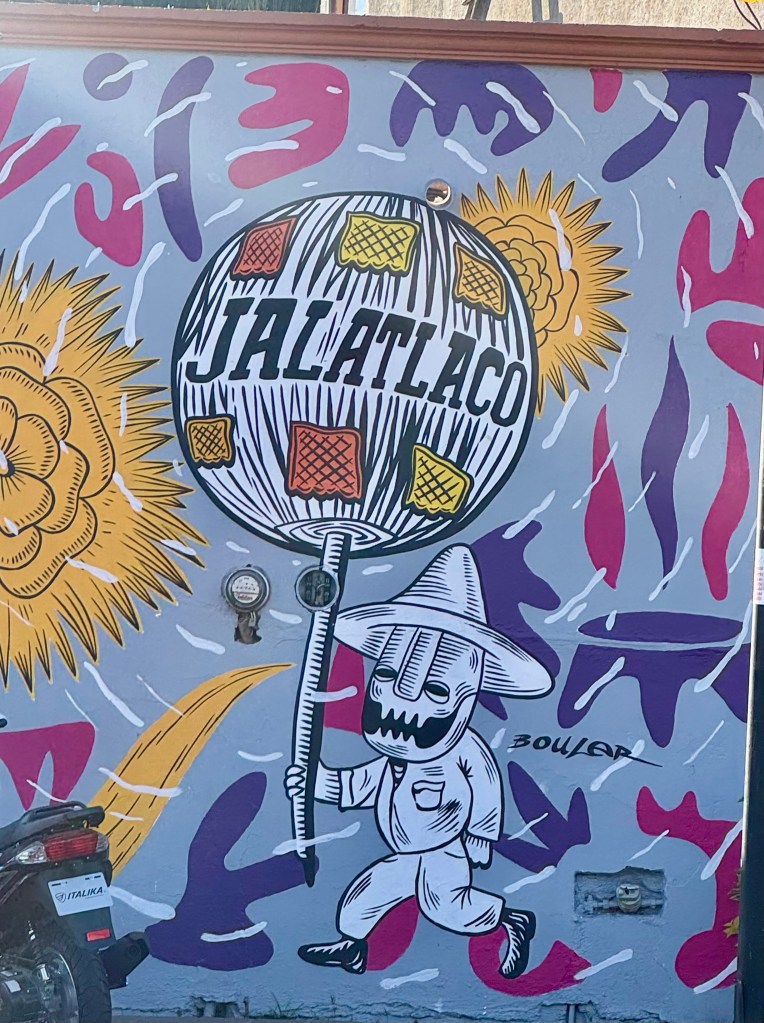
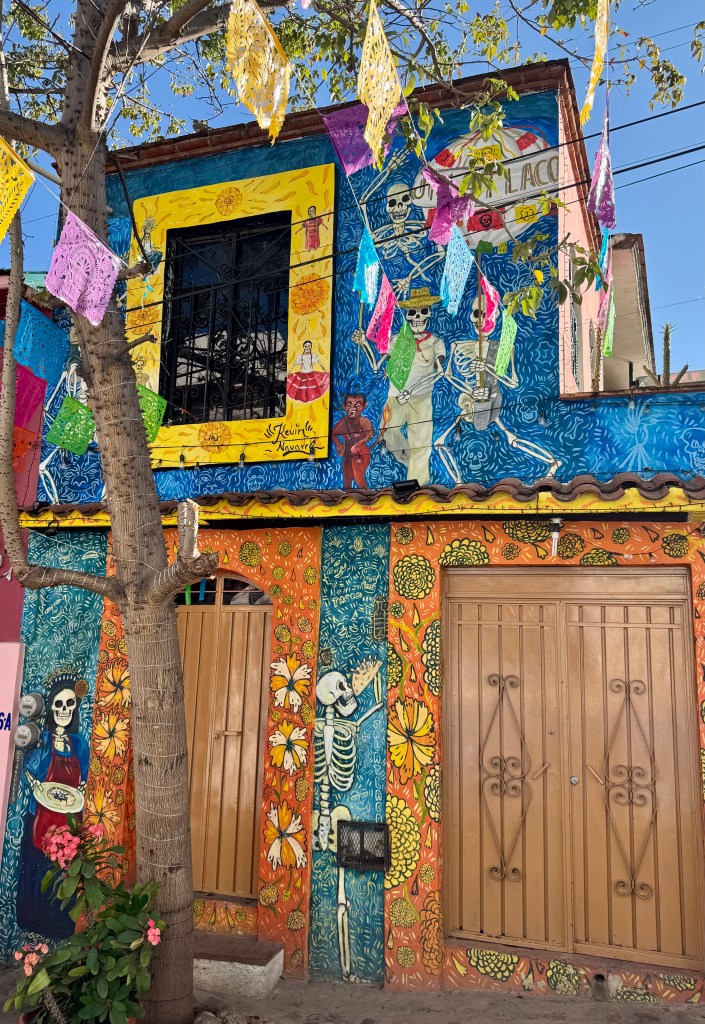
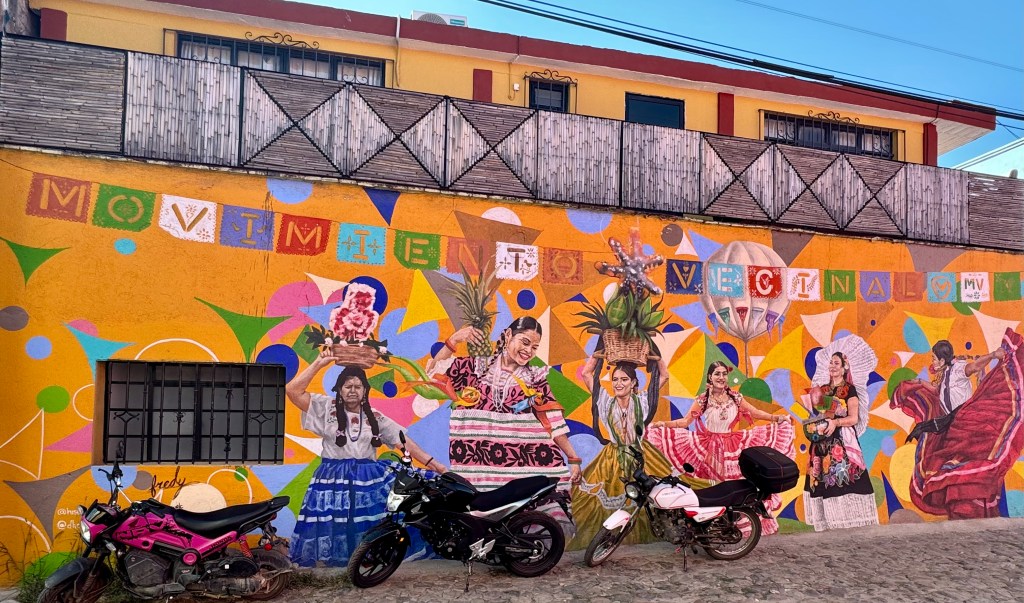
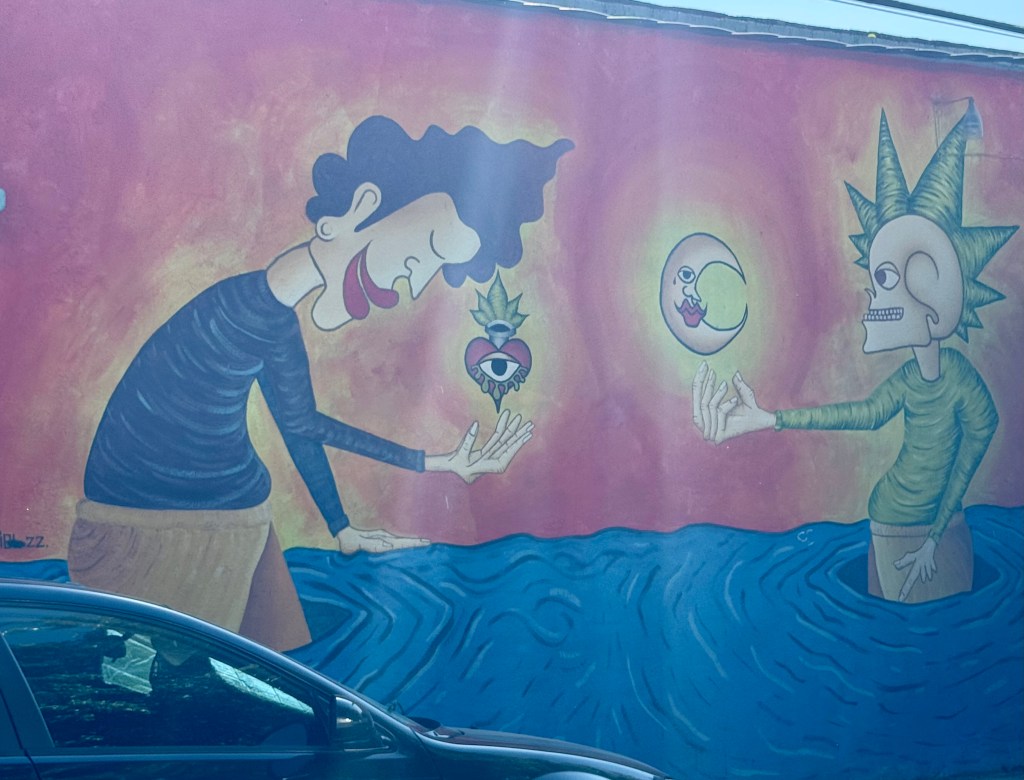
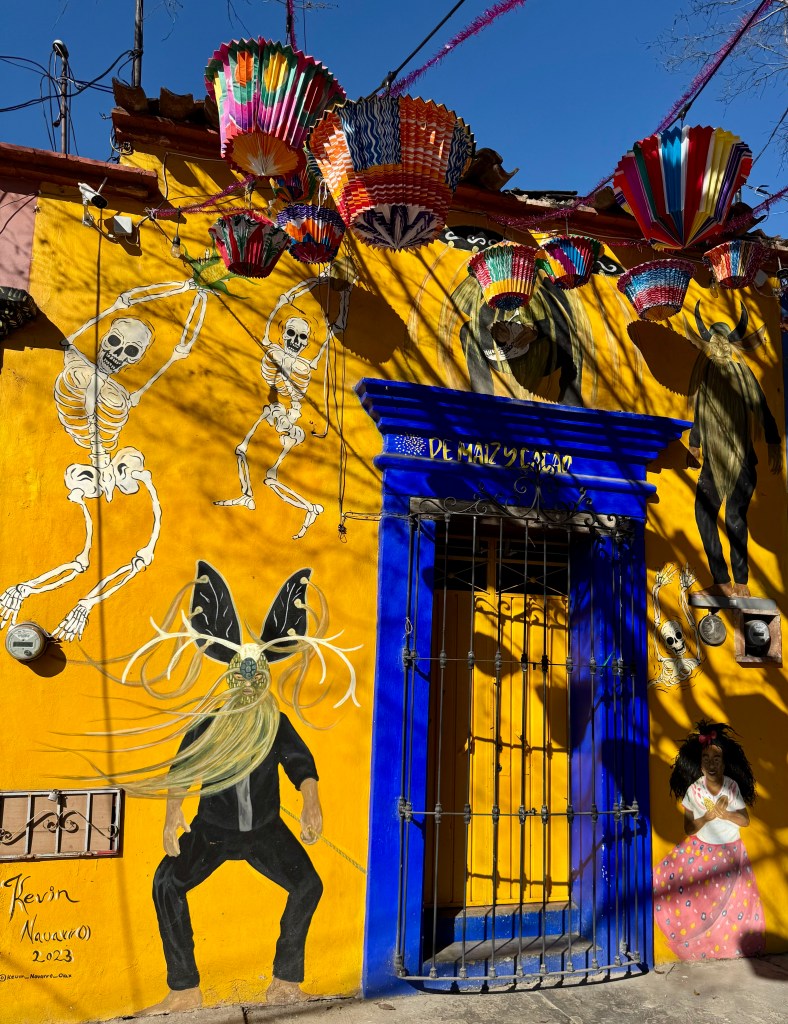
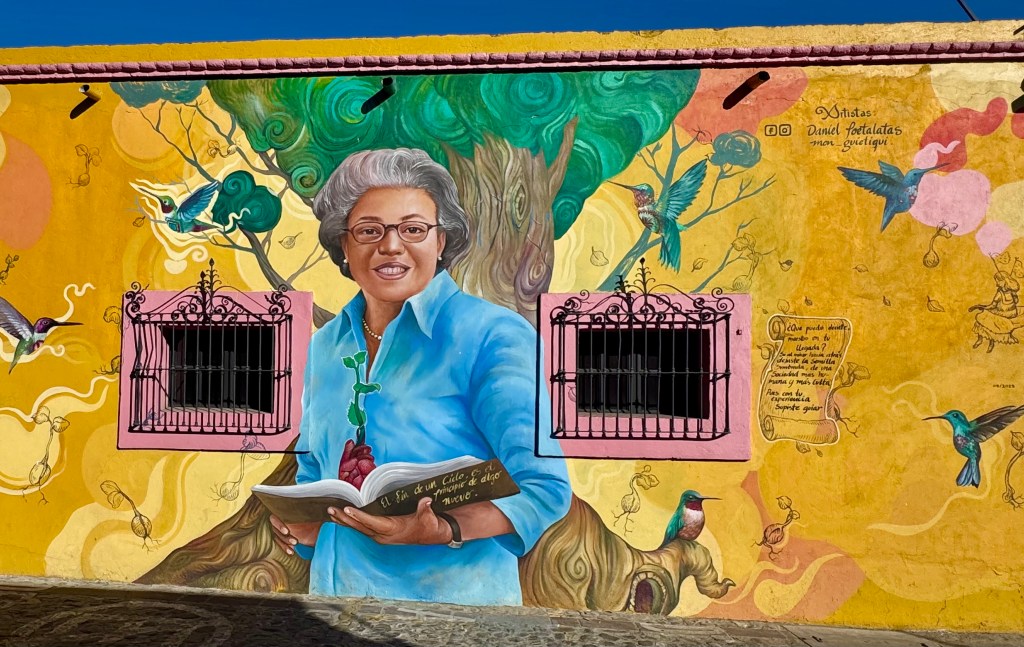
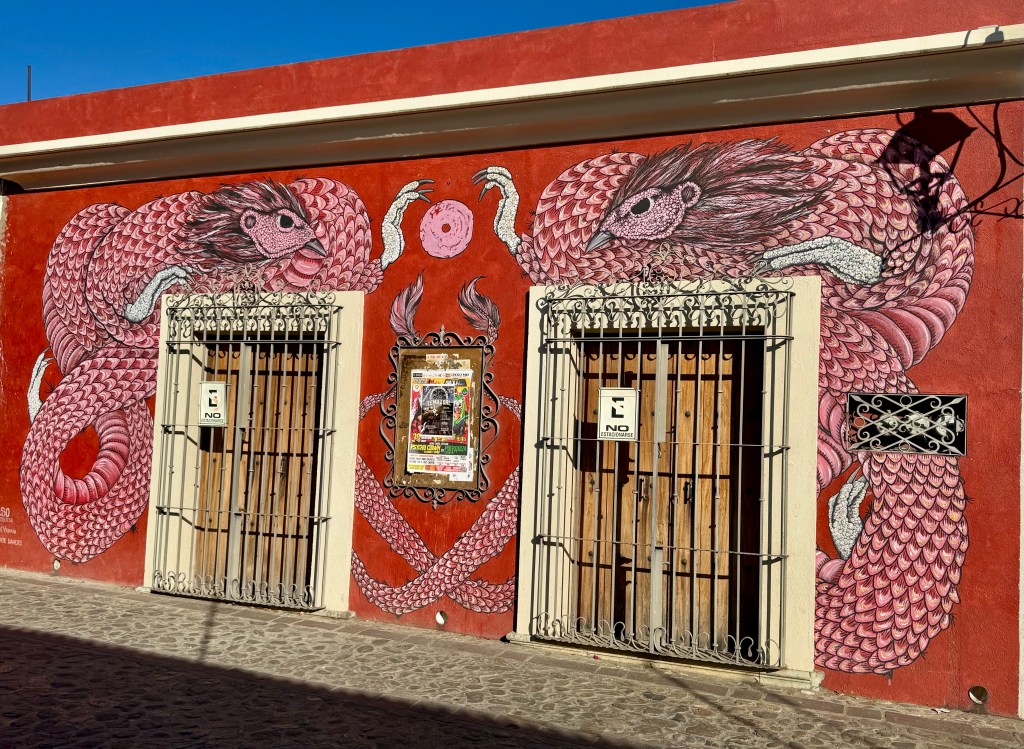
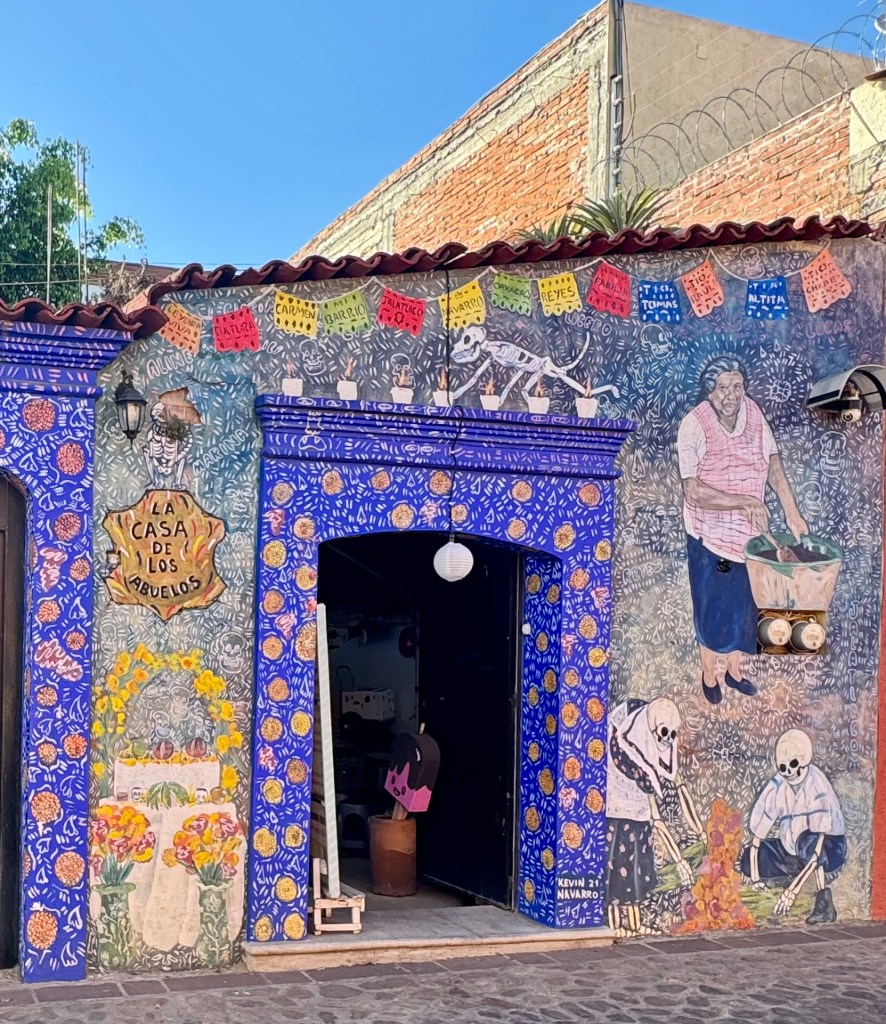
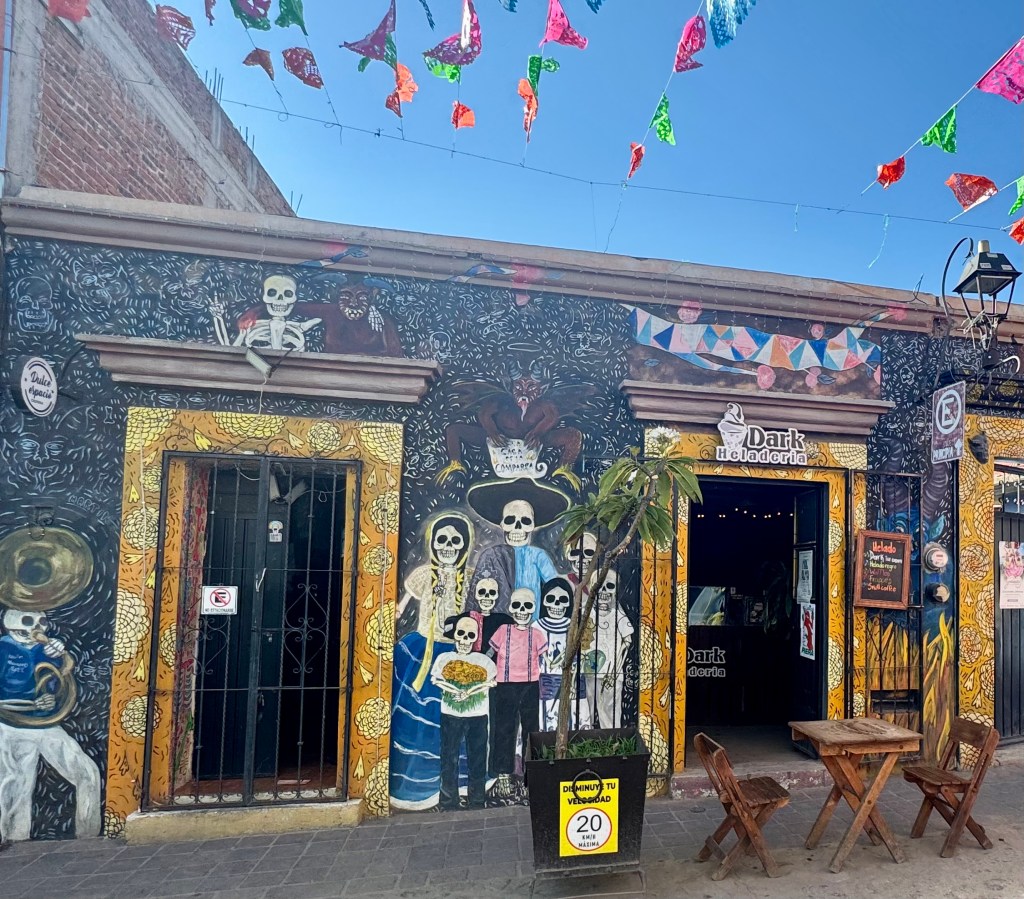
Our original intention was to experience new places. Who knew that our travels, commencing September 2023, would coincide with a time when it was a relief to escape? We have been able to distance ourselves from a nasty political climate. I have to admit, living abroad, at a distance has been a good thing for me. Our goal was to immerse the way Rick Steves recommends, as travelers, not as a way to escape. We continue to explore and with a week left in Mexico City, there is still a significant to do list. I hope to be able to share more before our December 31 departure.
Wishing everyone a happy holiday season: peace, love, good health, feasts and family time. And thank you, Google Translate:
Deseando a todod unas felices fiesta: pas, amor, Buena salud, fiestas y tiempo en familia.
 The Innocents Abroad, 21st Century Version