November 16 – December 1, 2024
Chapter IIIC
This is the third and final edition of a what was originally a very long post. It was edited into three chapters: A Day in Coyoacan, Thankful and Grateful and Parques y Recreación. Still more to come as our adventure in Mexico City continues until the end of 2024.
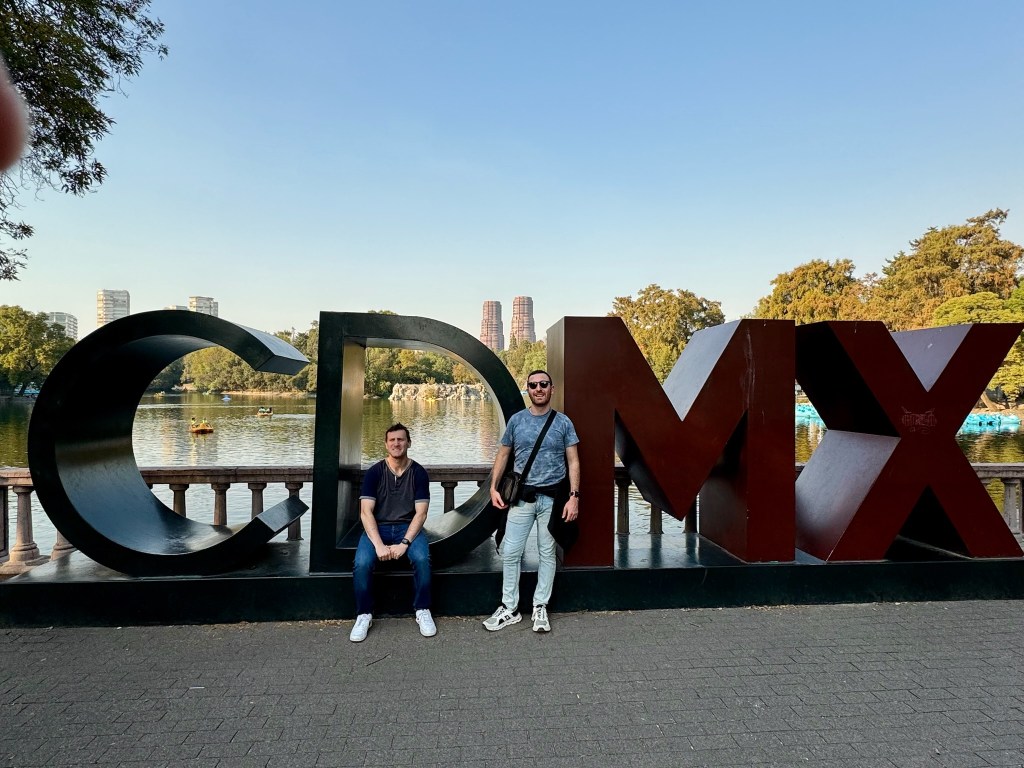
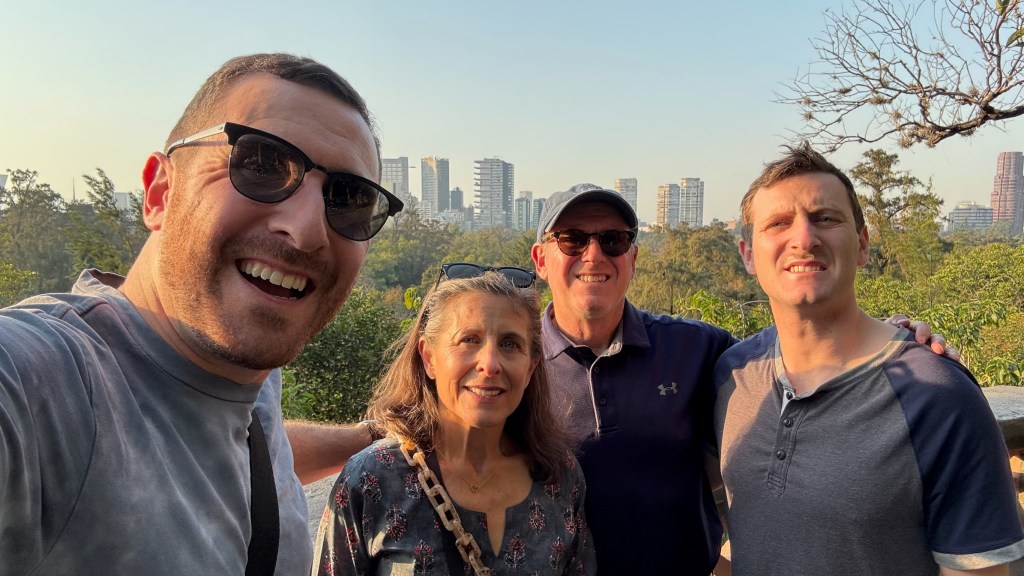
Mexico City’s great weather is an invitation to wander through so many lovely parks. The huge Parque Chapultepec (translation: grasshopper) includes many museums and we devoted one day to its Castillo de Chapultepec, which sits on top of a hill and has gorgeous views of CDMX, including the mountains that surround the city. Wendy shared with us that this museum considers us pensioners (over age 60) and we skipped the long ticket line and entered for free!

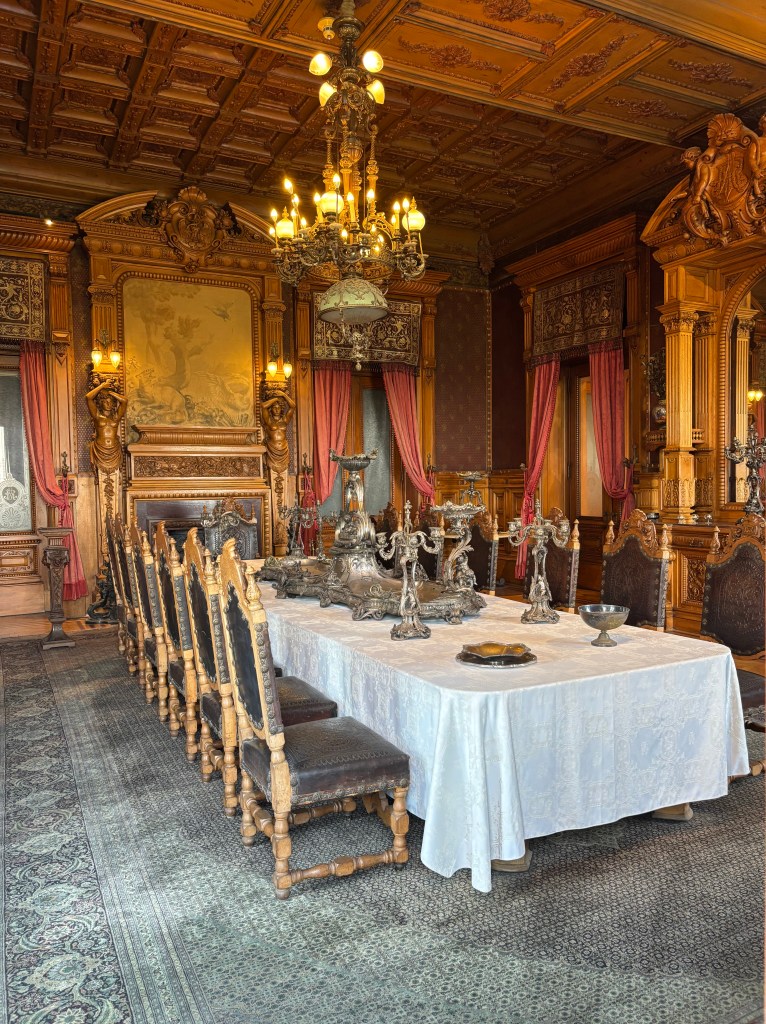

This castle (built between 1785 and 1864) has had many uses in its history: a military academy and the only royal residence on our side of the world when, from 1864 to 1867, Emperor Maximilian von Hapsburg and his wife Carlota held court there. After the fall of the Second Mexican Empire, it was home to Mexico’s presidents until 1939, when it became the Museo Nacional de Historia. The museo houses two very different collections, from the Spanish Conquest (1519-1521) to the Revolution of 1910 and the rooms and furnishings the royal palace or Alcázar of Maximilian I and Carlota as well as President Díaz.
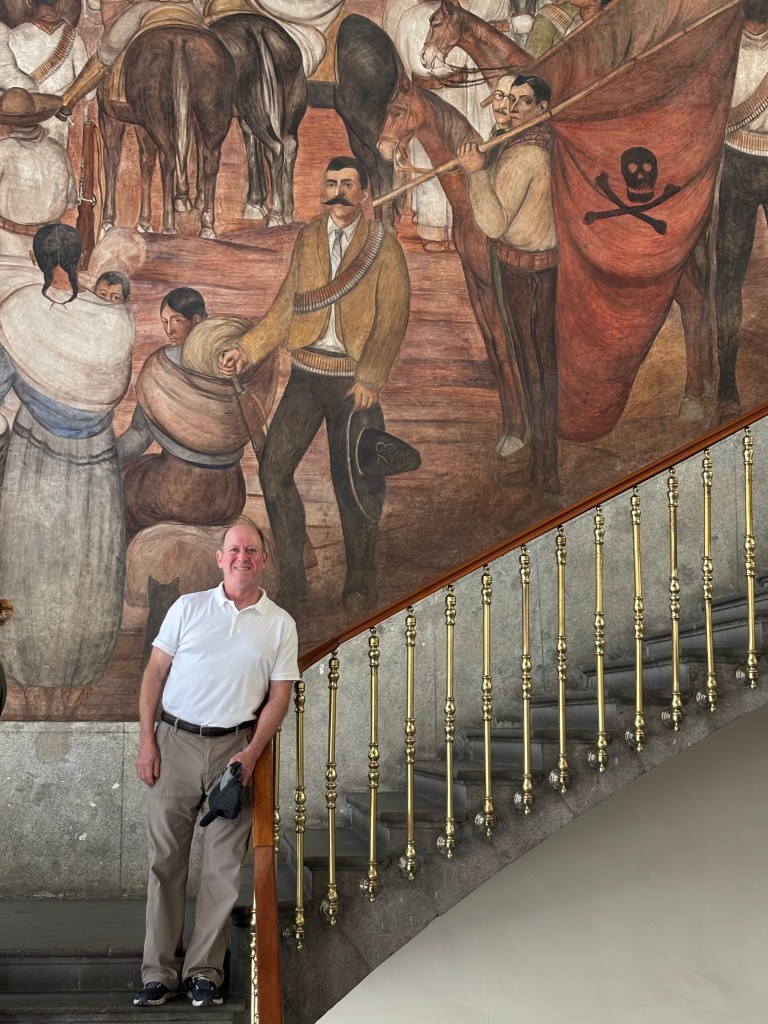

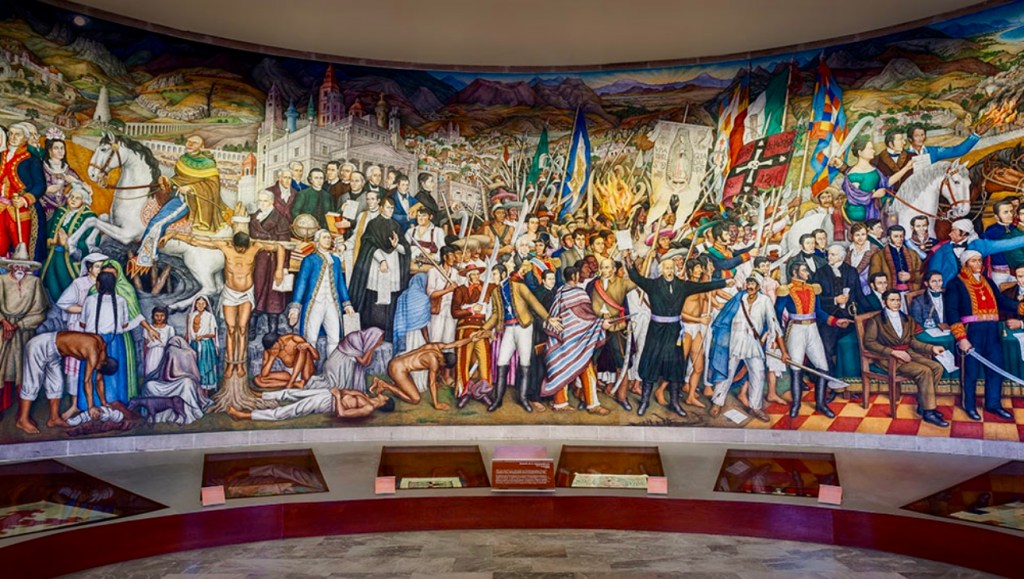
An interesting tidbit acknowledging the beauty of Chapultepec Castle is the fact that in Baz Lurhman’s film, Romeo and Juliet (1996), the Castle was the set of Juliet Capulet’s home.
While I would love to share the history of Mexico from Hernán Cortés and the Spanish Conquest, I could not possibly do it justice; it is so complicated and I am still trying to synthesize everything from Mexico’s Mesoamerican history to the Spanish Conquest to the Inquisition to more Revolution to the present.
Some things that have stood out to me include how strategically Cortés conquered the Aztec Empire. The Aztecs were warriors, greatly outnumbering Cortés and his soldiers. But the Aztecs made many enemies along the way, and Cortés capitalized on this mutual hatred, enlisting other indigenous groups to assist in defeating Montezuma II, the Aztec leader. Fast forward and the Spanish called for an Inquisition in New Spain and were able to convert its population to Catholicism. While this was happening, certain indigenous traditions were retained, sometimes moving to align with Catholic holy days. The many Catholic orders who came to Mexico to convert the people also protected them from government abuse. And to this day, almost 80% of Mexicans are Catholic, the second highest population of Catholics in the world.
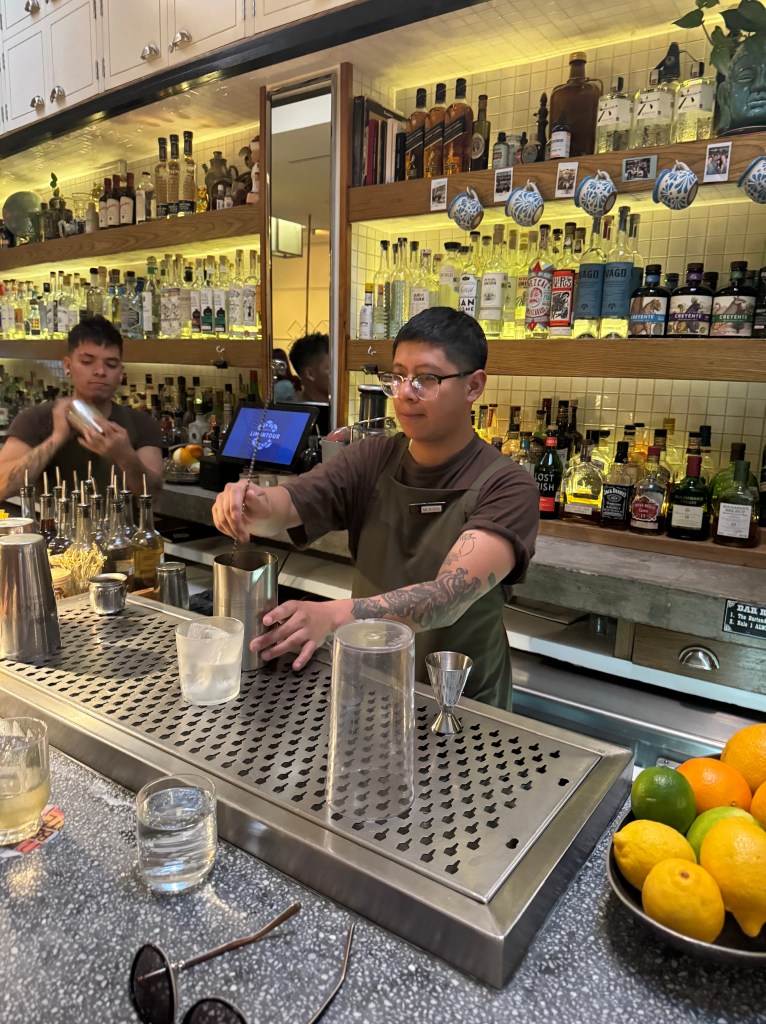
It was a lot of history to absorb so we spent the rest of that day walking through the Chapultepec Park, to Polanco and found Limantour, a well-known bar where we enjoyed cocktails and dinner at the bar. We recently discovered that Limantour has another location right in our neighborhood.
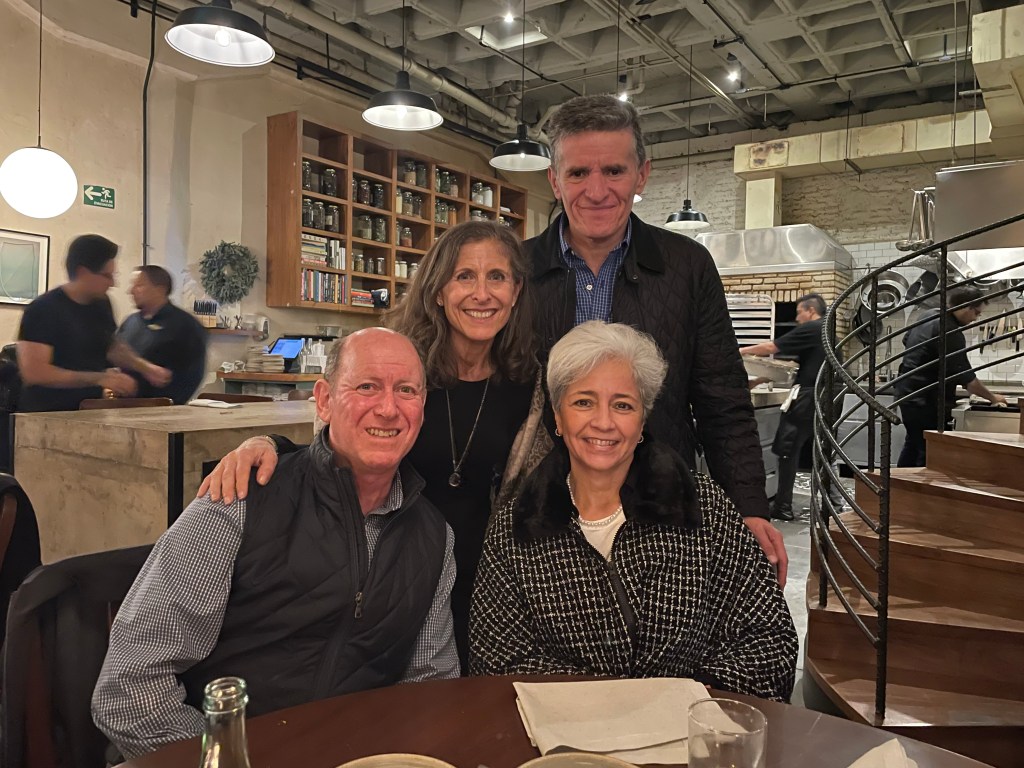
We love to reach out to friends (and friends of friends) whenever we can and benefitted from introductions and reacquainting during our time abroad. We had a great visit with Andy’s business school friend, Juan Carlos and his wife Veronica. They live in the modern neighborhood of Santa Fe, with beautiful homes in gated communities, high rise buildings, universities and shopping. We were treated to a traditional home-cooked Sunday meal and enjoyed comparing notes on politics, work, our grown up kids along with the men’s reminiscences of business school.
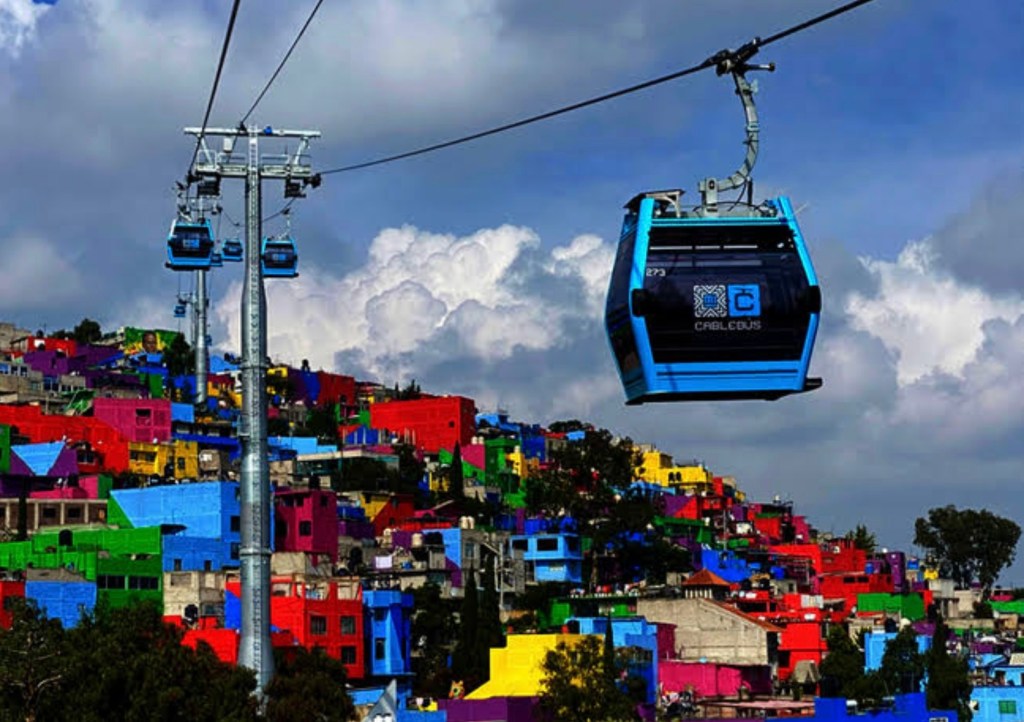
On our drive to Santa Fe, we saw our first gondola. Yes, the Mexican government has been building these cable cars, called Mexicable to help alleviate traffic and move commuters more efficiently.
We had an extra bonus weekend with George the weekend after Thanksgiving so we did some exploring and shopping in our neighborhood, Roma Norte. The three of us eventually worked our way to Polanco to see the Jumex and Soumaya Museums.
The Jumex is a contemporary art museum, funded by Eugenio López Alonso, the heir to a fruit juice enterprise. It opened in 2013 and houses unique installations that were perfect for our late-afternoon attention span.

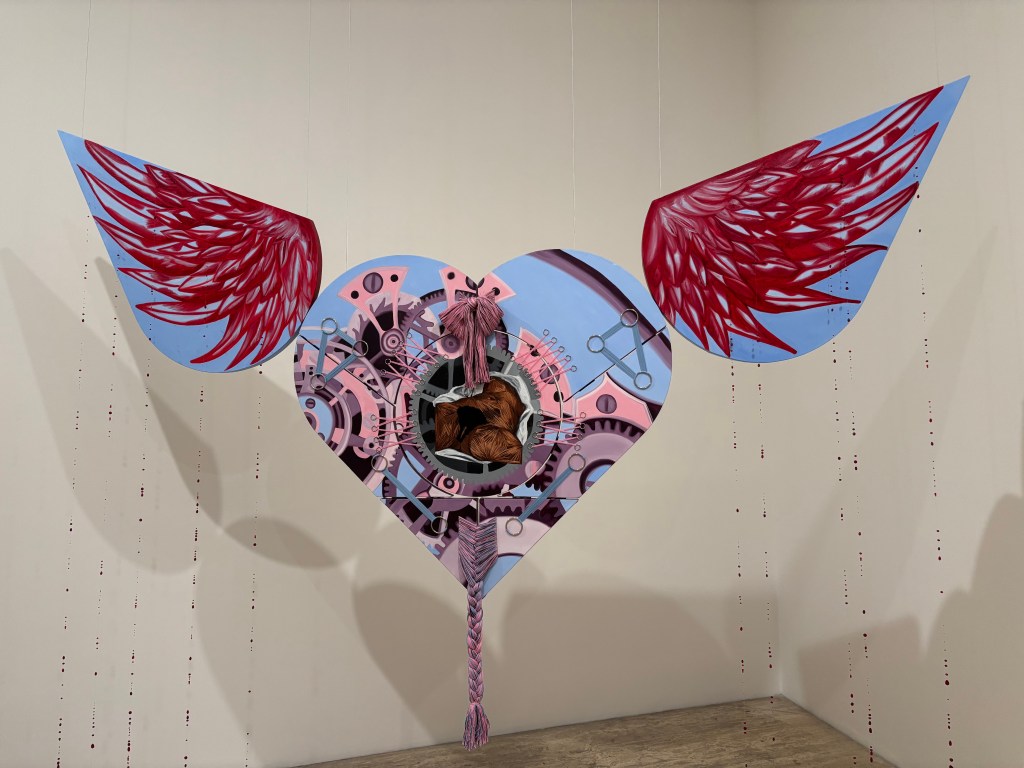
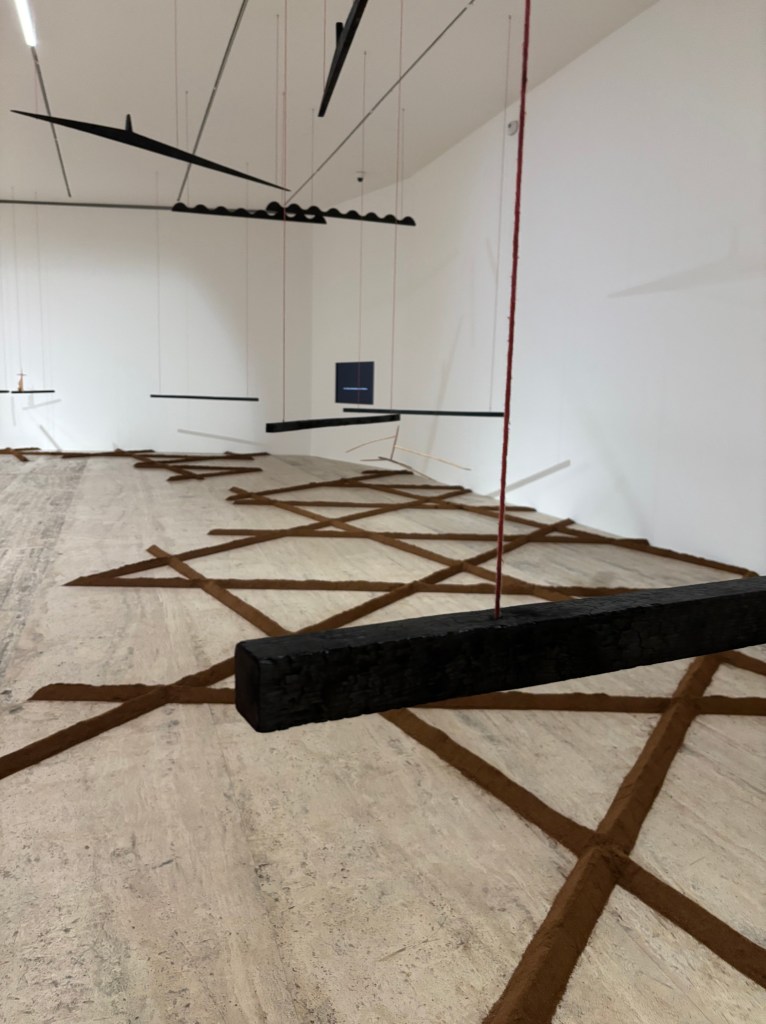
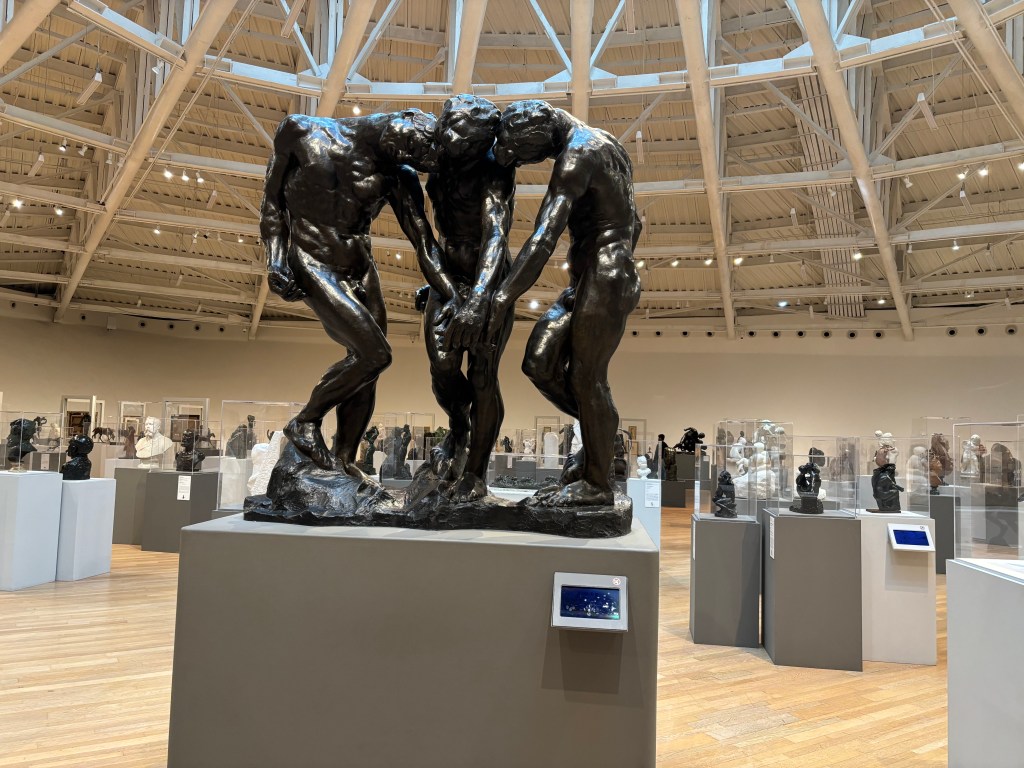
I wanted to share the Soumaya Museum with Andy and George and for this visit, we did not miss the huge Rodin collection, the largest outside of France and it did not disappoint.
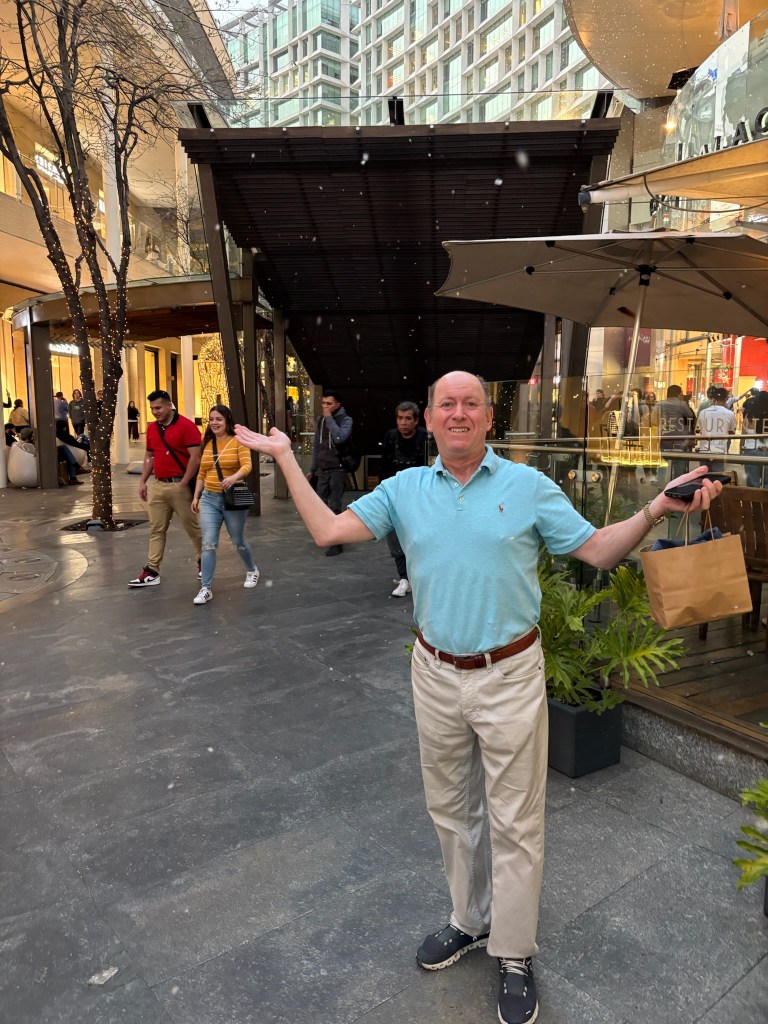
On our après-museum stroll, we took in Mexico City’s Christmas season. Since there is no Thanksgiving here, décor transitioned from Dia de Muertos, with marigolds and skeletons, to Christmas. Poinsettias replaced the marigolds and Christmas music and snow-themed décor is everywhere. I mention this to share that while we walked through an outdoor mall, it suddenly began to snow. We looked up and saw machines blowing snowflakes on us shoppers; it was about 70 degrees Fahrenheit! We continue to see our fair share of tacky Christmas sweaters here – feels a bit like home.
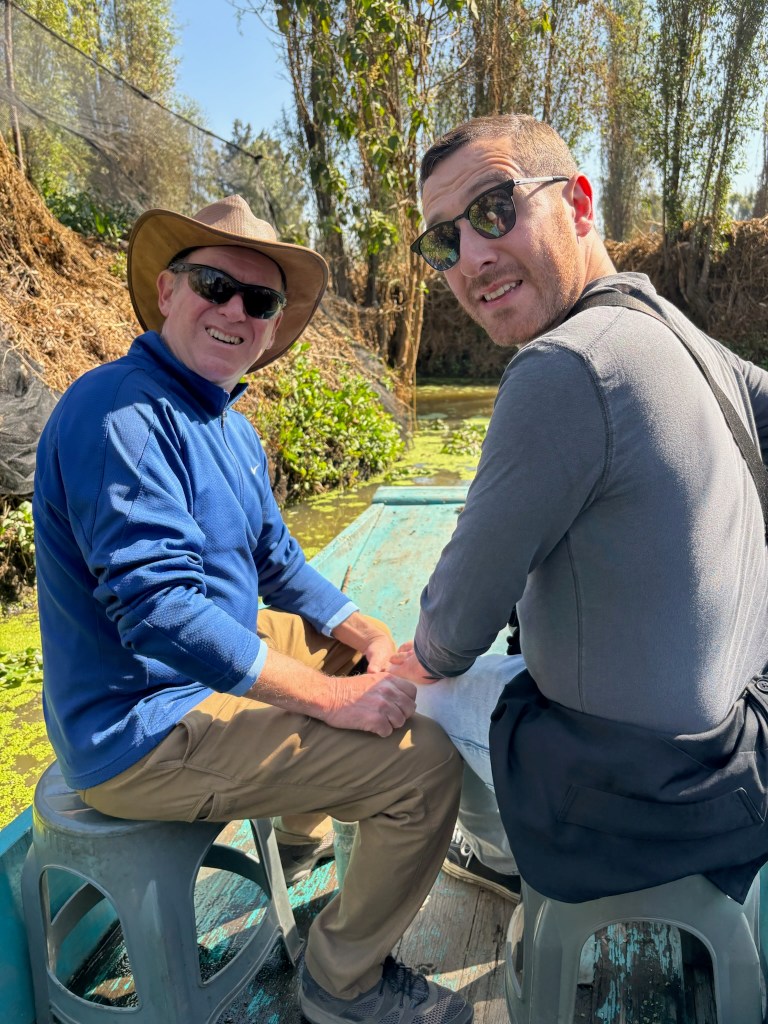
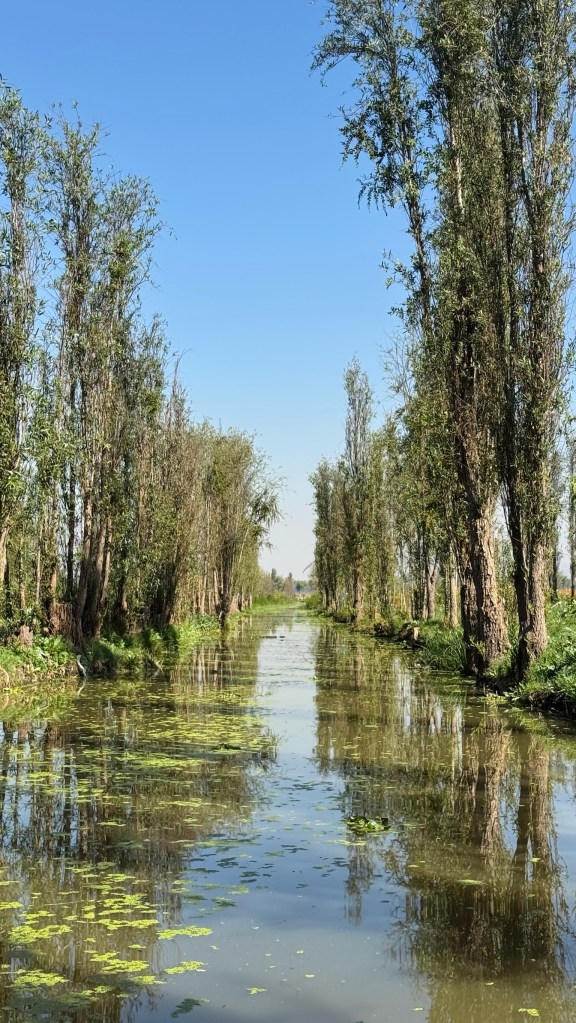
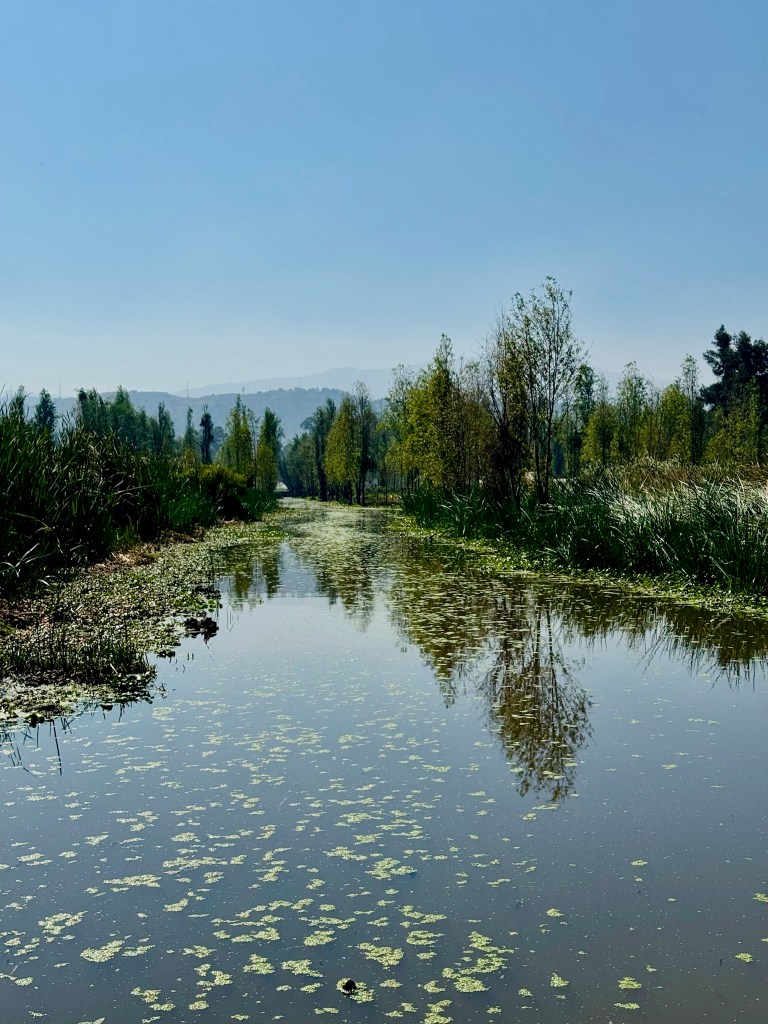
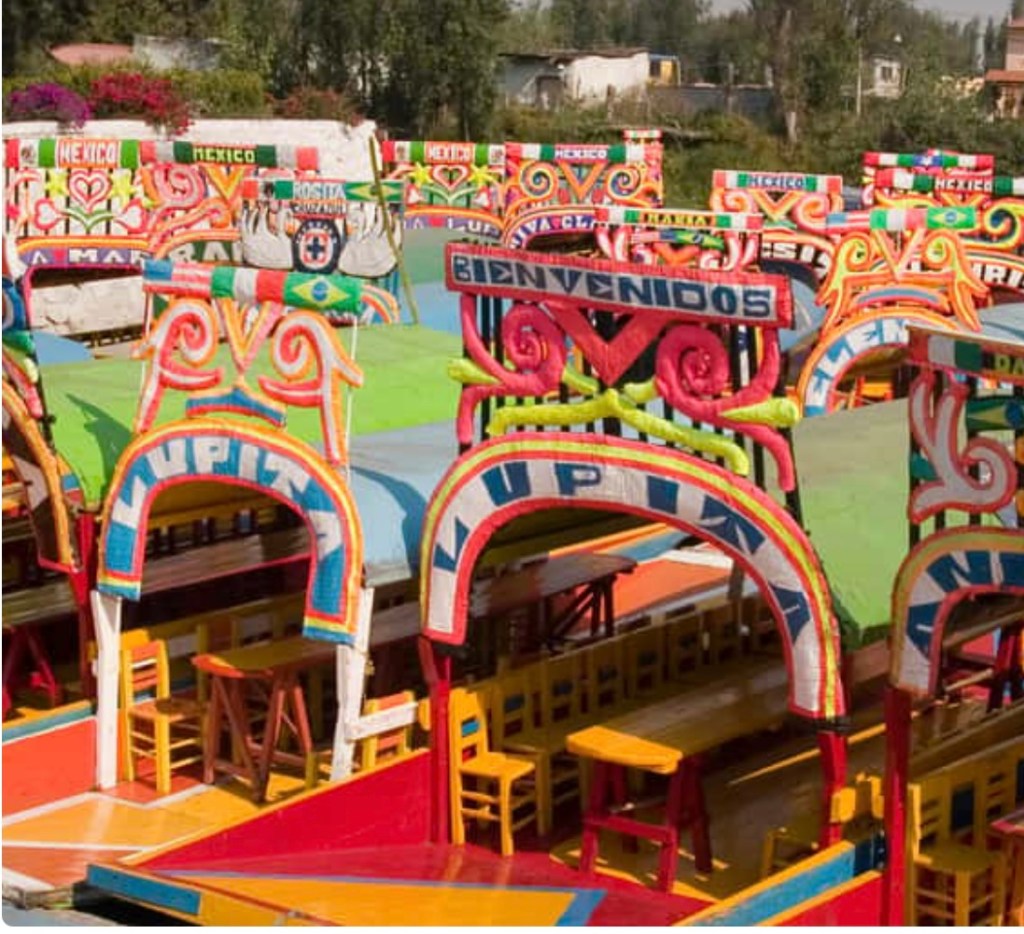
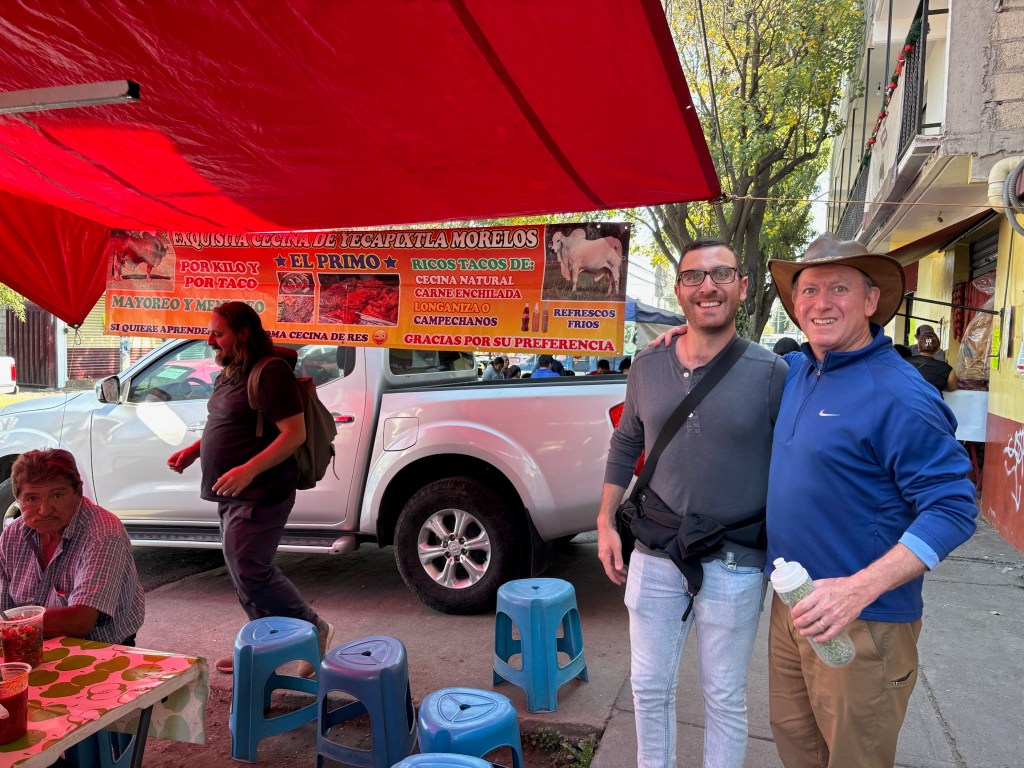
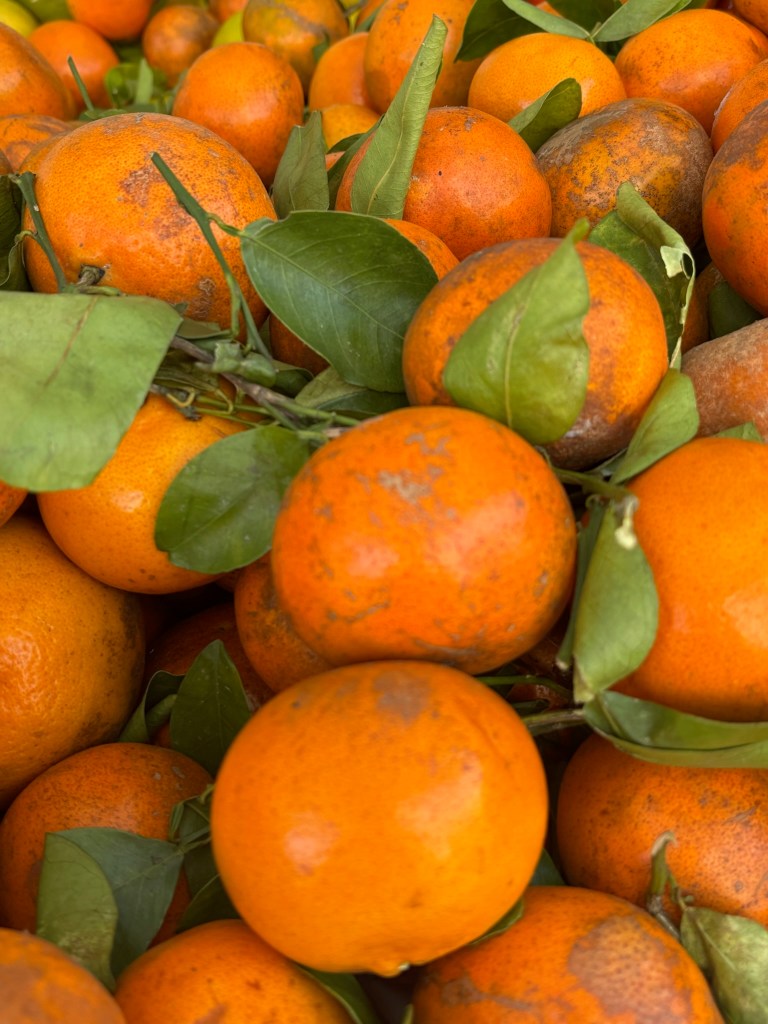
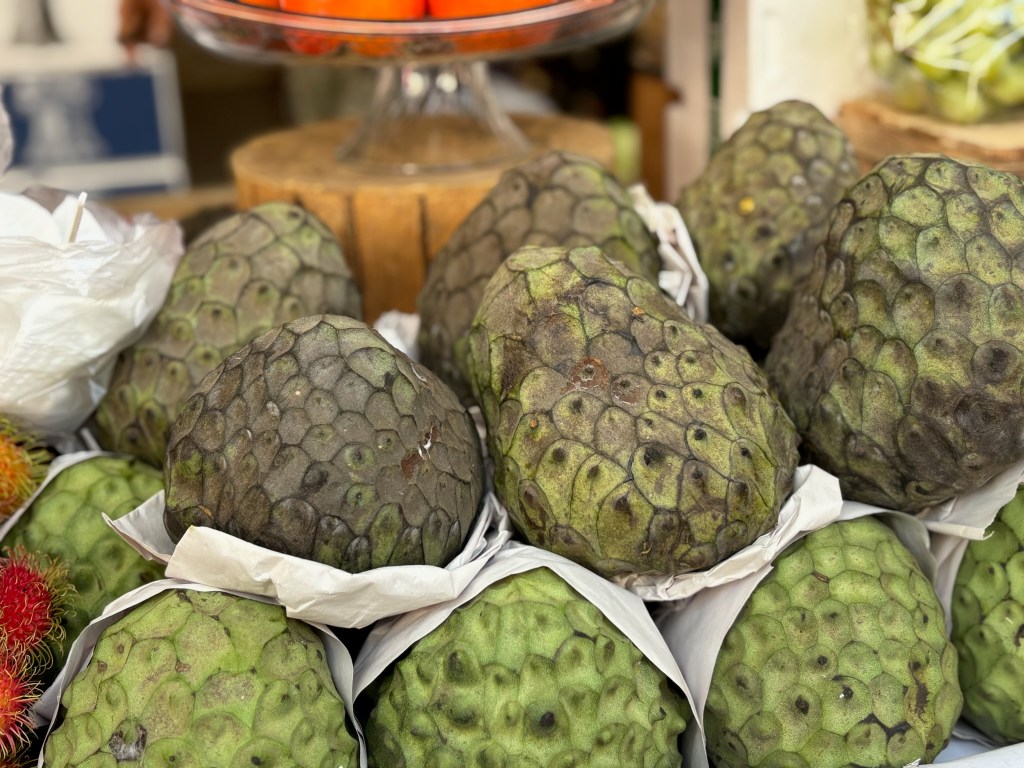
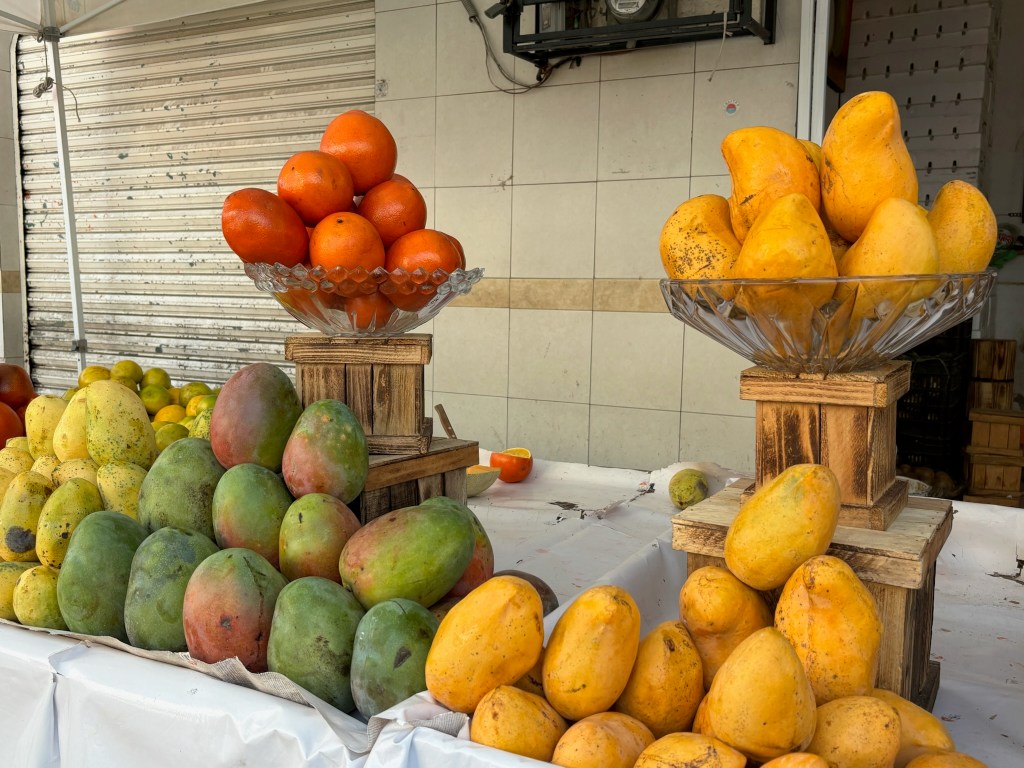
On George’s final day with us, we took the advice of Arlene and Wendy and arranged a tour of Xochimilco. Thank you Wendy for suggesting the Pre-Hispanic Floating Gardens / Traditional Celebrations tour with Sergio, a fantastic guide who shared his love of the land, its produce and especially its people. Most of these tours are on party boats but we explored the agricultural Eco-reserve Xochimilco with Sergio who drove us right past the colorful party boats to the town of Altapulco. Our tour’s purpose was to experience traditional farming methods in the area, learn about the people, the culture and sustainability. The floating farms are built from layers of grass; they are bordered by canals that have existed for generations. We were guided through farms of produce and a local friend proudly shared his fresh tamales with us. Soon after, we were escorted in a traditional wooden boat, by a local farmer and his family, through the canals towards Laguna de San Gregorio. This is the best example of Mexico City’s original landscape. Before the Spanish Conquest, the Empire of Tenochitlán was built on an island among five lakes. The Spanish filled in the water to expand the city and the damp silty landfill explains why Mexico City is sinking. Laguna de San Gregorio is the only lake left. We didn’t expect Sergio’s tour to be a tasting tour but there we were again, on the main street of Altapulco, sampling tacos and the most unique fruits. Sergio’s fruit vendor-friend proudly shared delicious samples with us. In the midst of this beautiful Saturday, there were parades, Communions and Quinceañeras going on throughout this small town, just like every Saturday. To quote Sergio, “Can you believe we are still in Mexico City?”
What we did:


Saturdays in San Ángel: Arts and Crafts
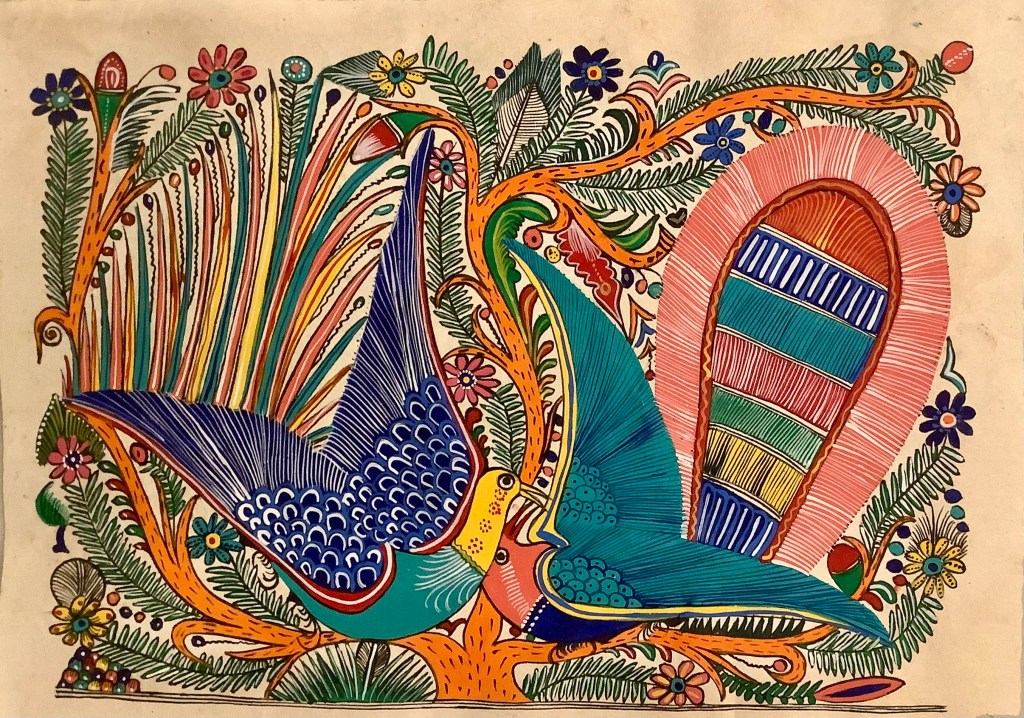
Saturday is also the day to take the Plaza San Jacinto in San Ángel and Sergio dropped us off in the center of this beautiful neighborhood. We enjoyed wandering through many artists’ displays, perusing the art (and meeting some artists). This time of year is a bonus because there is also a Christmas mercado. We found some spices, organic skincare, rosemary-induced tequila, a lace cardigan and a small colorful canvas that will hang in our next home.
Since we are now well-versed in Mexico and its important contribution to the mural art form, Andy and I made sure to visit the Diego Rivera Mural Museum with one mural, Dream of a Sunday Afternoon in the Alameda Central (1947). This museum was created around this mural, which was moved to this location (a former parking lot) after it survived the 1985 earthquake. The Hotel del Prado, the mural’s original home, was destroyed but the mural survived and was moved to its new home, right next to Alameda Central, the mural’s namesake parque. Rivera captures the history of Mexico, from left to right, including a “who’s who” of Mexican history.
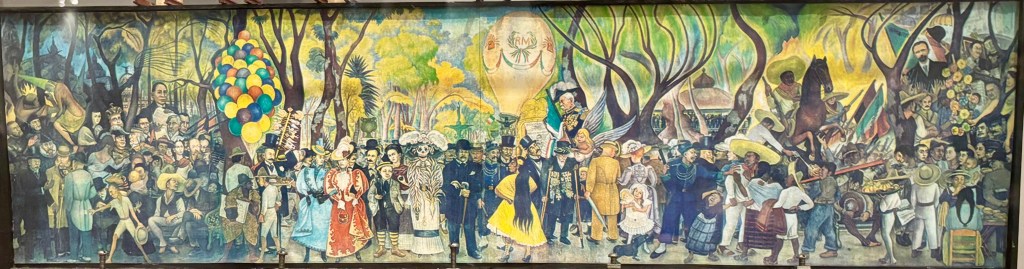
Dream of a Sunday Afternoon in the Alameda Central
Stay tuned for more stories from Mexico including more friends, a cooking class, a weekend in Oaxaca and more.
Happy December and enjoy all its festivities!
¡Feliz diciembre y disfruta de todas sus festividades!
And thank goodness for Google Translate
😘❤️🤗
 The Innocents Abroad, 21st Century Version