June 19 -June 30
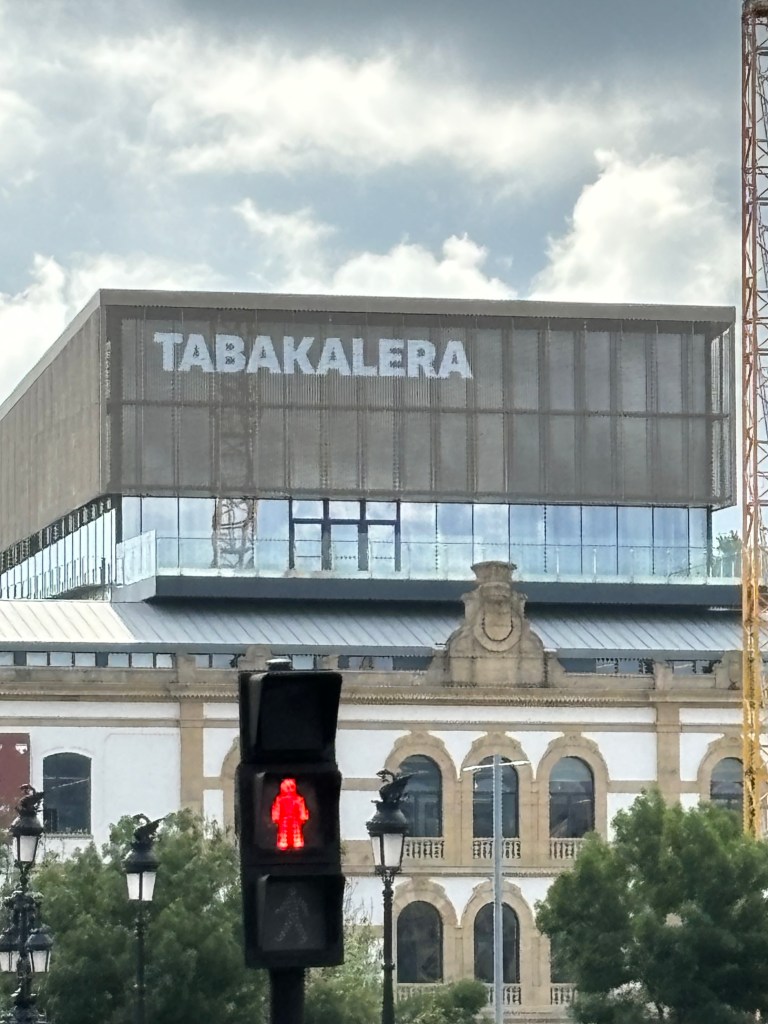
As soon as as we got our lay of the land in San Sebastián, I noticed a large building on the other side of the Urumea River with a very familiar name: Tabakalera (my maiden name is Taback). I discovered that this re-gentrified building had been the government-owned tobacco factory and eventually privatized until it was closed in 2003. This huge and space was redesigned and in 2015, transformed into San Sebastián’s Center for Contemporary Culture.
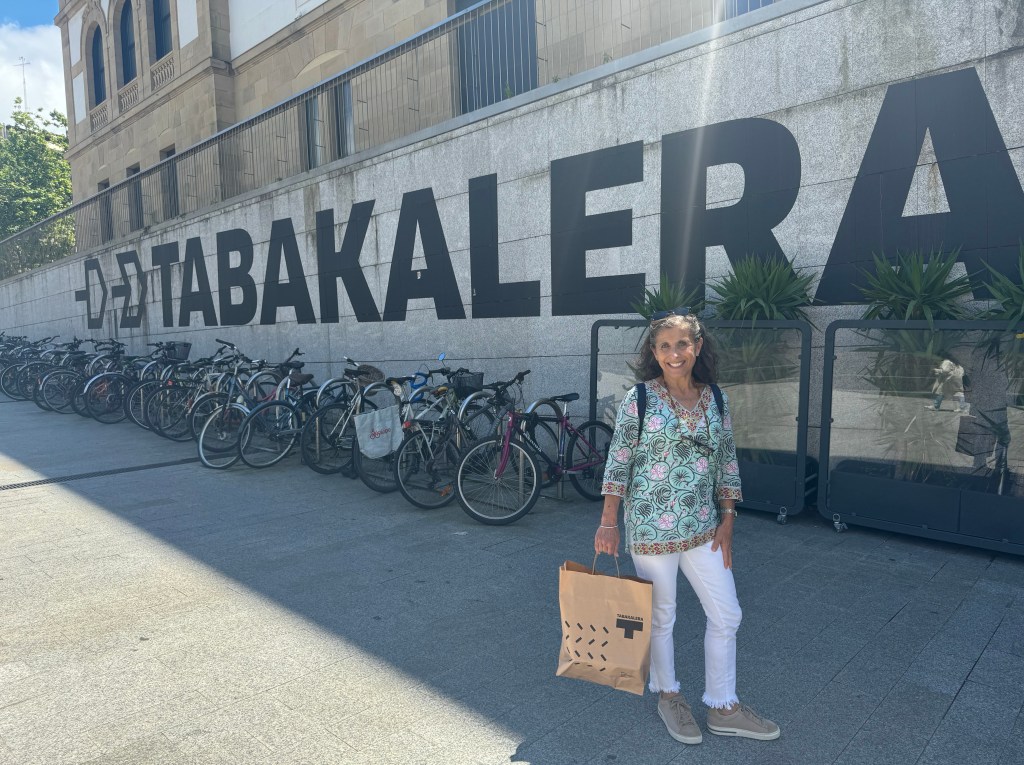
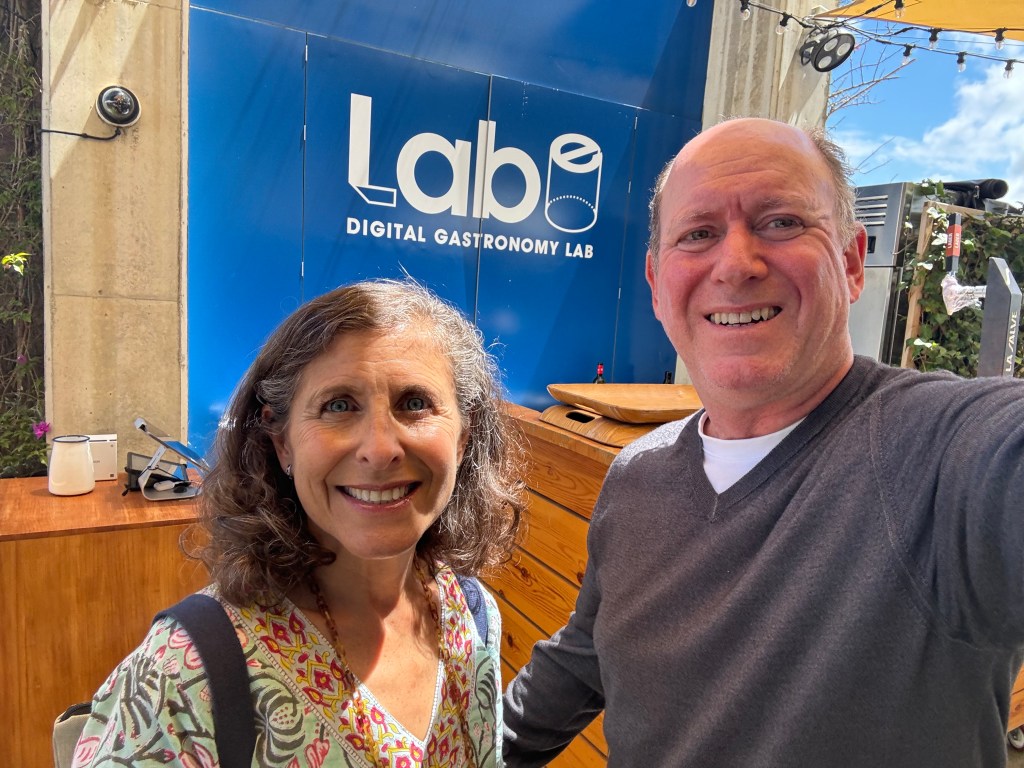
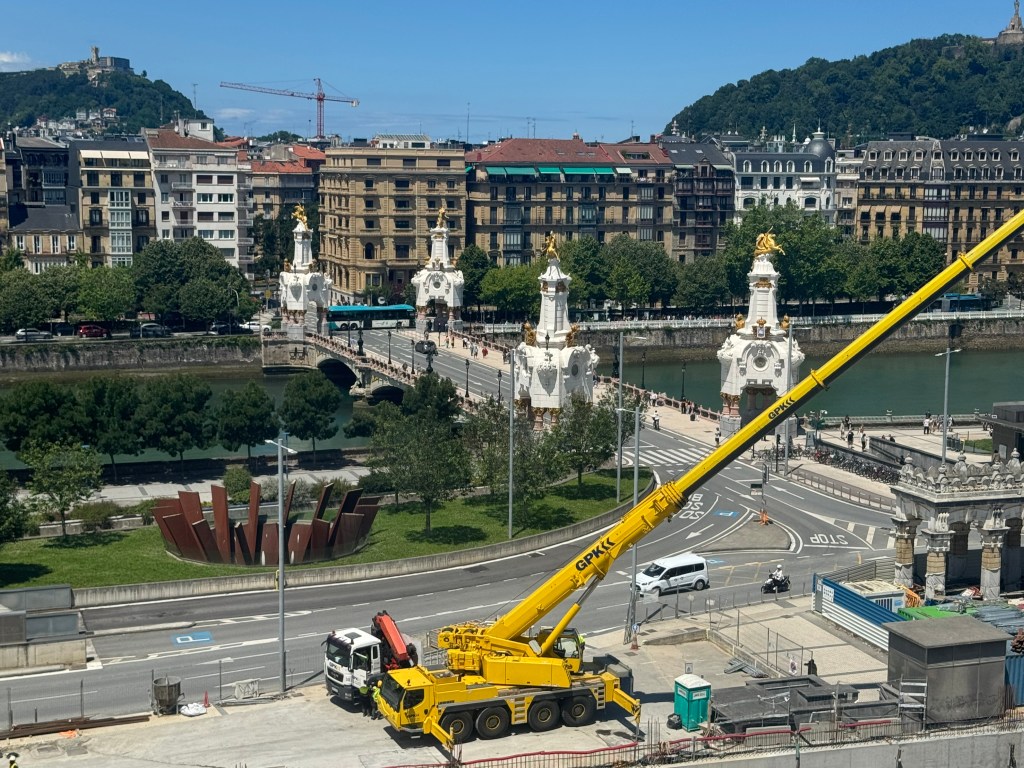
We arrived with plenty of time to peruse this huge space. It is open to the public and includes art installations, art galleries, meeting rooms, theaters and a huge modern library. There are verandas with panoramic views of San Sebastián, including our lunch spot, LABe, a restaurant with innovative, healthy and local cuisine. We enjoyed the beautiful lunch on the terrace with great city views.
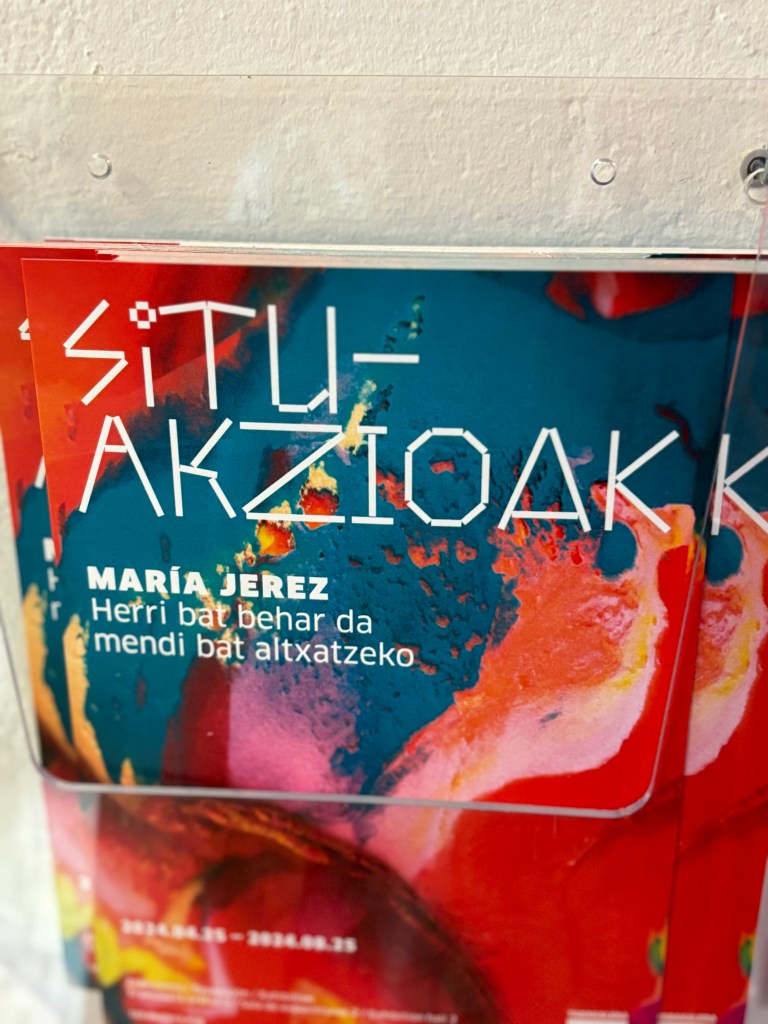
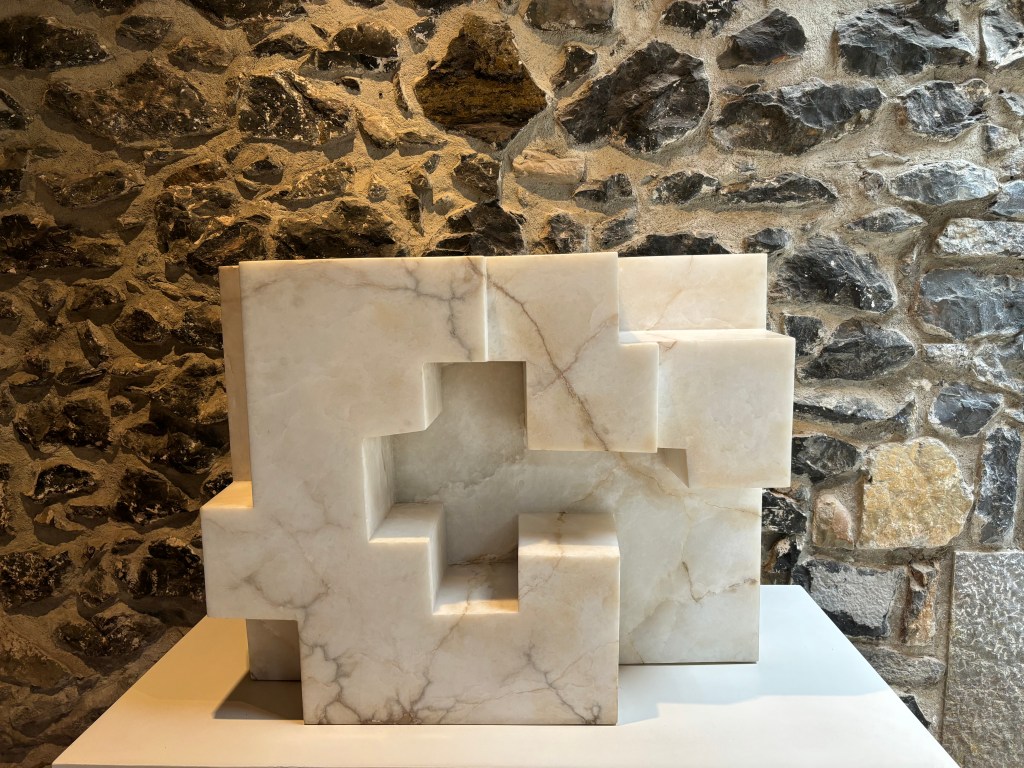
The Chillida Ianean exhibition: It seems the sculptor Eduardo Chillida (1924-2002) is everywhere in Basque Country. This was Chillida’s home and 2024 marks the one hundredth anniversary of his birth. One of the galleries at the Tabakalera was devoted to Chillida’s work through the lens of photographer Jesus Uriarte. The two artists developed a rapport beginning in the early 1980’s, when Uriarte began to shadow Chillida and this exhibit highlighted their relationship, focusing on the sculptor’s work in paper, earth, steel and concrete.
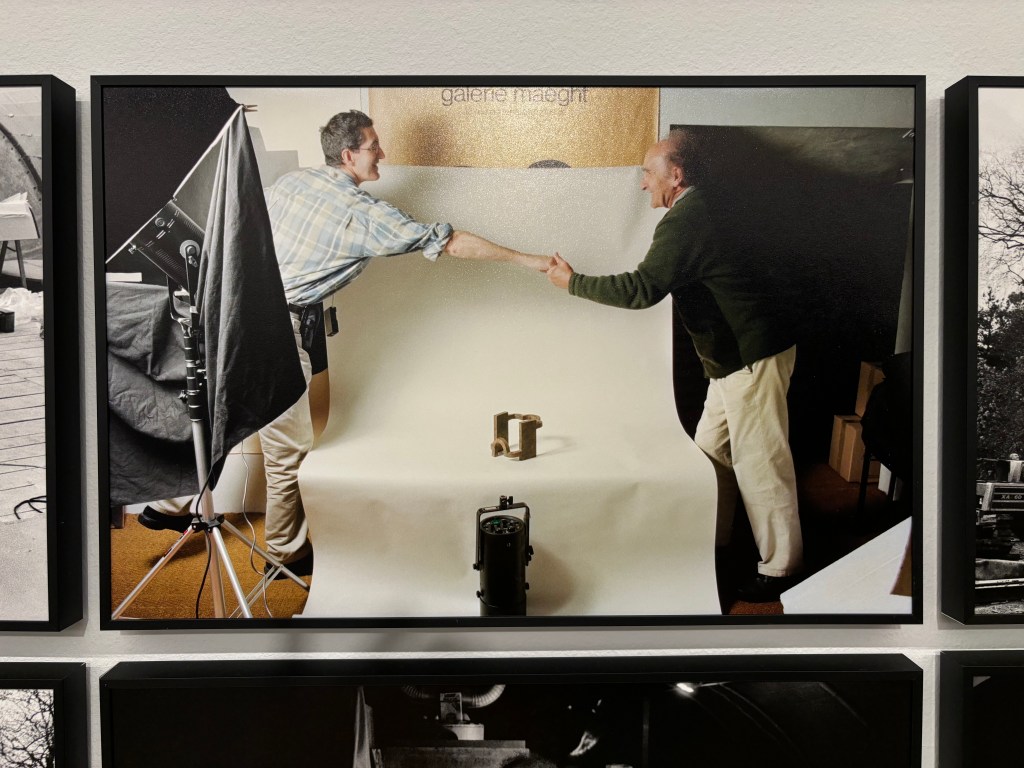
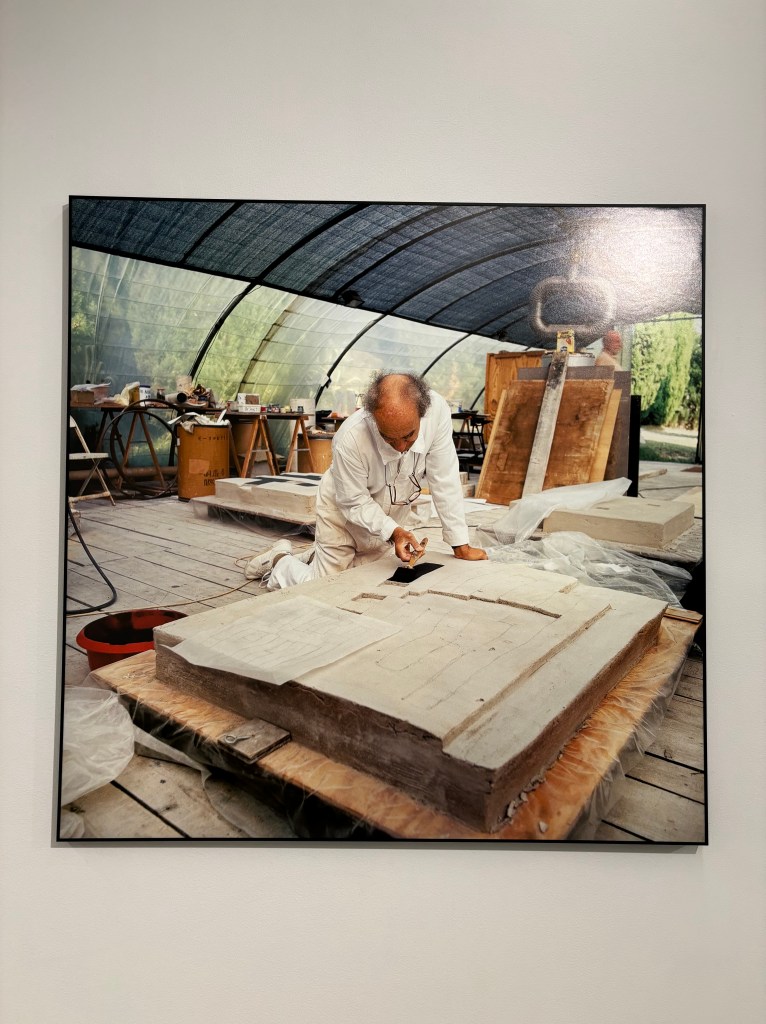
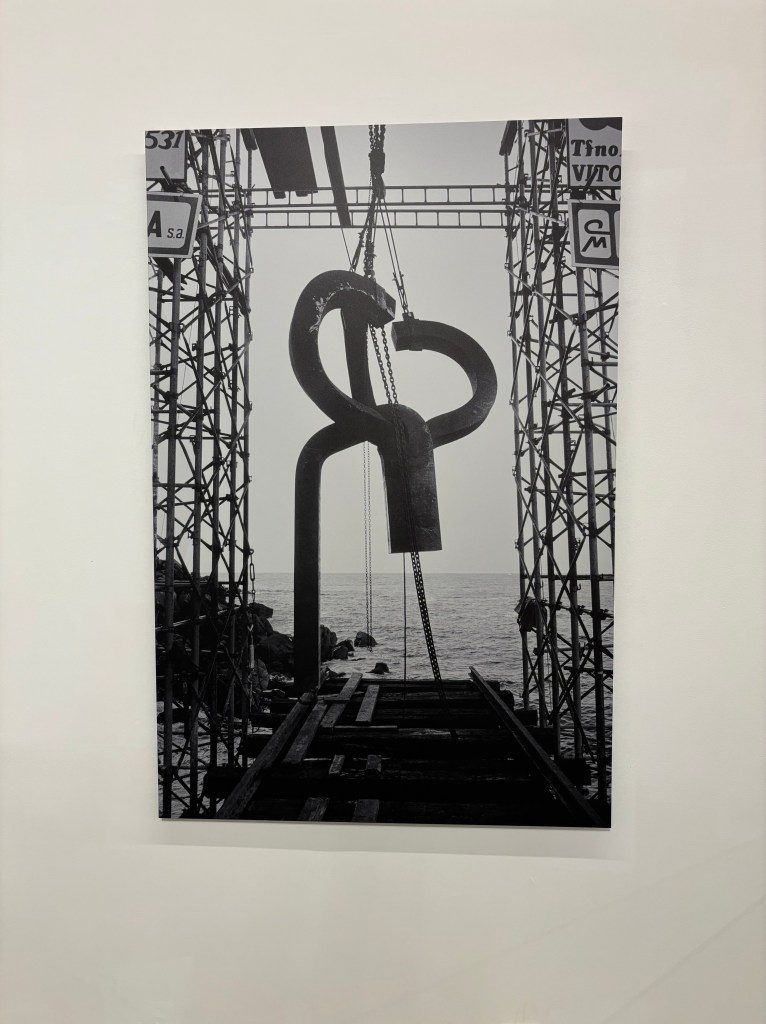
More Eduardo Chillida to follow!
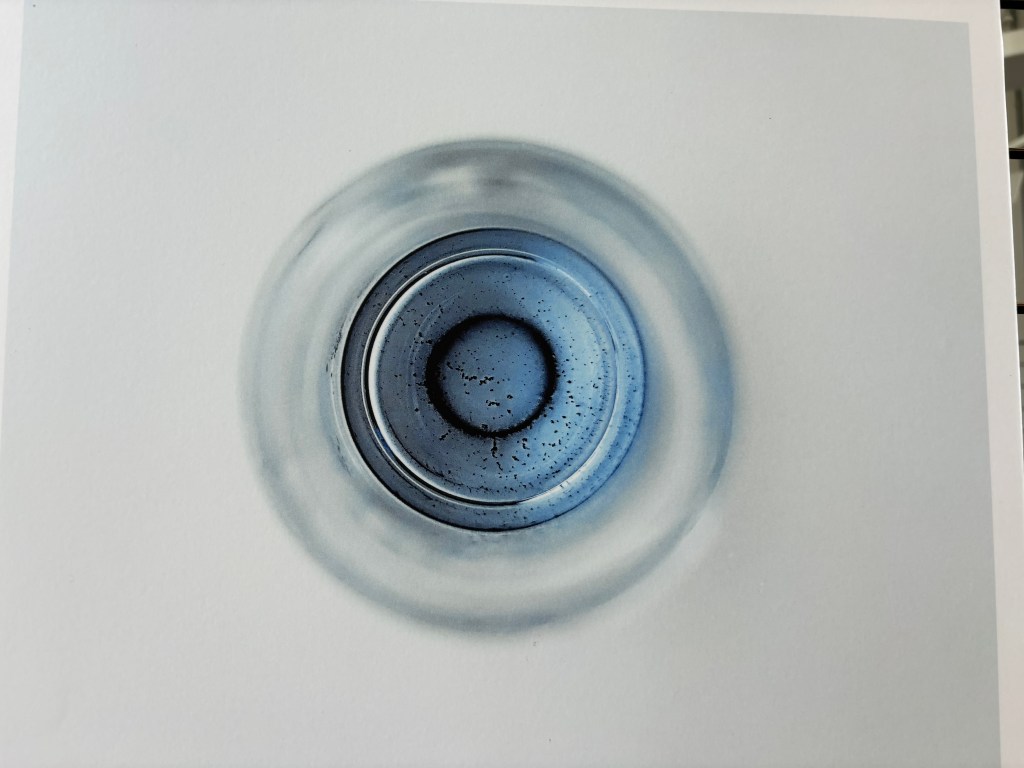
We also enjoyed a photography exhibit that magnified scientific subjects from a new perspective.
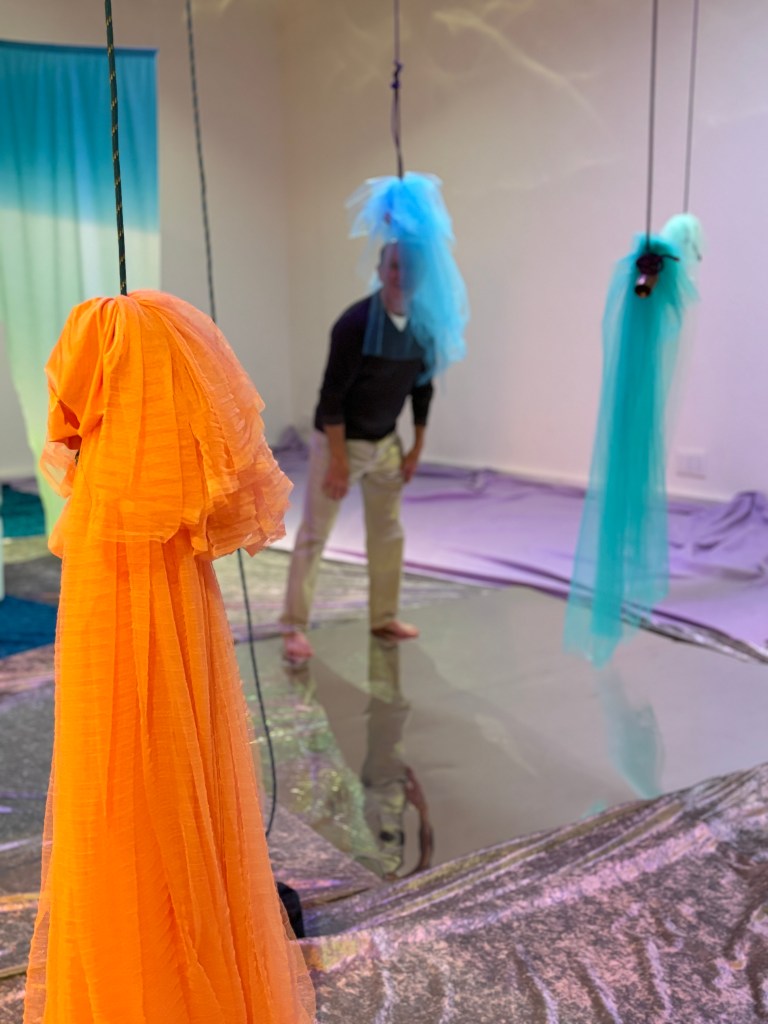
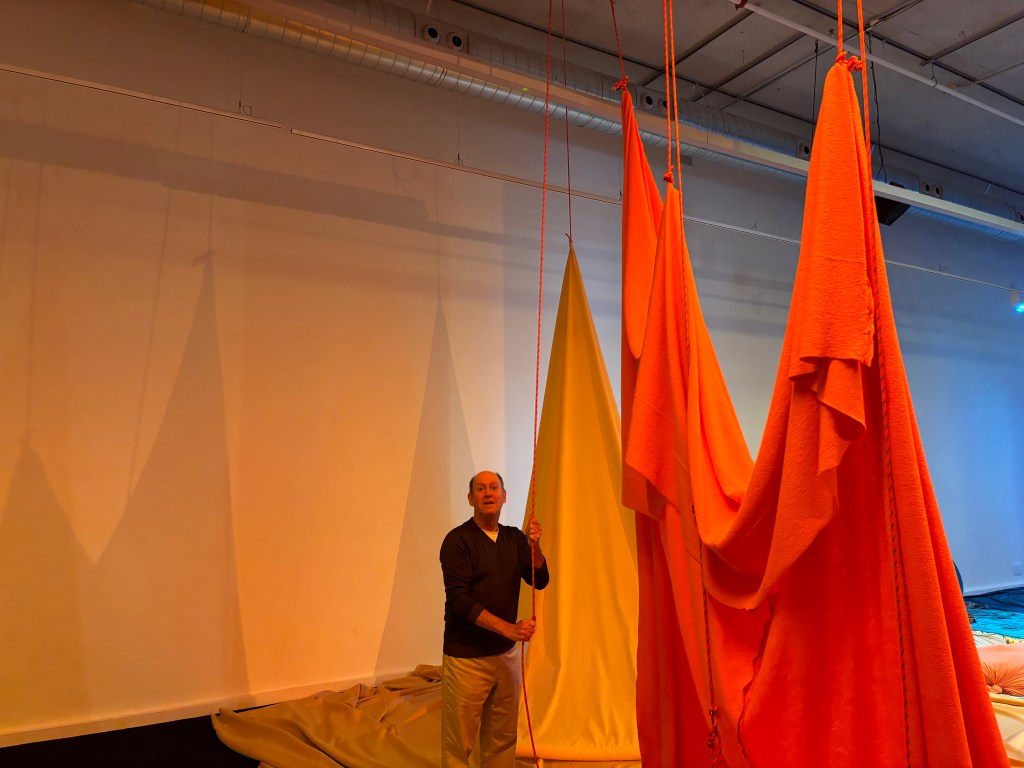
And for the kids, there was an interactive art exhibit where participants (after removing their shoes) could become part of the art.
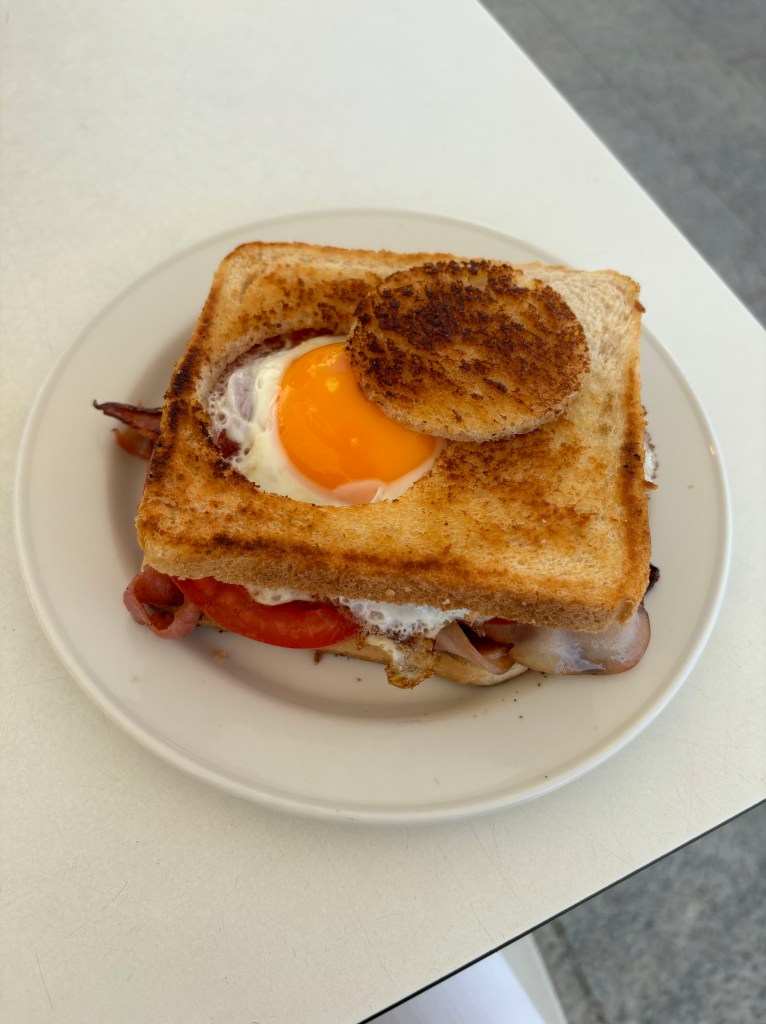
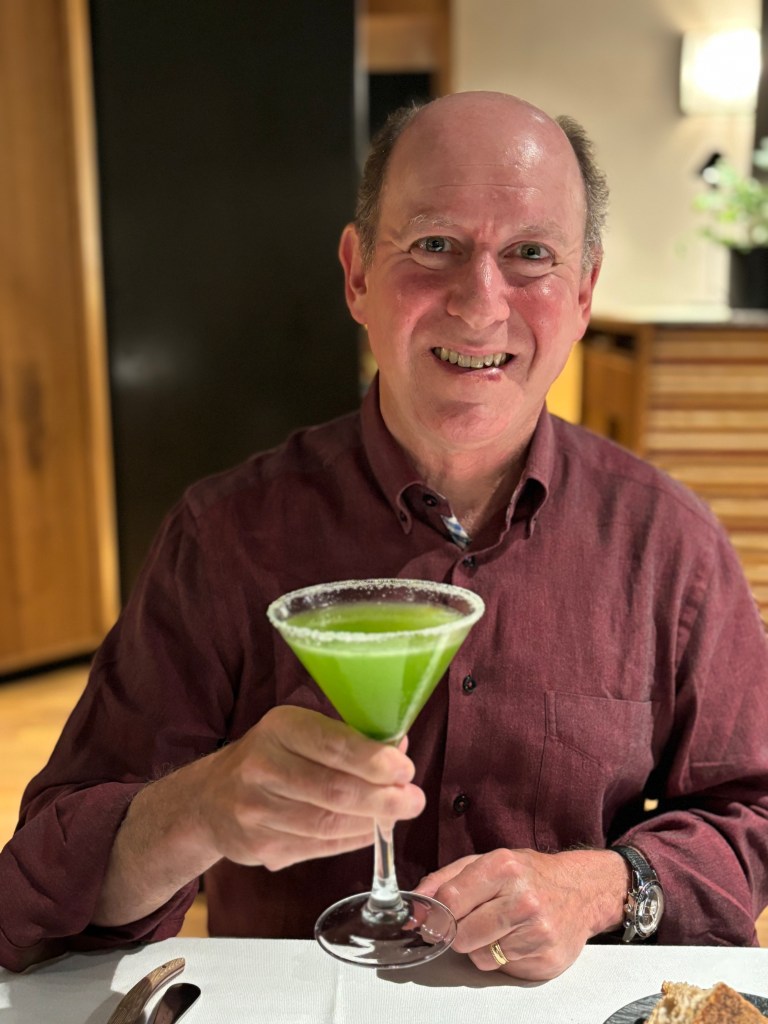
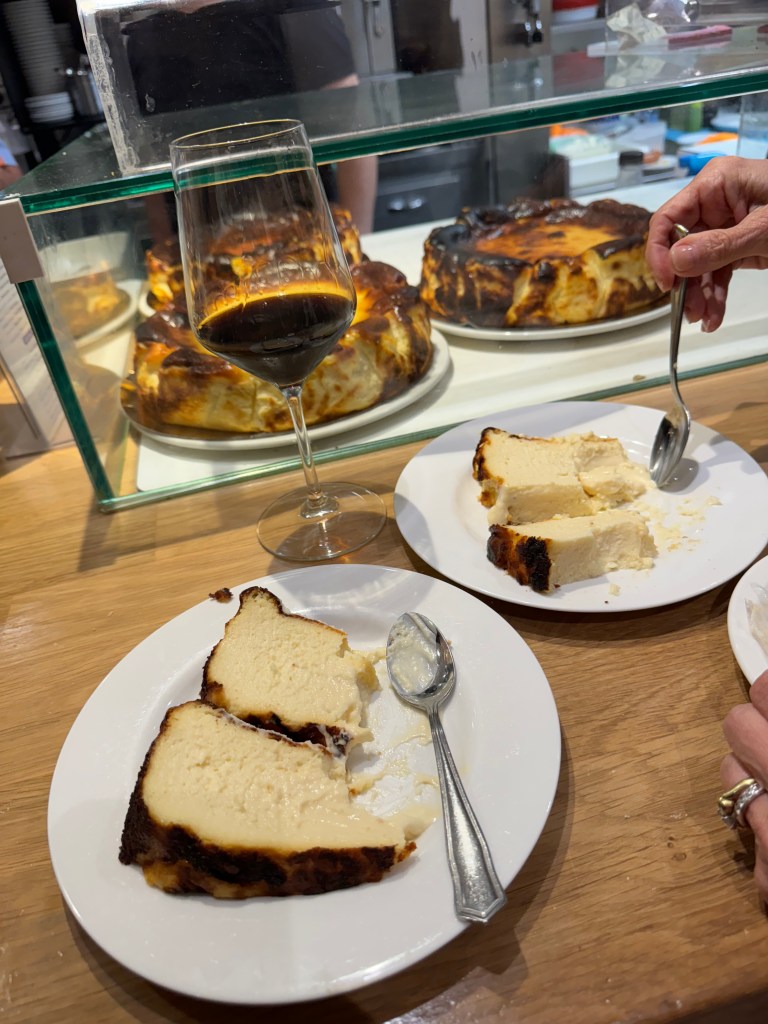
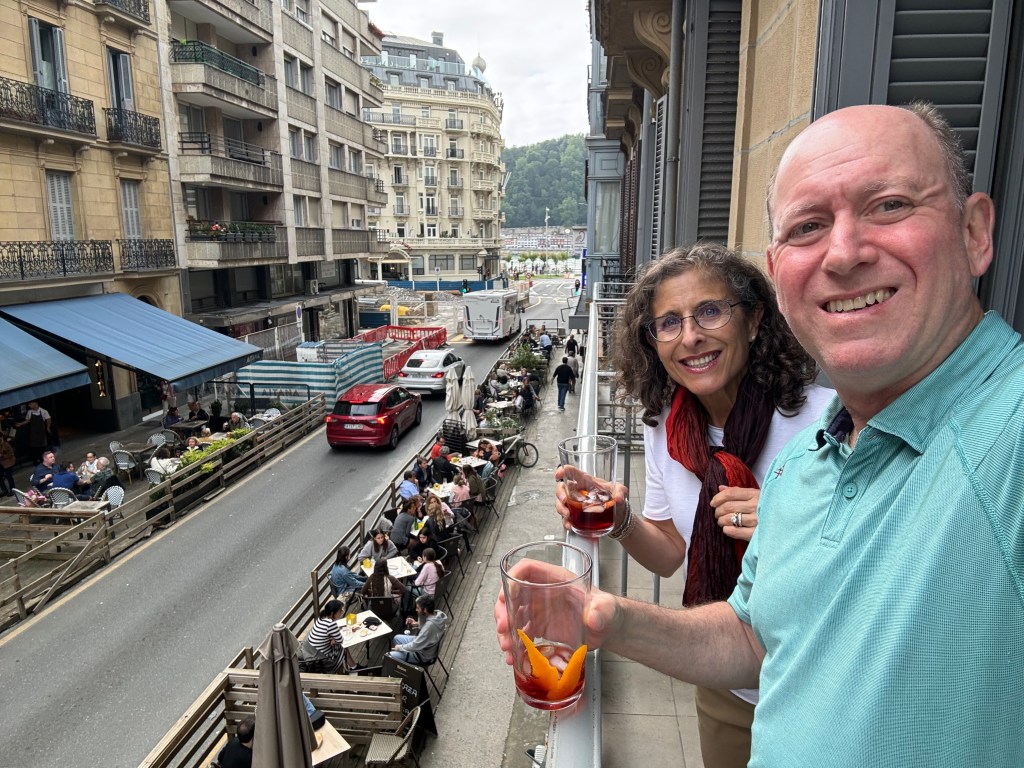
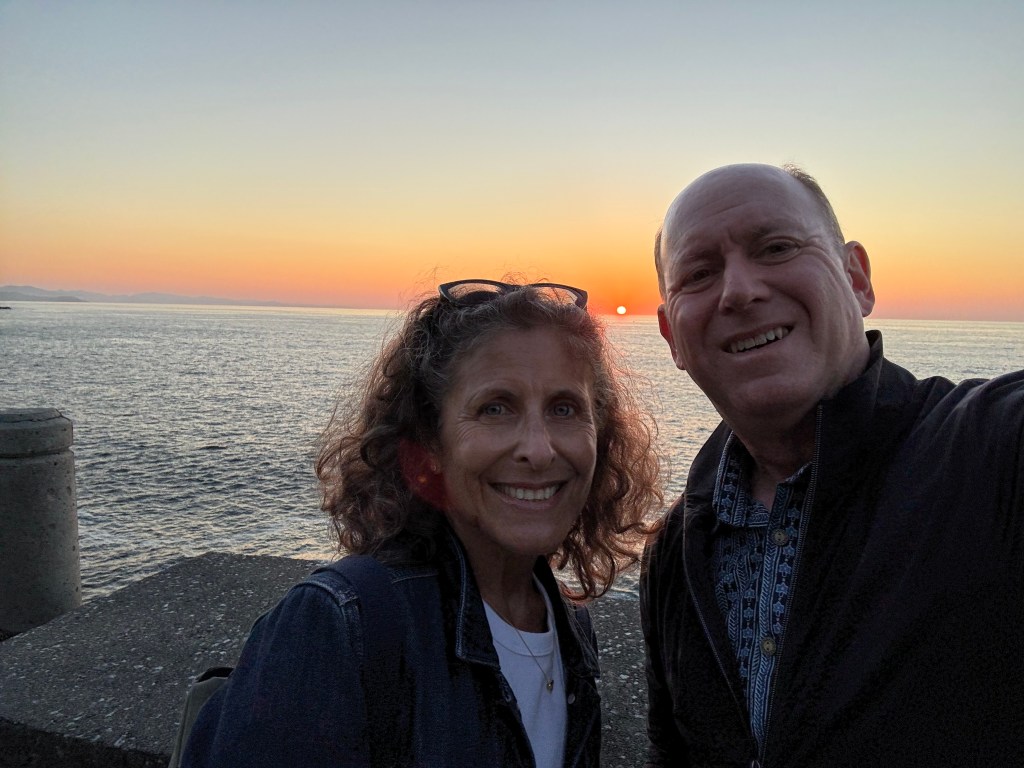
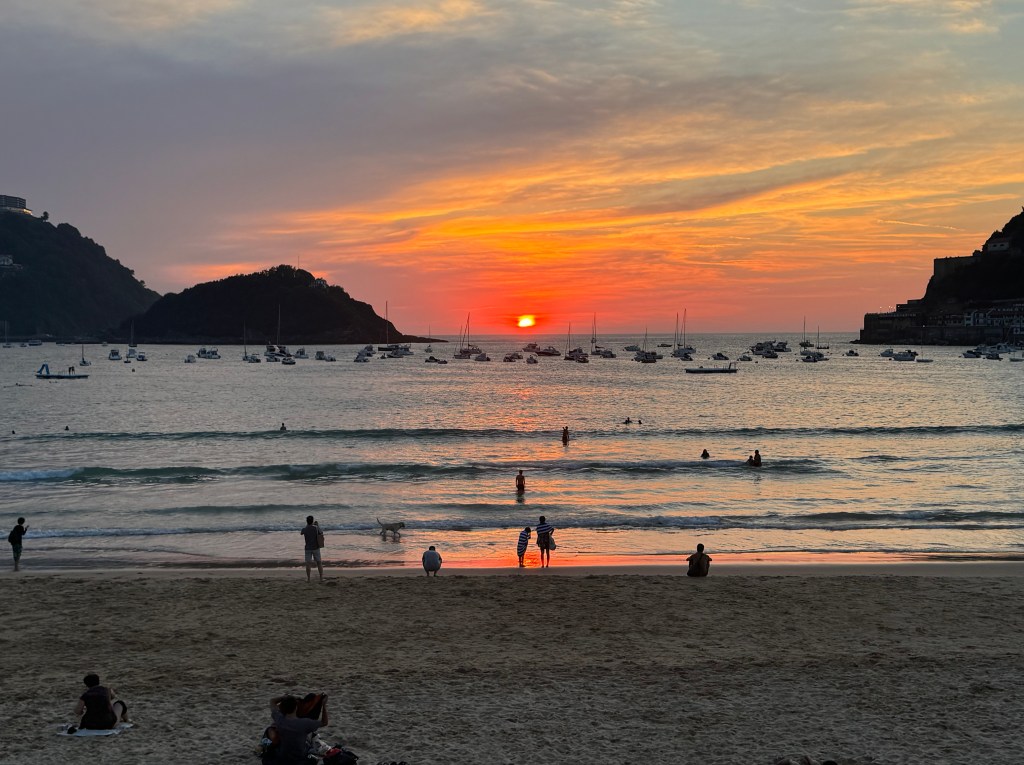
About Basque cuisine, I must share that if one skips the jamon and is careful about the pastries (we found that croissants in Spain are sweeter than those in France), the food of this region is about as healthy one can get. So much fresh fish, vegetables and “good” fats like olive oil are on every menu. And most diners include a glass of Txakoli (a slightly sparkling, dry white wine), Sagardoa (the local apple cider) or Rioja. I tempered my alcoholic intake but enjoyed these local specialties. Whether we dined at a restaurant or enjoyed a pintxos-hopping experience, we took after-dinner strolls along the Bay of Biscay promenade with the perfect view of sunset. We enjoyed the regional cuisine at restaurants Narru and Portvetxe Erretegia Asador. And we really liked the cheesecake at La Viña.
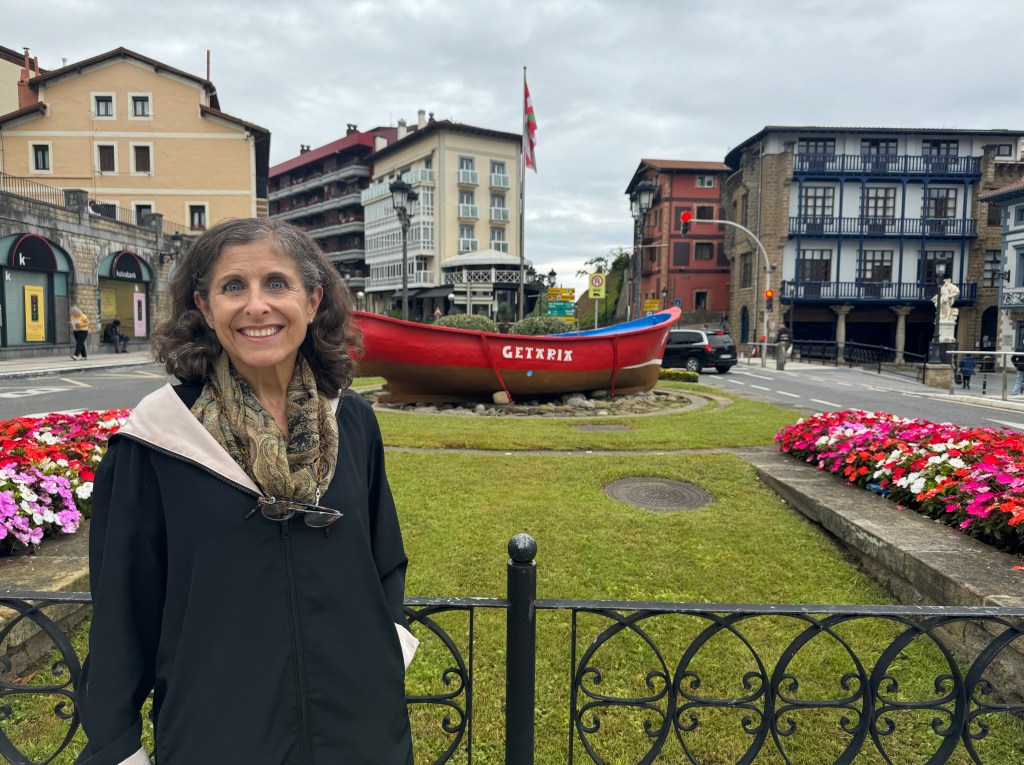
Usually we walked wherever we wanted to go but on occasion, we used the excellent public bus system. The Cristóbal Balenciaga Museum in nearby Getaria was one such occasion. Getaria is the birthplace of couturier Cristóbal Balenciaga (1895-1972). What a treat to witness this master’s creativity and innovations. Andy joined me and while he got through the exhibits faster than I, he was happy to have accompanied me on this field trip.
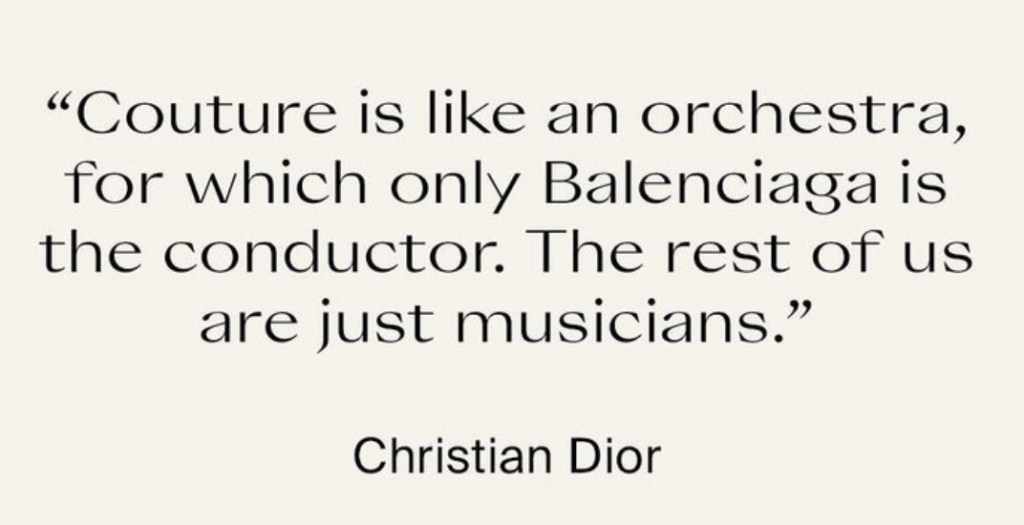
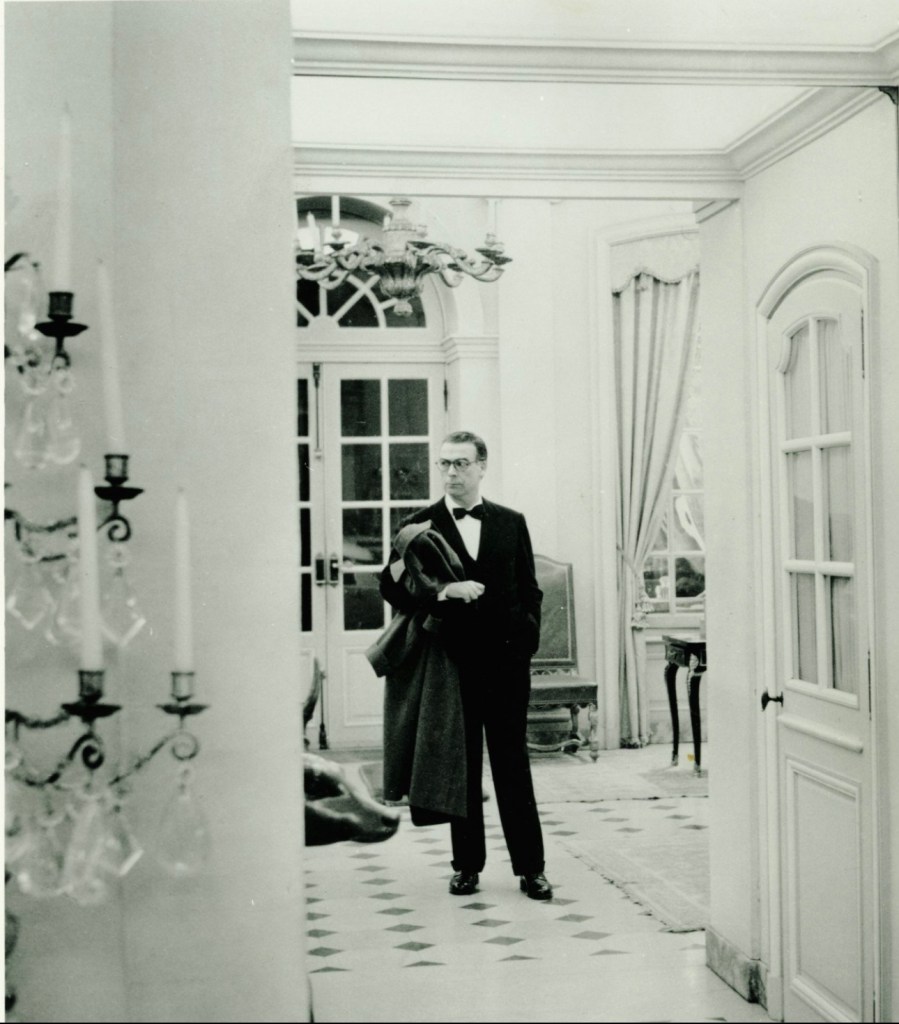
We in the apparel industry often say we went into the business because it was in our blood (so I guess that’s what Balenciaga and I had in common). Cristóbal Balenciaga’s mother was a seamstress, employed in the home of the Marquesses of Casa Torres. By the time he was a teenager, Balenciaga was designing dresses for the family of the Marquesses and at age 22, he opened his first business; the word was out. In 1938, Balenciaga’s couture house premiered in San Sebastián. He relocated to Paris amidst the Spanish Civil War (1936-39) but maintained a line called Eisa in Spain. The House of Balenciaga suspended operation during World War II, although it has been reported that Balenciaga benefited from his relationship with Franco (he dressed some Franco women) who was an ally of Hitler but Balenciaga himself claimed that he refused Hitler’s offer to relocate his design House to Germany during the war. In 1949, Balenciaga was able to reopen and began to transform fashion. His creations were stylistically different from Christian Dior’s New Look of 1947 and Dior revered Balenciaga’s work, pronouncing him, The Master of us all. Hubert de Givenchy referred to Balenciaga as the architect of Haute Couture and Coco Chanel is quoted as stating Balenciaga was the only true couturier.


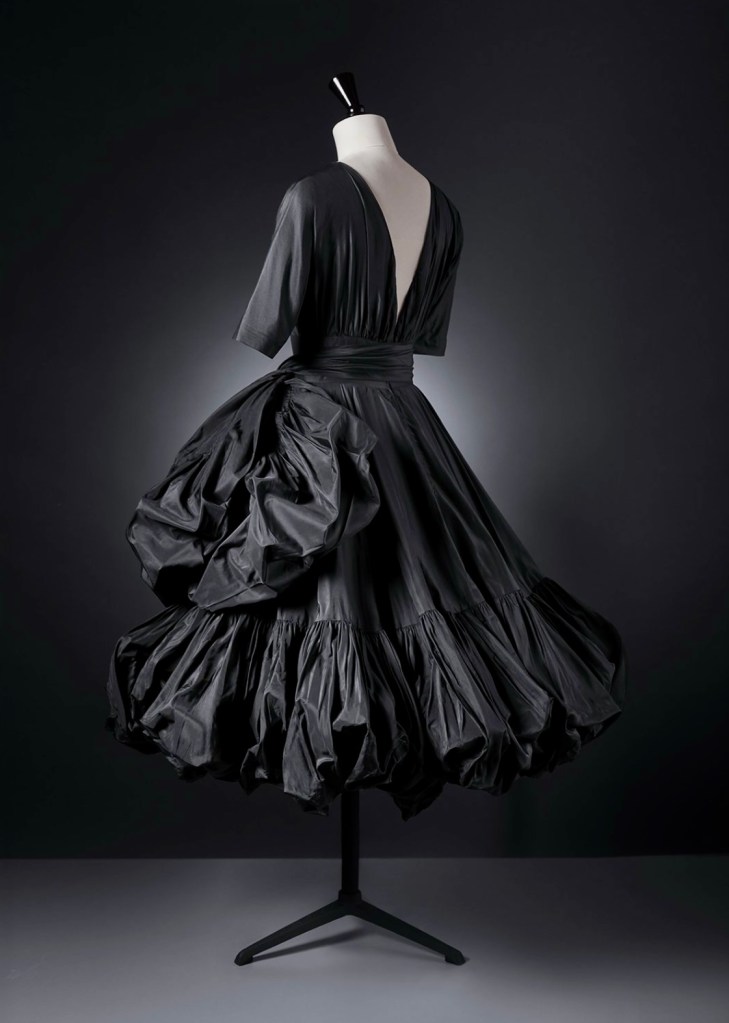
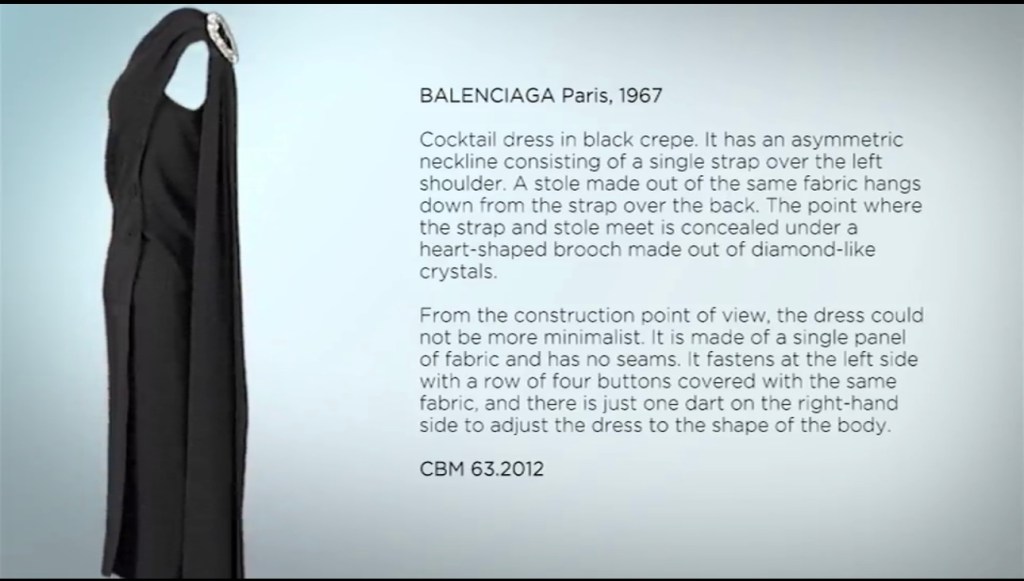

Balenciaga influenced the next generation of designers including Oscar de La Renta, Andre Courrèges, Emanual Ungaro and Hubert de Givenchy, many of whom began their careers under Balenciaga’s tutelage. Balenciaga’s innovations fed right into the minimalism of fashion that I remember from the 1960’s (think Twiggy). But truth be told, many of the designer’s clients were more “mature” ladies so Balenciaga’s looser silhouettes concealed “a multitude of sins” by eliminating her waistband and enhancing her assets.

Fabrics, cutting techniques and the female form were key to Balenciaga’s design. He strove for perfection and simplicity. Balenciaga was influenced by Madame Madeleine Vionnet (1876-1975) who popularized the bias cut dress and he introduced new silhouettes before retiring and closing his house in 1968. Some of Balenciaga’s innovations include:
Tonneau or Barrel line (1947)
Balloon skirts (1953)
Tunique (2 piece dress 1955)
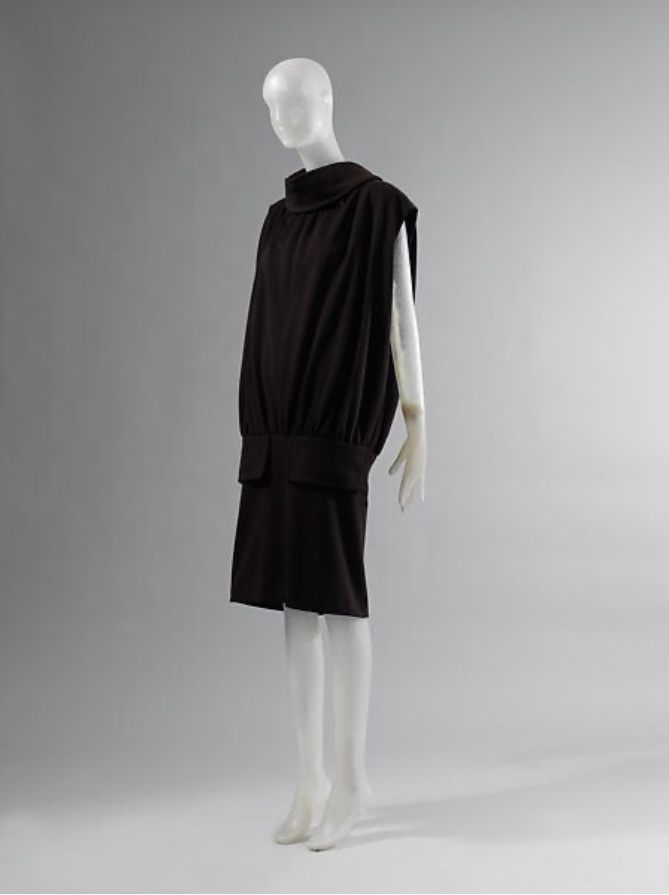
Sack dress (1957, with a pronounced curved back)
Chemise (1957)
Cocoon coat (1957)
Baby doll dress (1958, trapezoid shape, no waist)
Semi-fitted suits (1958)
Balloon/pouf skirts (1958)
Empire (1958, raising the waistline)
Peacock-tailed dress (1959)
In 1958, Balelnciaga worked with the Abraham textile company, exploring new ways to weave silk, making it stand out. This collaboration brought us silk gazar which enabled Balenciaga to add a sculptured element to his designs. He also wanted to shape the collar of his dresses so that the collar stood away from a woman’s neck, elongating her neck (whether it was long or not).
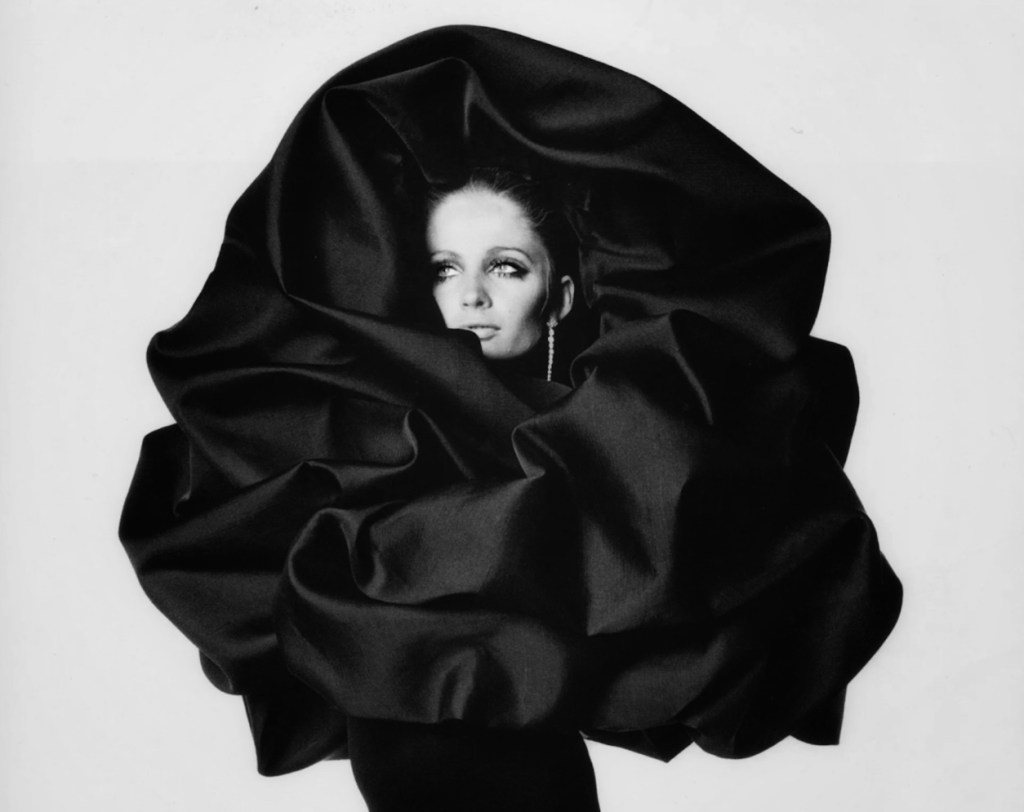
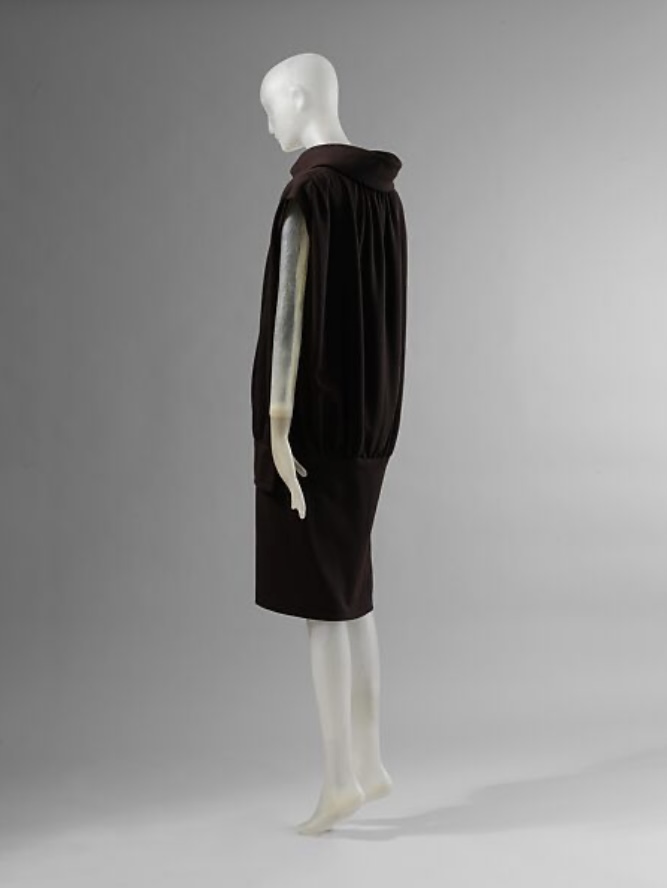
Balenciaga retired in 1968 and his label remained dormant until 1986 when his house was relaunched by the Bogart Group which eventually became part of the Gucci Group (PPR), now part of Kerring (François Pinault). Since 2015 Balenciaga is designed by Demna Gvasalia.
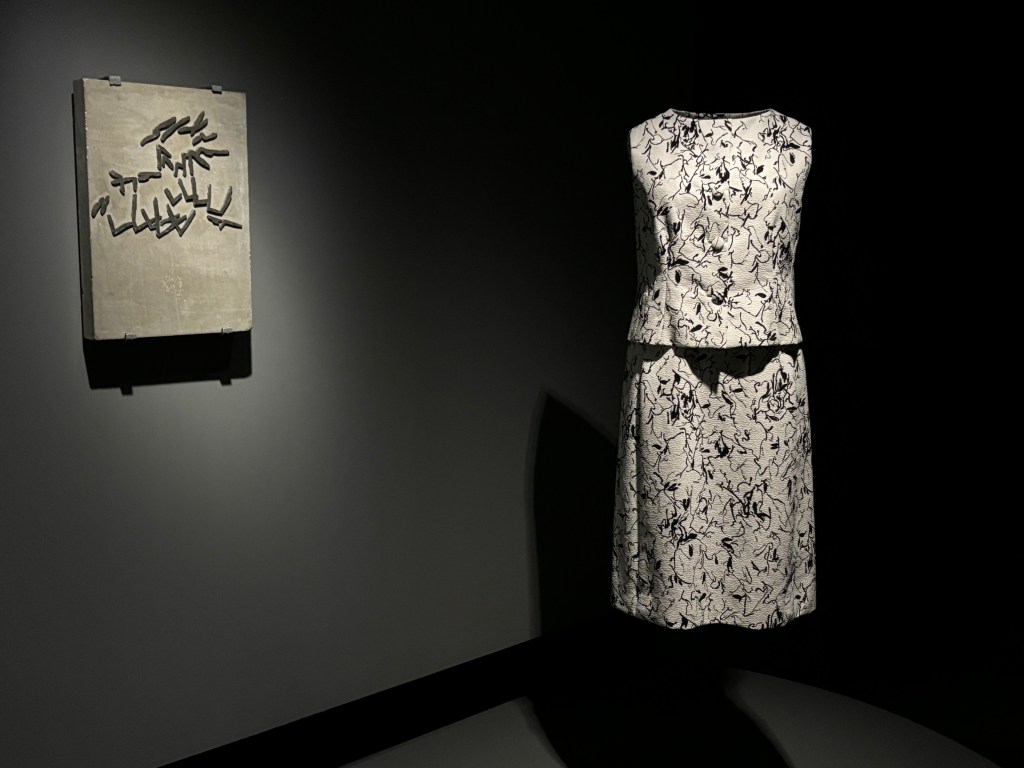
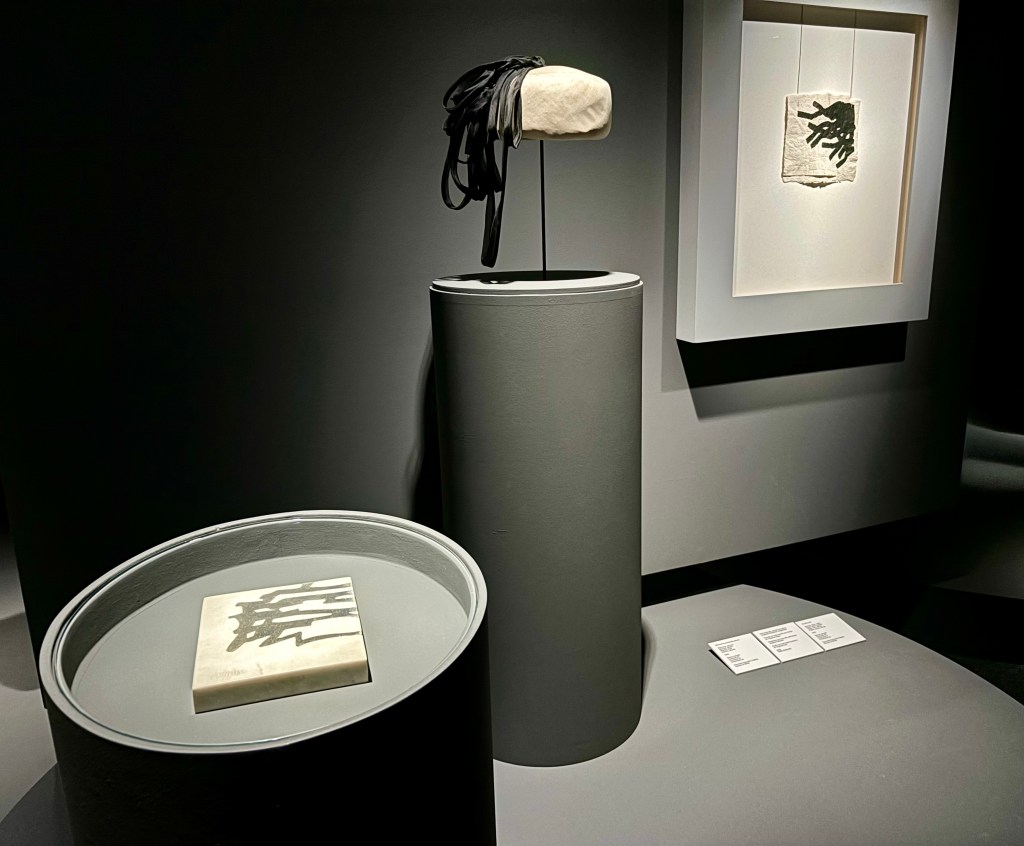
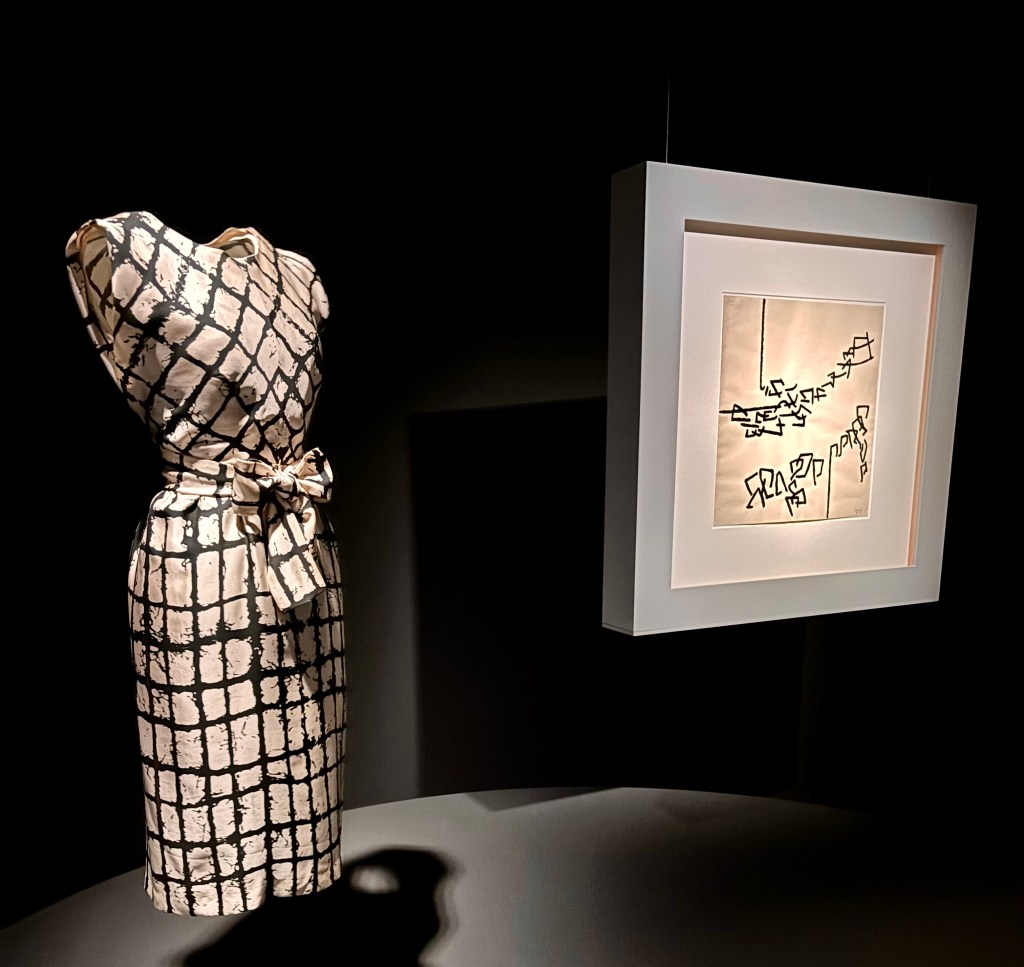
There were two other exhibits at the Balenciaga Museum. Guess what? One of them compared Balenciaga’s designs with that of sculptor Eduardo Chillida: Chillida Balenciaga. At first I thought this was a stretch but I went with it and saw what the curator meant by juxtaposing these two creative Euskaldunaks (that’s Basque for a native).
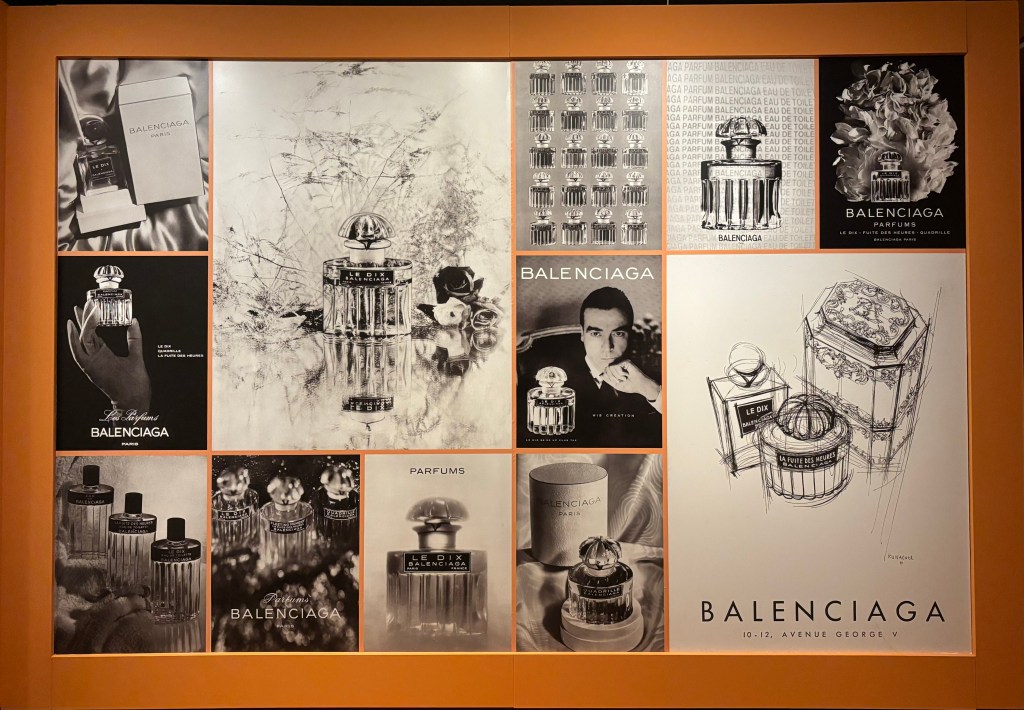
The Perfume in the Time of Balenciaga: According to Coco Chanel, perfume is the unseen, ultimate fashion accessory. The exhibit highlights the Spanish and French influence on the perfume industry, going back to Balenciaga’s lifetime. Fragrances, their bottles and advertisements contributed to the sense of luxury, beautifully displayed. And, bonus: I learned that one of the original San Sebastián fragrance houses is still in business today so of course I had a lovely field trip to the Benegas store (since 1908).
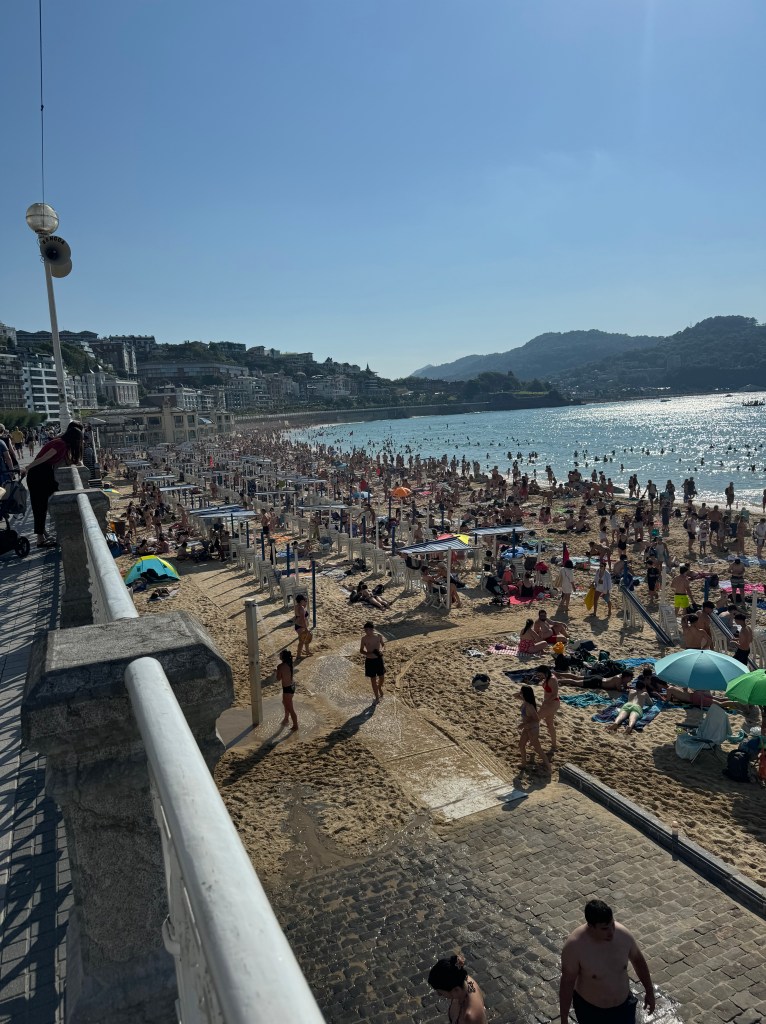
Between sightseeing and the day-to-day apartment upkeep (which included cooking a bit – one cannot go out for every meal), I kept busy while Andy did his bike rides and his work. That included writing and, if I have a good audiobook, there is nothing better than going for a run along the Bay of Biscay promenade. Even better for a runner is the fact that it’s so nice that upon completion of a run, there is no more beautiful a place to stretch than on said promenade. The views and people-watching are fabulous and quite entertaining. In spite of the often cooler weather (yes, folks were still wearing down jackets in June, but), if there was any sun at all, the beach was jammed with people of all ages and shapes, dressed in as little as possible (no matter their age). A typical scene is of a person, dressed in street clothing, arriving at the beach, draping a towel (or a friend helps) so a quick change can be made into a two-piece (although often it is one piece of a two-piece). Modesty? None whatsoever, which is why I cannot seem to figure out the towel for changing bit but that seems to be the custom. We enjoyed the beach after our morning exercise, entertainment and all – best people watching ever!
Saturday, June 22
Excursion to France, la Côte Basque
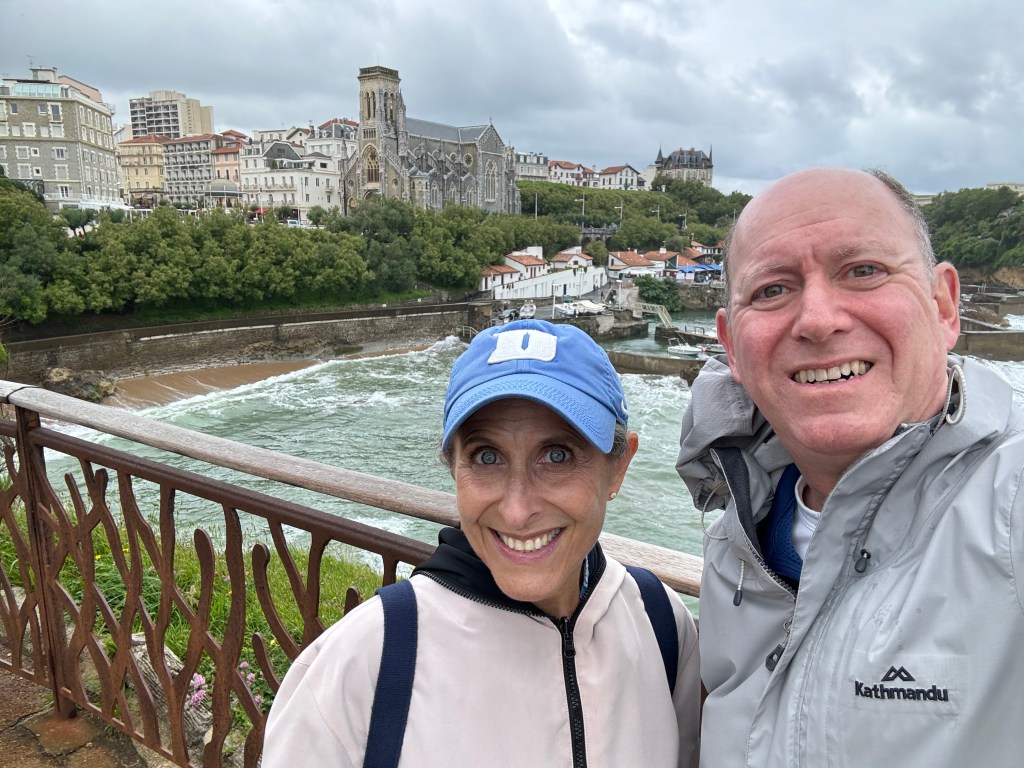
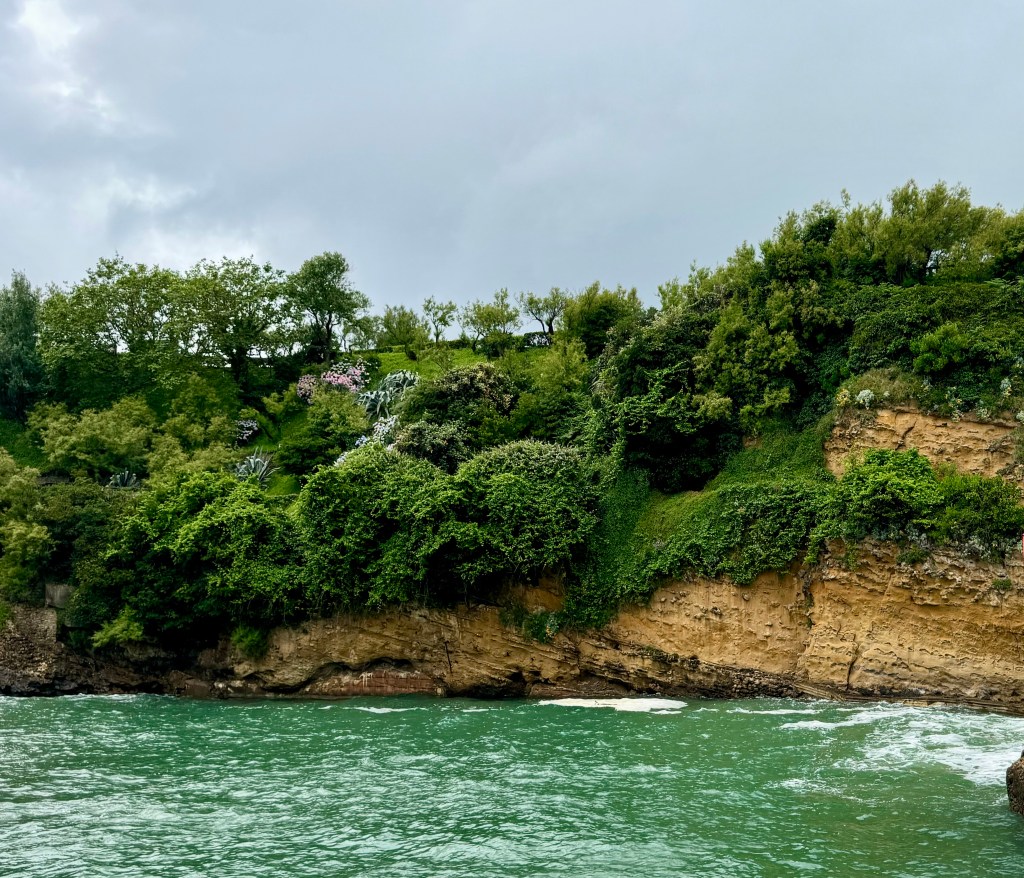
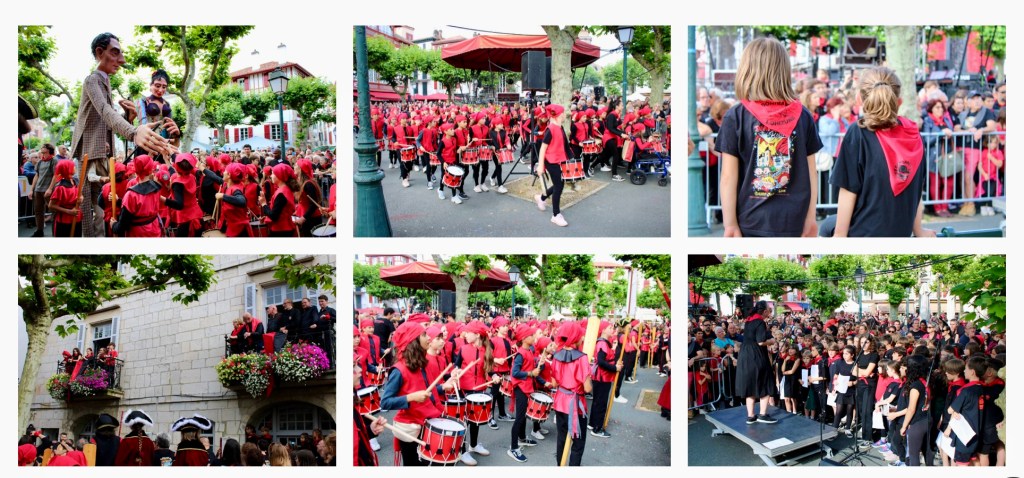
We rented a car to cross over to our beloved France, following the Bay of Biscay north. Our first stop was the quaint town of Saint Jean de Luz. How lucky were we (to find a parking spot). Streets were closed and almost everyone was dressed head-to-toe in black but for the bright red scarf around the neck. Turns out we visited during the four day festival celebrating Saint John (John the Baptist) as well as the summer solstice: Luzien musicians performing, races running, and dancing in the streets. These were just a few of the activities we witnessed. Had we only known in advance (we were underdressed for the occasion). We enjoyed watching the kids’ running race and the festivities from one of the very busy cafes on the main square. From there we continued on to Biarritz, another beautiful resort town with fabulous beaches and scenery, even on freezing cold, windy and rainy days, which is what we experienced there.

We enjoyed a delicious lunch at Le O2 Verdun and then spent the afternoon clocking six miles while dodging the wind and the rain (the sea was angry that day!). Fortunately, there were always convenient cafes and shops for escaping foul weather.

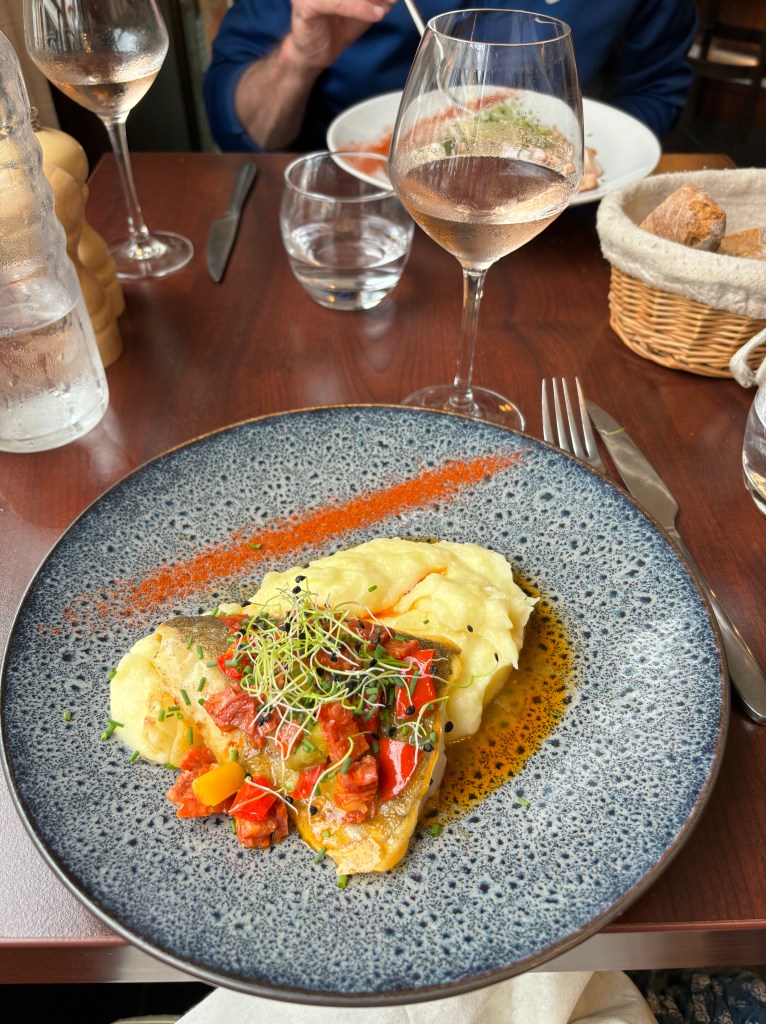
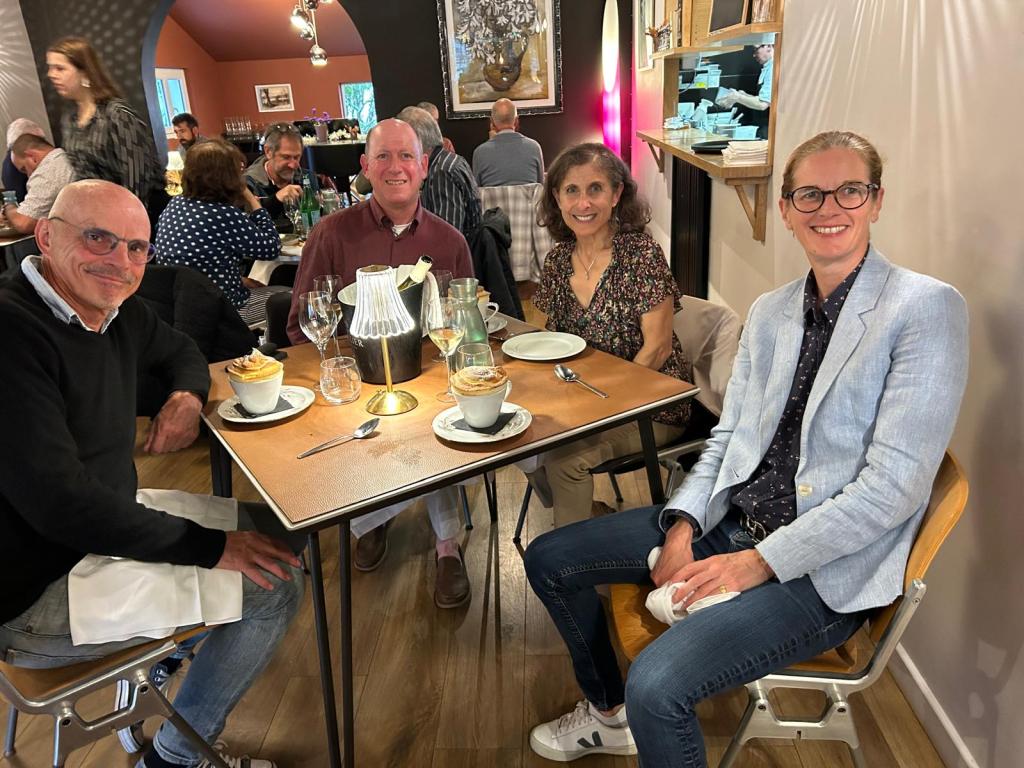
Our Saturday evening was quite special as we met up with Julie, whom we had met in Paris, and her husband, Jean-Marc, at restaurant Le Marion. Conversation went from golf and biking to the crazy political situation both of our countries are experiencing. We did not solve any of the world’s problems but it was interesting to compare notes and commiserate.
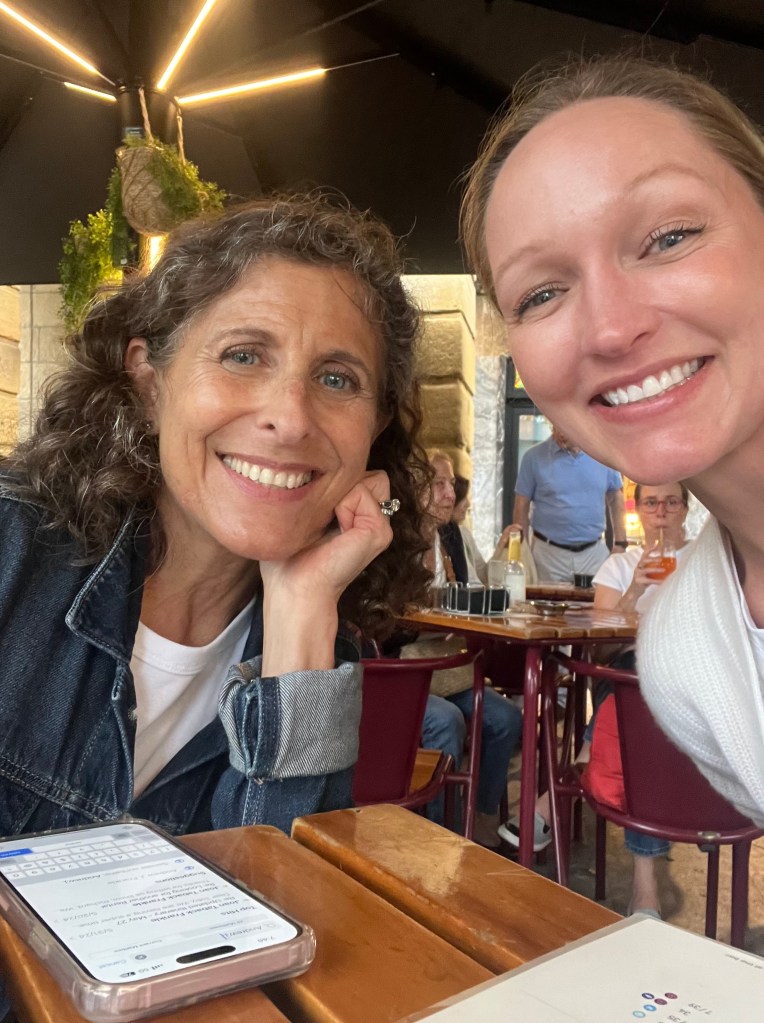
We have been so fortunate to meet friends and friends of friends during our travel. In fact, our Paris friend Lisa recommended San Sebastián. When planning autumn in Paris, my friend Hadley connected me with her friend Logan but we never had the pleasure of meeting. In San Sebastián we overlapped and hope to do so again.
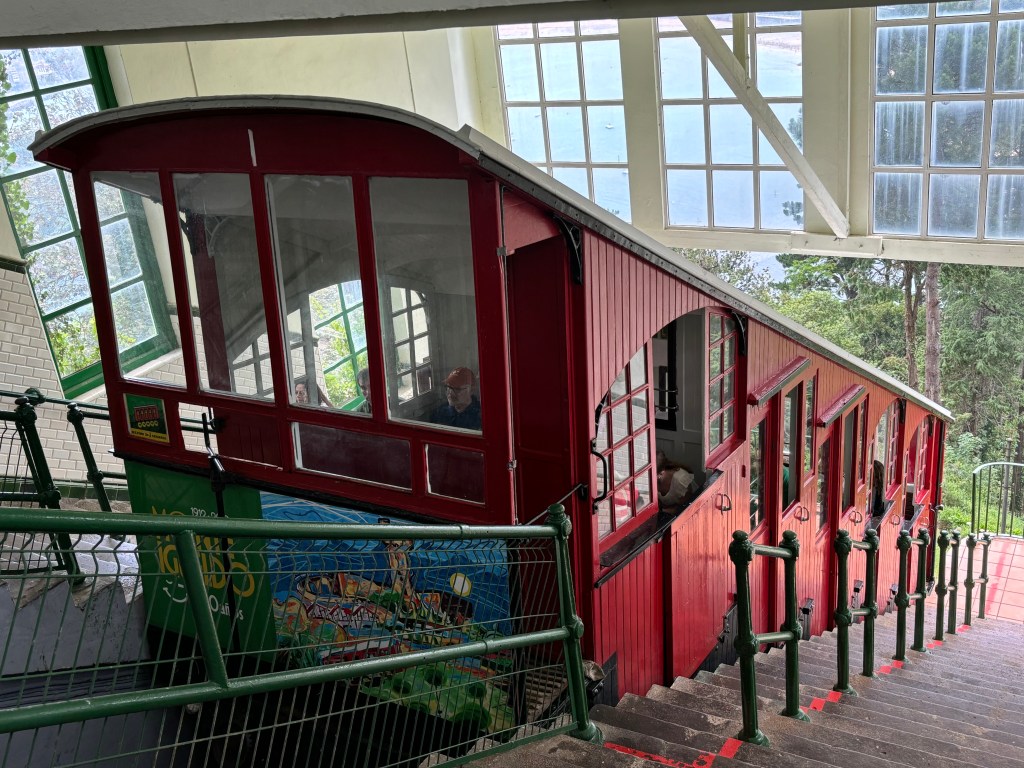
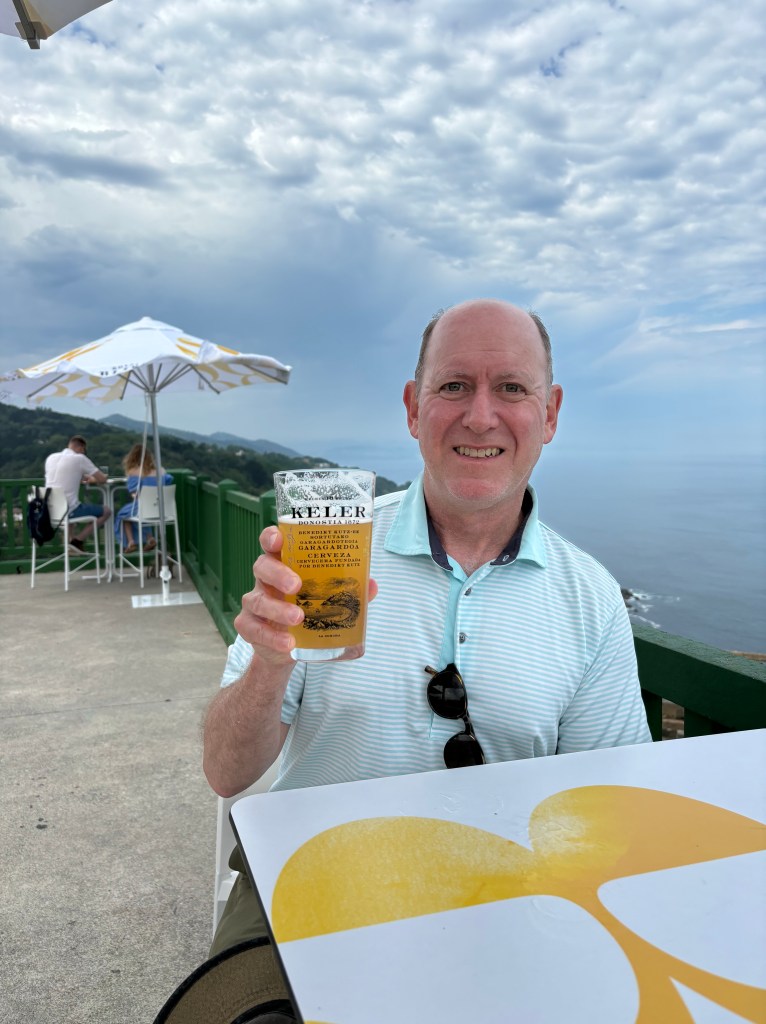
As we were getting close to our final days in this magical city and we wanted to make sure we hit all the best spots. We had already hiked up Monte Urgull but we had not ascended Mount Igueldo. One morning we took the 100-plus year old wooden funicular up to the top, home of the Parque de Atracciones Monte Igueldo. The amusement park was not busy yet and the scenery was beautiful. I imagine it gets very crowded during summer holidays.

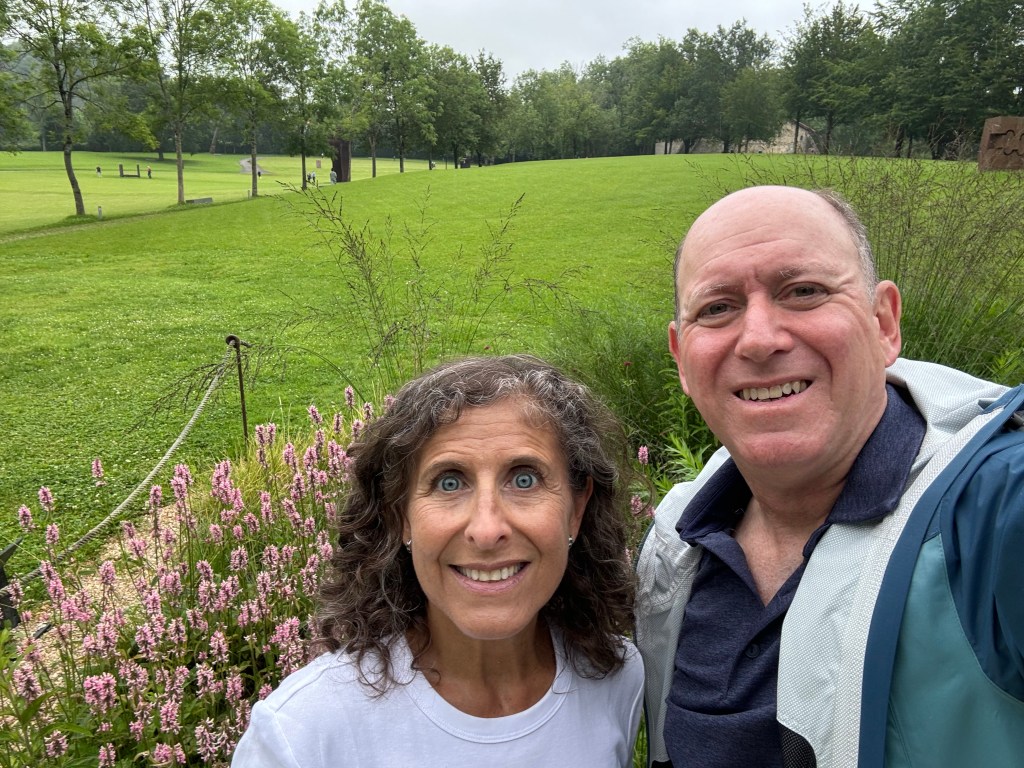
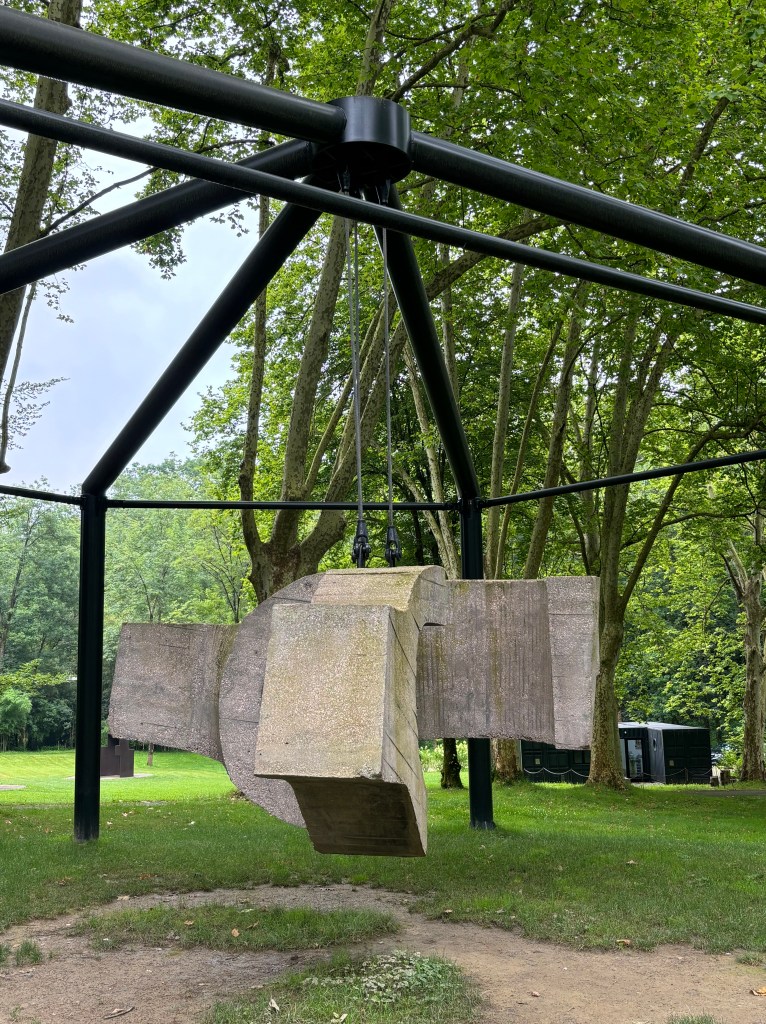
We also took a bus to the village of Hernani and went to the Chillida-Leku Museum and sculpture garden. This beautiful campus includes (that’s right) even more Eduardo Chillida creations: forty plus. Chillida and his wife, Pilar Belzunce purchased the Zabalaga estate in 1983. The grounds are magnificent and visitors are welcomed by the woodland and perennial gardens of Piet Oudolf (of NY’s High Line fame). One can then explore 27 acres of landscape as well as the amazingly renovated Zabalaga farmhouse, Chillida’s studio.
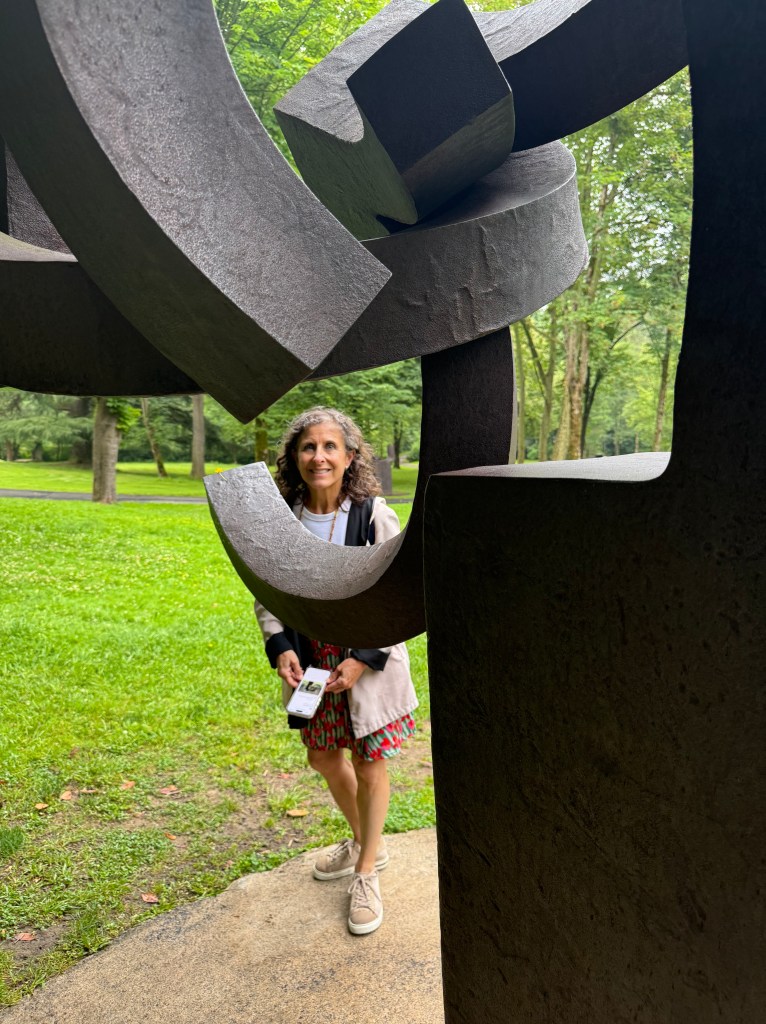
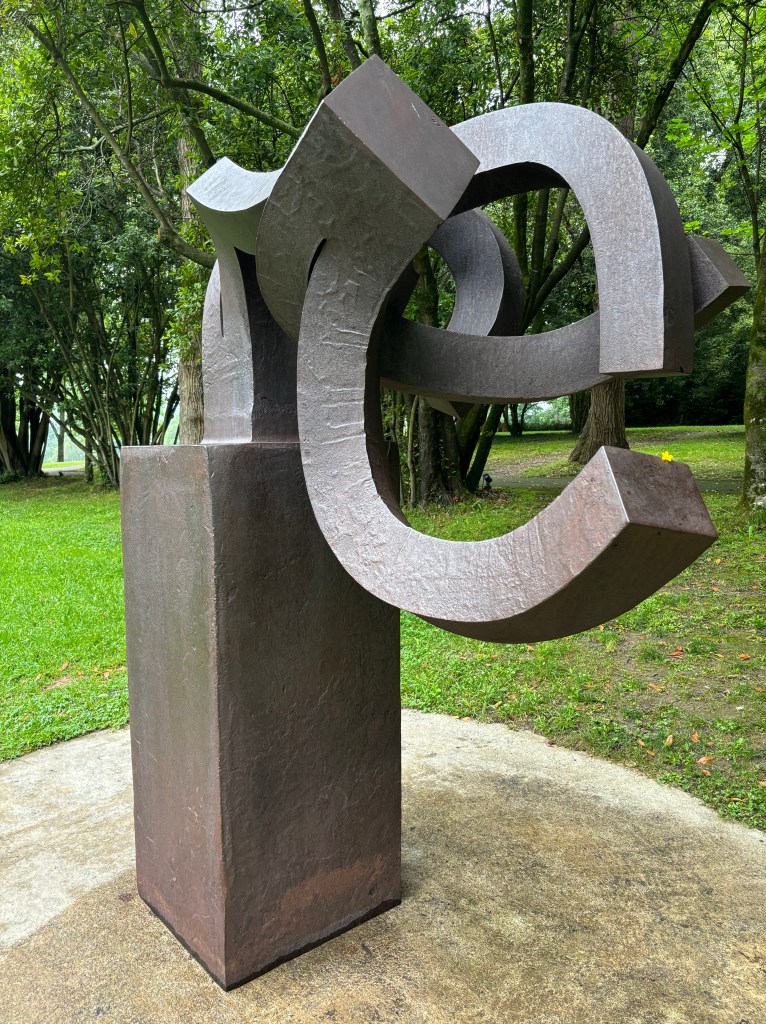
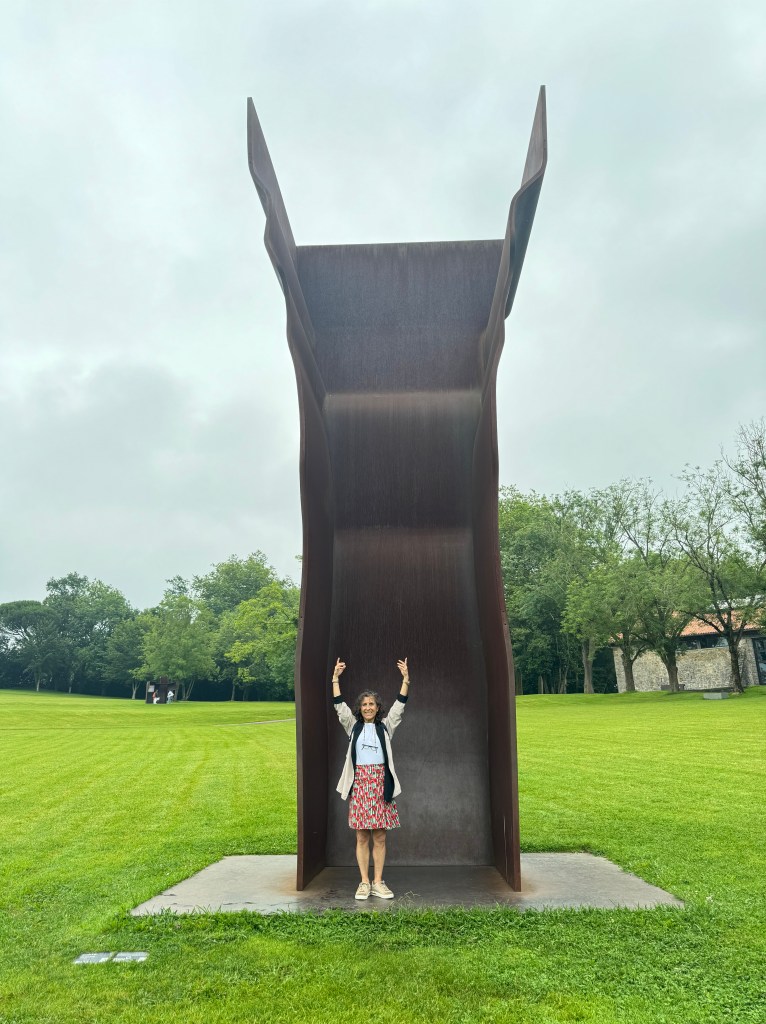
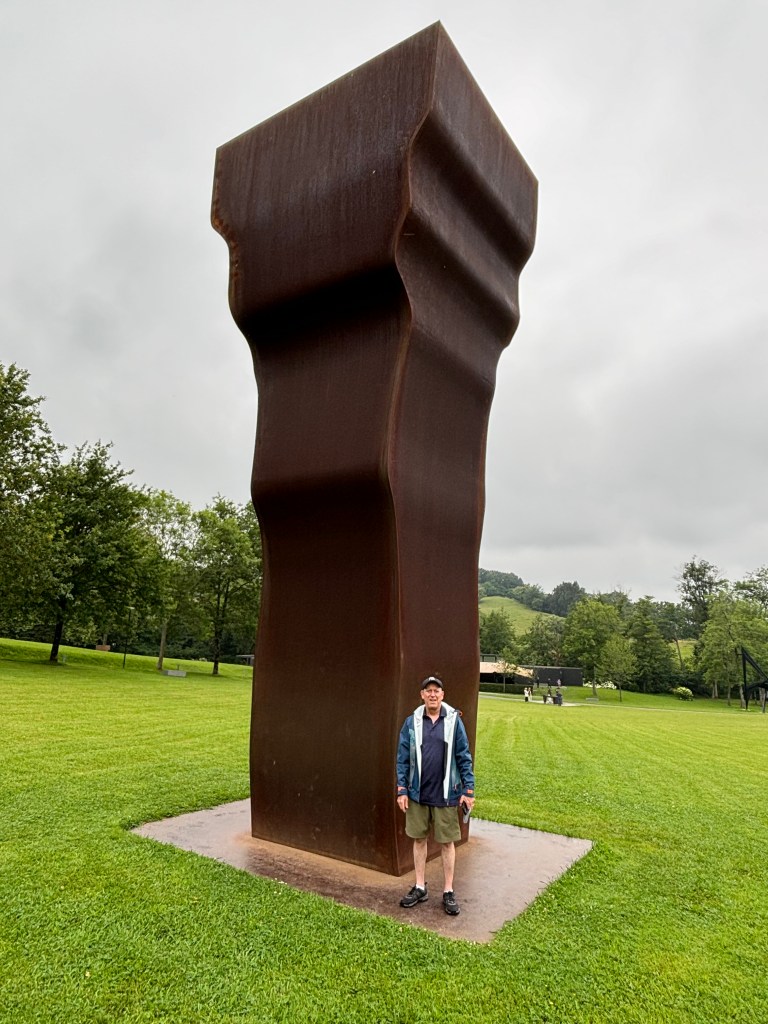
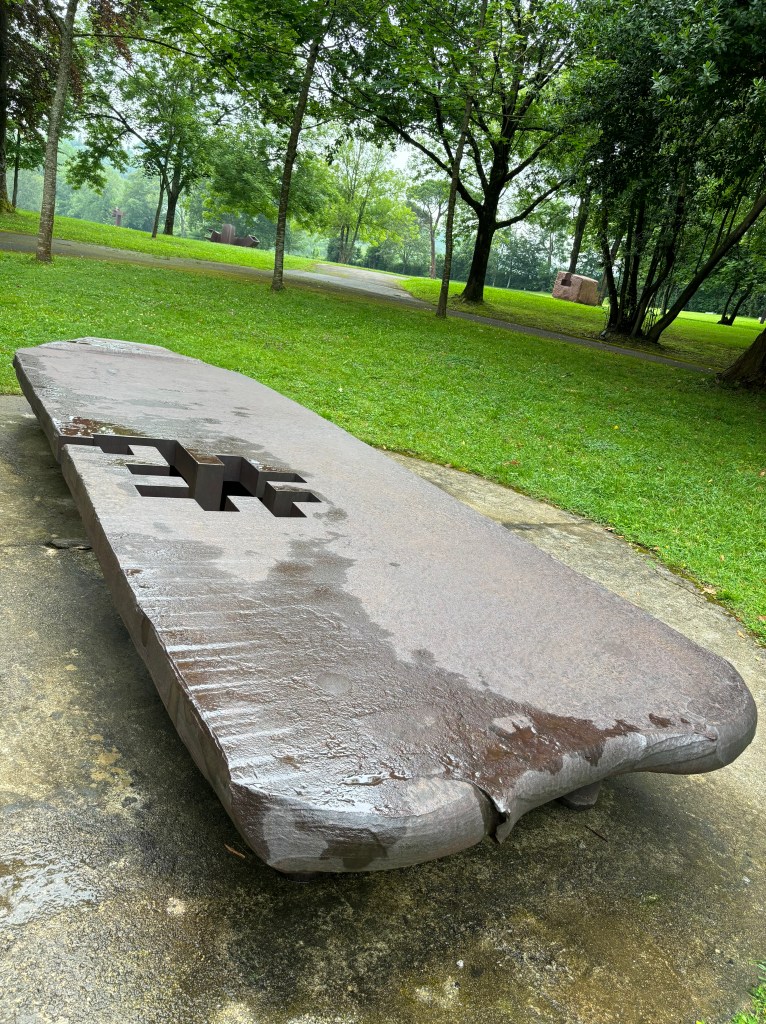
This was our fifth experience with this famous son of Donostia and we thought we knew him pretty well by now. To see his work in this natural space was amazing. I loved walking around to see each installation from different vantage points. The words I wrote to describe the experience include serene, quiet, contemplative. Some sculptures look incredibly light in spite of their weight. Some of Chillida’s creations have been placed in wide-open spaces while others appropriately fit into more wooded areas. There are both smooth and raw surfaces; most exhibit both positive and negative space, concave and convex balanced.
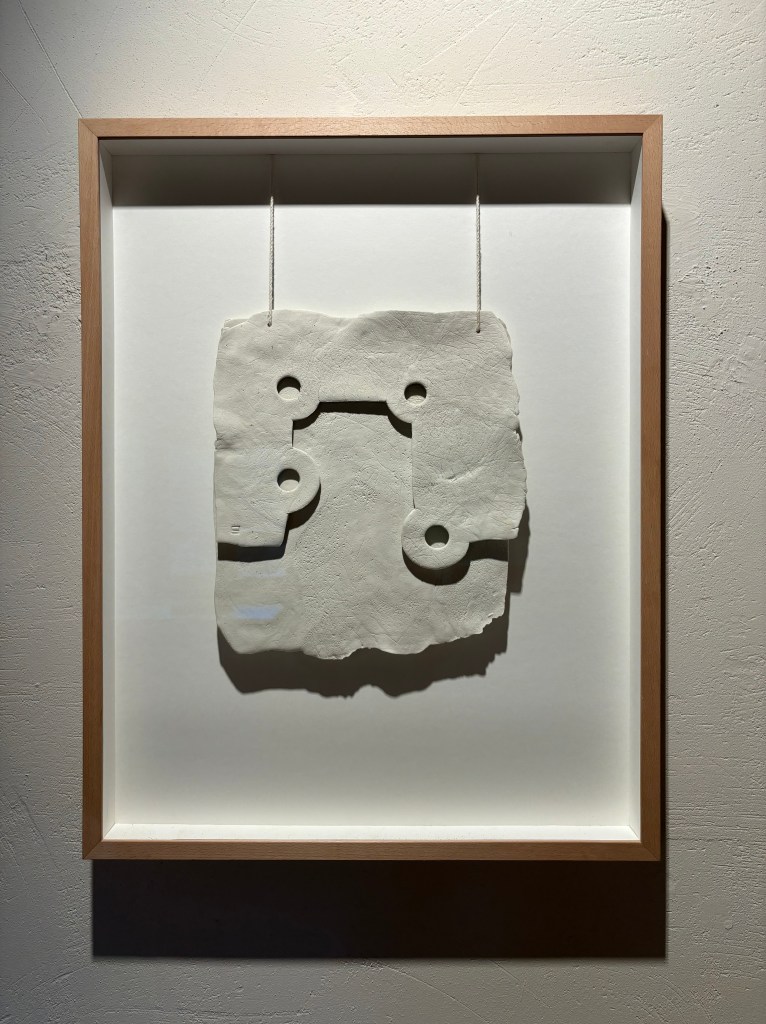
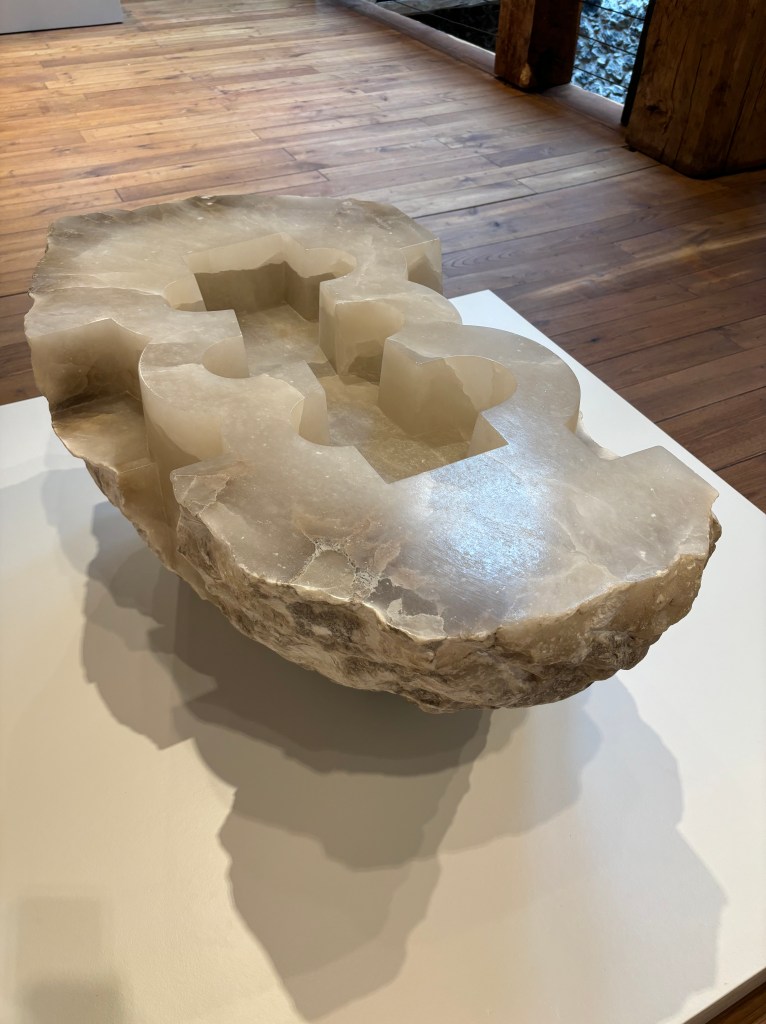
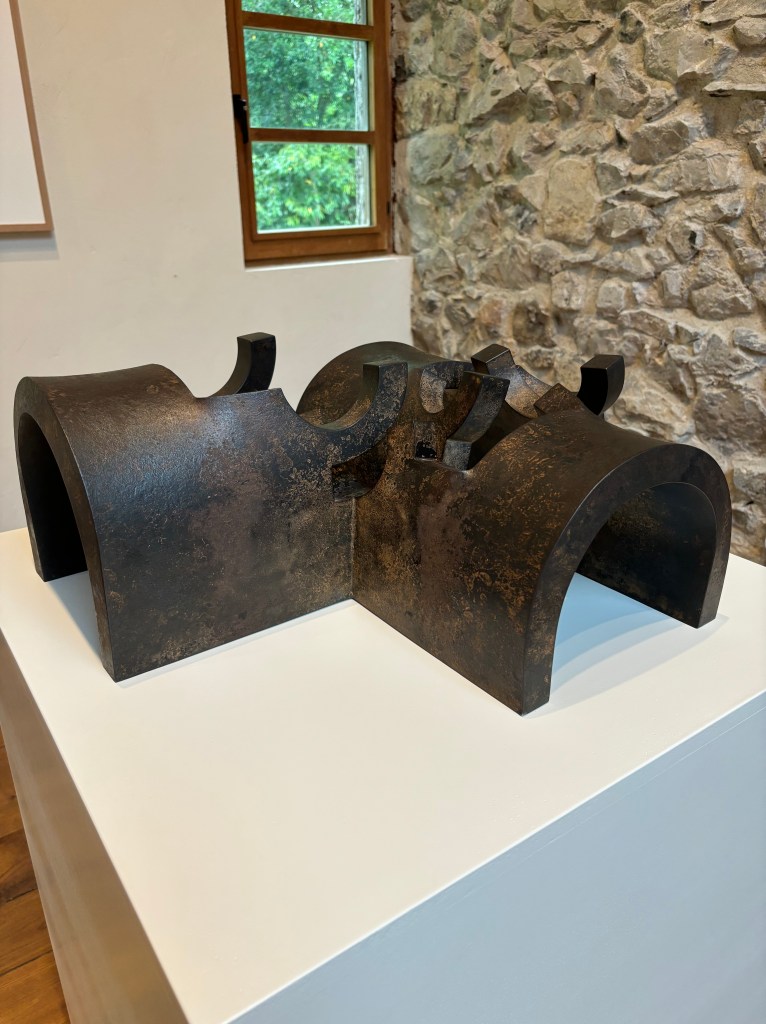
The interior of the farmhouse-turned-studio was huge with a smaller upper floor. Here, Chillida’s work was exhibited, divided into the artist’s series, which illustrated different themes and mediums.
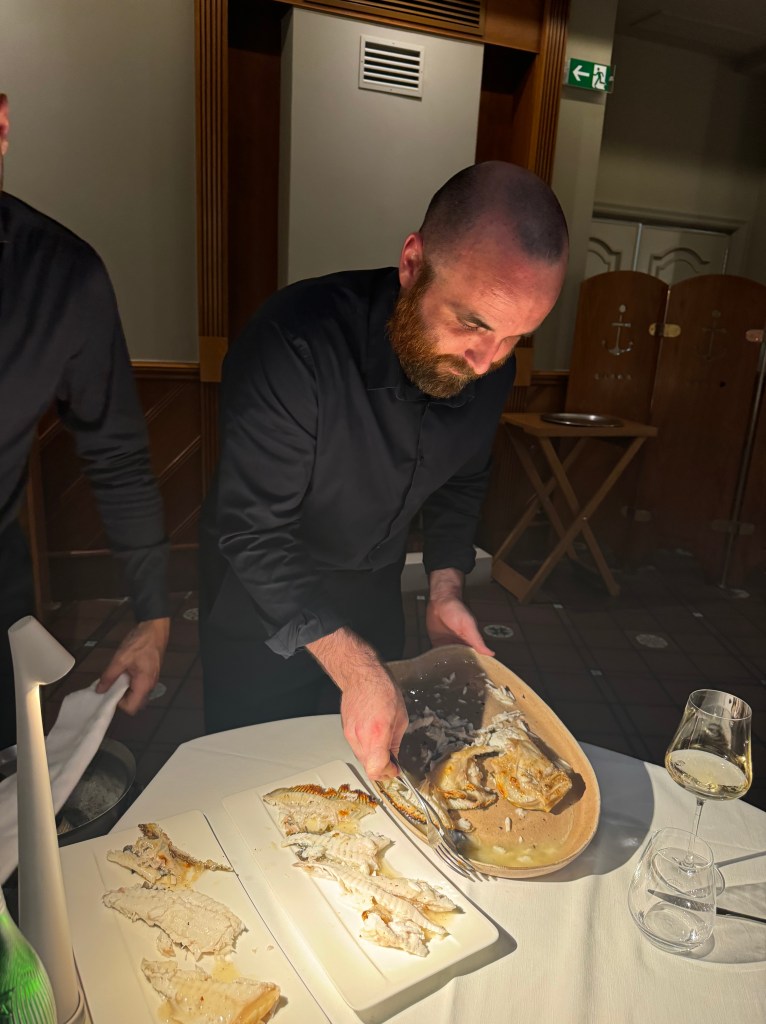
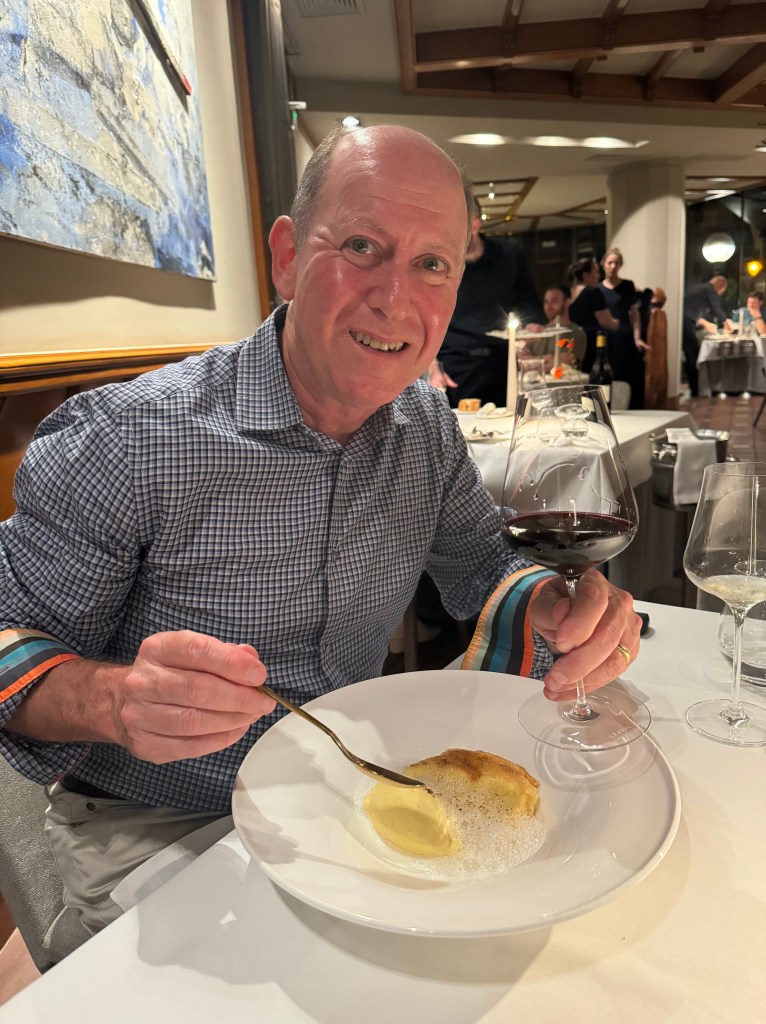
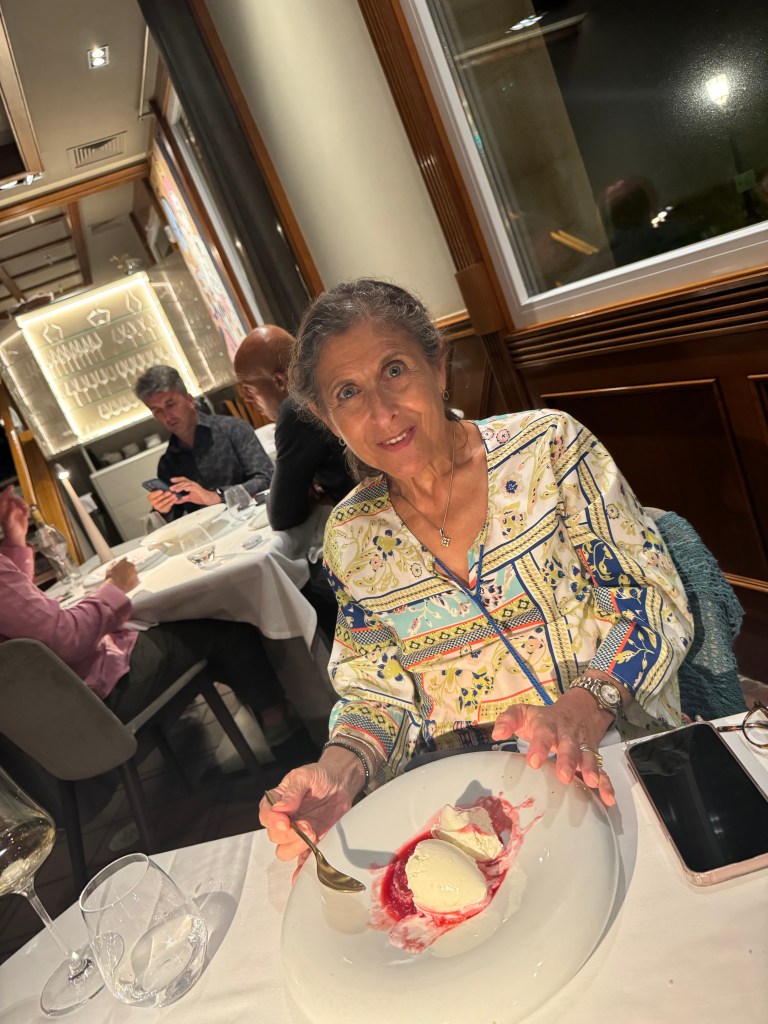
Most everyone who shared their restaurant list with us recommended Restaurant Elkano in Getaria (currently #28 on the world’s Top 50 list) but we could only get on Elkano’s waitlist. On our Balenciaga day, we noticed that we were right across the street from this must-dine spot so we popped in. They must have appreciated the extra effort, as they “found” a table for us and our reservation became confirmed for our final evening in the San Sebastián area. This was our best meal which included grilled whole turbot for two, Elkano’s specialty. The fish is prepared on an outdoor grill and is accompanied by a simple sauce made with the fish’s natural gelatin, olive oil and finishing salt. Our server prepared our fish tableside and gave us “permission” to pick up the fish bones to get all the juiciness off the bone. Dessert included cheesecake ice cream accented with a fruit sauce.
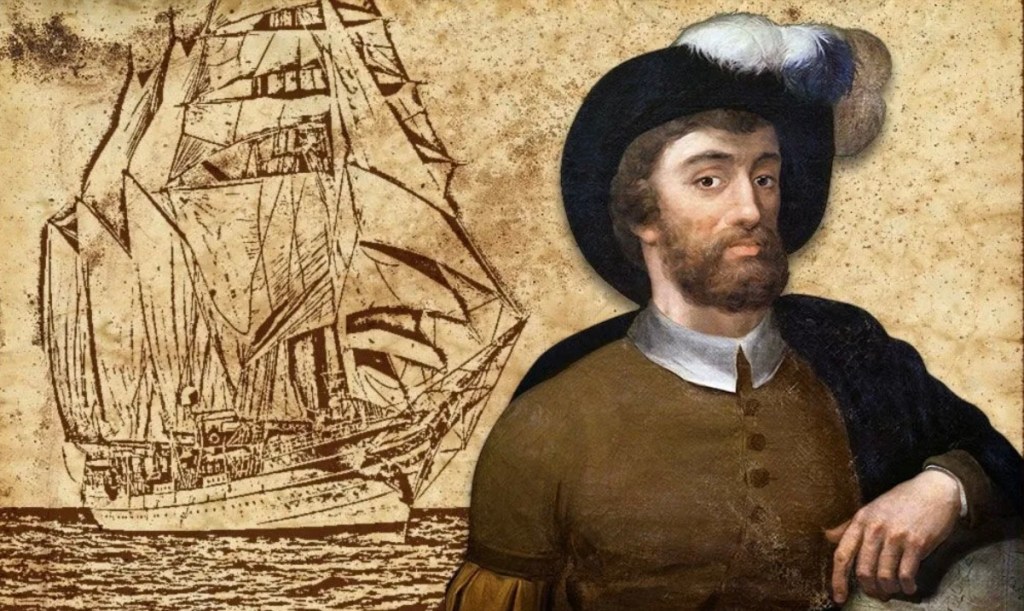
Speaking of Elkano, we kept hearing that he was the first person to circumnavigate the world; however, we had never heard of him. I want to set the record straight. In fact, Juan Sebastián Elkano was part of Magellan’s expedition (1519-22) which started out with five ships and 234 crewmen. Since Magellan did not make it (he died in the Philippines) and one surviving ship captained by Elkano did, he gets the credit.
June 30, 2024
BILBAO
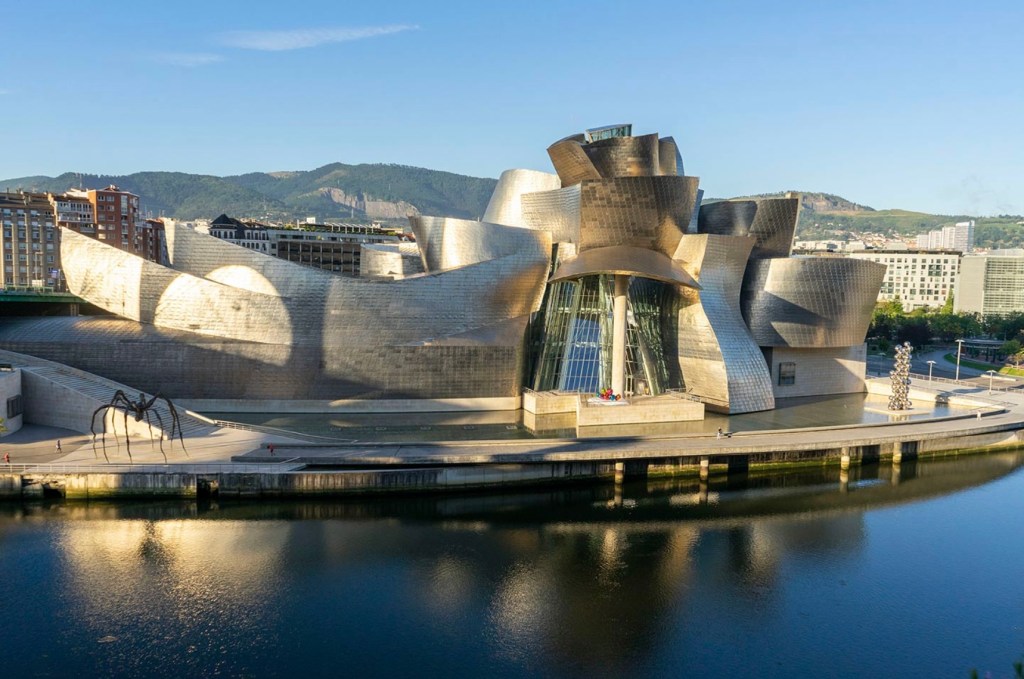
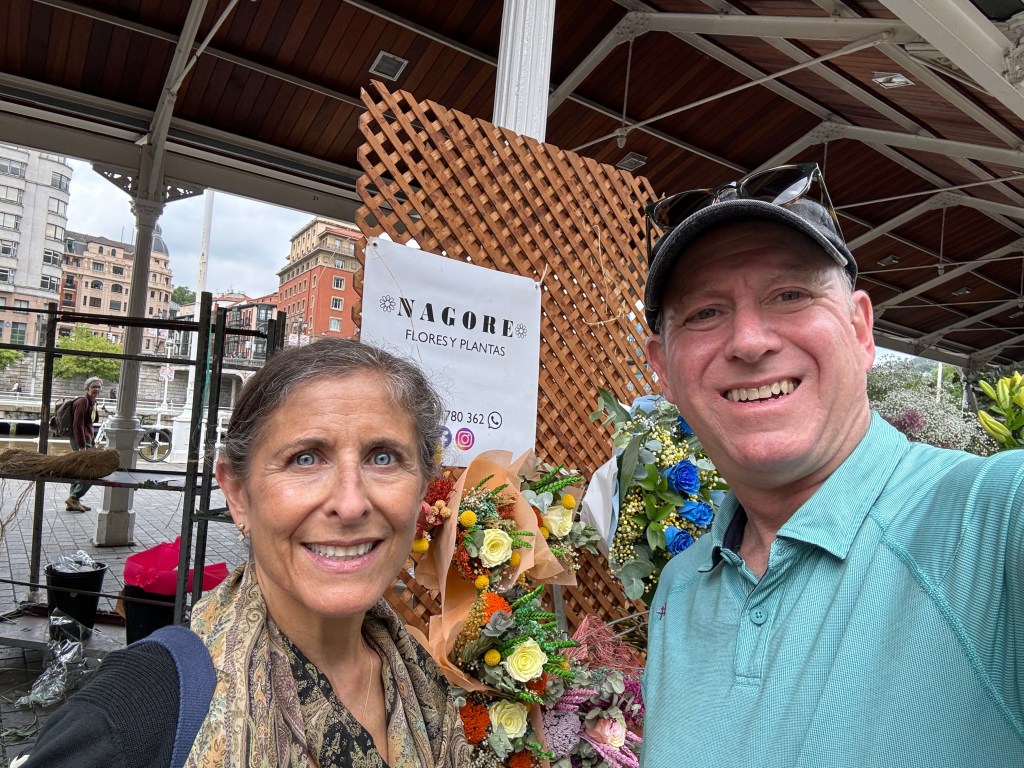
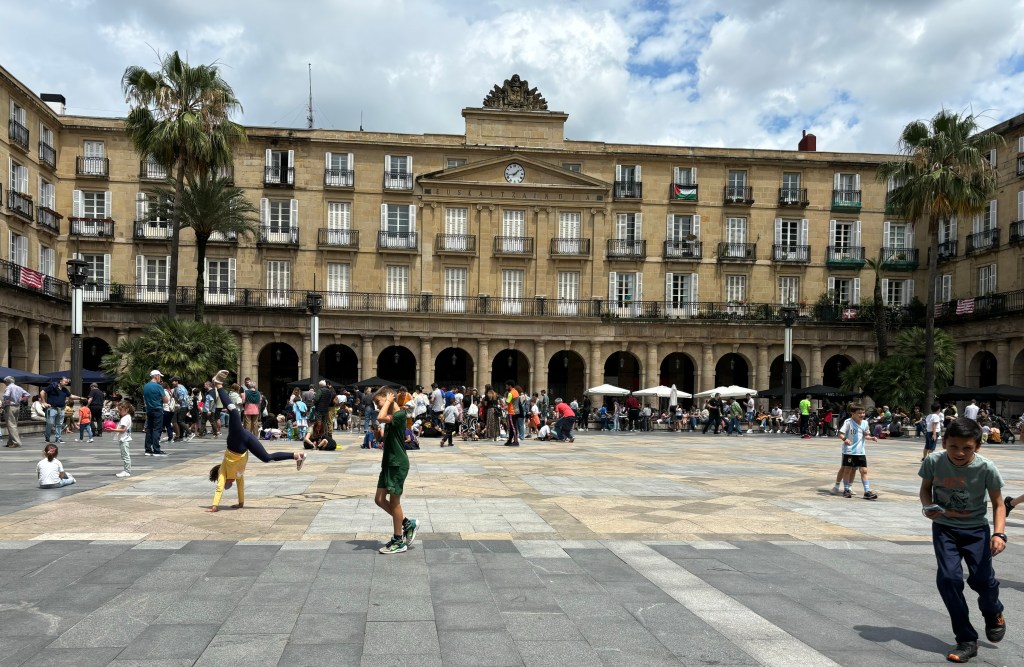
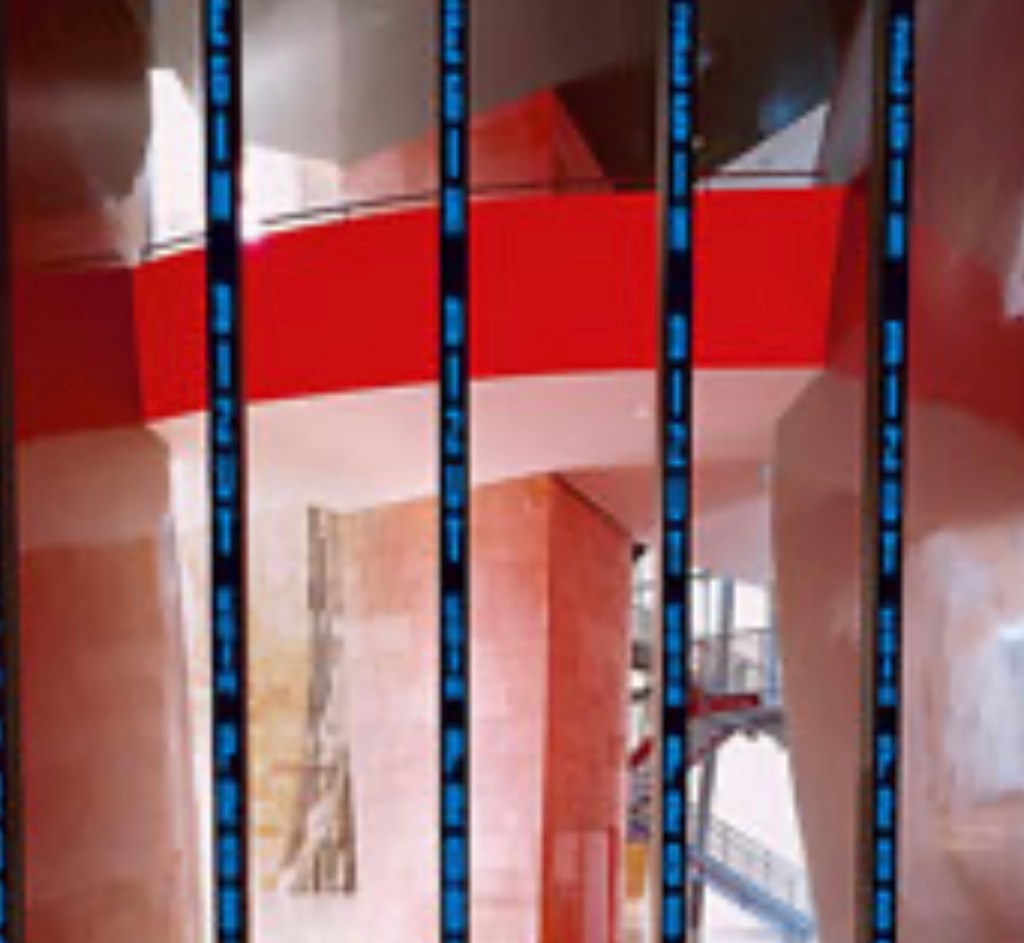
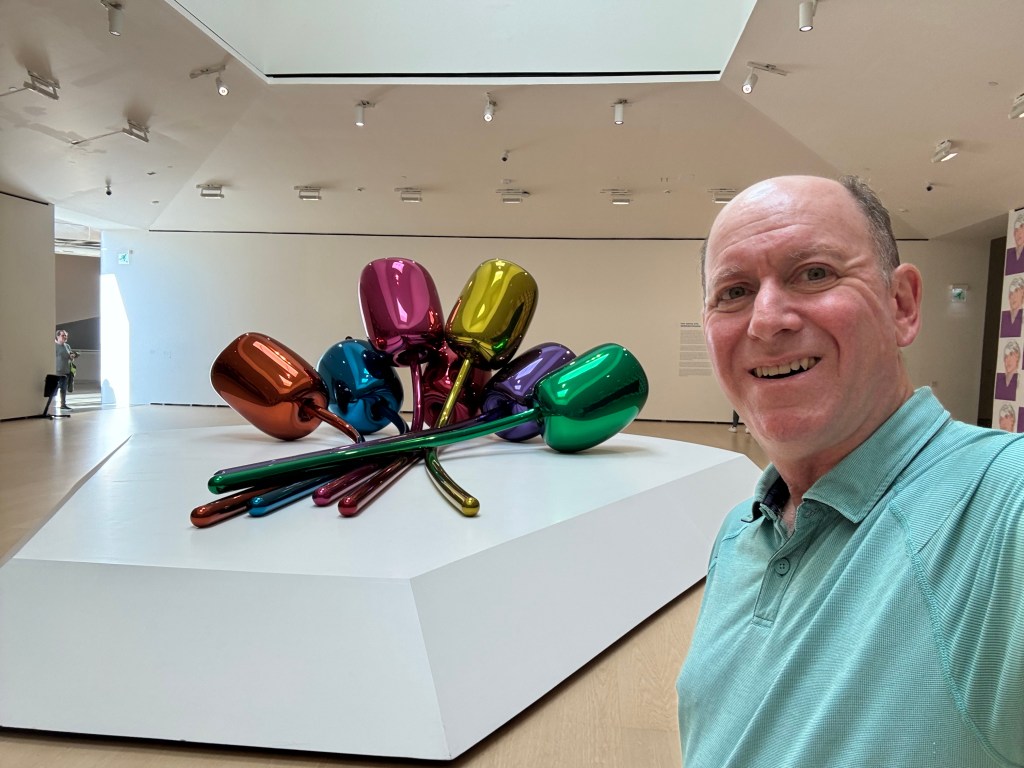
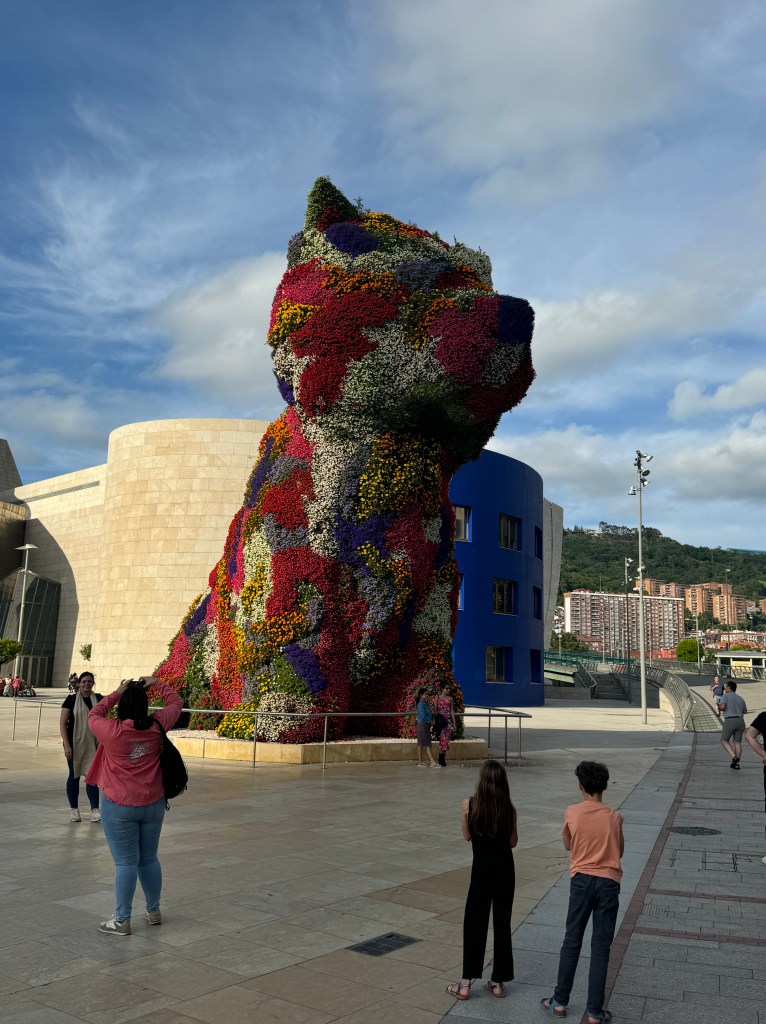
Since our departure from the Basque Country was via Bilbao, we saved it for last and enjoyed one day in this transformed city. Why transformed? Bilbao is the largest city in Spanish Basque Country and had been known as the industrial center of the region. In the 1990’s Bilbao won the Guggenheim Museum’s expansion lottery. The Frank Gehry designed building, both its interior and exterior, has elevated the city to new heights. We checked into the Artist Grand Hotel of Art, across the street from the Guggenheim and strolled along the Nervión River, taking in art installations, the scent of the flower market and the sound of a youth orchestra. While looking for a bite to eat, we ended up in the busy Plaza Nueva and enjoyed the scenery. Children were playing ball, jumping and running around while the adults enjoyed lunch, cocktails and pintxos.

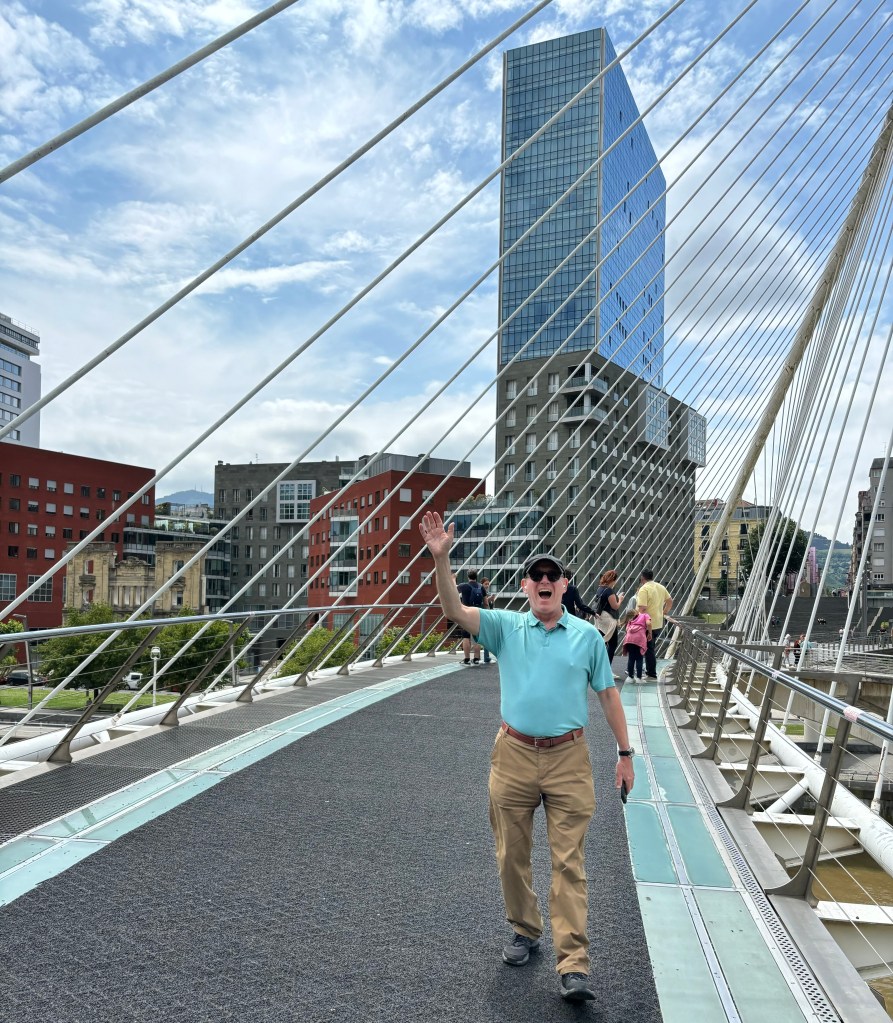
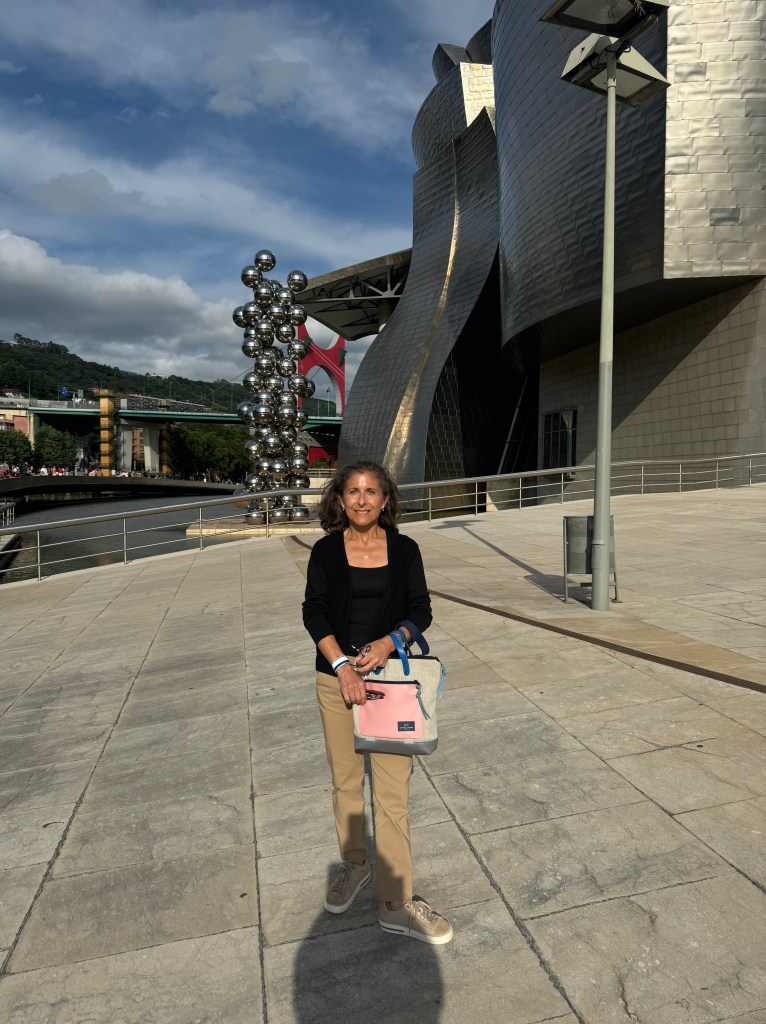
The best was yet to come. Andy and I had been to Frank Gehry’s Fondation Louis Vuitton in Paris and took an architectural tour there. Gehry’s Paris building was limited by the footprint of the bowling alley that had previously existed there. He did not have that issue in Bilbao. The building is enormous and constructed with titanium, glass and stone. It sits along the Nervión River and seamlessly connects to both the river and the Puente La Salve Bridge, balanced with Gehry’s addition of a 62 meter tower. Glass is an important element in the Guggenheim’s construction because it allows the museum to be open, taking one from the city to the river, Bilbao’s main source of life from the days of industry and mining in the Basque region.

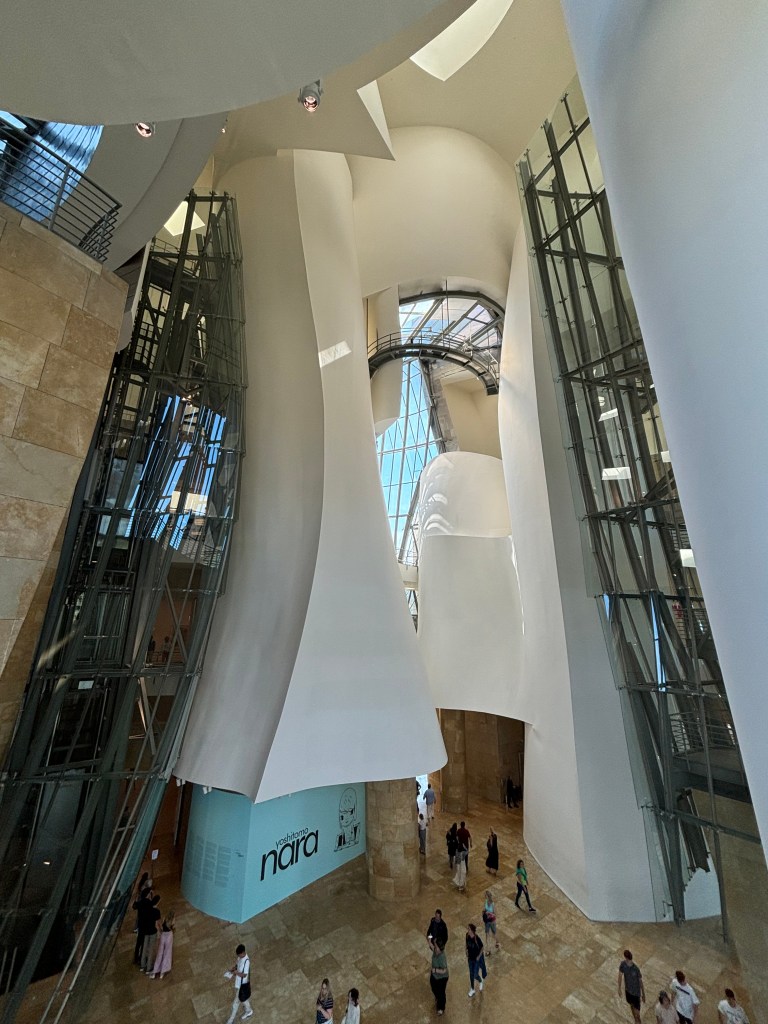
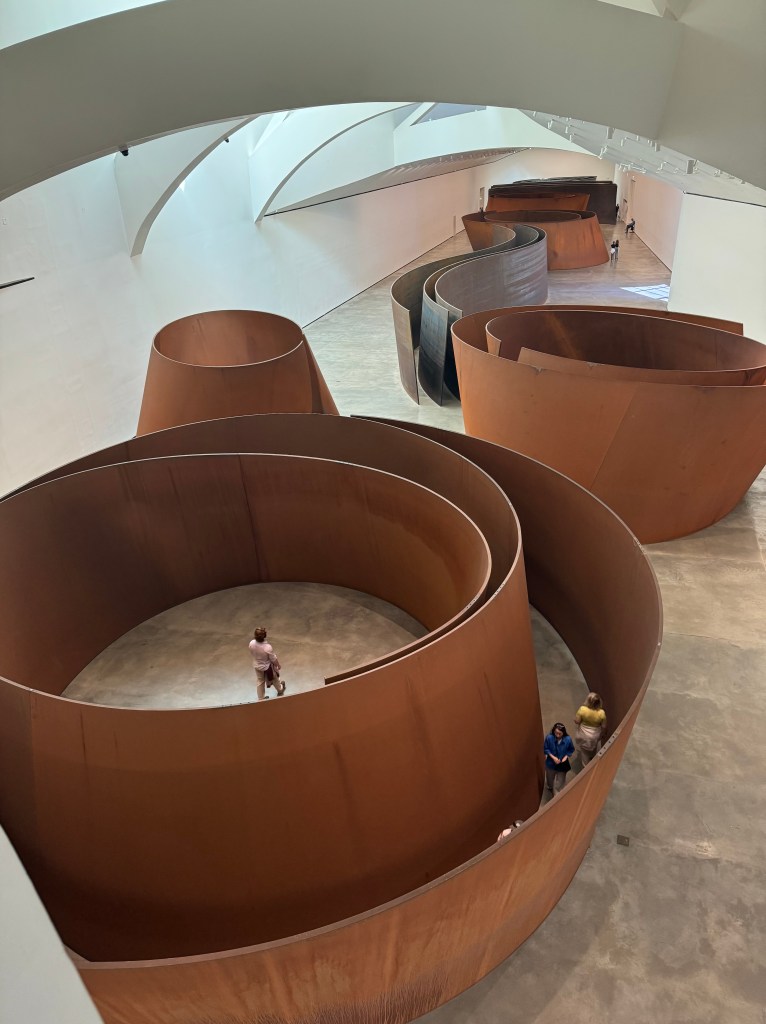
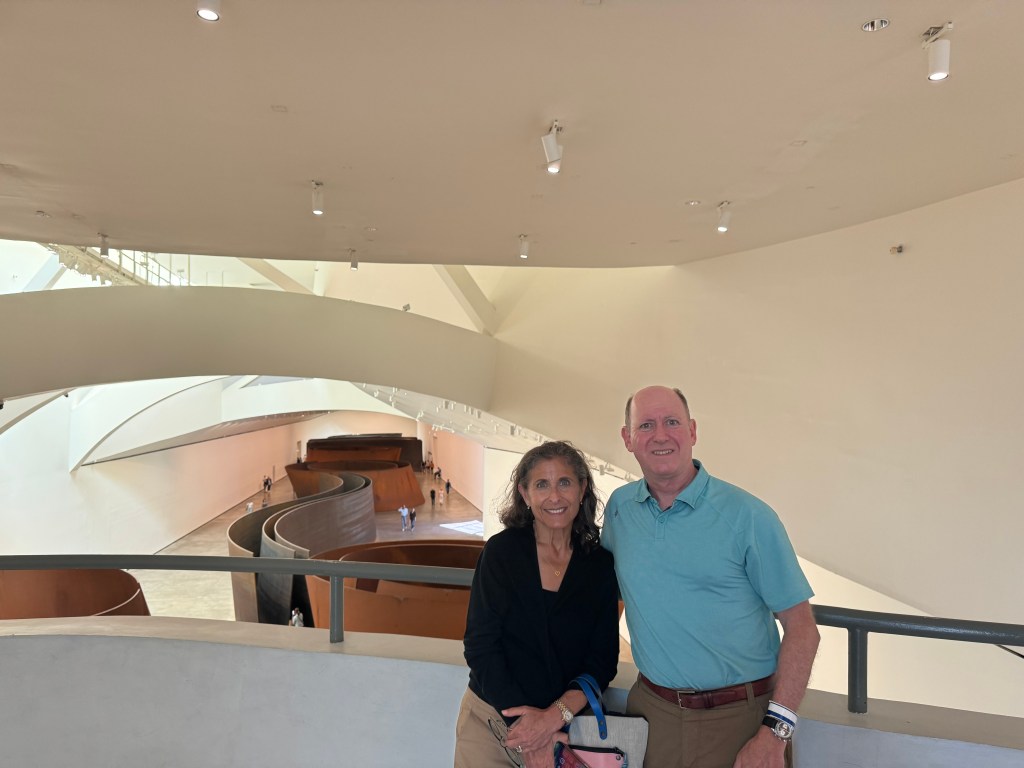
Inside the museum we enjoyed the huge installations of Richard Serra (1938-2024) Snake and The Matter of Time. Eight monumental works of art were created between 1994 and 2005 and we were able to navigate them while listening to Serra’s comments about their construction and interpretation. The compositions give the viewer perspectives from every vantage point, inside, outside and below, making the viewer an integral part of the experience.





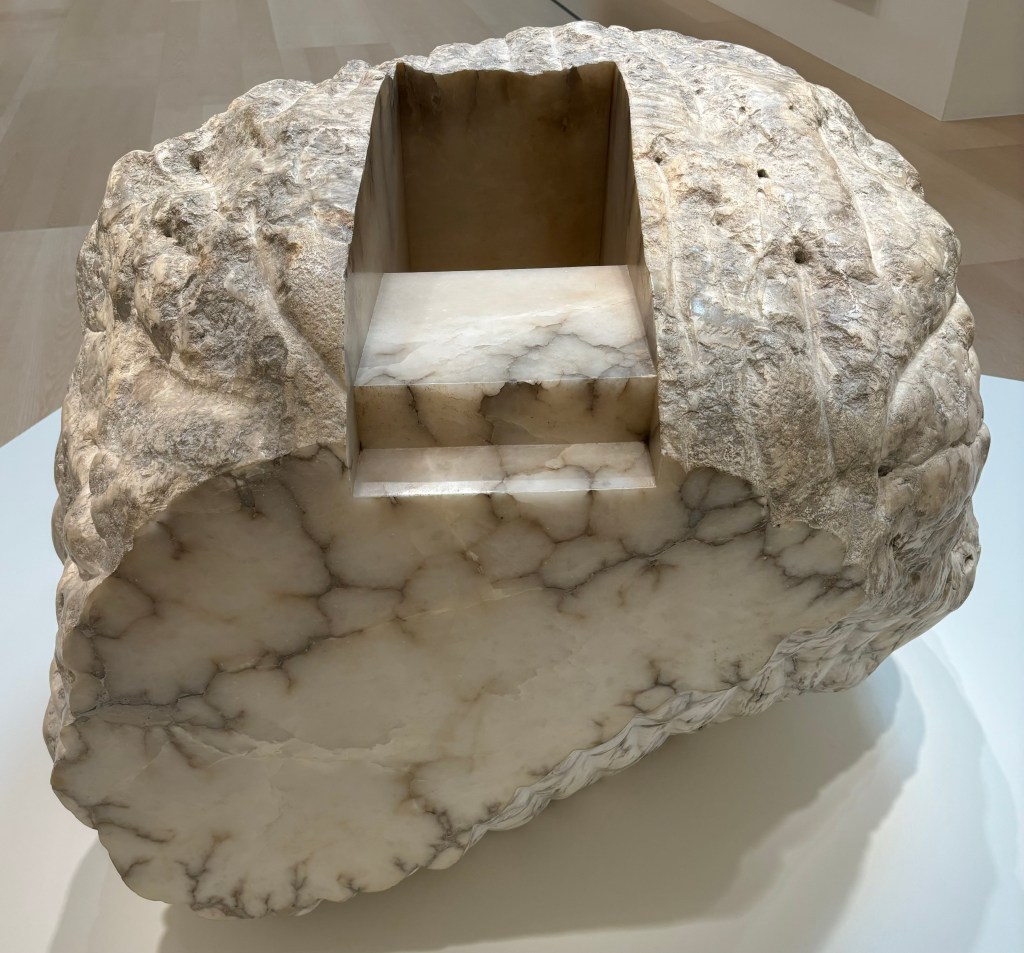
Last but not least, another Chillida: How Profound is the Air, 1996
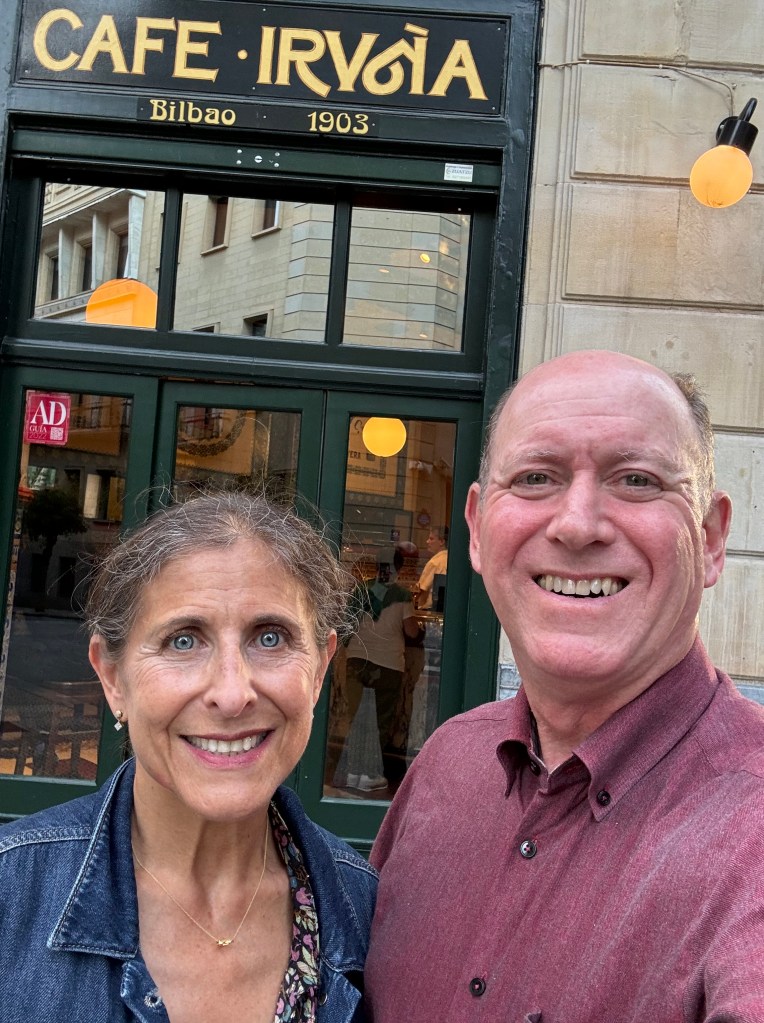
Our ten month adventure has come to an end and we recently returned to the good old USA – just in time to celebrate Independence Day which is particularly poignant as we witness troubling times in democracies here and around the world. For now, we are enjoying time at the Frankle lake house in Hopatcong, New Jersey with friends and family and also plan to be in New York as well to catch up with friends and take care of business. It has been an unforgettable experience for us and I am grateful that these posts will keep the memories for us. Stay tuned for details as we plan our next adventure, probably fall 2024. Thanks for being part of the adventure.
Have a Happy Fourth! 🇺🇸
❤️🤍💙
 The Innocents Abroad, 21st Century Version