April 15-17
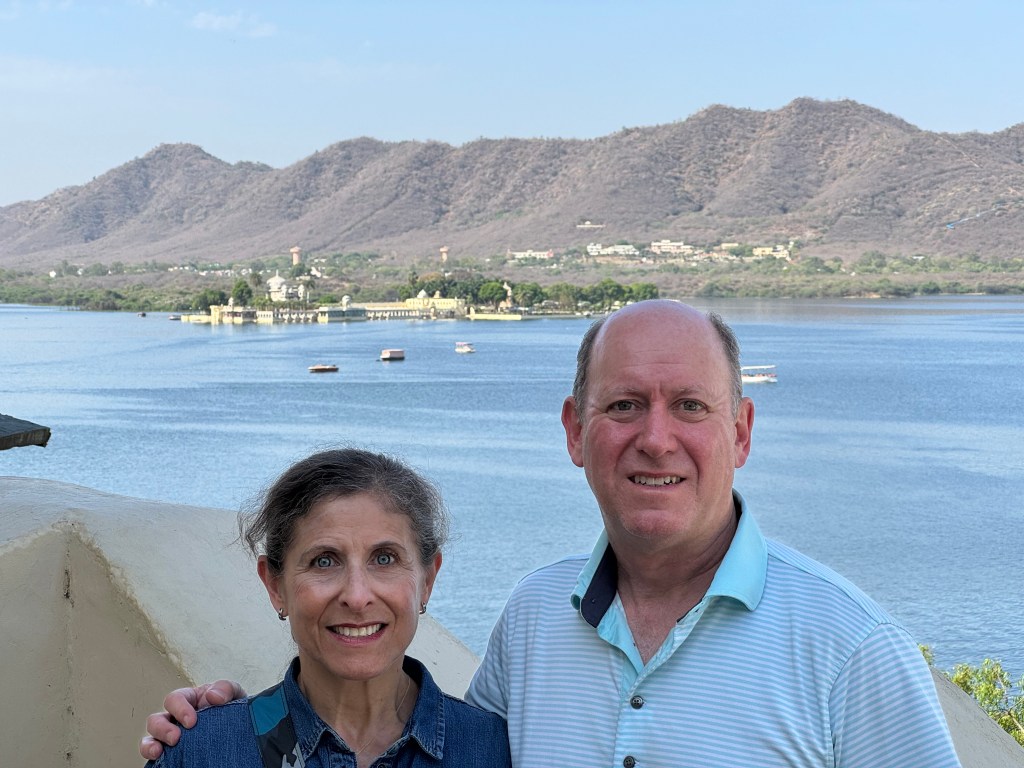
Known as 1)One of the most romantic cities in India, 2)City of Lakes, 3)Venice of the East, 4)City of Sunrise 5)Zinc City and, for me, Udaipur is a hidden gem beneath the Aravalli mountain range.
Like Jaipur, Udaipur (pop. 604,000) is a city in the state of Rajasthan. Its main lake, Lake Pichola was man-made in 1362 for the purpose of collecting drinking water during the annual monsoon season and providing for irrigation. When Maharana Udai Singh founded the city in 1559, fabulous palaces popped up on the mainland as well as the lake’s islands. Today, these palaces still exist as residences of the royal family, hotels, wedding venues, a school and a museum. Udaipur is also known for its zinc and marble mines. Apparently, Indian marble from this region is desirable because it is less porous than other marbles. Presently, Udaipur is known for tourism, its mines & minerals, education and agriculture.

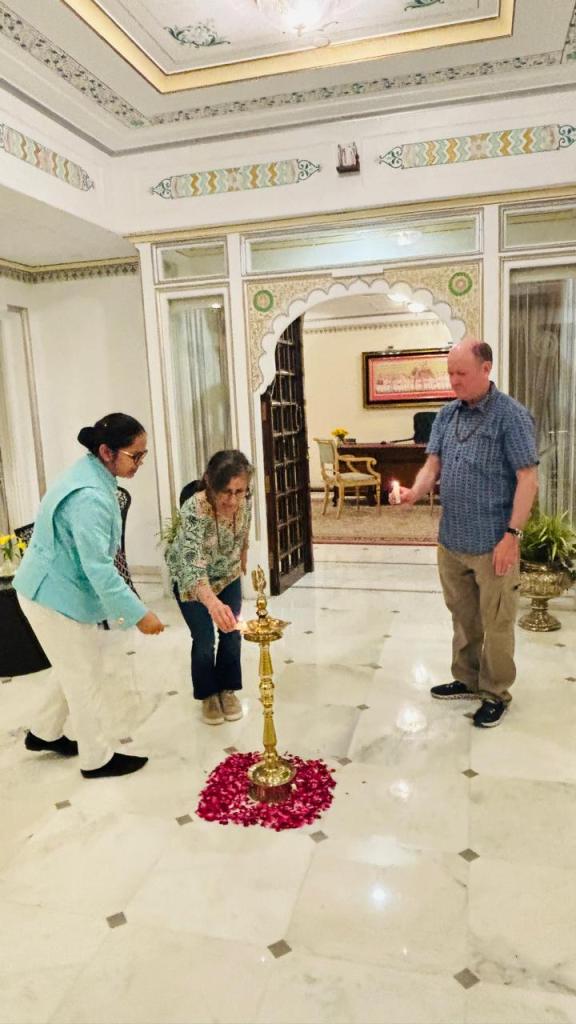
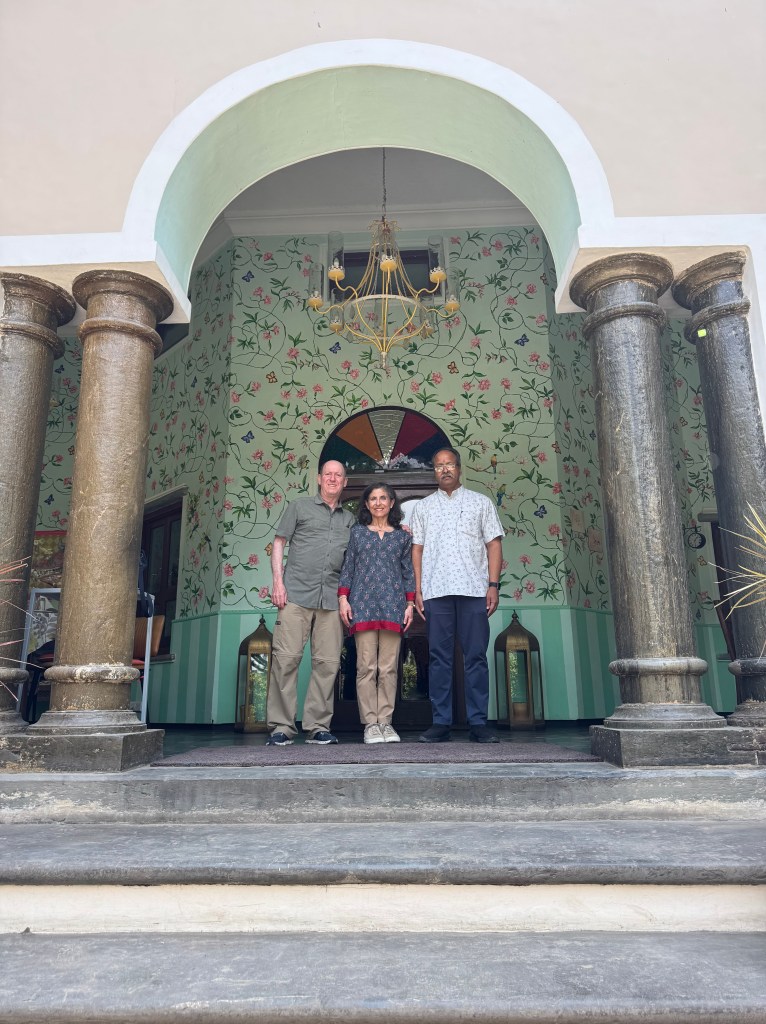
We met our guide, Lakesh, who promised and delivered two very interesting days. But first, our hotel, the Taj Fatehprakash Palace. This hotel is actually part of the palace still occupied by Udaipur’s royal family. The Mewar Dynasty, present in the area for 13 centuries (since 734), is the oldest serving dynasty in India and while no longer having royal power, the family still sees itself as mere custodians (and very wealthy land and zinc mine owners, I might add). We had to carry identification cards while on the hotel grounds; there were many security measure in place with the royals in residence. That said, it being off-season, our room was upgraded yet again and we had a huge suite with a gorgeous view of Lake Pichola at sunset. The decor at this hotel was very palace-like ergo my “It’s good to be the King” comment. We even participated in a Hindu ceremony at check-in.
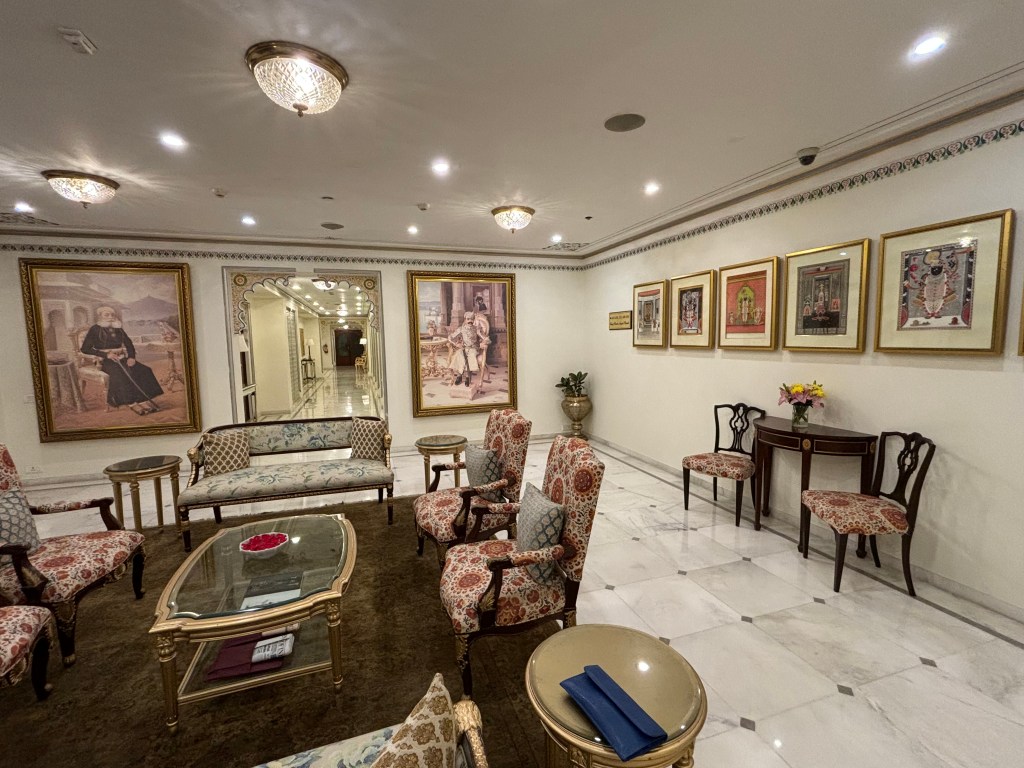
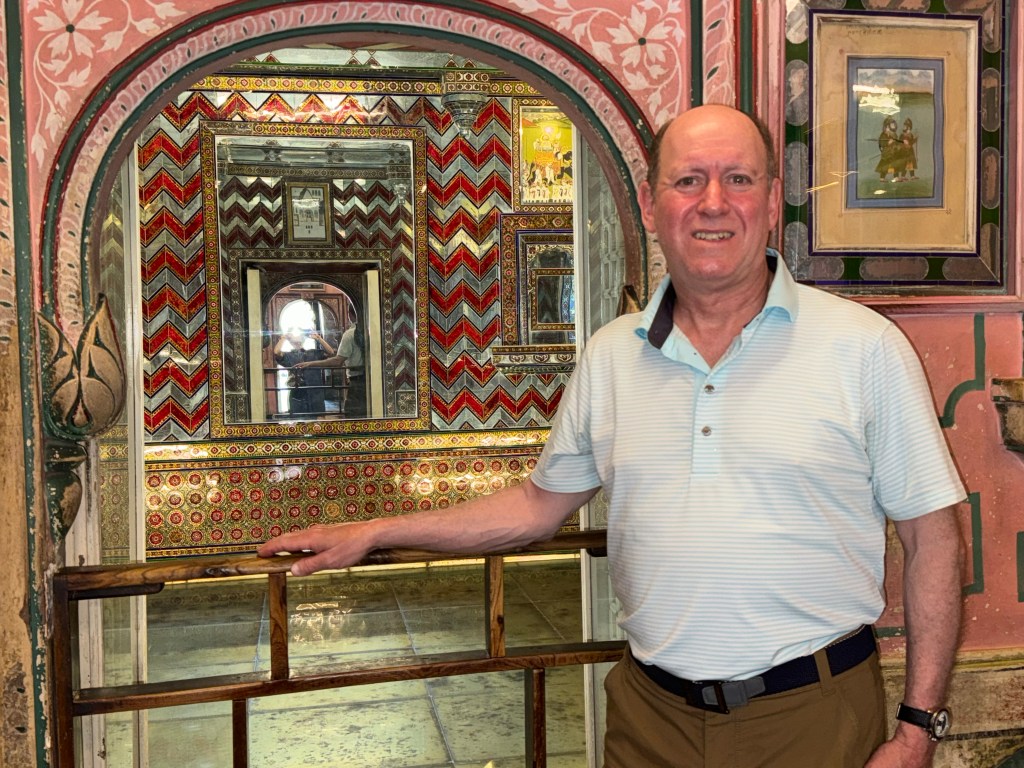
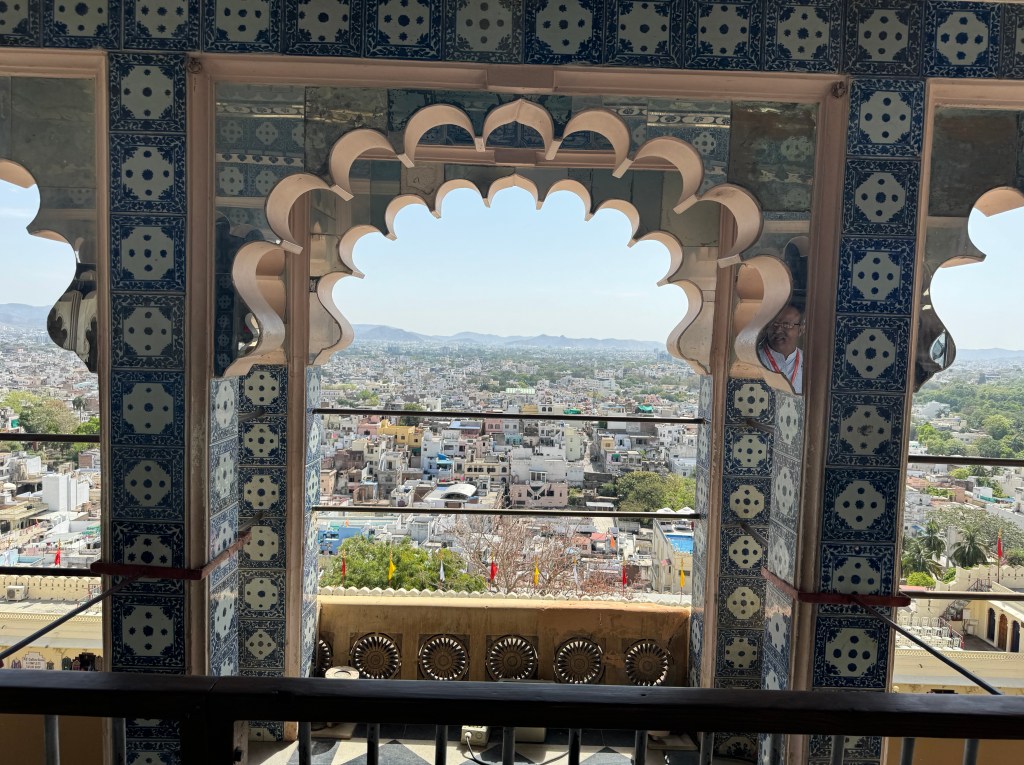
Tuesday we walked around some important areas of Udaipur, working up an appetite for a very special lunch. We started out following the walls of our hotel to enter the fort and City Palace Museum. We learned about the Mewars and toured their palace. We saw beautiful art and decor and were introduced to a special art form called miniature painting that is associated with Udaipur. These are not small paintings but are called miniatures because of the detail. Also, each painting tells a story so the characters reappear in many scenes throughout the painting. This actually reminded me of the Bayeux Tapestry (which we saw when in Normandy last October – 58 scenes depicting the events leading up to the 1066 Norman Conquest). Interestingly, over the last few years, many of the palace’s miniature paintings have been on loan to the Smithsonian National Museum of Asian Art and the Cleveland Museum of Art in a show titled: A Splendid Land: Paintings from Royal Udaipur.
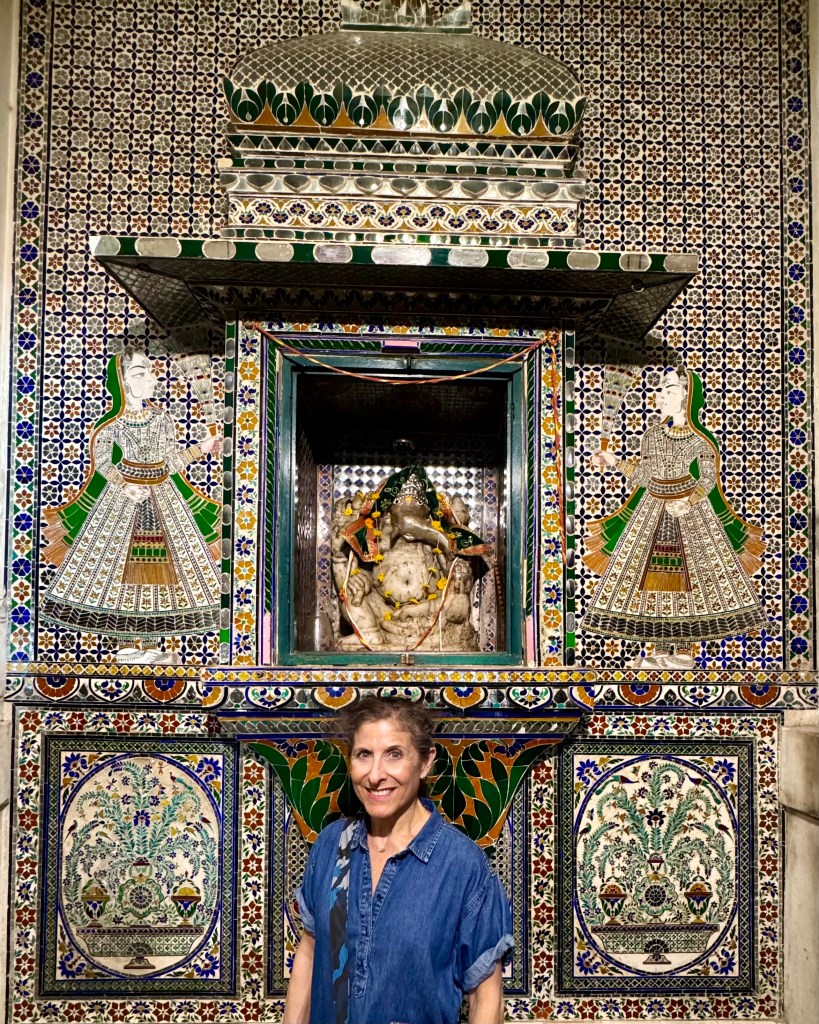
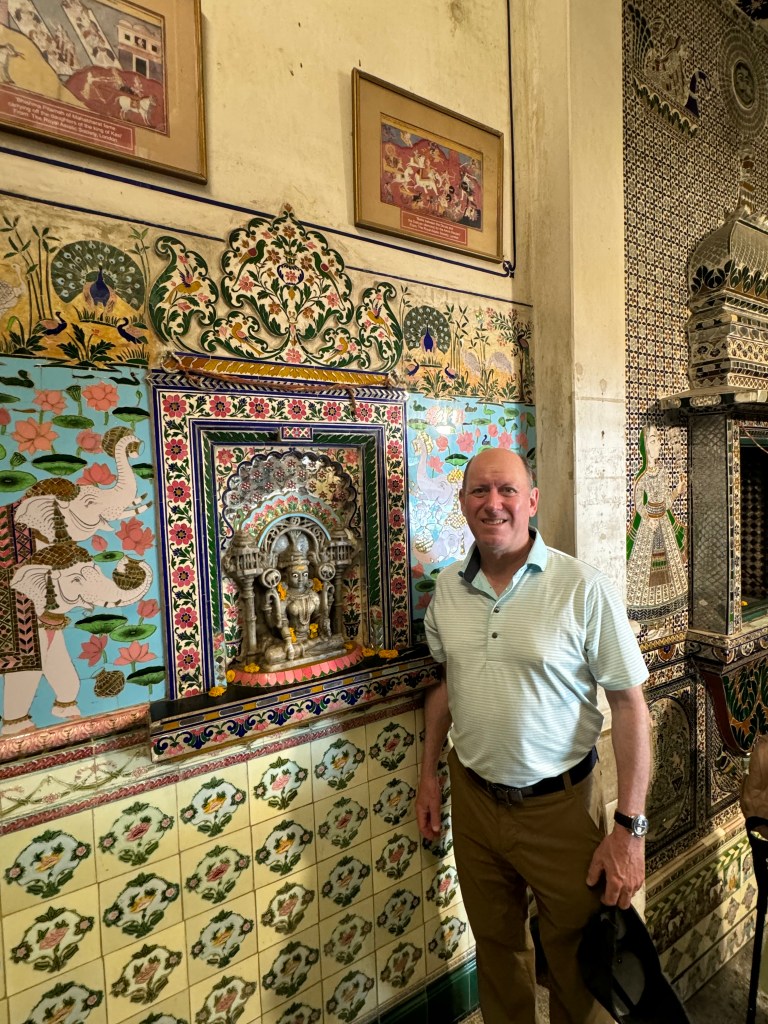
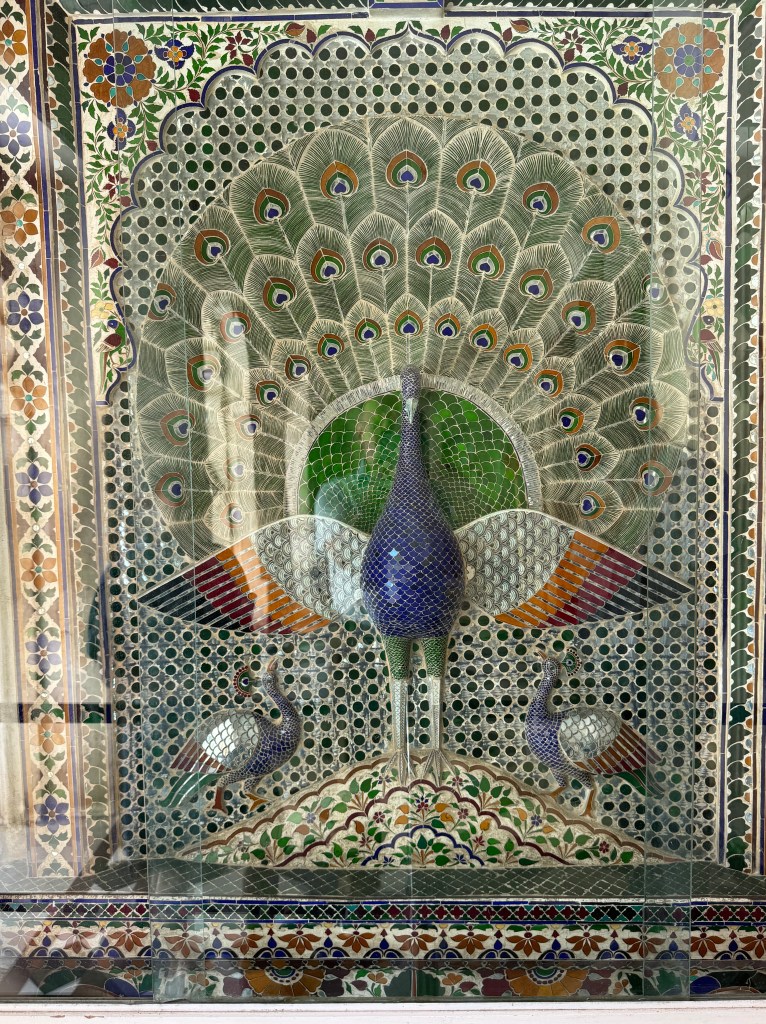
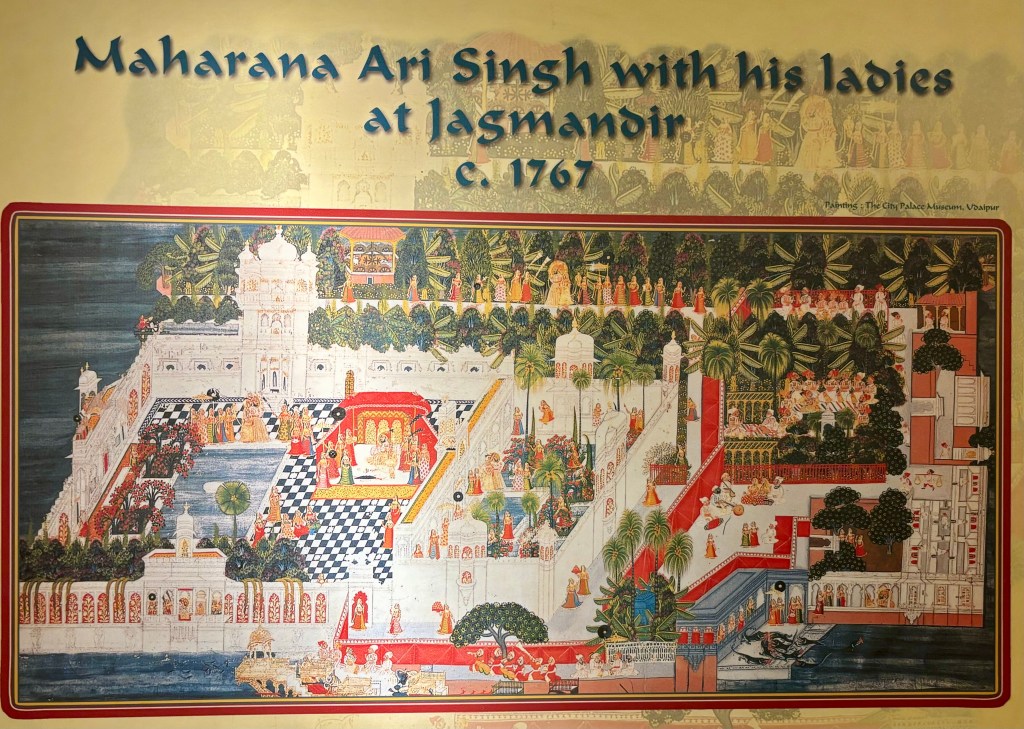
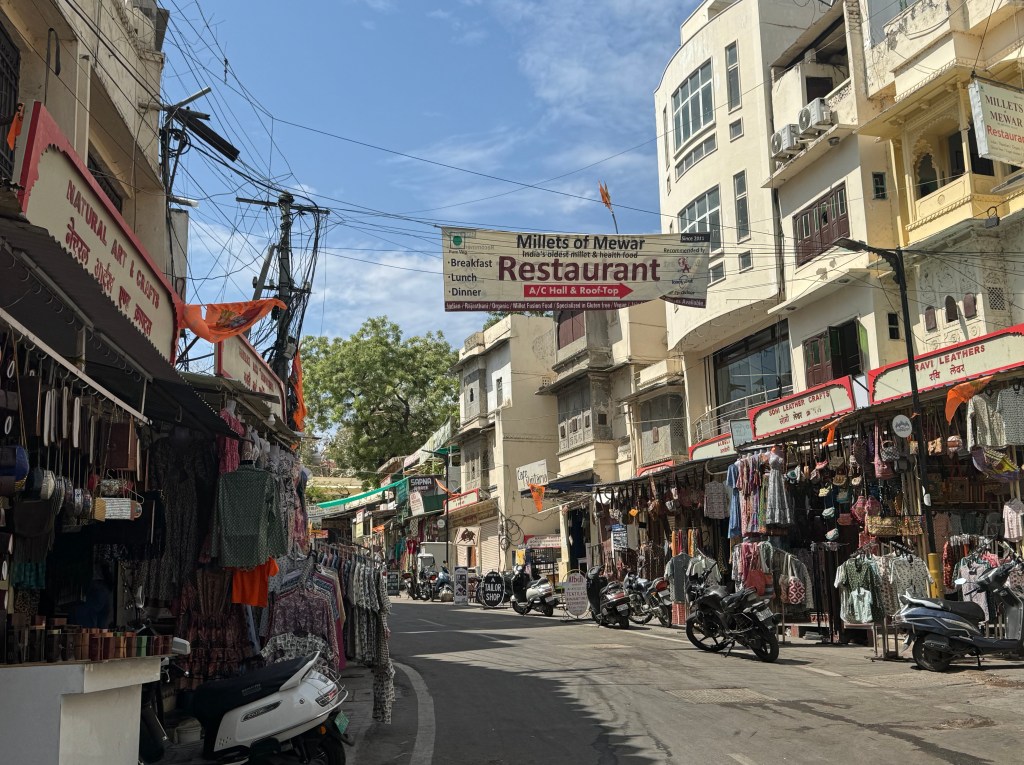
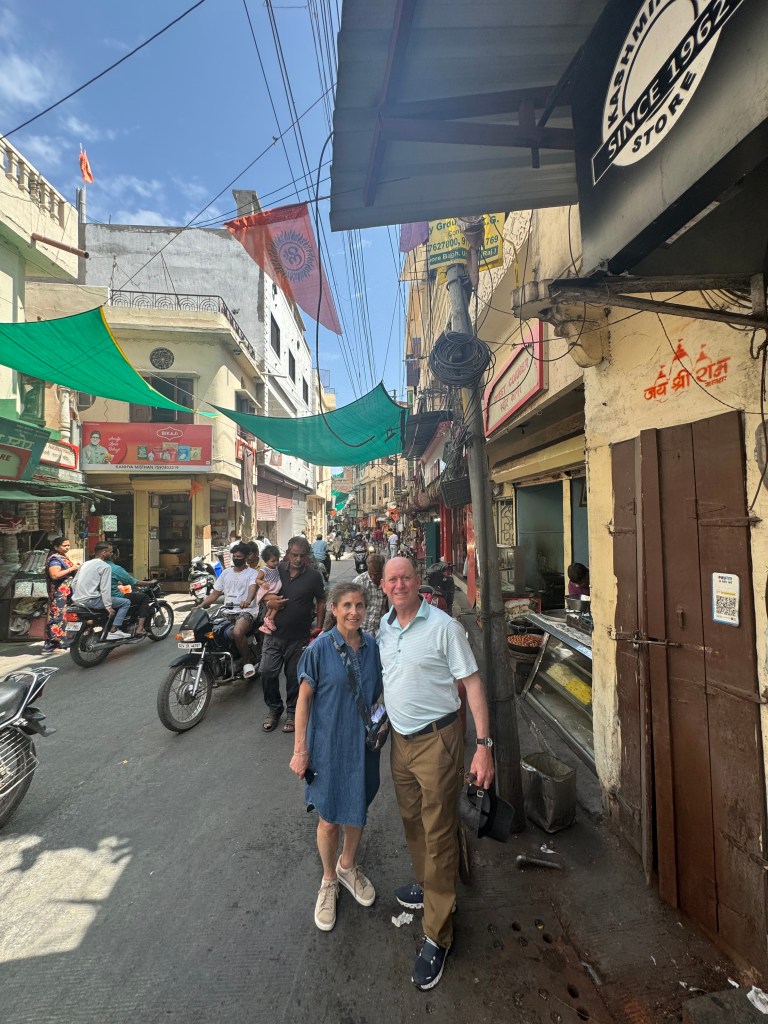
When we left the Palace, we entered Udaipur’s main shopping street. There are many Hindu temples among the shops to accommodate Udaipur’s mostly Hindi population (80%).
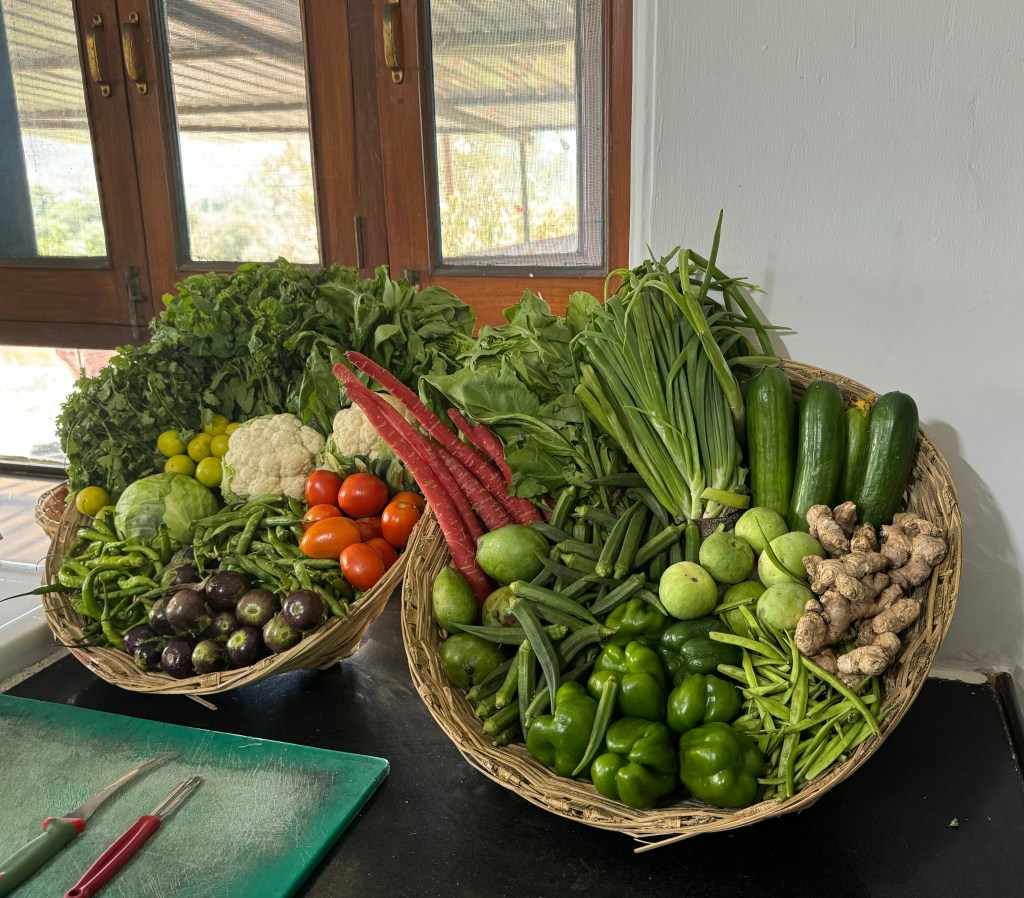
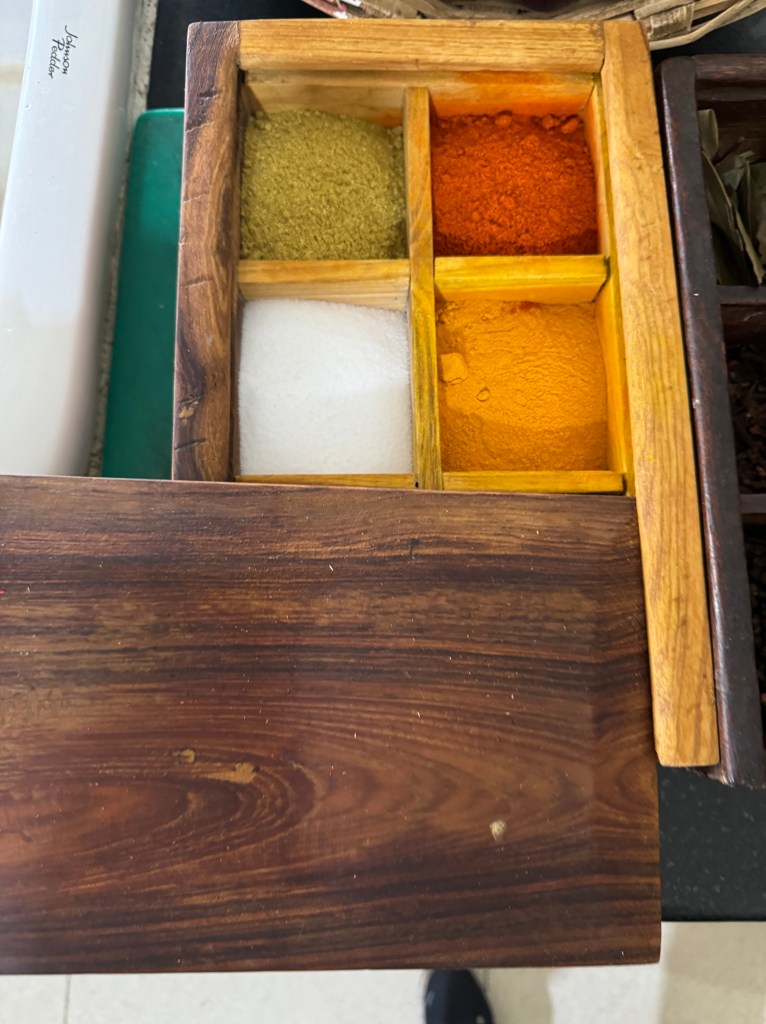
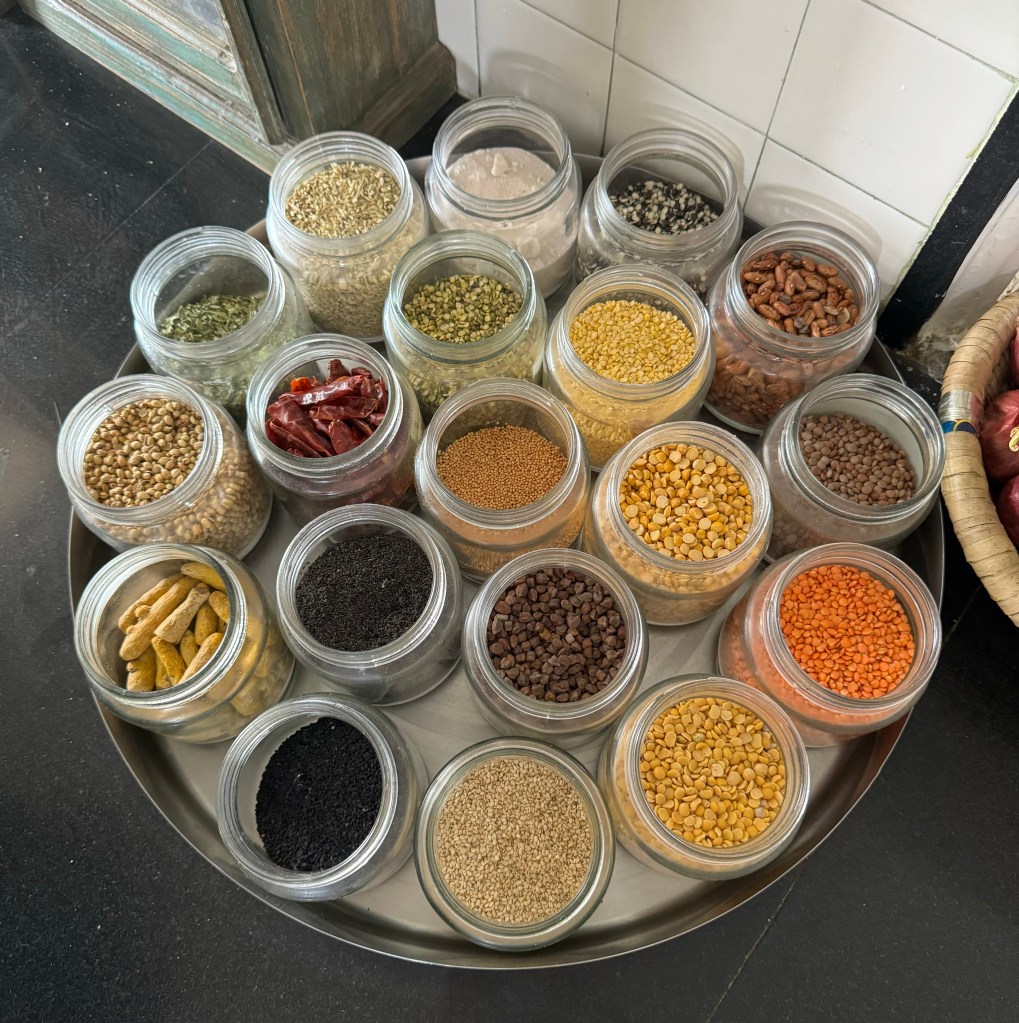
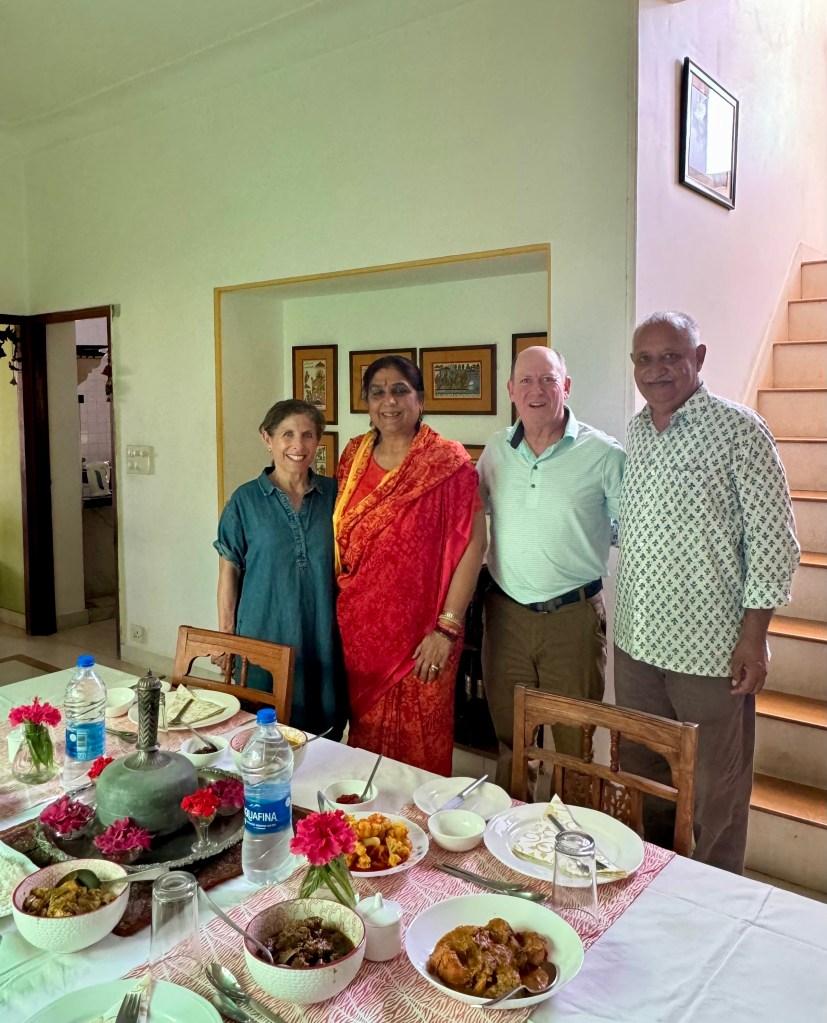
We continued our day outside the old city, up to Devrā, the home of Jyoti Jasol, for Heritage Cooking, Celebrating Traditions.The demonstration in her kitchen and delicious lunch in her home included stuffed eggplant, stewed cauliflower with tomatoes, mutton curry, chicken curry and fresh bread. We have spent many market visits looking for the spices Jyoti incorporated into her meal. We promised Jyoti and her husband that next time we are in Cambridge, Massachusetts, we would visit her daughter, a grad student at Harvard!
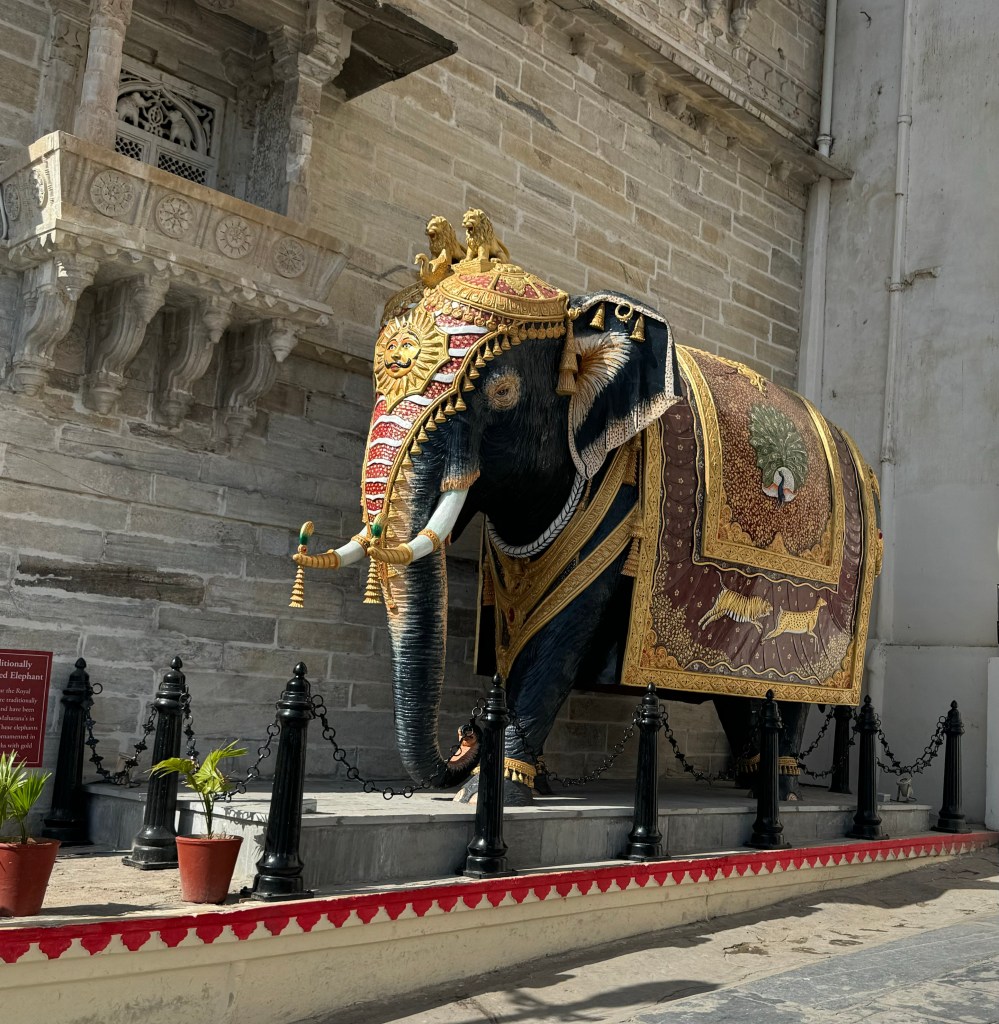
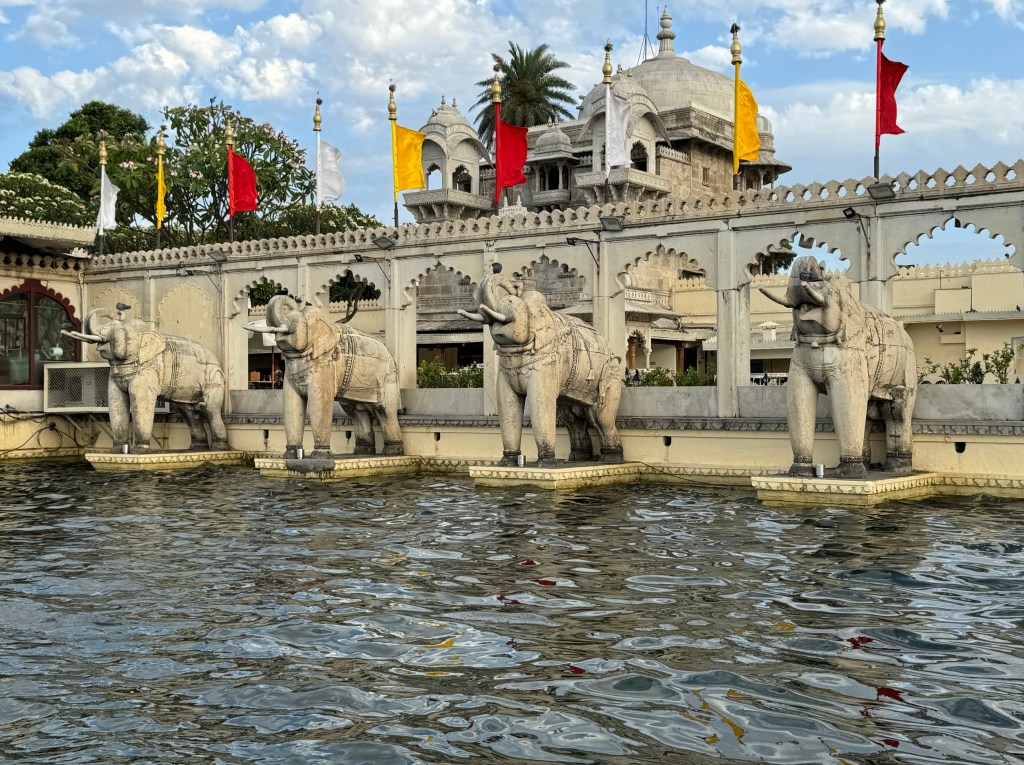
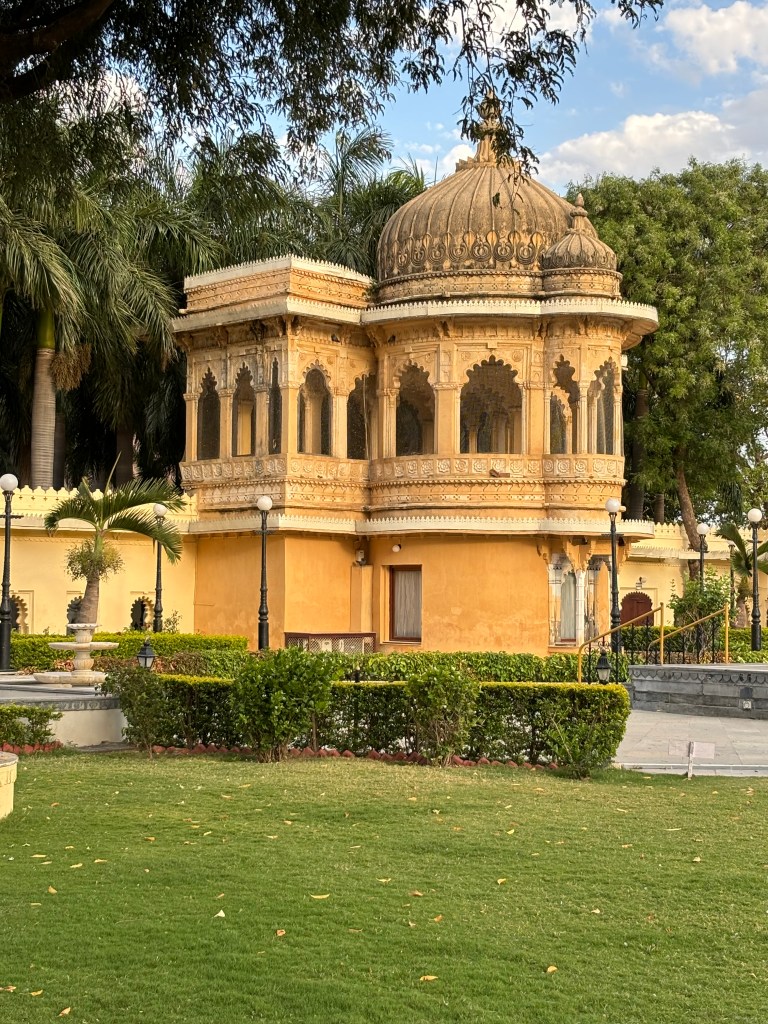
Since we were on the shore of Lake Pichola, what could be better than a late afternoon cruise? Two of the lake’s islands were (and still are) royal properties. The Taj Lake Palace hotel is world renowned. It was constructed in 1743 as a summer palace for the Mewars and has been a 66 room hotel since the 1960’s. The hotel also served as Octopussy’s Palace in the James Bond film (1983). The other palace on the lake is the Jag Mandir (1620). Its entrance is “guarded” by Ganesh (those elephants pictured below), god of wisdom and good fortune. This island is known to have been a safe place for young Prince Khurram to hide from his angry father. This same Prince Khurram (who grew up to be Emperor Shahjahan) was inspired by the beautiful marble,work and gardens to commission the Taj Mahal. Once again, we were experiencing royal life in India and again, it’s good to be the King. Today, Jag Mandir is a popular wedding venue.
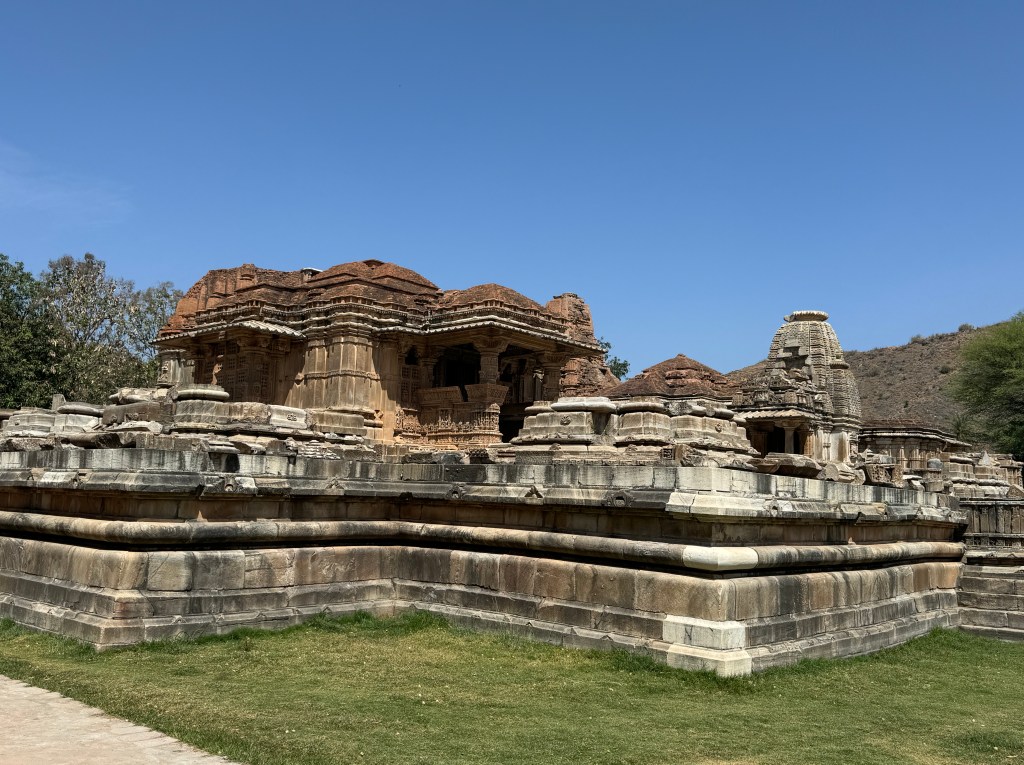
Our last morning in Udaipur included visits to Hindu temples. The temples at Nagda date back to the 10th century but once the site was invaded by the Mughals, it lost its temple status. It remains a beautiful work of architecture with a tremendous amount of symbolic relief work.
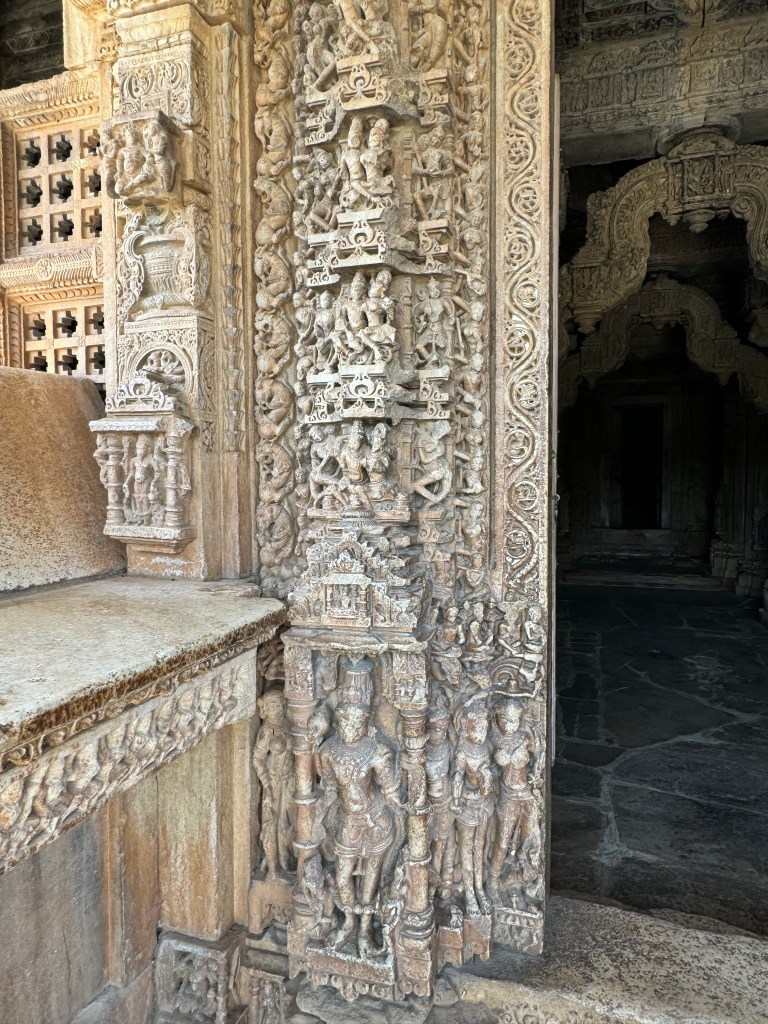
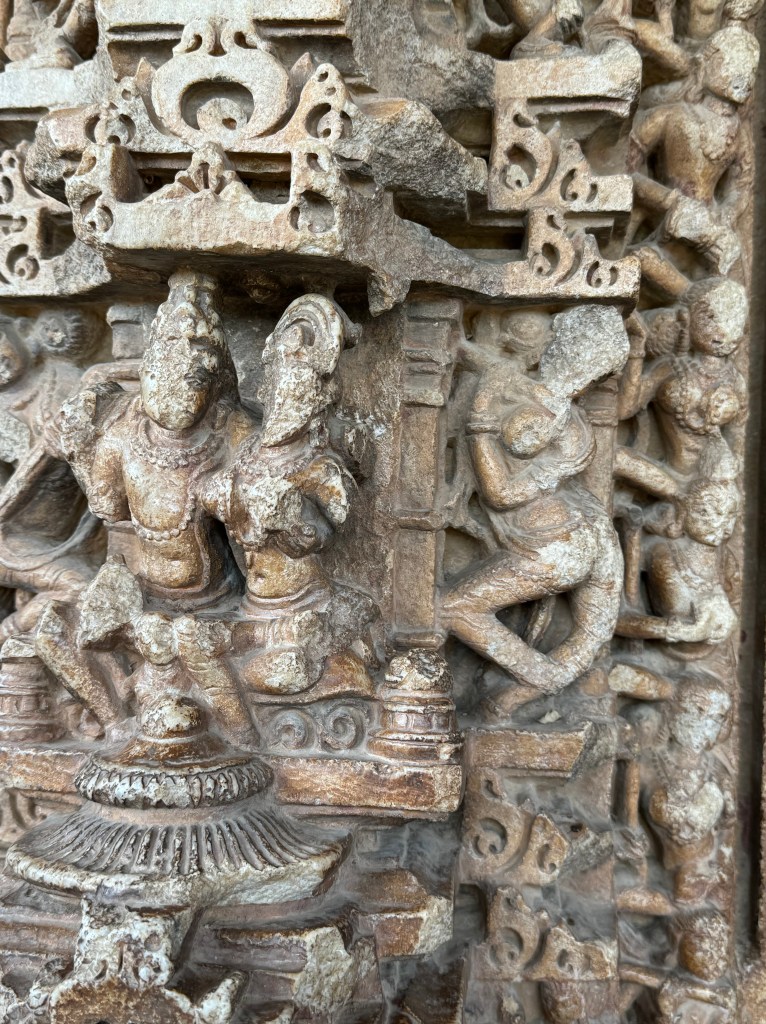
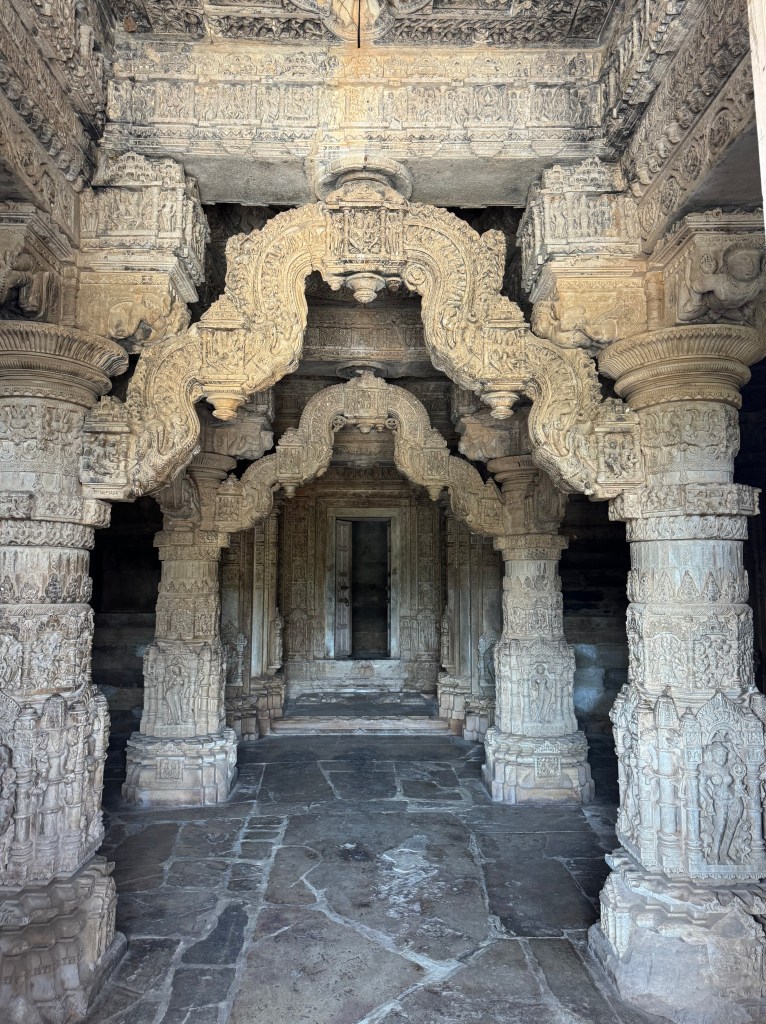
Lucky us, it was a Hindu festival so our visit to the temple at Eklingji, dedicated to Shiva, was extra special as we entered along with many worshippers, carrying their gifts for Shiva. This is a complex of temples that are 1,000 years old and are extra special because the Rajasthani maharaja is said to visits these temples every week.It’s good to worship with the king! No photos allowed here.
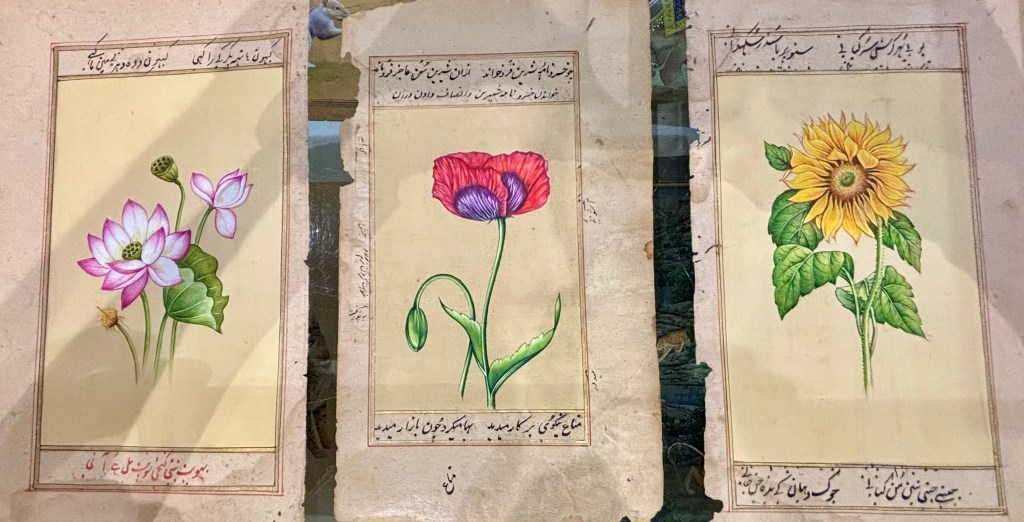
After temple(s) we were once again ushered into a coop of artisans from 48 families together since 1980. We learned more about miniature painting. Colors come from local elements:
Yellow: sulphur
Red: red oxide
Black: carbon
Orange: ochre
Blue: lapis lazuli
Green: malachite
White: zinc oxide
We saw miniature paintings that were painted on camel bone (a substitute for ivory, banned since 1973), met some artists (artists work towards becoming masters and masters might become gurus) and, not surprisingly, bought some beautiful miniatures in motifs that were popular with the monarchs of Udaipur. Yes, it is good to be the king! Andy was happy with the deal he negotiated, which included framing and shipping.
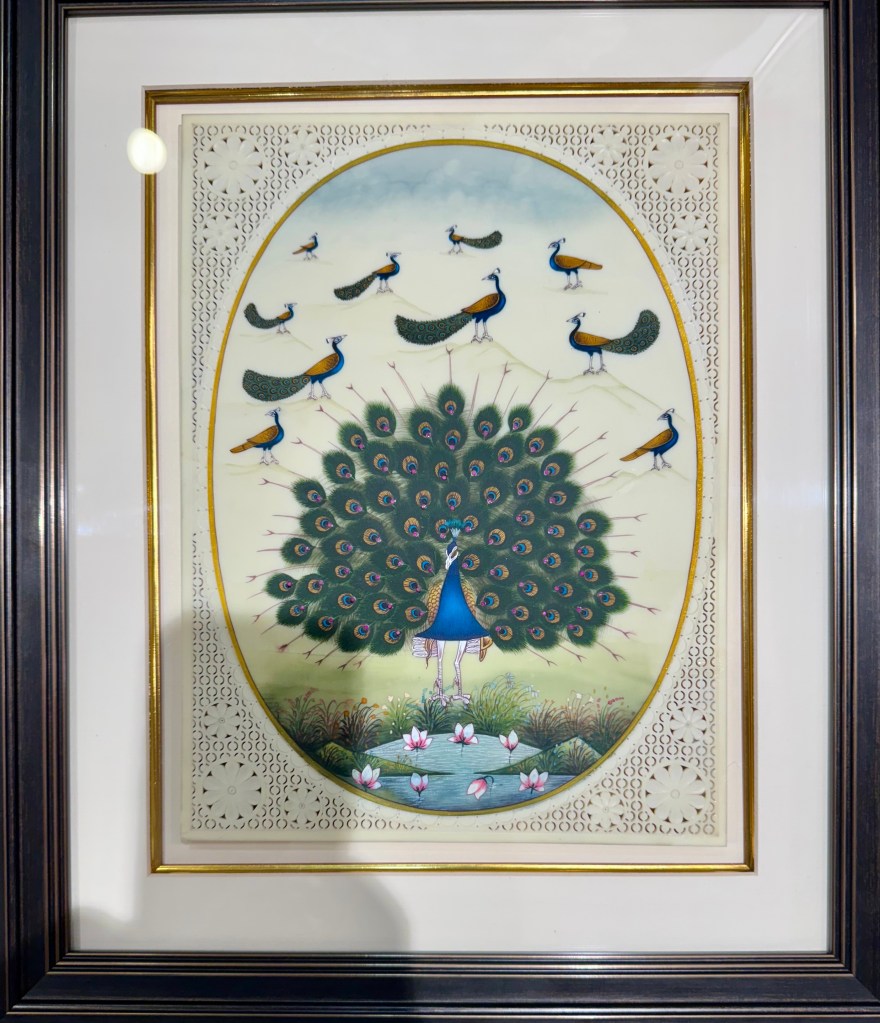
After a nice lunch we said our goodbyes and continued our journey: to Mumbai.
Namaste!
 The Innocents Abroad, 21st Century Version