3-4 January 2024
As the lucky borrowers of a compact Citroën, and since weekends on the slopes and lift lines at Chamonix are unnecessary for those who can ski during the week, Andy suggested an overnight in Milan. I thought I would read my go-to prep for such an excursion, the latest NYTimes: 36 Hours in Milan. Then I did what I often do; I read the reader comments and the most “liked” comments were very critical of the article so I moved on and made a nice itinerary for us.
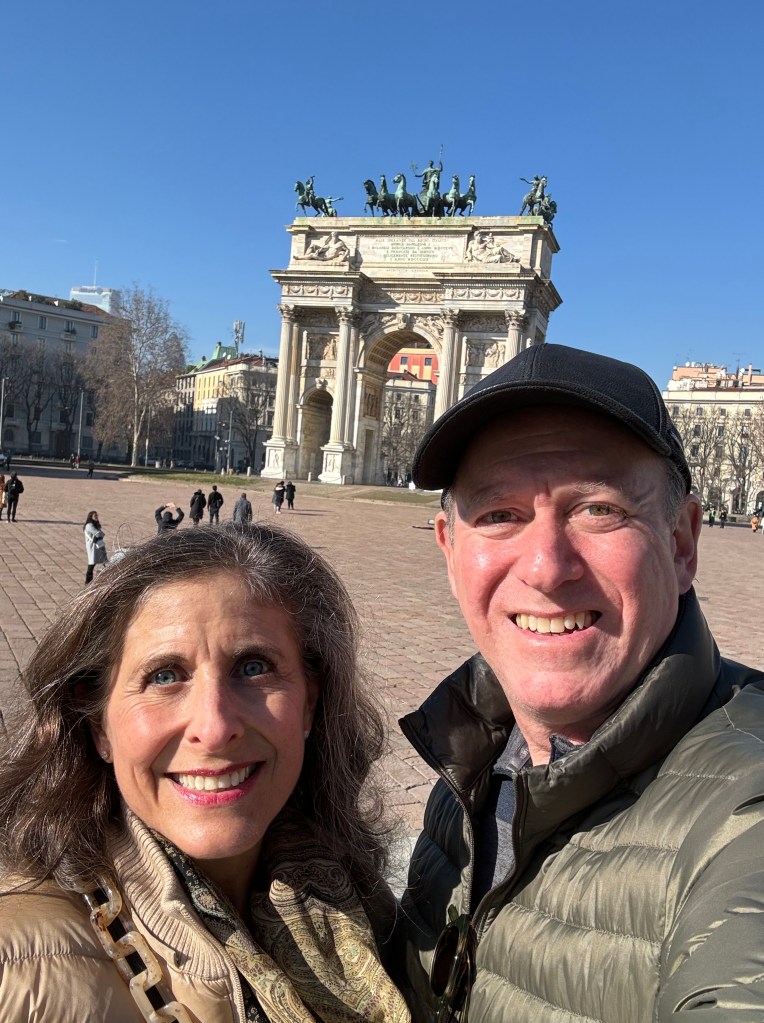
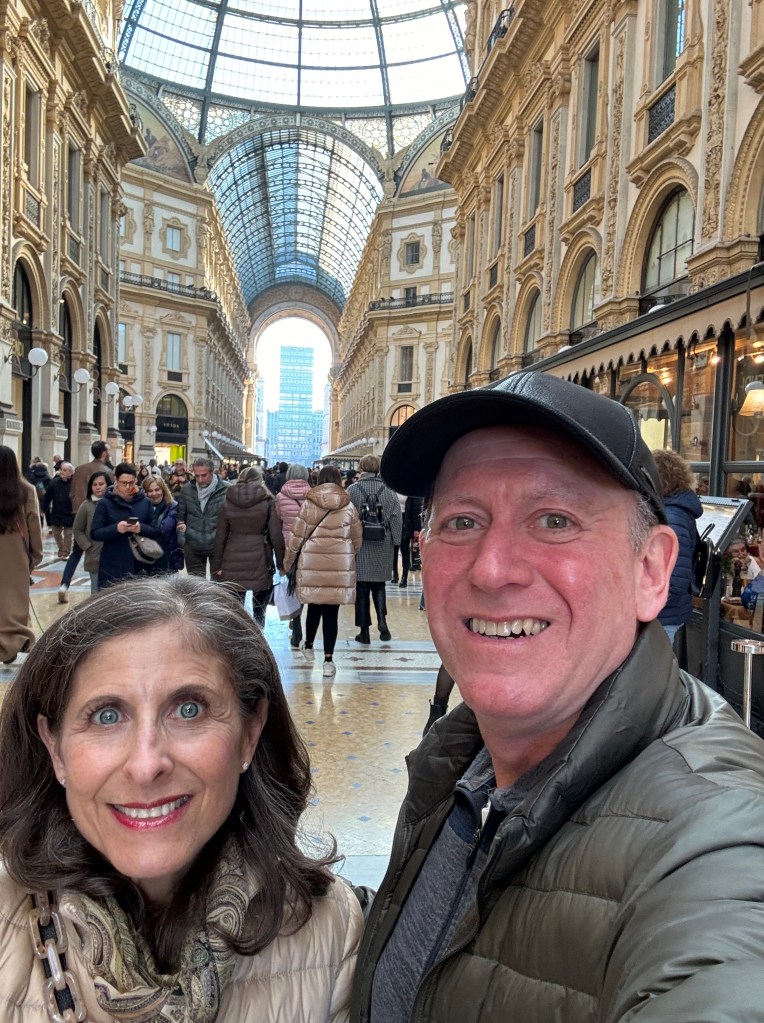
The drive from Chamonix to Milan is just under three hours, about 150 miles and we started our adventure early Saturday morning. It was a warm, clear day and the scenery, from French to Italian Alps was beautiful. Our Milan hotel, the Senato was well-located with a parking spot out back. Because the day was so lovely, we strolled through the Parcours Sempione, Central Milan’s grand park, to one of Milan’s Saturday markets, Fauche Street. Since we are not buying a lot these days, this ended up being a stroll to people watch. Our next activity was much more successful: lunch in Galleria Vittorio Emanuele II, an indoor mall that was mobbed with people and filled with many high-end shops. After a leisurely lunch (pizza, of course and salad, of course) we wandered and Andy bought a very nice shirt (and on Sunday, really nice sunglasses). I think Italian menswear is stunning and it makes me very happy when someone, other than me, buys something!

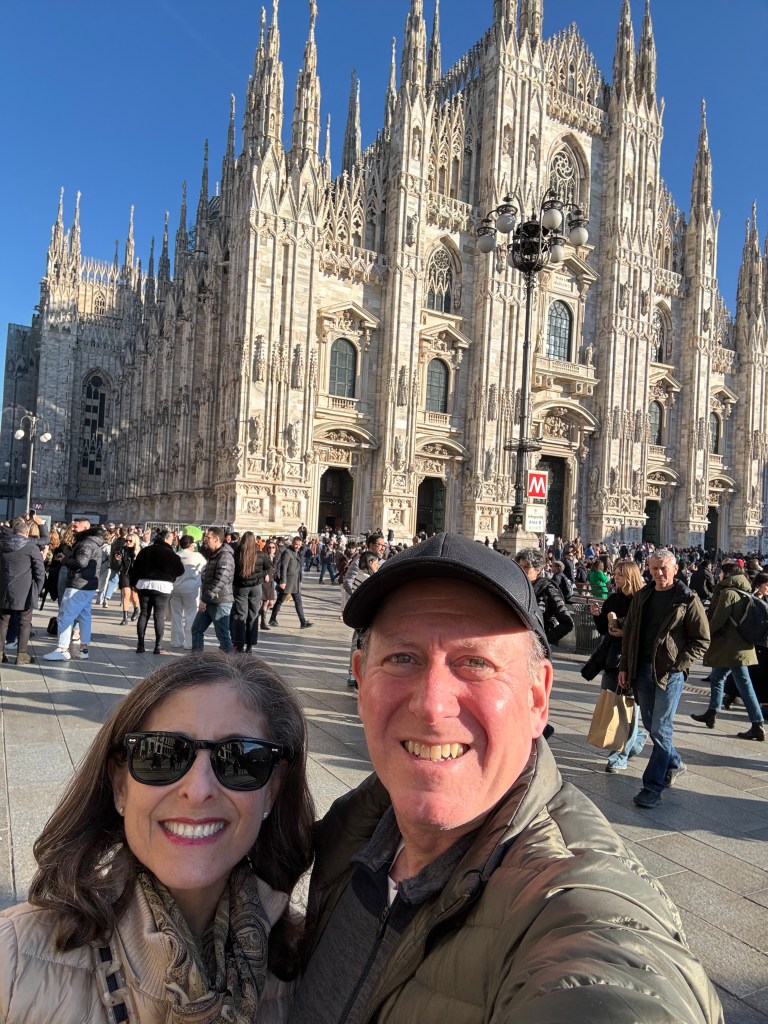
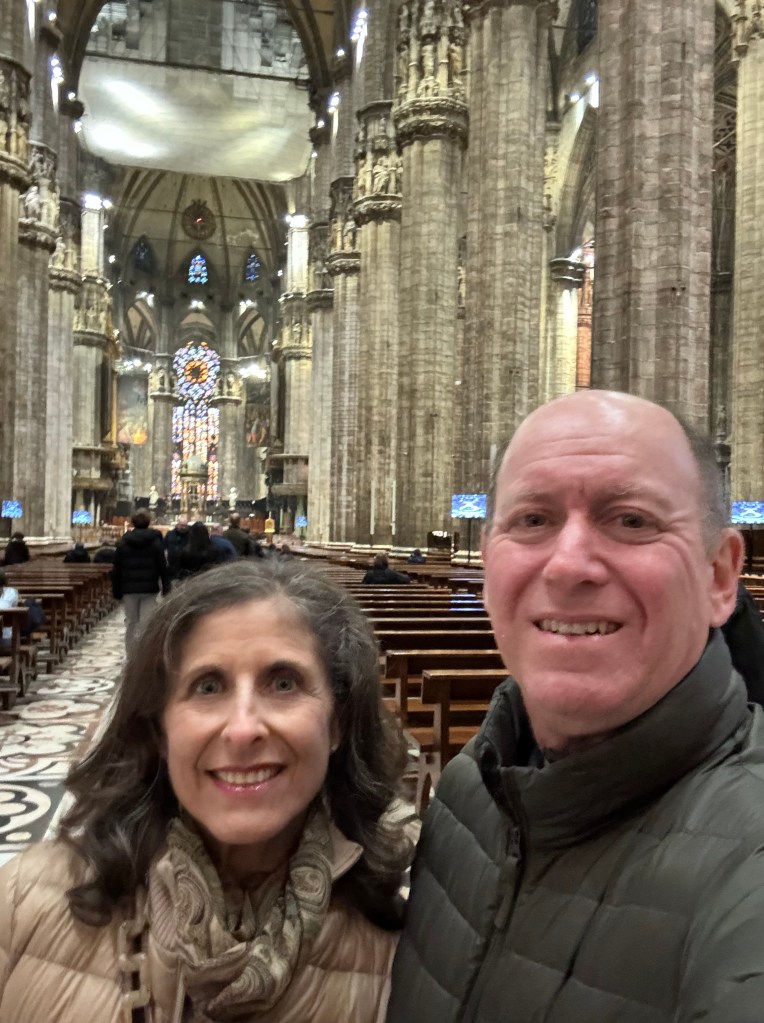
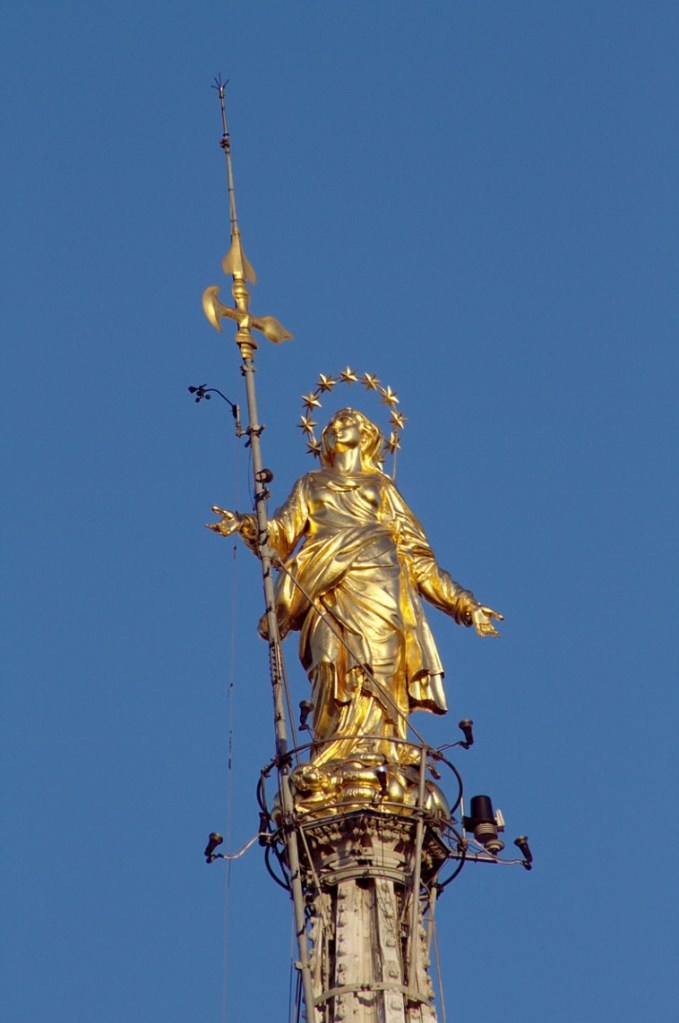
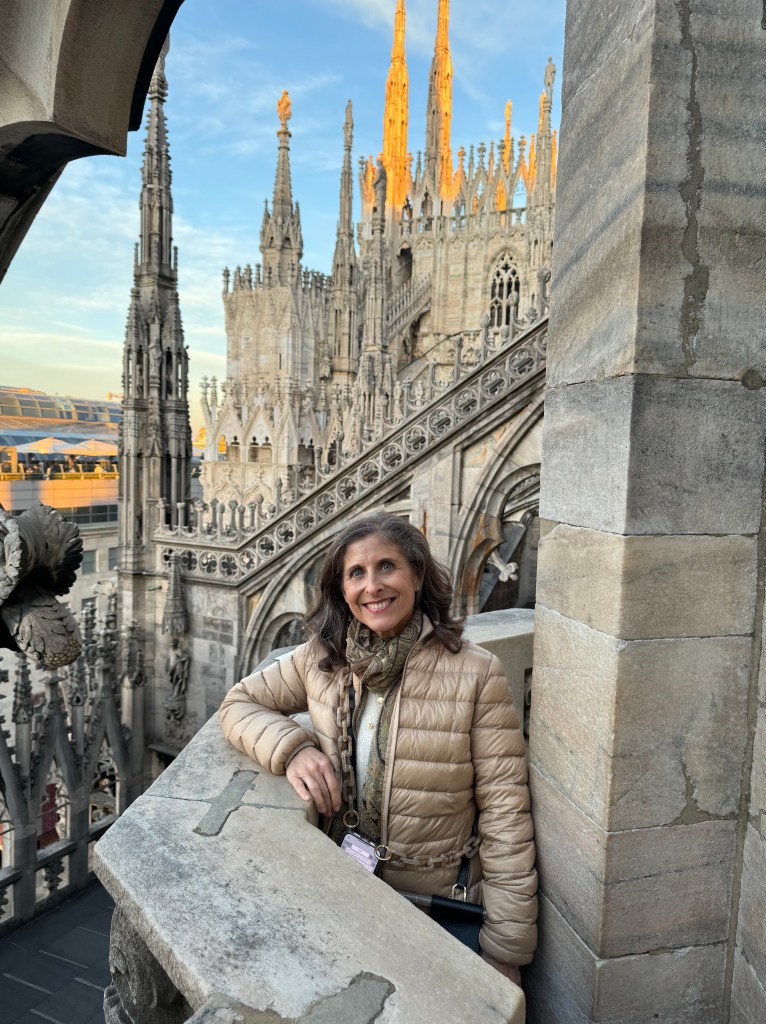
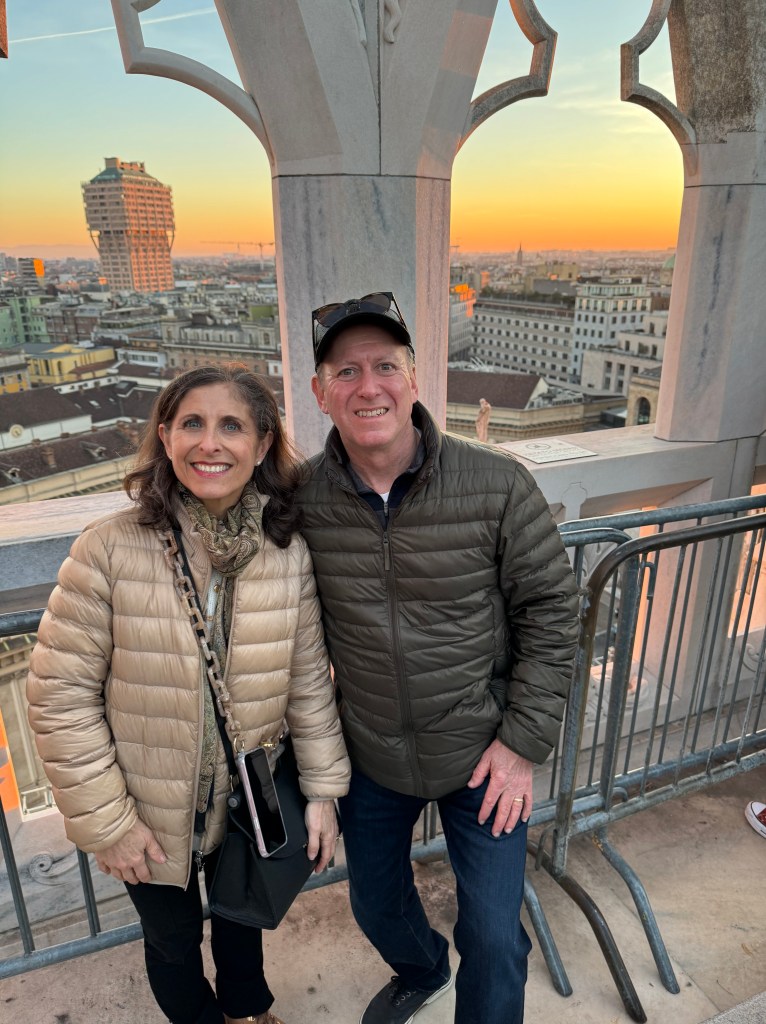
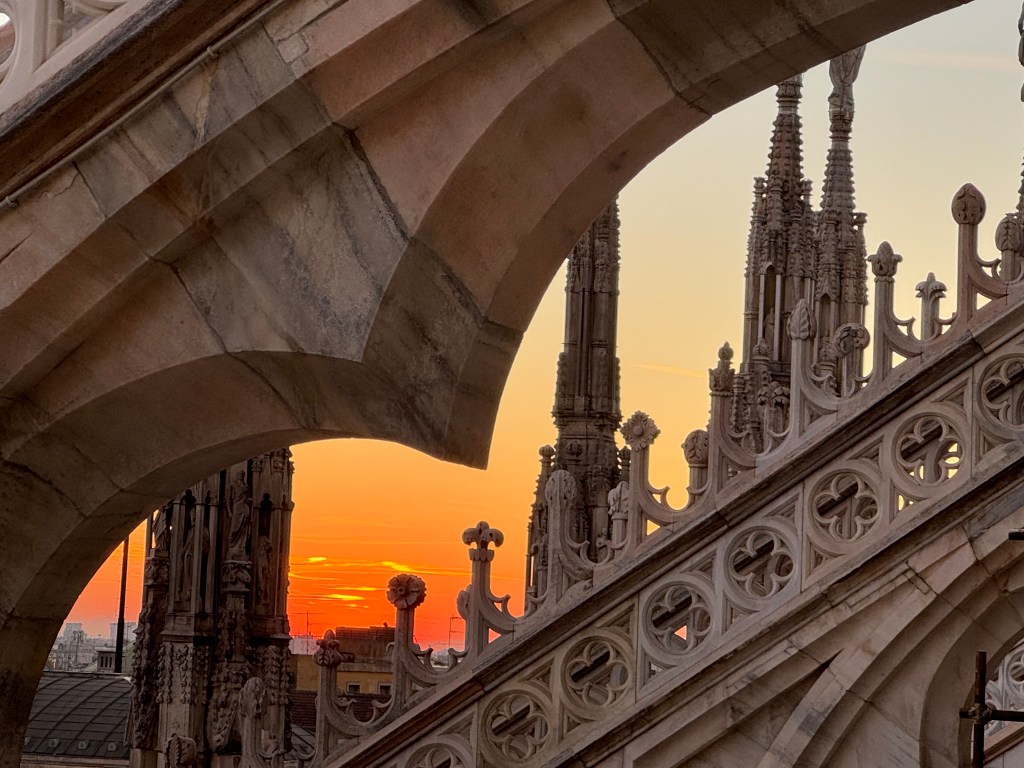
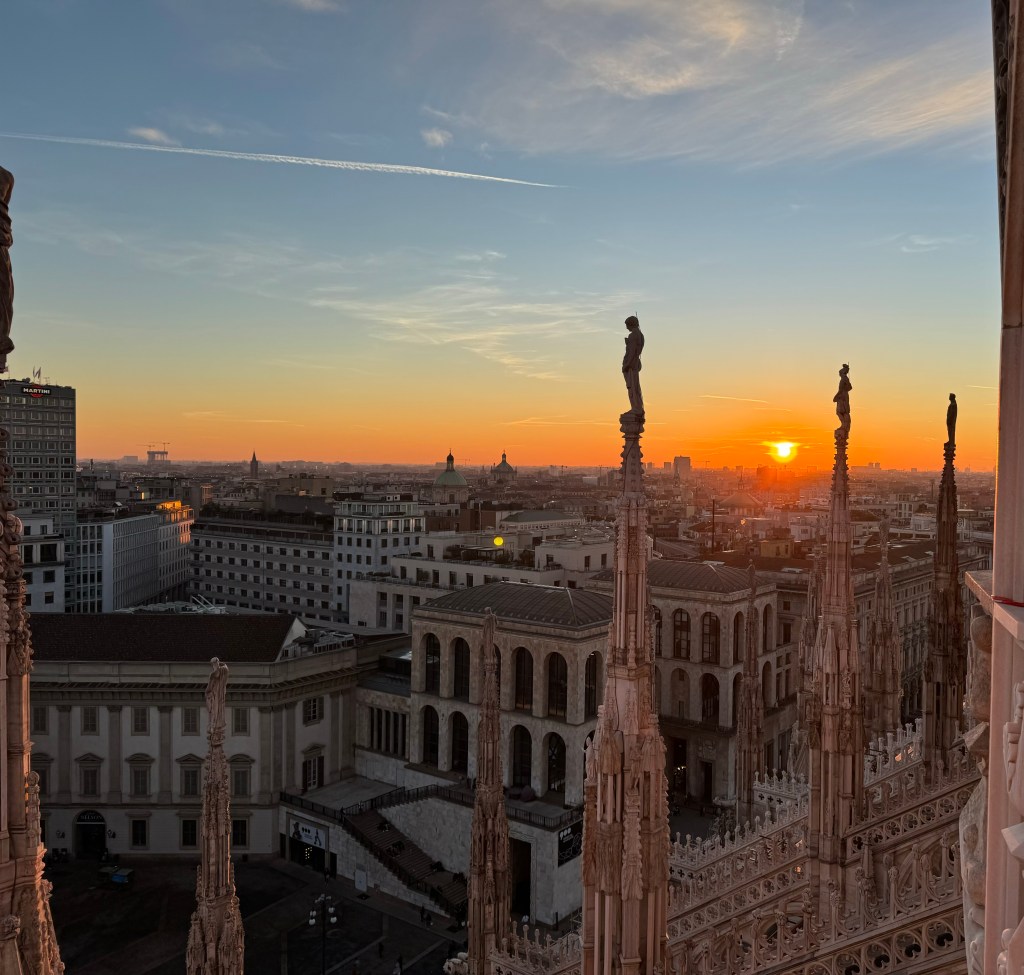
Soon after, it was time for our timed entry at the Duomo, Milan’s gorgeous and huge cathedral. Construction of the Duomo Di Milano began at the height of Gothic cathedral architecture and it continued for many years with concurrent renovations even before its completion. After exploring the inside, we timed it so we could be on the roof for sundown. It was spectacular – this is a must for anyone visiting Milan. From the terrace’s walkways one has a great view of the bustling Piazza del Duomo and a panoramic view of Milan. There are 135 spires, 3,400 statues, 150 gargoyles (these function as gutters), 96 giants and 410 corbels decorating the Duomo’s facade. And standing out, on top of the Main Spire is a golden Madonnina. During the Second World War, Madonnina was draped under a cloth for almost six years for protection.
A beautiful day to be on the Duomo’s rooftop at sundown.

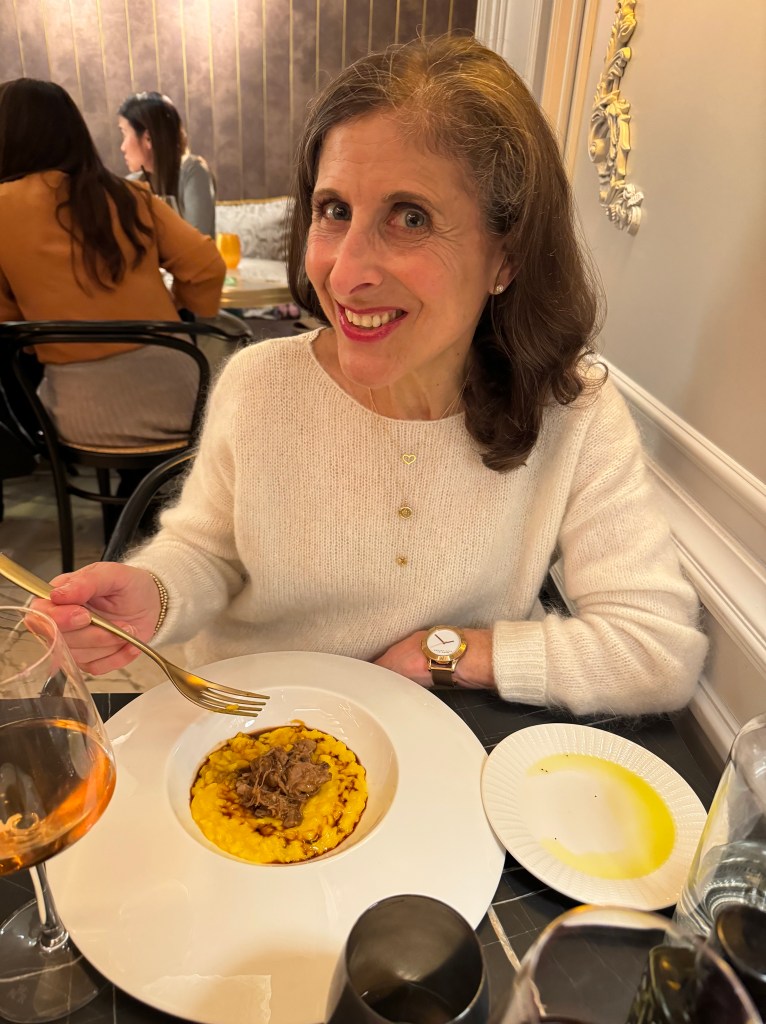
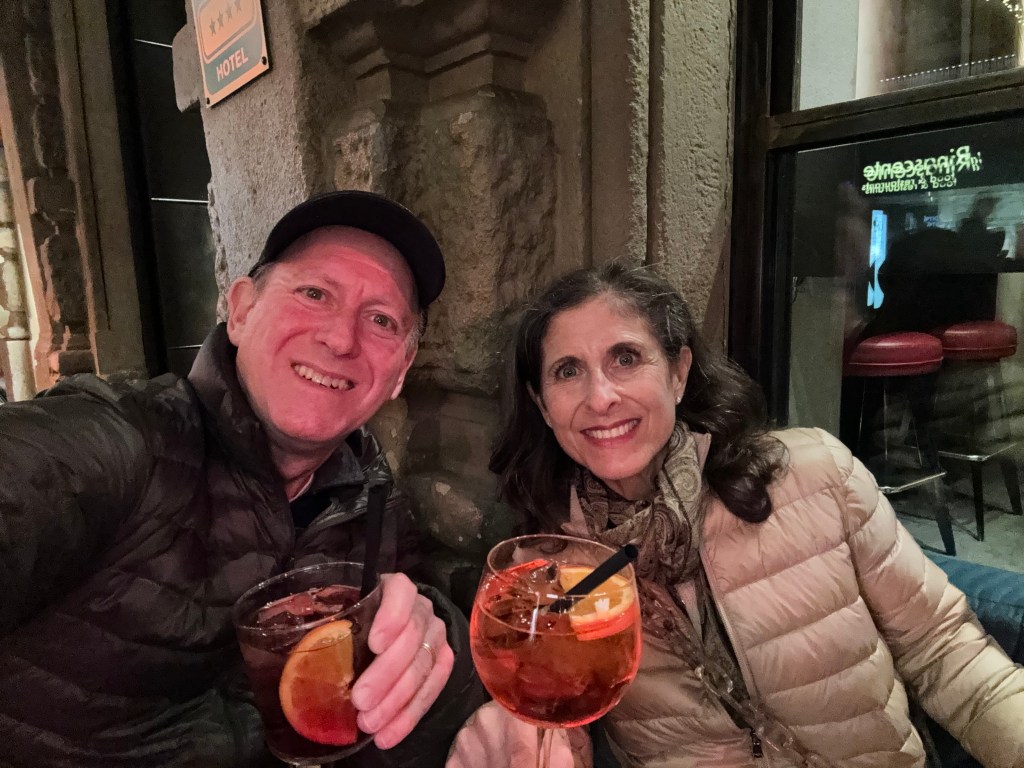
Since we were in the Lombardy region of Italy, we opted for a Northern Italian dinner at Ristorante Nabucco, so named because Giuseppe Verdi frequented the restaurant’s neighborhood. It was the perfect place for us to dine and recall Verdi’s 1841 opera with its beautiful Chorus of the Hebrew Slaves, one of my favorites. The waiters were very nice (the host gave me a tour of the historical rooms in the restaurant) but they had no idea what I was talking about when I mentioned Nabucco’s beautiful chorus 🎶🎵🎶. We dined on risotto, a thick veal chop Milanese (Andy) and a delicious fillet of sea bass (for me). We fell in love with dessert, semi freddo al cioccolato gianduia crumble al caffè, caramello salato 😋 (gianduia chocolate semifreddo, coffee crumble, salted caramel) and, as often in Italy, we received limoncello, a marvelous digestivo, to finish our meal. We strolled back to the hotel along the large cobblestone streets, passing restaurants that were still filled with people, just delightful.
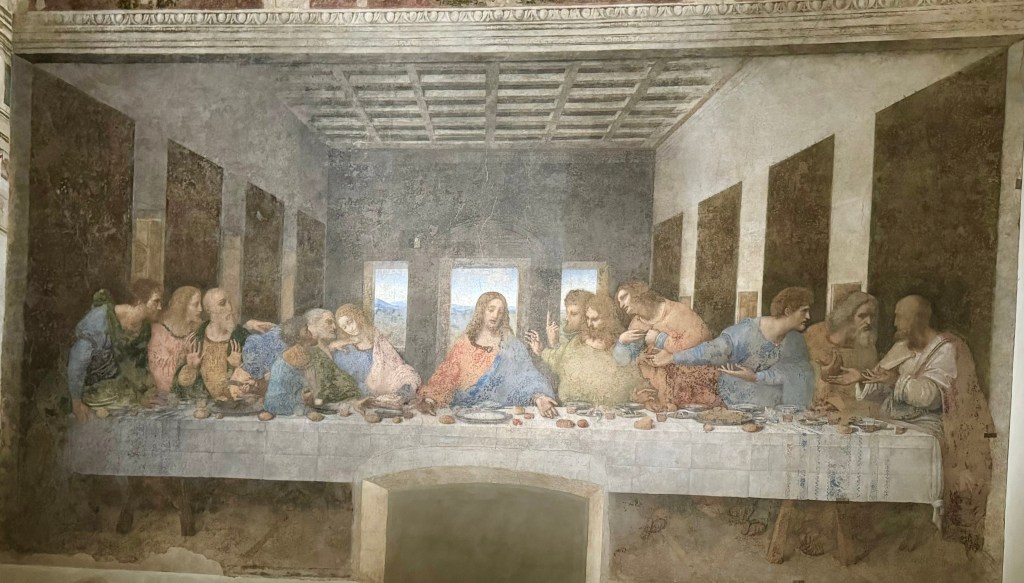
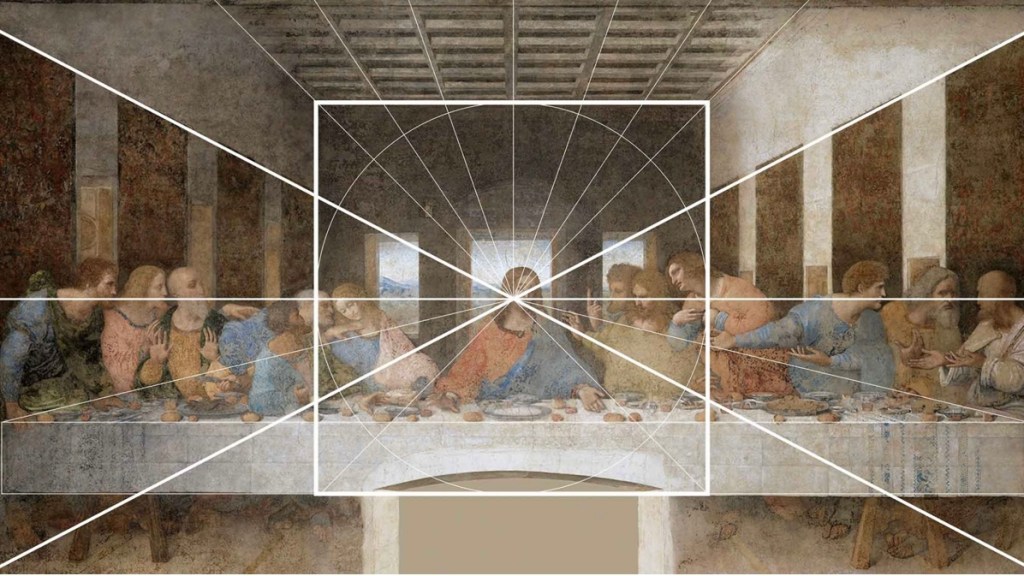
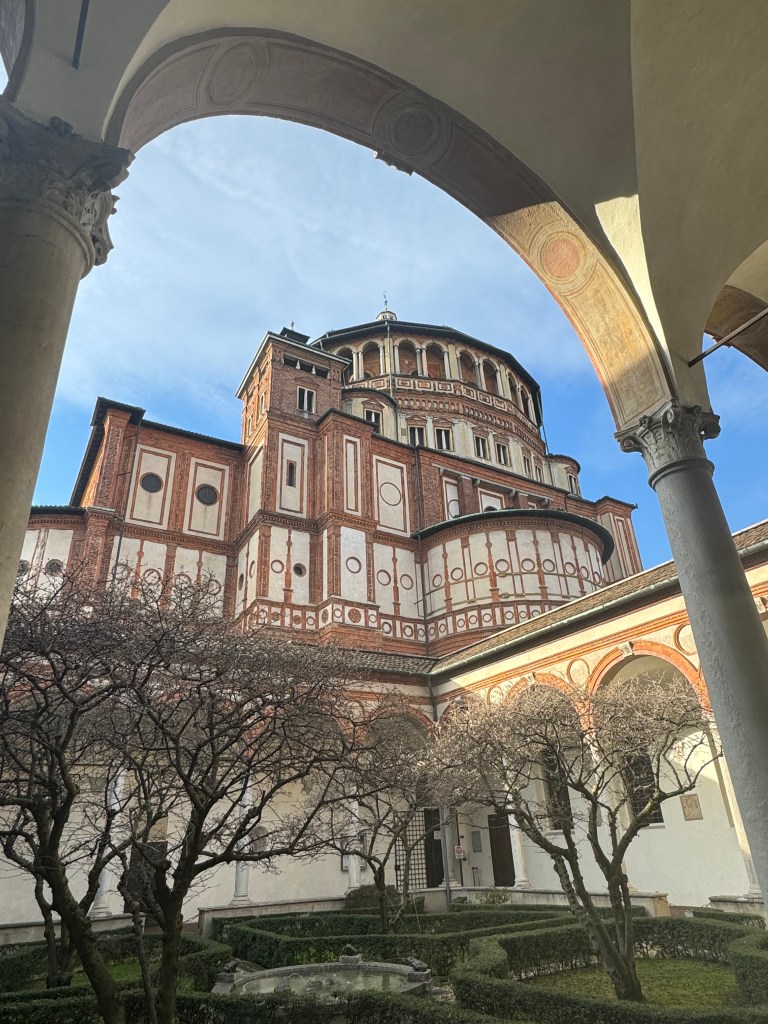
Sunday was another beautiful day in Milan. After breakfast we went to see Leonardo da Vinci’s Cenacolo (The Last Supper, 1494-98), a mural in the refectory of the Dominican convent of Santa Maria delle Grazie. A UNESCO World Heritage site since 1980, it is known for its beauty and its history. One of the most interesting things about coming to see this masterpiece is how secure the entrance to the museum is. At first I thought it had something to do with security (after all, on January 28, protestors hurled soup at Mona Lisa, fortunately, only splashing her bulletproof protective glass) but it’s actually about the preservation of the fresco. Leonardo created his frescos on drywall: fresco secco. Wet wall frescos withstand time better but Leonardo chose a method where he could more easily make changes when painting. In fact, the Last Supper began to deteriorate shortly after its completion and has been through many restorations. For visitors, one must wait between different enclosed doorways (reminded me of Get Smart) so that the air and humidity levels best preserve the fresco. Because of this, we were permitted fifteen minutes to view the two frescos in the refectory (which had been the cafeteria for the monks of the convent). This work of art portrays Jesus and his Apostles, each exhibiting different expressions, their vivid emotions recognizable and understandable. Leonardo also used linear perspective, with the vanishing point at Jesus’s right temple, the focal point of the painting. There is a lot of depth to this work, beyond the supper, out the window and to the mountains way in the background.
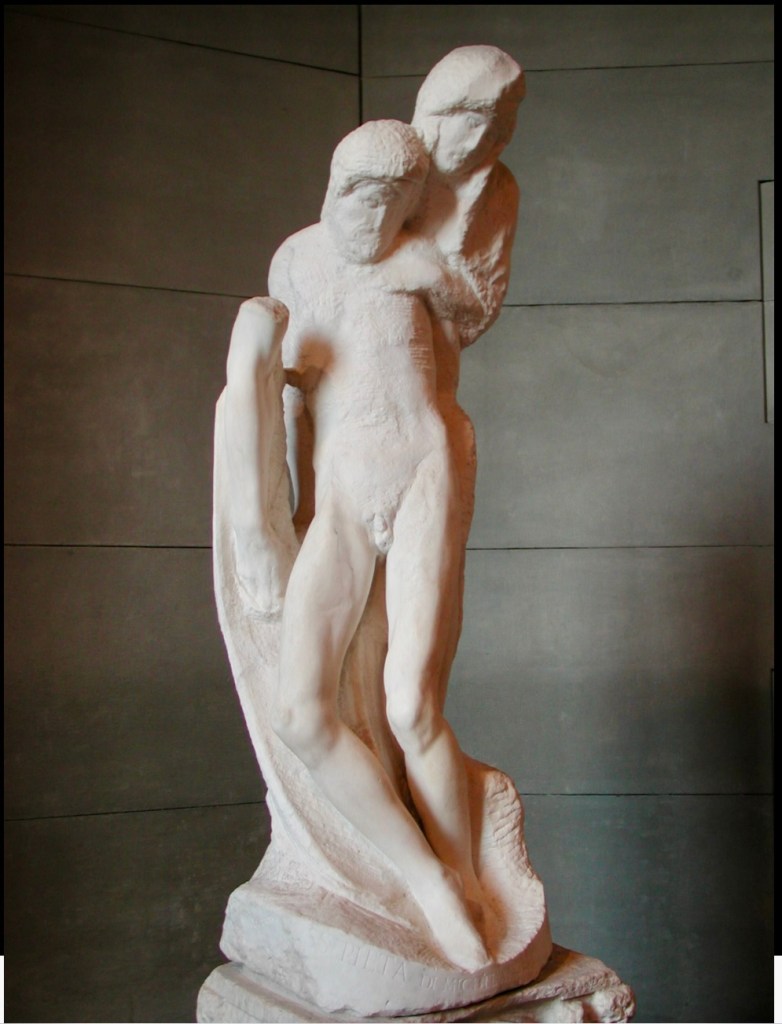
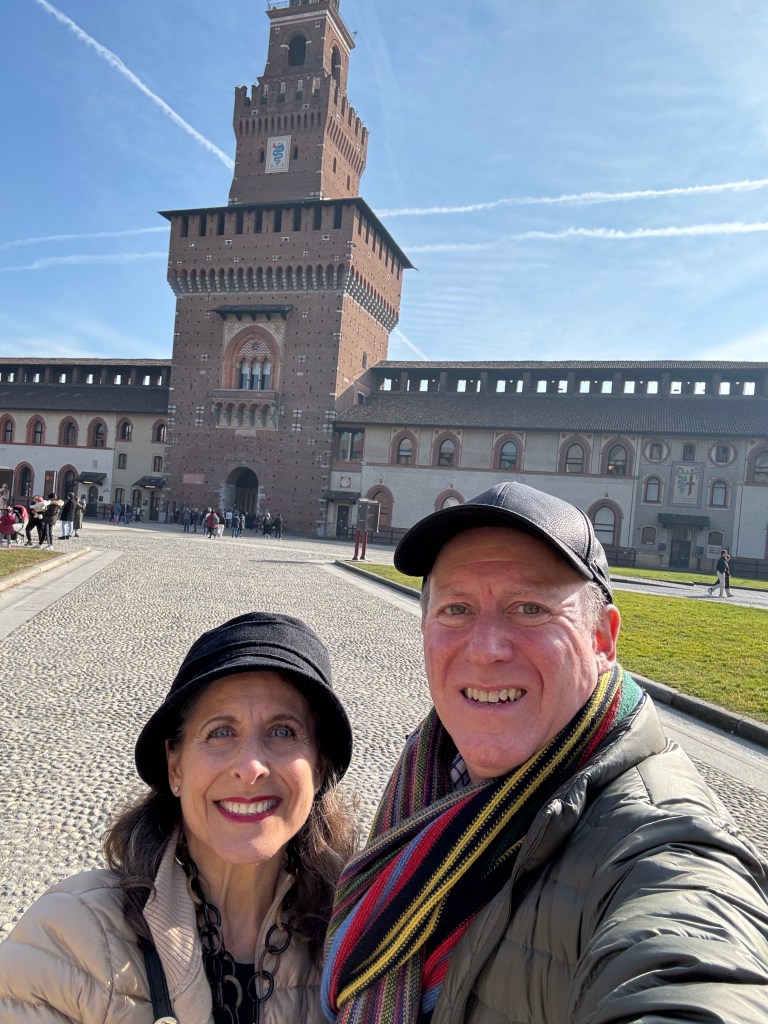
From Santa Maria delle Grazie, we walked to the gigantic Castello Sforzesco, a 14th century fortification complete with moat and drawbridge. It now houses nine museums and other cultural institutes. Lucky for us, the first Sunday of the month is free and open to the public; we arrived before the crowds. We visited the Pietà Rondanini by Michelangelo (1475-1564), an unfinished sculpture that the artist worked on during his final years. It is an emotional depiction of mother and dying son. Jesus’s body is emaciated and both he and Mary are elongated with a manneristic look. Interestingly, there is an arm that the artist seems to have been eliminating from the work at the time of his death; it does not “fit” the weakened physique of Jesus. But it was so interesting to see how this work in progress, with its different styles, is still there for us to see.
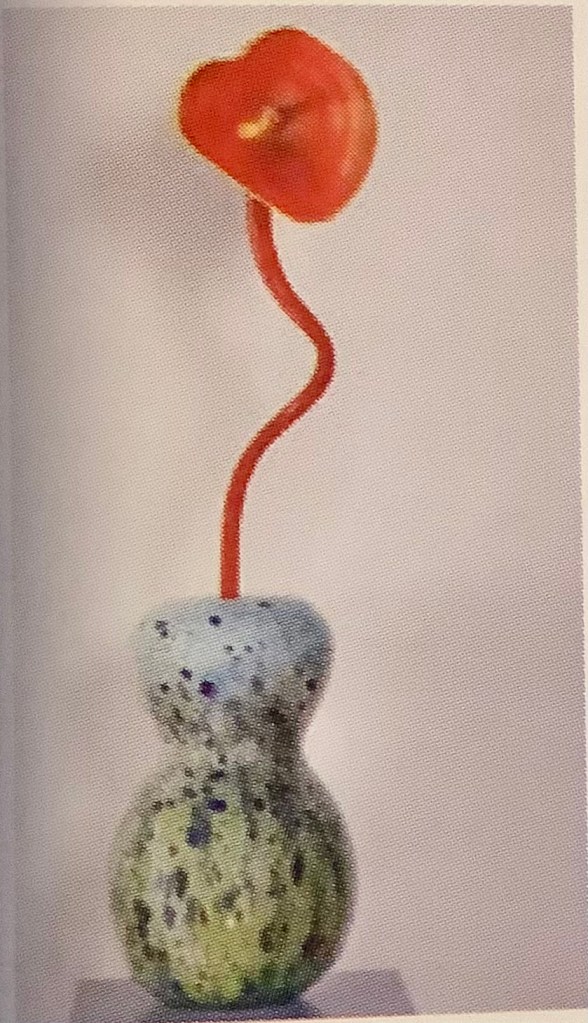
We also visited the Sforza Castle’s Museum of Decorative Arts and saw early Murano glass and porcelain. The Europeans had to figure out how porcelain was created in the Orient; the earliest European porcelain was produced in France, beginning in 1710. Italy’s Ginori porcelain has been made since 1737. We wandered through the Museum of Musical Instruments and saw the twelve Trivulzio Tapestries (early 1500’s), commemorating all the months of the year. I particularly enjoyed the Contemporary Glass collection, a new addition to the Museum of Decorative Arts.
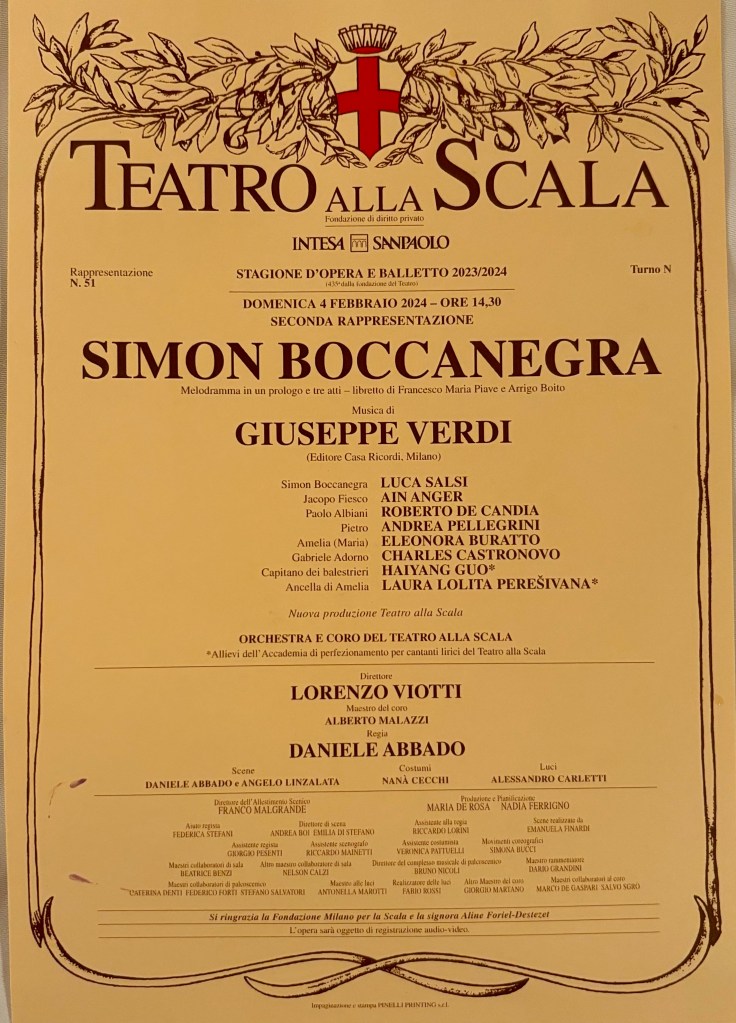
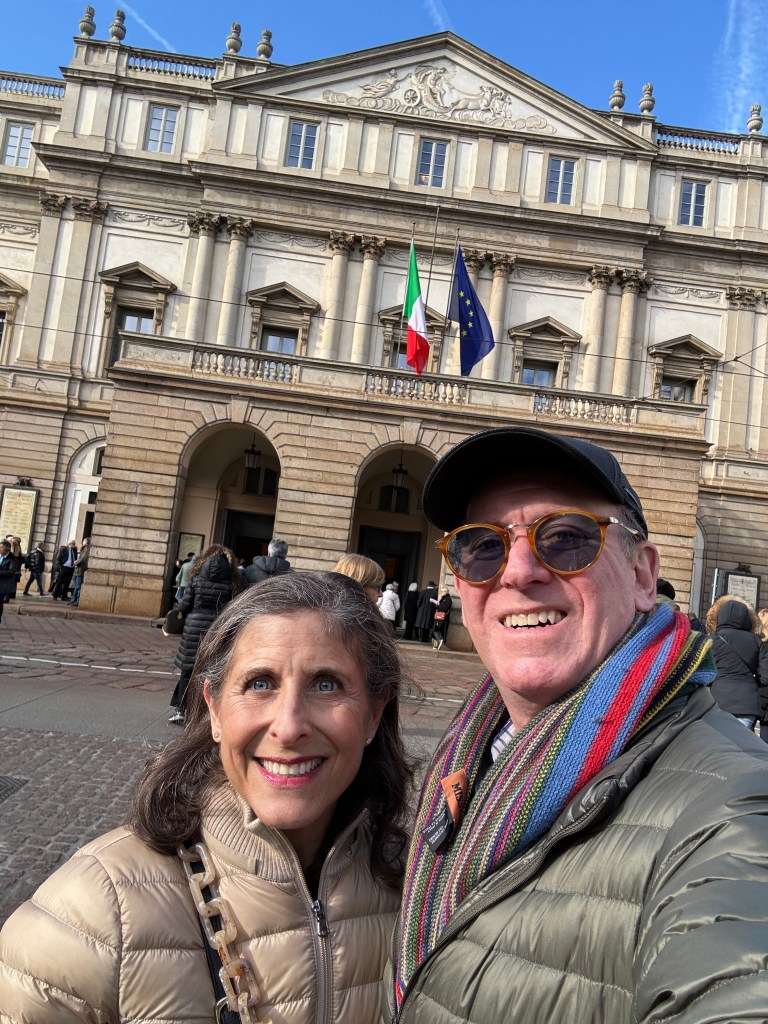
Our afternoon activity was another Milan highlight. We went to Teatro alla Scala to see Verdi’s opera Simon Boccanegra. We had never seen this opera and interestingly, it got a lot of press, even in New York, before opening. If you are interested, see The NY Times article of January 20, “A New Production of a Verdi Opera Tightens Family Ties.” True confession, I had to read the synopsis three times to get what was going on. In fact, Verdi found it necessary to rewrite the opera after the original got panned for being too complicated and confusing. There were mistaken identities, forbidden love, kidnapped illegitimate daughters unknowingly ending up in the care of a grandfather. There were reunions of father and daughter. There were wars among the people who did and did not support the Doge. There were poisonings and weddings and death (like all operas). the story of Simon Boccanegra is not unlike some of the more dramatic stories in the history of politics of the cities of Italy. These kinds of things really happened: #You can’t make this stuff up. It was a great production with huge operatic talent and we both loved it.
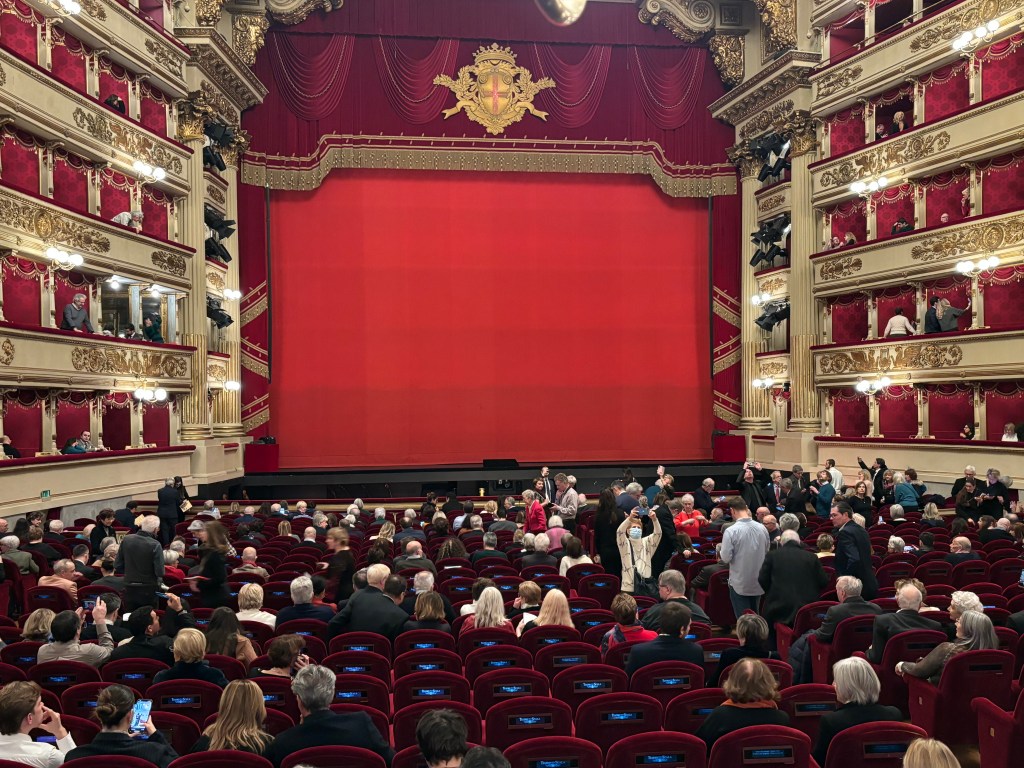
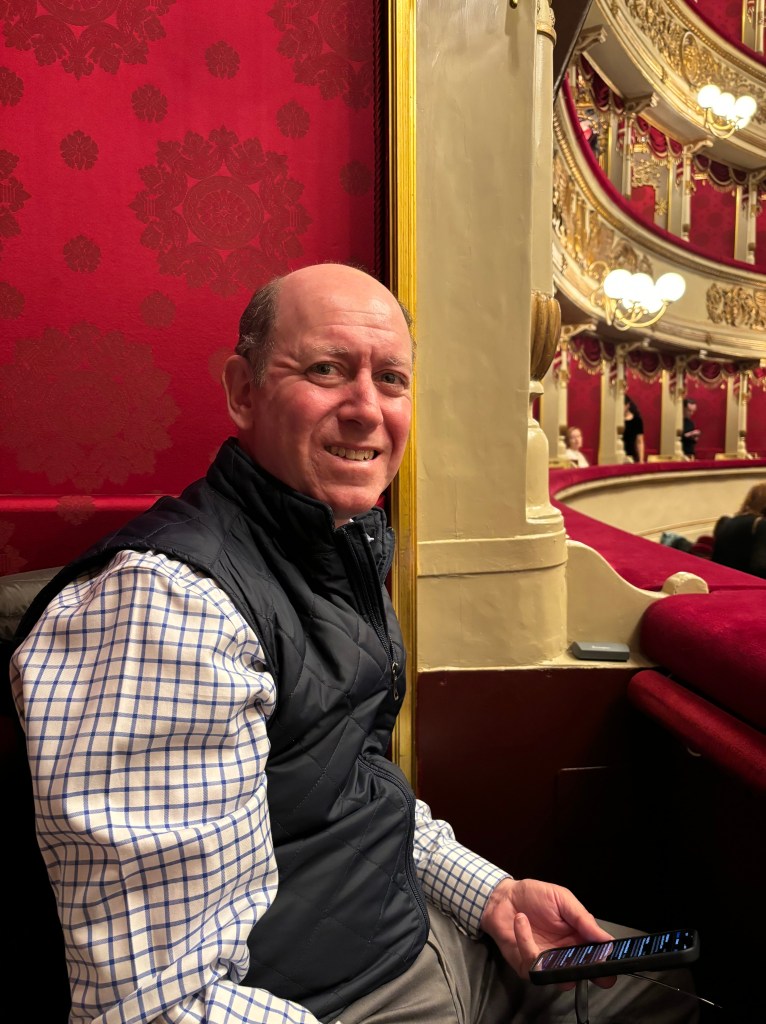
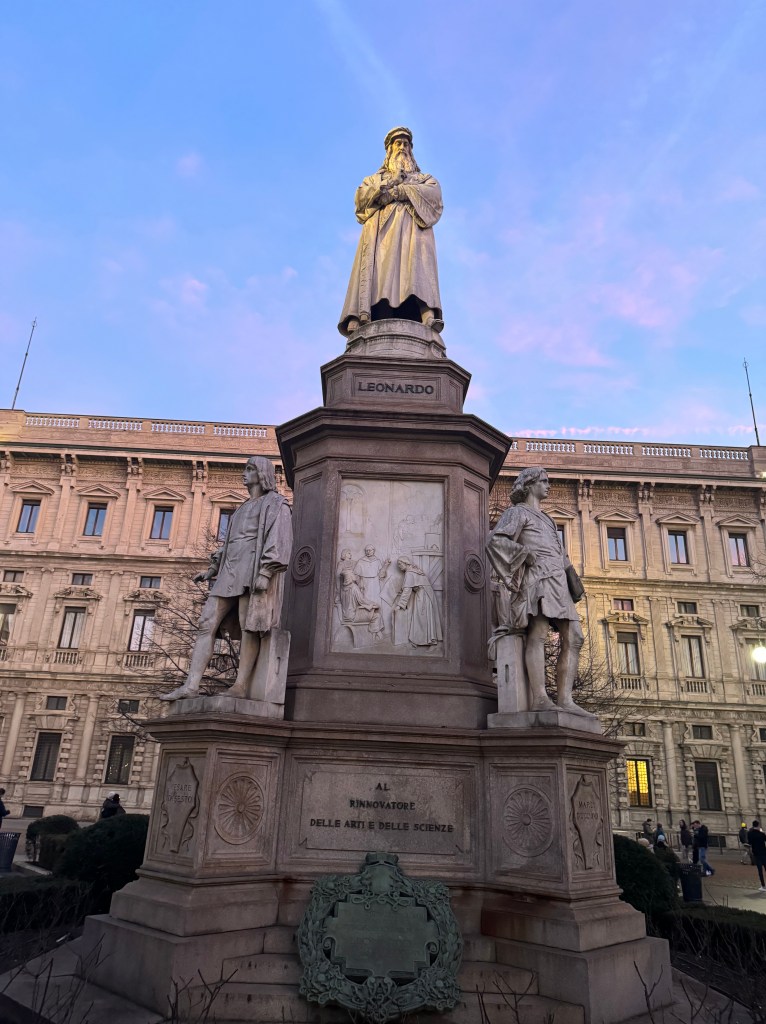
After the opera, we walked out of La Scala onto a square where we could hear a beautiful opera singer, the acoustics were excellent and it just felt like the perfect ending to our 30 Hours in Milan.
Next time you are in Milan, you can skip The NY Times – we recommend our itinerary instead!
Arrivederci❣️
 The Innocents Abroad, 21st Century Version