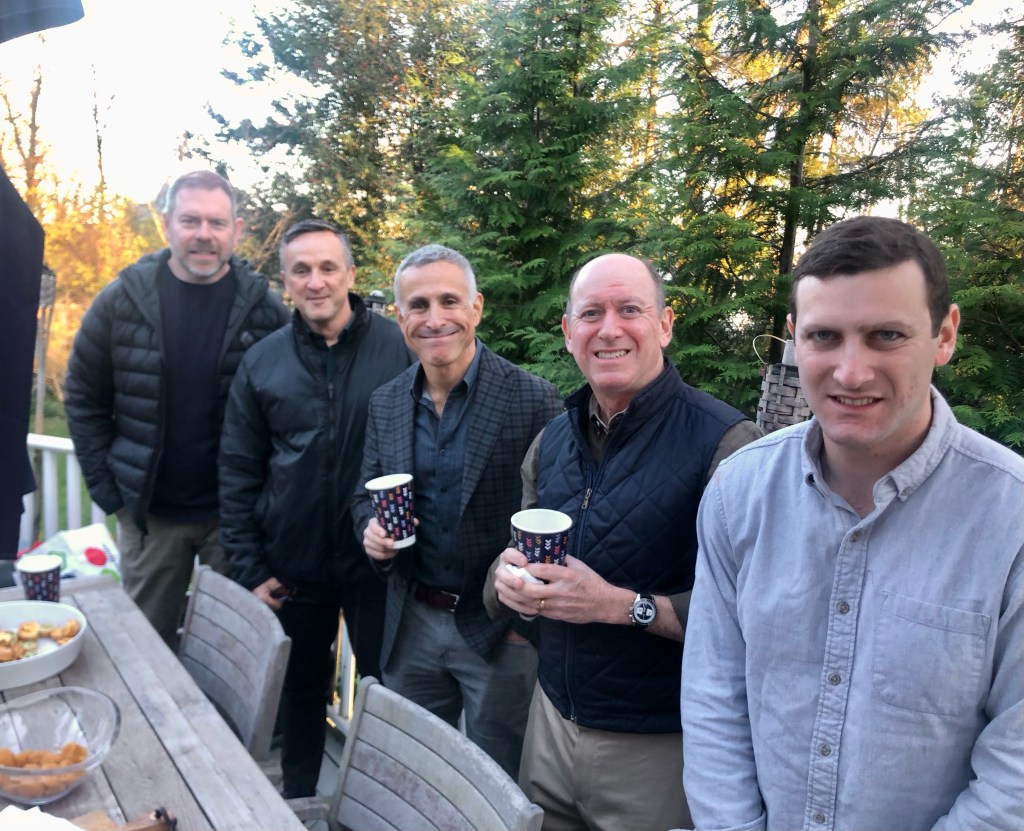
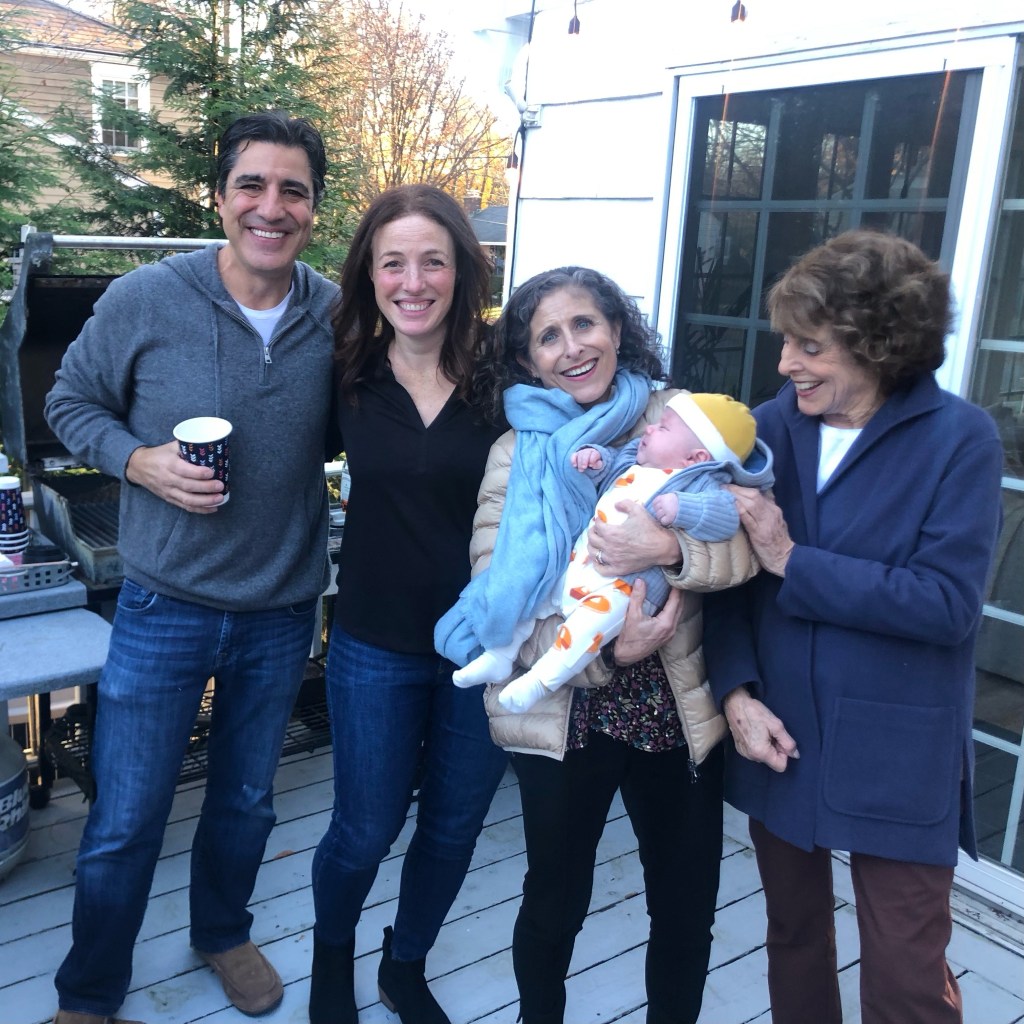
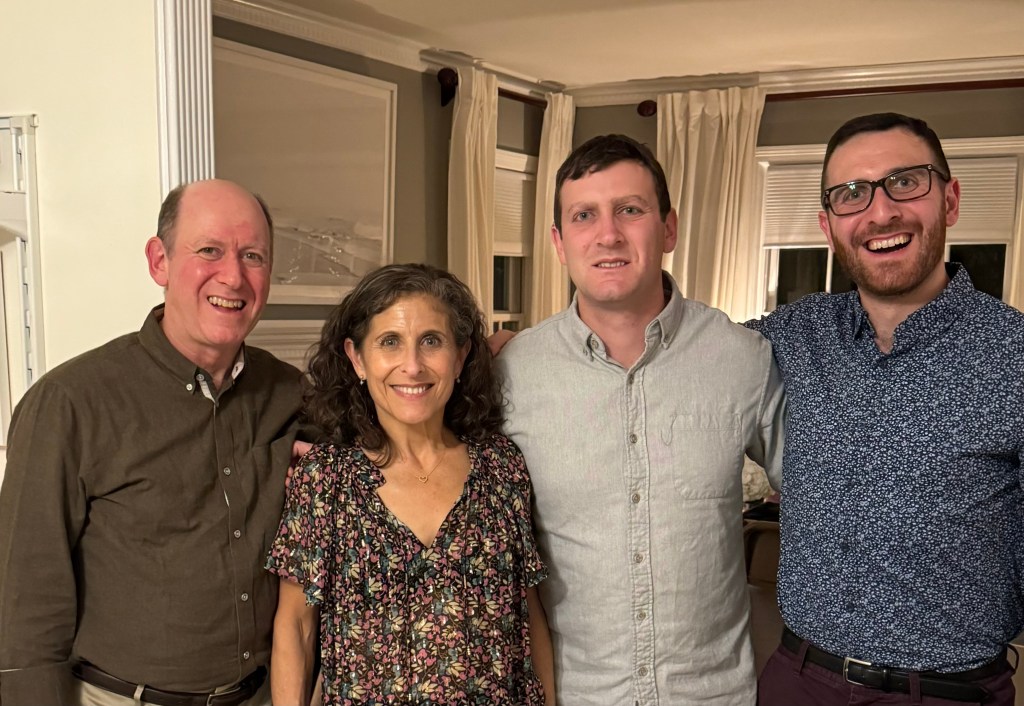
Today’s post took a long time to compose. It’s not Paris and its subject took place a few weeks ago. Since then, we have had a lot more activities of interest but I wanted to publish this today and send my best wishes for a Thanksgiving weekend filled with feasts, friends and family. Here is ours.

And now:
AMSTERDAM, November 3-5, 2023
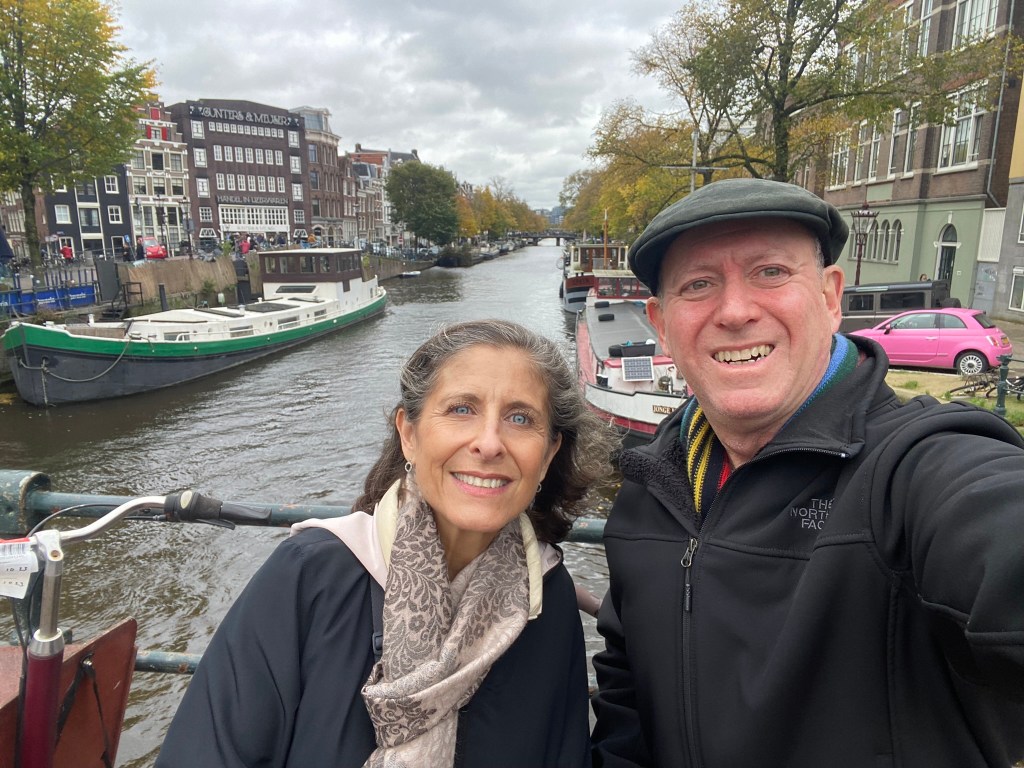
In three and a half hours, one can take a high speed train from Paris to Amsterdam and that’s just what we did one weekend. I had not been there since April 1979, although Andy was there in 1985 (I think back then, the highlight was a Heineken tour and I do not want to know what other highlights those recent college grads experienced while there). It was a lovely weekend in a terrific city (and do not even think of riding a bicycle there) but it was cold and rainy the entire time. Apparently, that’s Western Europe at this time of the year. And no, that did not stop us.
You probably know by now that I am an avid Museum goer so while Andy nursed a cold (not Covid / all better) and caught up on some work, I took a tram to the RijksMuseum and I didn’t get lost! The Amsterdam tram system is very easy to navigate and the trams are cashless so a credit or debit card, gets you anywhere in the system.
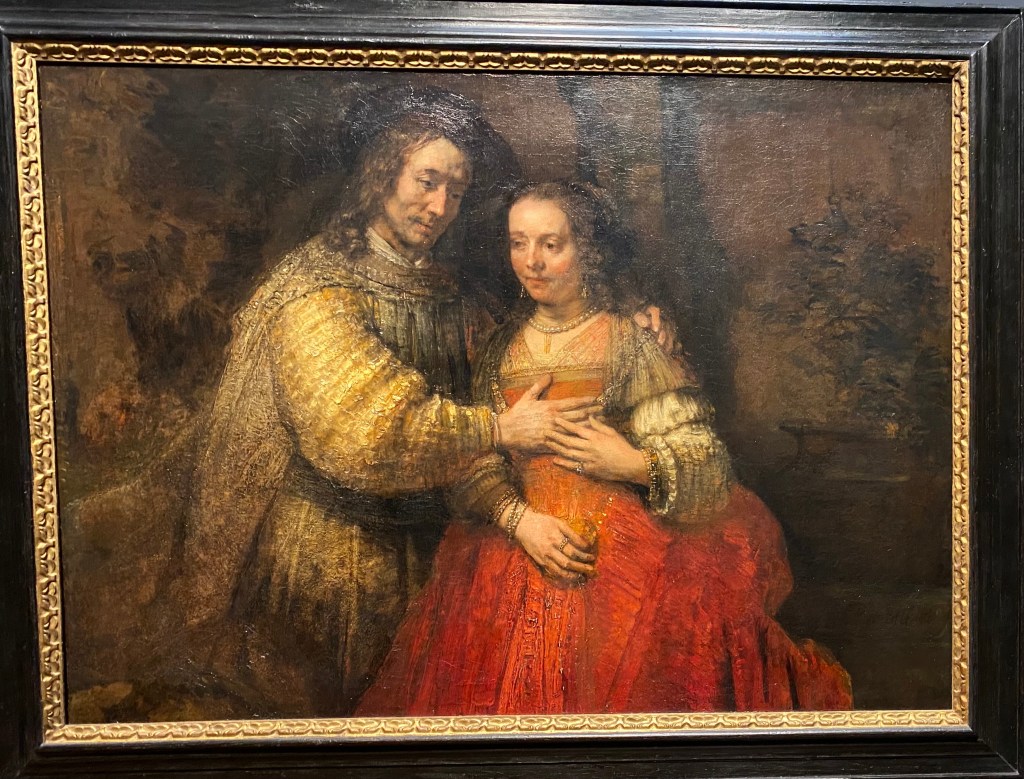
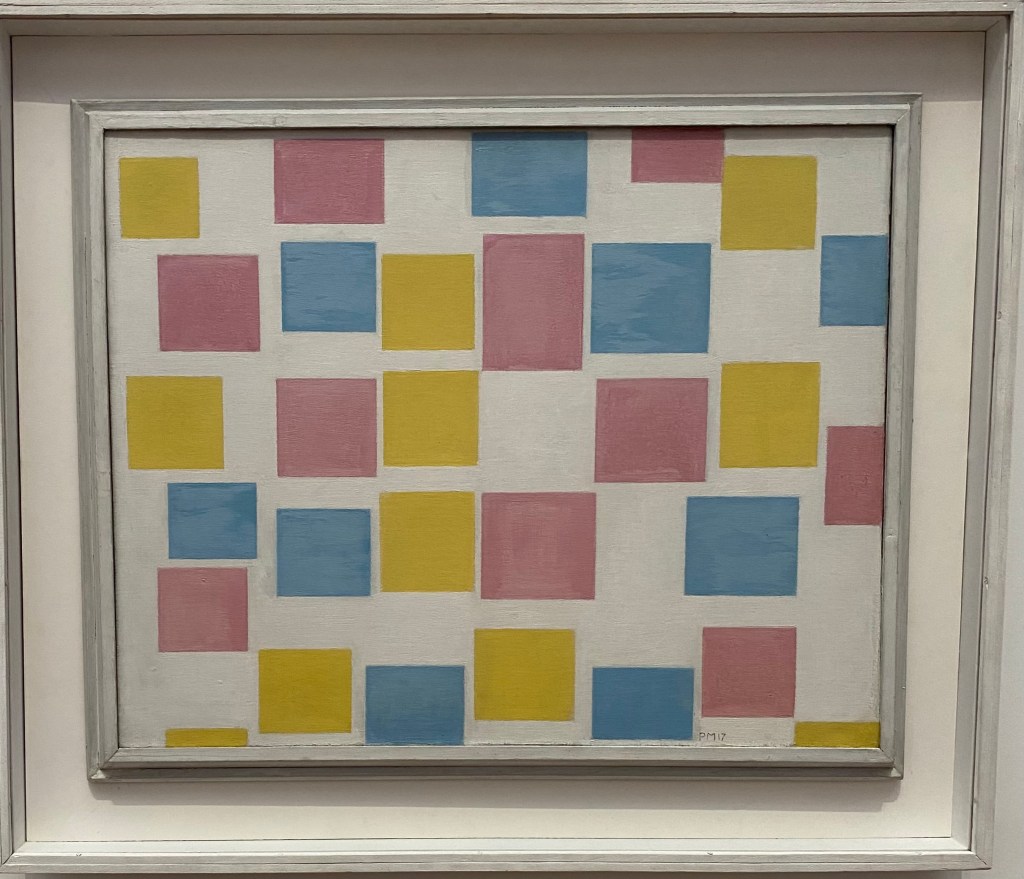
The museum is a treasure. Rembrandts, Vermeers and Mondrians are there, and much more. My highlight audio tour featured Dutch masters. As the Dutch middle class grew in the 17th century, the subjects in Dutch are moved away from religious symbols and towards portrait, landscape, history and still life.
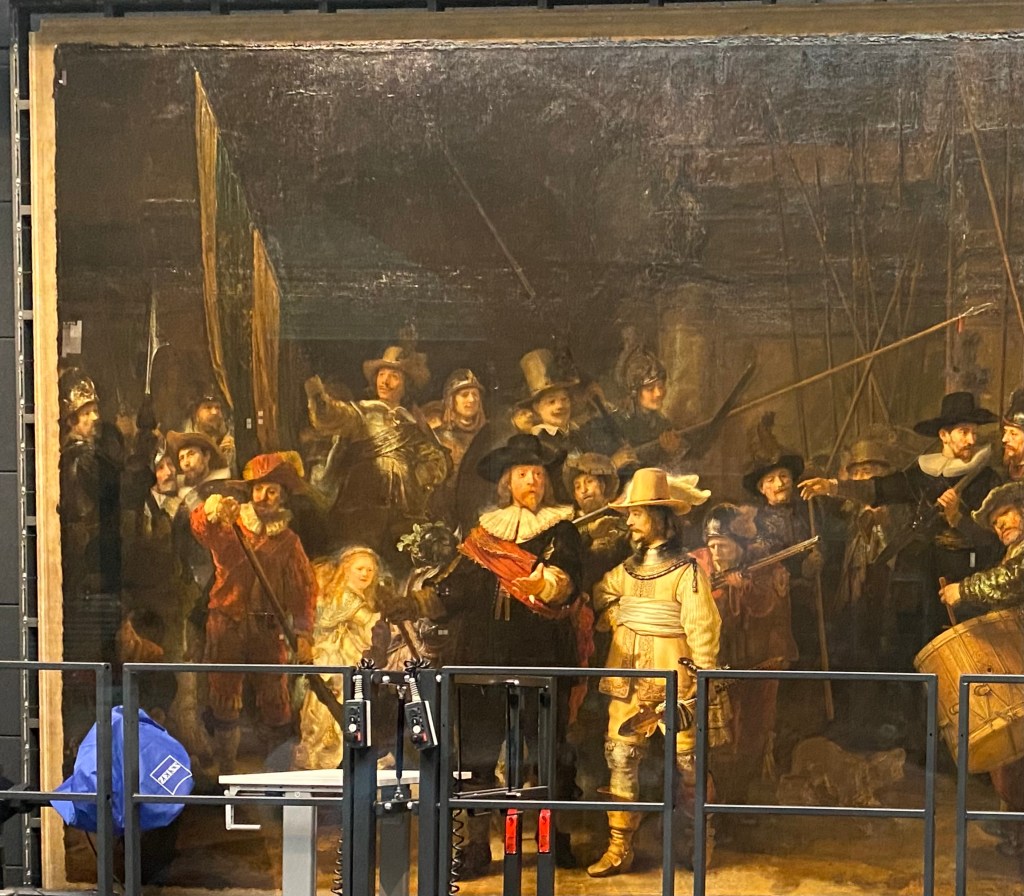
One very interesting gallery displays Rembrandt’s famous “Militia Company of District II under the Command of Captain Frans Banninck Cocq,” or as we know it: Night Watch (1642). Its title is misleading as “Night Watch” was not painted as an evening scene; Rembrandt used a dark varnish, which has since been removed but the name stuck. The painting depicts a militia and includes portraits of 34 people. Light is projected on the painter’s most prominent subjects, including a young girl, the militia’s mascot. This masterpiece has had its share of problems. At one point, it was trimmed to fit between two columns and it has been vandalized on more than one occasion. Currently under restoration, the project code name: Operation Night Watch, this huge painting (12’ by 14.5’), is enclosed in glass but museum goers can watch the work right from its home in the gallery. If interested in this restoration project see:
https://www.akzonobel.com/en/about-us/partnerships-/operation-night-watch
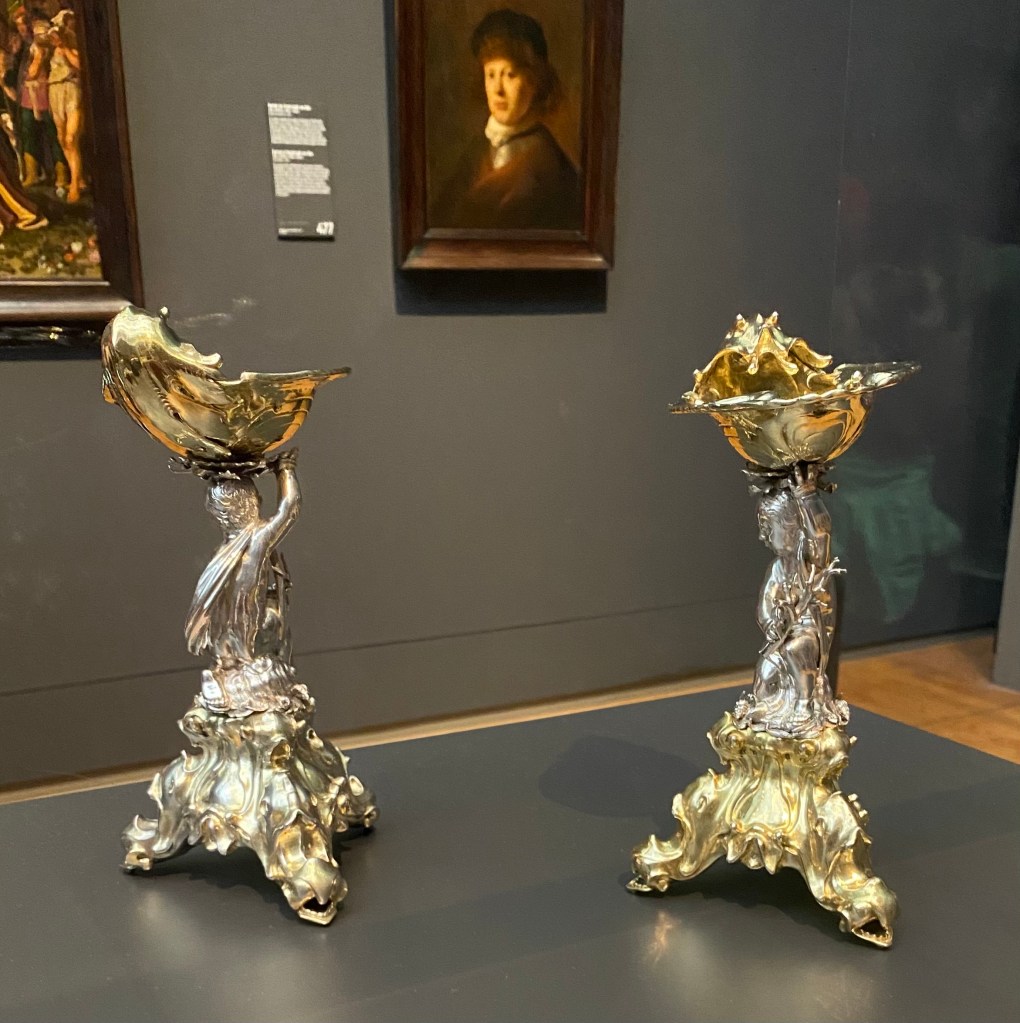
Note about the salt cellars: originally acquired by Jewish collectors, Emma & Henry Budge, they were auctioned off in 1937 to prevent the Nazis from confiscating them. Unfortunately, the proceeds from the auction did end up in Nazi hands. This year, they were reunited with family descendants and purchased by the museum.
Food in Amsterdam
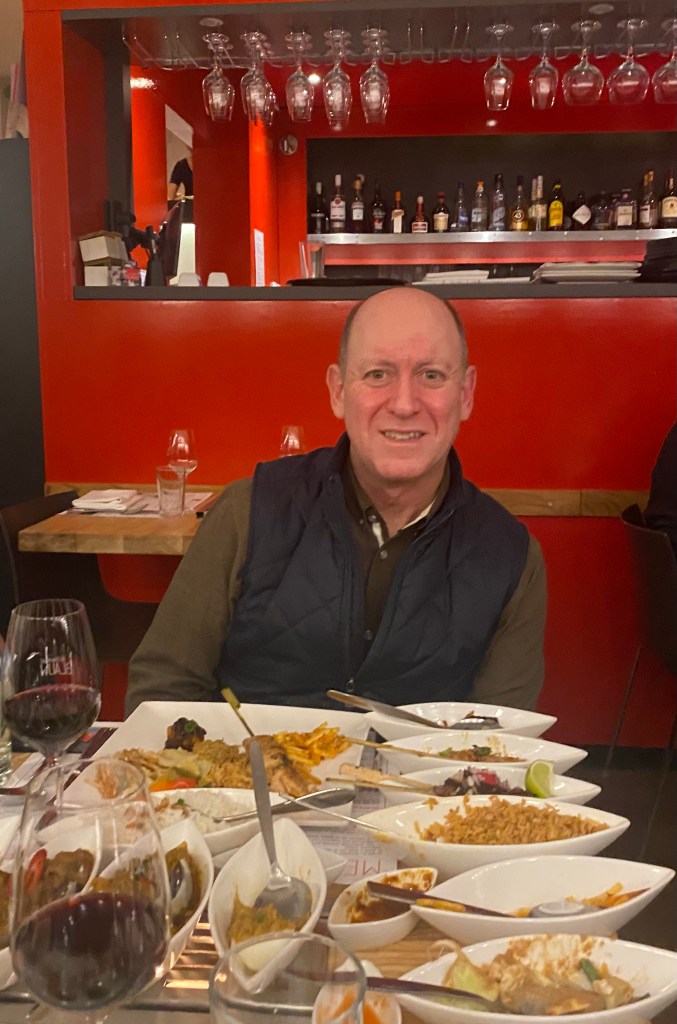
From my first Amsterdam trip, age 16, I remember two things about the food: breakfast and dinner. Every morning, our breakfast included hagelslag, buttered white bread with chocolate sprinkles on top and while I didn’t have hagelslag on this trip, I wanted to mention it. What I did repeat from 1979 was a dinner of rijsttafel (rice table). We went to the well-regarded Indonesian Restaurant Blauw, where we were served rice plus many small bowls of meats, fish and vegetables, accompanied by a variety of sauces. The Dutch had colonized Indonesia and these extravagant meals arrived in the Netherlands after Indonesia gained independence in 1945. It was quite the banquet for us two diners. Who knew Dutch cuisine could be so memorable?
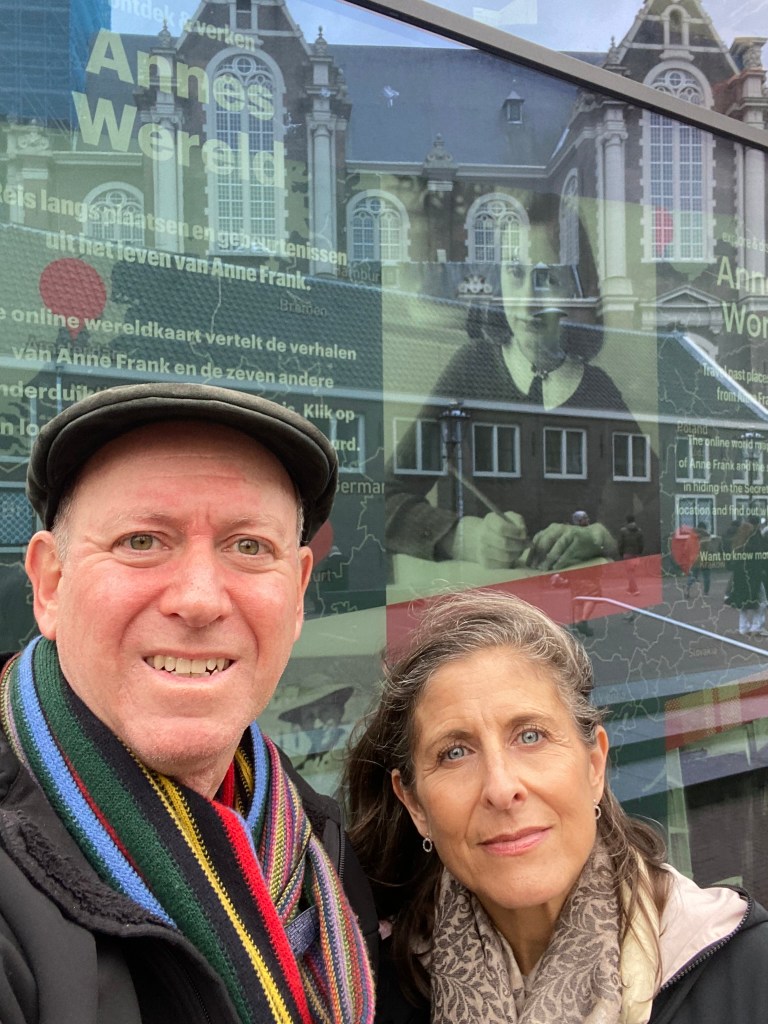
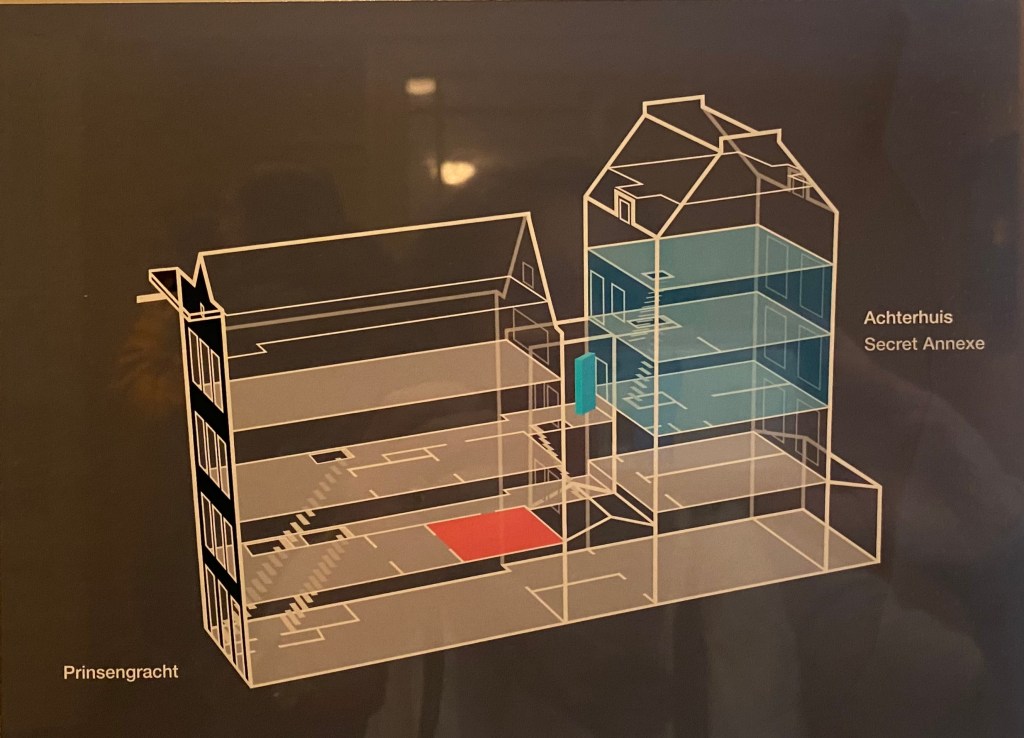
We actually chose our Amsterdam weekend based on whether or not we could get advance and always sold out tickets to the Anne Frank House. While the security presence in Paris has been very visible, one would have expected the same in Amsterdam; interestingly, we saw no police presence the entire weekend, even at 263 Prinsengracht, the house on the canal where the Franks, the van Daans, and Dussel had been hidden, also known as the Secret Annex. If you ever visit the house, please sign up for the short introductory lecture, which is what we did. We all know what took place there, through Anne’s diary but to have this introduction, about World War II in the Netherlands was eye opening. Those who protected and cared for the eight Jews who were hidden in a space that was invisible to the naked eye from the street, put their lives on the line every day for more than two years. They were surely righteous gentiles.: Victor Kugler, Johannes Kleiman, Miep and Jan Gies and Bep and Johan Voskujl.
Those who know me, are used to my habit of going down rabbit holes once a topic is introduced (or in this case, reintroduced) to me. After the lecture and house tour, which made Anne’s diary all the more real, I had to go back to the source. A revised edition of Anne Frank: The Diary of a Young Girl, The Definitive Edition, was published at the 75th anniversary of its original publication. I highly recommend reading, rereading or listening (Selma Blair did an award winning job reading the book for the audio version which accompanied me on runs, walks and chores over the last few weeks). As it turns out, Anne had three versions of her diary. What was originally published in 1952, was edited by Miriam Pressler and Otto, Anne’s father and the sole survivor of the Secret Annex. The Definitive Edition reveals thirty percent more diary. Anne had already begun editing her work for potential publication as she had learned that there was a request for first hand accounts of the war years which would be published ten years after the war. Anne was planning to call her book The Secret Annex. In addition, there is a lot more about Anne’s difficult relationships, especially with her mother and an honest account of her sexual awakening, likely edited out by Otto in the original publication. I highly recommend joining me in revisiting Anne’s diary.
Anne’s honesty in her “Dear Kiitty” diary entries introduced me to a teenager who was misunderstood by the grownups in the room and completely honest in her writings, often venting. From going into hiding at the age of thirteen and for the two years in which she wrote, Anne grew into adulthood, a natural occurrence but also forced. Being hidden and surrounded by adults, she was quite privy to the news of the day, about the war, what was happening to Jews and those who were helping the Jews. Anne was forced to grow up pretty quickly. There were bombings at night that shook the annex and discussions about the hope for an Allied invasion, which did occur while Anne and family were in hiding. Having recently been to Normandy, it all came into focus for me, that D-Day, the turning point on the European front, did not do anything to save the lives of so many Jews. Anne learned of the D-Day invasion, the capturing of Cherbourg by the Allies but that did not save her.

Anne’s self-awareness emerges as her diary entries progress. No, Anne Frank would not be a typical housewife and mother; she would continue her studies and become a writer, a journalist and I truly believe that is what she could have been. Anne did not think that Peter, her love interest in the secret annex, would be her one and only. He was not as strong-willed as she but thank goodness Peter van Daan was there for Anne so that she was able to have a crush and explore her emerging adulthood as any teenager might. I am sure that helped pass the time in between the forced silence, correspondence school curriculum and chores that were part of Anne’s daily and otherwise monotonous existence in the secret annex. Anne’s writing also has strong insights about human nature, war, antisemitism. She had moments of optimism but she also suffered tremendous fear, anxiety and hunger. I cannot begin to put myself in her shoes.
We and our children are still feeling the effects of the isolation that two years of a pandemic had on us. This in no way compares to the Franks’ lives from 1942 until 1944. It’s hard to read a book like this, a true story and we all know its tragic ending. I would like to think of Anne as a now 94 year old who could regale us with stories of her incredible career and long life. It breaks my heart to know that she never had the chance.
100,000 Jews from the Netherlands lost their lives in Nazi death camps during the war and today, there are about 30,000 Jews residing in the Netherlands. From visiting Anne Frank’s house, I assumed the Dutch population would be quite knowledgeable about their Holocaust history but I learned that is not the case. In a Claims Conference survey, it was reported that most Dutch residents are unaware that the Holocaust took place in their country. This surprised me as Andy and I have a custom of exploring Jewish heritage whenever we visit a foreign city. In fact, to complement our visit to the Anne Frank House, we visited the Verzetsmuseum (Dutch Resistance Museum). The main installation at the Verzetsmuseum included primary source material during and after the war years.
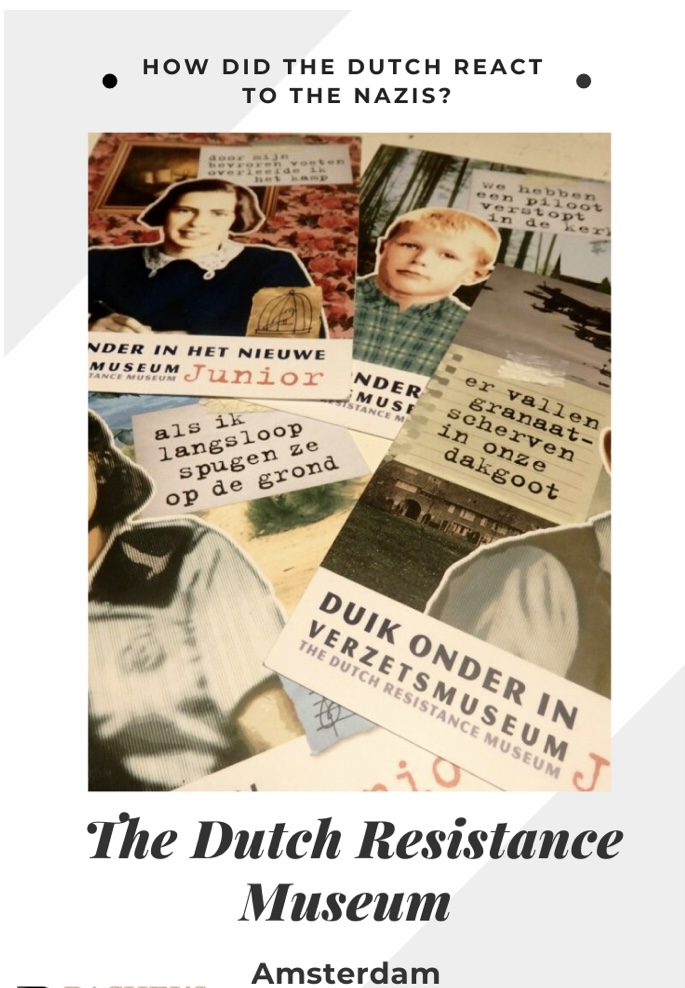
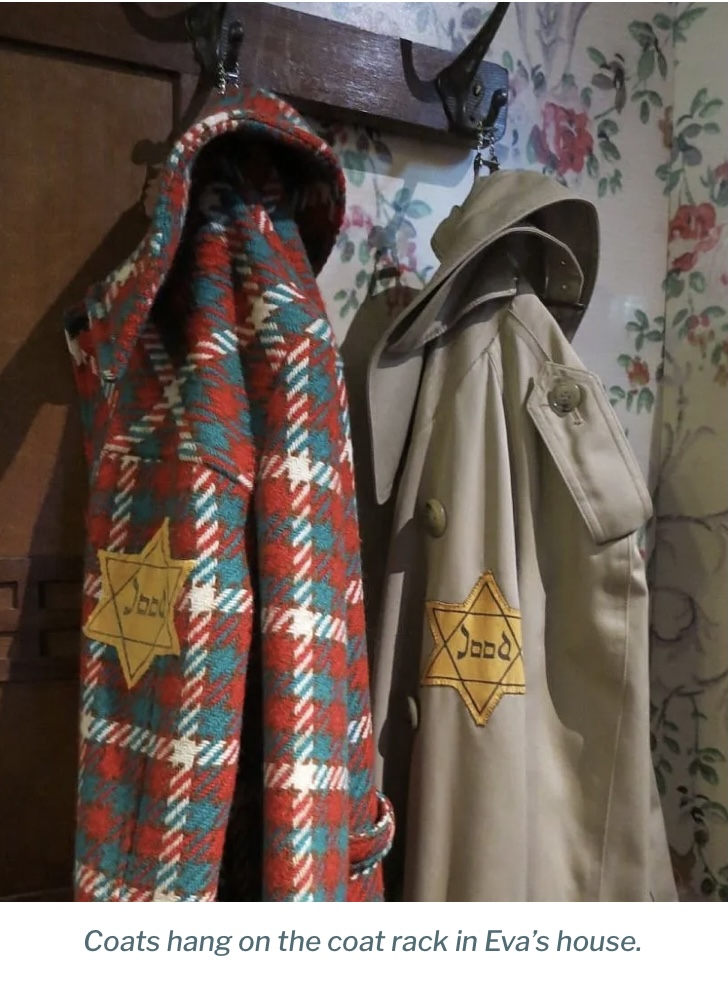
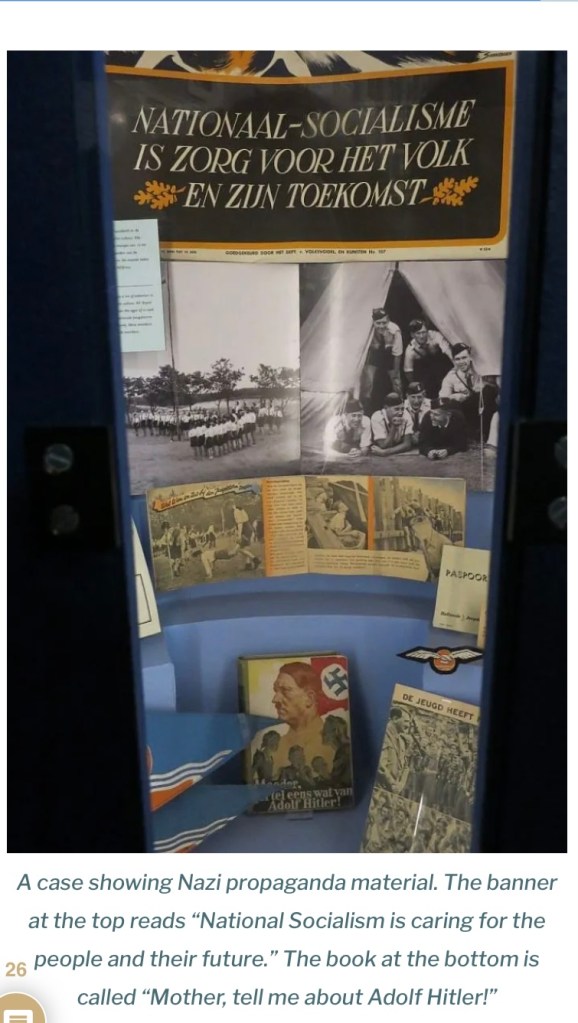
From May 1940 to May 1945, Nazi Germany occupied the Netherlands, and this left many Dutch people with challenging choices to make. The Dutch had not been able to defend themselves against the Nazis and in less than a week, the port city of Rotterdam was destroyed and Germany occupied the Netherlands. While some citizens joined the Nazis, those in the resistance were of all ages, fighting back by organizing strikes, forging documents, aiding individuals in hiding, underground publishing, creating escape routes, armed combat, and espionage.
Some questions and difficult choices came to my mind:
•As a Jew, would I have filled out the mandatory paperwork, easily revealing my background to the Nazis?
•As a non Jewish sympathizer, would I have pledged my allegiance to the Nazi party to keep my university scholarship?
•Would I have risked my life and that of my family by joining the resistance or hiding Jews when I was also in survival mode?
•If my parents hid me with gentiles (to save my life), far away from the turmoil, how would it have felt, after the war, to be separated from the foster parents whom I had grown to love and who loved me in return? My parents may or may not have survived and an unknown relative might have come to bring me back to the extended family, a family that had lost everything and had been ravaged by war, having barely survived the camps.
Straat Museum for Street Art and Graffiti

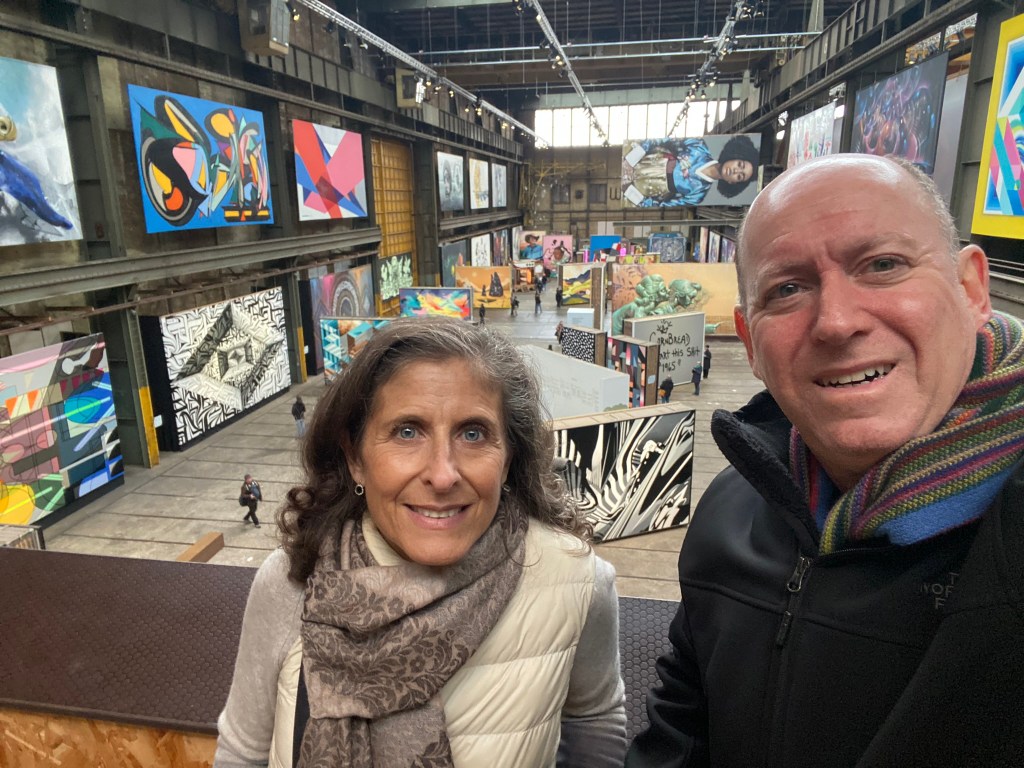
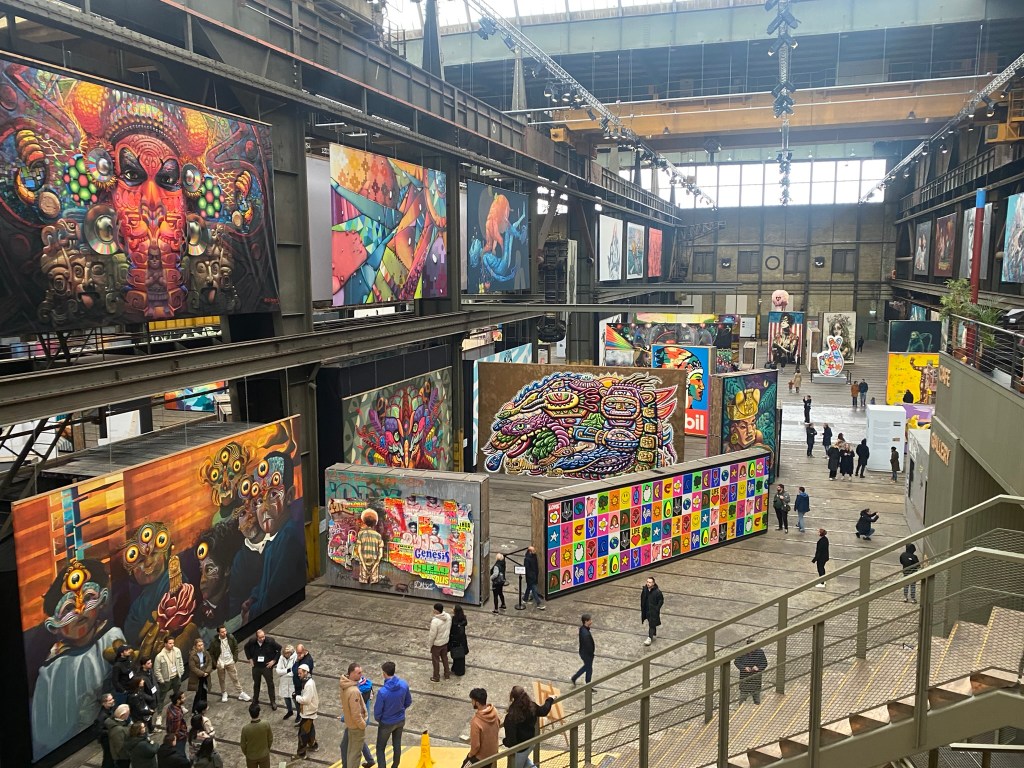
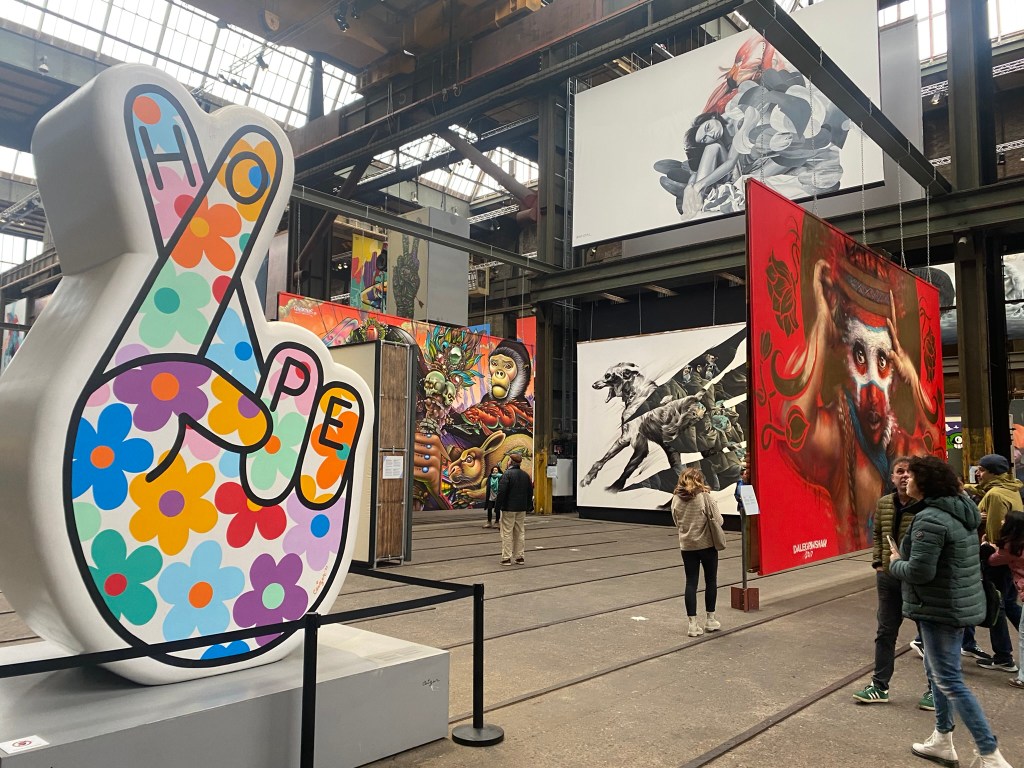
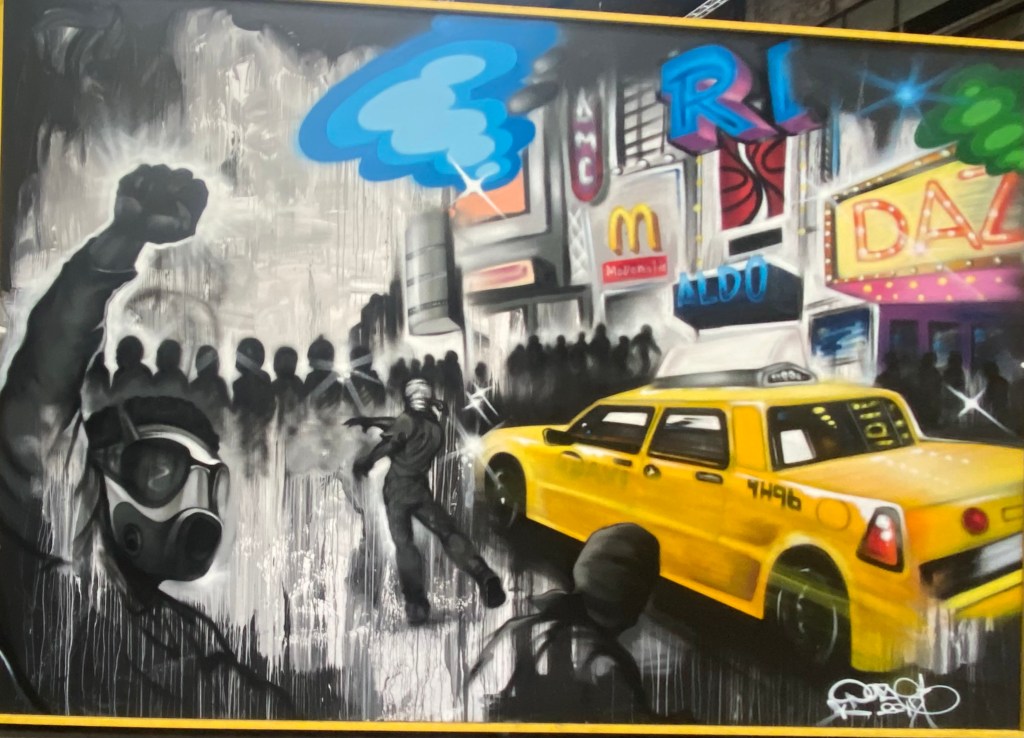
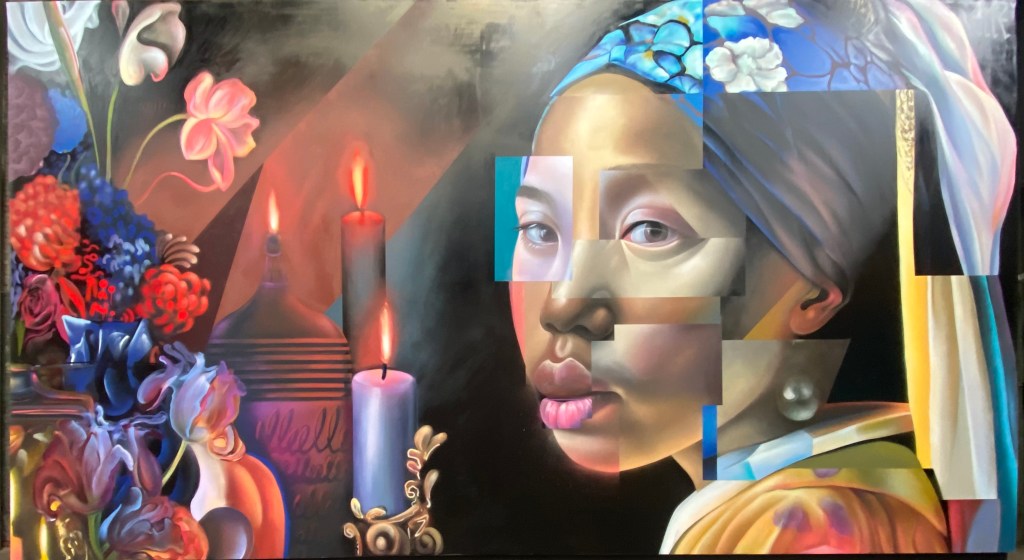
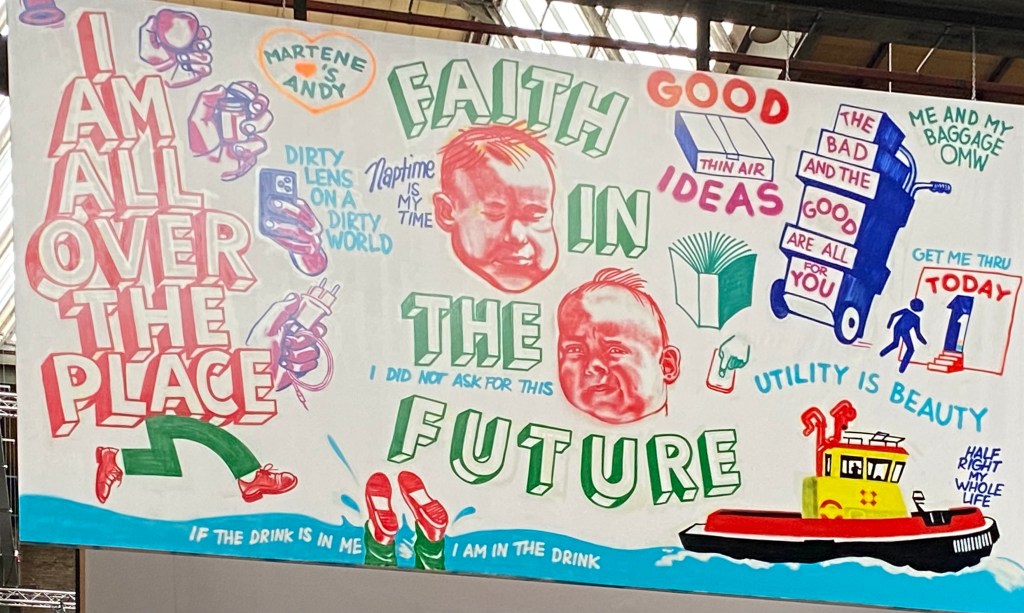
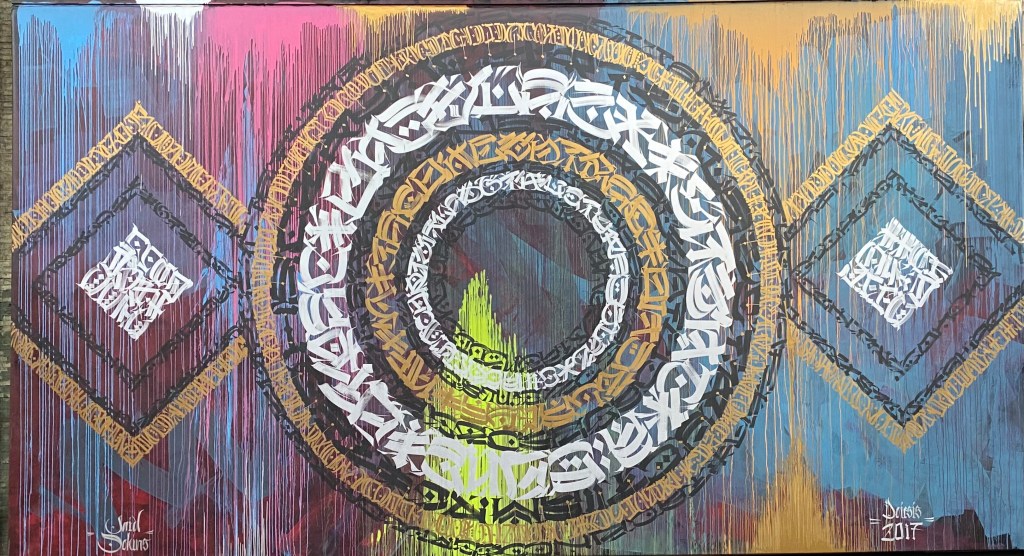
Going in a very different direction, we also explored the Straat Museum for Street Art and Graffiti, a new must for Amsterdam tourists. This huge warehouse exhibits large works of art in a discipline that began in New York subways during the 1960’s “as an audacious symbol of self-expression.” Most works on display here, were created by artists who received invitations to compose their work in the museum. A timeline of street art history on display took us from 1967 to the present and highlighted milestones: artists, exhibitions, media and pop culture worldwide, with spray paint!

Van Gogh Museum
For me, 2023 has been my year of Van Gogh. Always a fan of this brilliant yet misunderstood artist, I have been to four special exhibits and his namesake museum this year. A bonus was seeing a lot of Van Gogh’s work from his time at the Saint-Paul Asylum in Saint-Rémy, May 1889 – May 1890 since we had visited the asylum in 2006 and looked out the same windows from which Van Gogh painted. We saw the same cypress trees, olive trees and the lavender fields also prominent in his work.
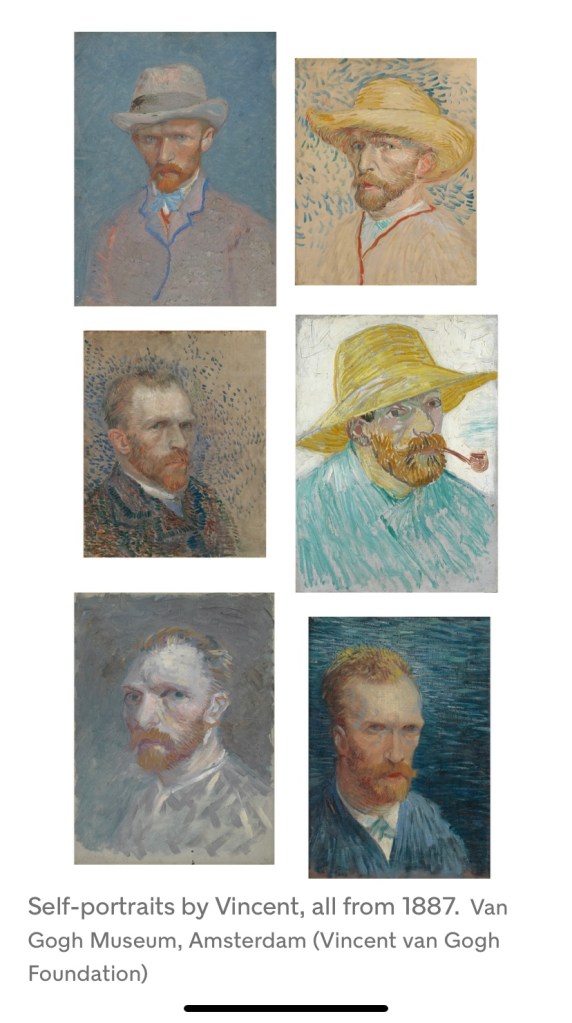
Because Vincent was, in life, a struggling artist, he painted many self portraits to explore color, light, line, texture, shape and space. It is amazing to me, that Van Gogh’s prolific career spanned only ten years, 1880-1890.
Some more of my favorites:
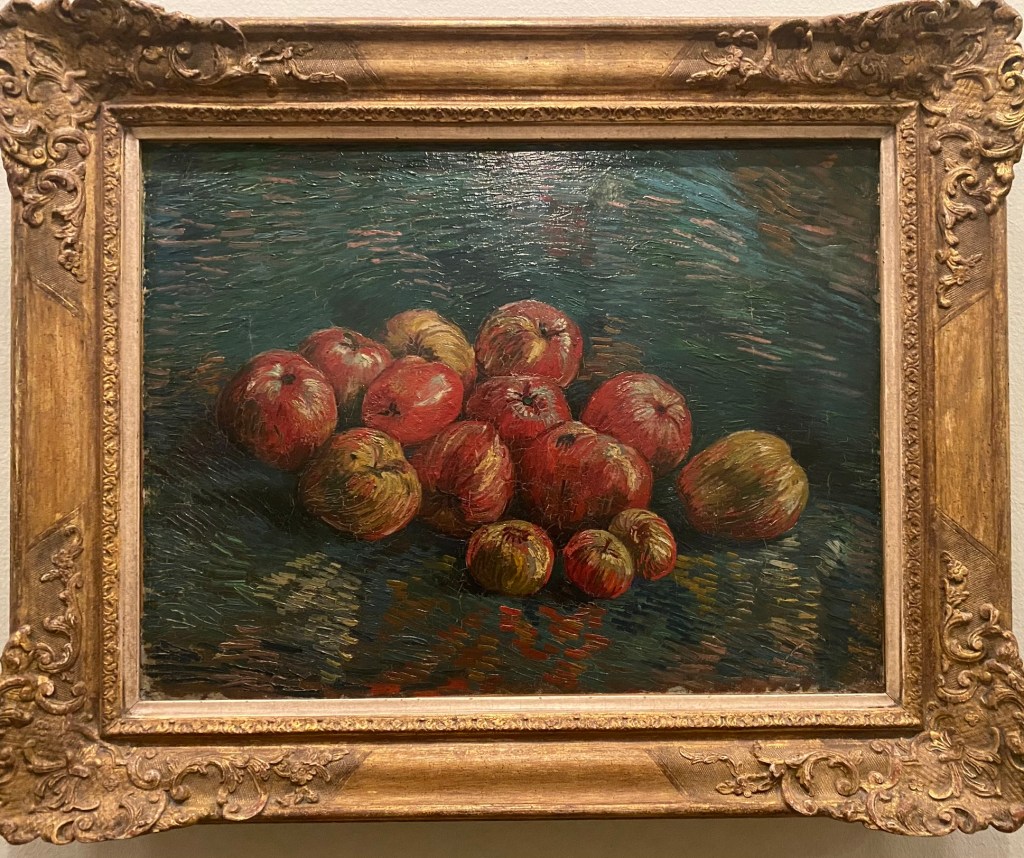
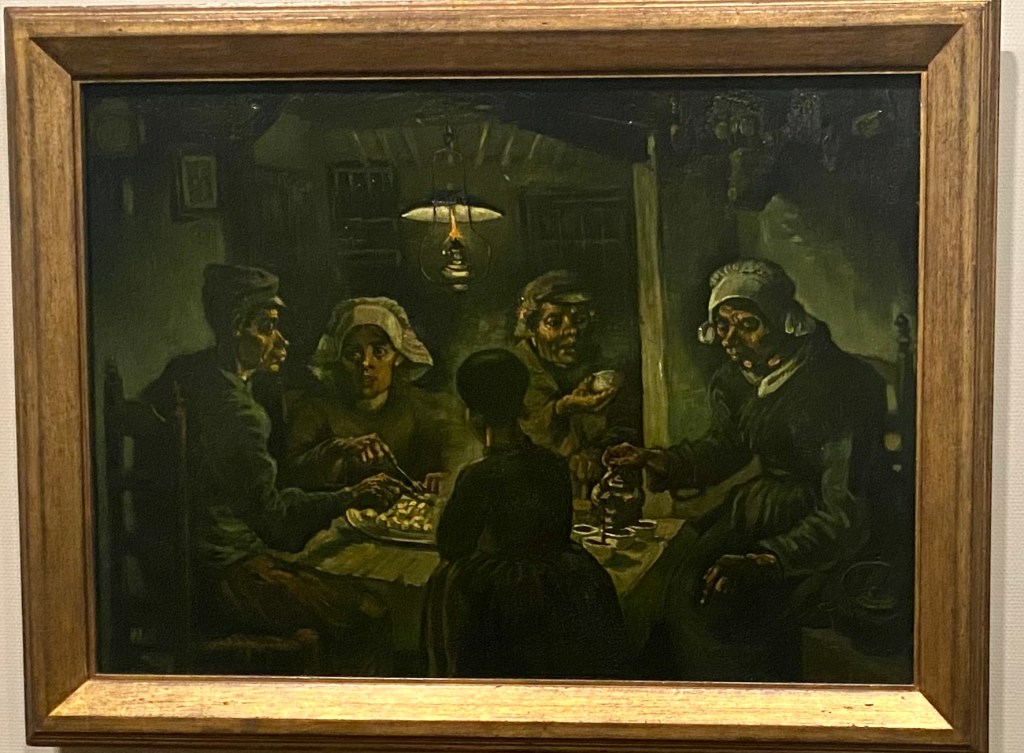
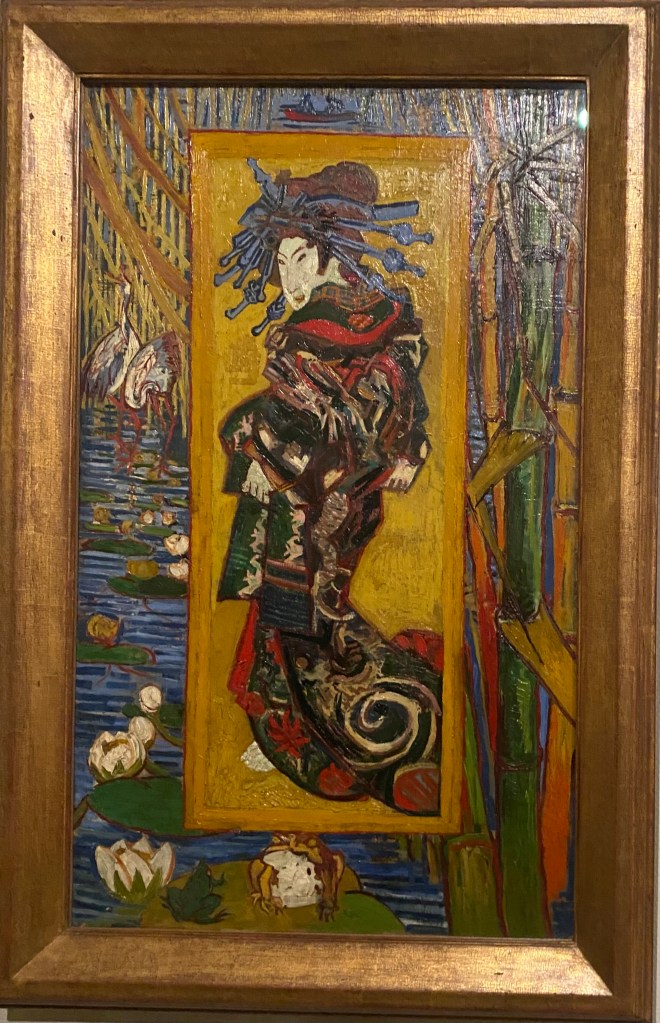
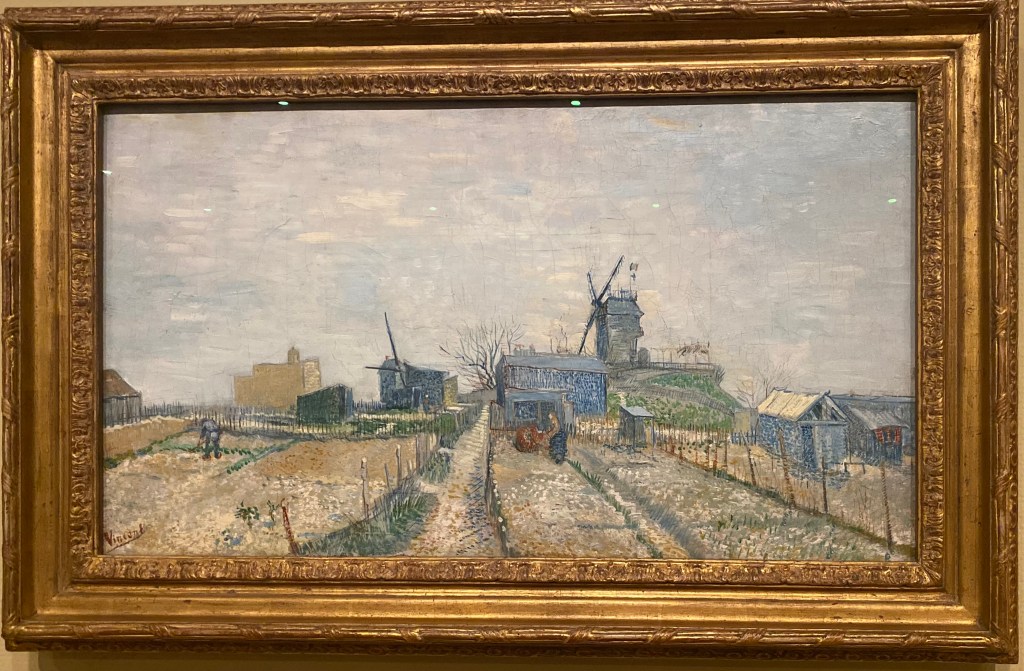
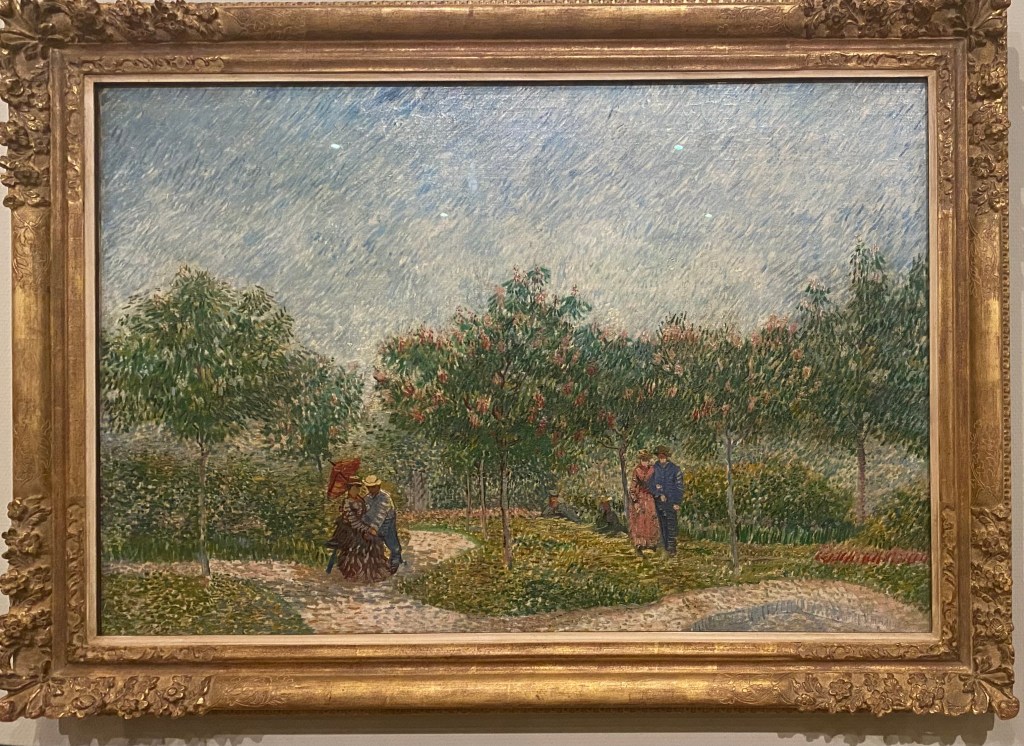
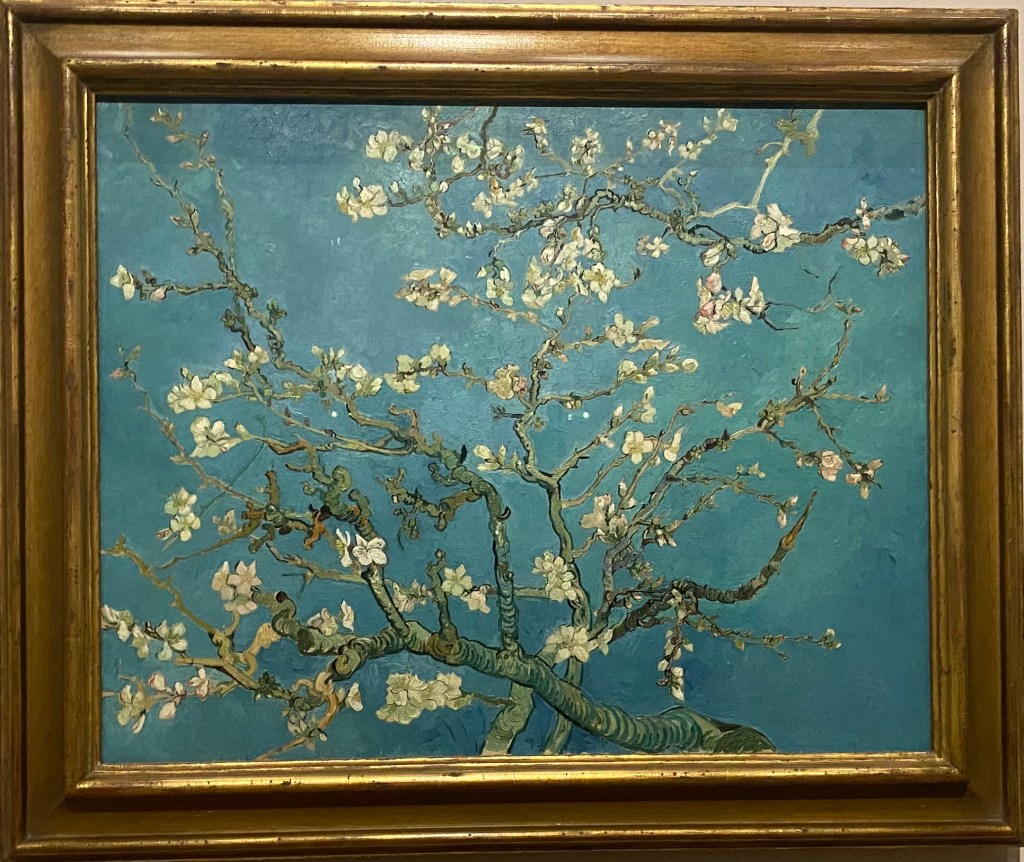
if you too are interested in Van Gogh and his legacy, how he went from starving artist in life to genius painter after death, read about Jo, Theo’s widow (if it does not populate, LMK and I will share; it was from the NYT Magazine 4/14/21) :
Doei (À bientôt in Dutch)!
 The Innocents Abroad, 21st Century Version